Month: August 2023

Blog

Can You Take Wooden Items Into Australia?

Australia is renowned for its strict biosecurity regulations aimed at keeping pests and diseases from entering the country and harming its precious natural environments and agricultural sector. For tourists and travelers, these important quarantine laws can pose challenges when trying to bring beloved wooden items along on trips – whether antique walking sticks, handmade musical instruments, or simple utensils.

This comprehensive guide covers all aspects of importing wood products into Australia. We’ll examine prohibited items, preparation steps for permitted goods, what to expect during inspection, options for storing non-approved items for pickup later, biosecurity obligations for exporting wood from Australia, and even cultural considerations around wood handicrafts. By understanding quarantine guidelines, you can navigate your travels with any necessary wood belongings while also helping preserve the country’s ecosystems.

Can You Take Wooden Items Into Australia?

Types of Wooden Items Banned from Import

Australia’s timber quarantine regulations establish clear categories of high-risk wood materials prohibited from entering the country except in rare circumstances with extensive processing. Before packing any wood products in your luggage, review the following banned items:

Unfinished Wood Materials

This encompasses raw wood materials like lumber, logs, planks, bark, mulch, shavings, and industrial wood shavings. Raw wood poses a major contamination risk.

Wood Packing and Pallet Materials

Including wood crating, pallets, boxes, reels, dunnage, packing blocks, skids, and other wood packing supports. Some exemptions exist for treated ISPM-certified packing from approved locations.

Certain Wooden Handicrafts and Decorative Items

Specific products banned include painted masks, spears, arrows, walking sticks, straw goods, rattan and bamboo articles. Exceptions can apply if thoroughly treated and declared.

Wood Furniture and Household Items

Furniture, kitchenware, utensils, etc. made partially or wholly of wood materials often prohibited. Requires extensive cleaning and official certification.

Firewood and Related Products

Transporting firewood, kindling, or similar wood materials, whether as goods themselves or packaging/dunnage, is completely banned.

Contaminated or Pest-Invested Wood Products

Any wood showing signs of live/dead pests, insects, fungi, eggs, soil, bird droppings or organisms. Also bans decorative finishes using animal or insect parts.

Review Australia’s Timber Import Regulations thoroughly before packing wood products. When in doubt, declare items for inspection rather than risk automatic seizure. Fines and penalties apply to non-declared prohibited goods.

Permitted Wooden Items with Proper Preparation

Certain wood items are approved for importation, provided they undergo treatment and declaration procedures demonstrating minimal biosecurity risk. You can bring:

Carvings, Statues and Wood Art

Carved figural statues, masks, painted wood artwork, and decorative boxes/objects are permitted if made from properly dried, treated timber and free of pests. An invoice showing clean treatment may be required.

Musical Instruments

Guitars, violins, clarinets and other instruments can enter if all wood components are thoroughly cleaned and certified pest-free. Avoid instruments incorporating animal materials like ivory.

Furniture and Woodenware

Tables, chairs, kitchen utensils, bowls, and other decorative housewares require documented fumigation, cleaning, and restricted timber use. Must meet lowest biosecurity risk standards.

Approved Wood Packing Materials

Clean lumber, pallets and dunnage materials certified with ISPM markings prove they’ve undergone required heat or fumigation treatments. Lower risk than uncertified woods.

Walking Sticks and Canes

Can be imported after inspection to confirm either a total absence of pests or successful treatment if any infestation detected. Bamboo and rattan often problematic.

The key for these items is meticulous preparation ensuring wood is sterile, dried, and certified free of organisms. Never attempt to sneak untreated or contaminated wood past quarantine.

Recommended Treatment and Preparation Steps

To maximize chances permitted wood products pass inspection, implement the following treatments and preparations:

Careful Visual Inspection

Closely examine all wood surfaces and crevices for any sign of living/dead insects, larvae, fungi, rot, soil, eggs, tunnels or bird droppings. Also check for hidden hollow spaces.

Thorough Cleaning

Wash and scrub all wood surfaces with soapy water and dry completely. Repeat as needed to remove any traces of debris, pests or organisms. Bleaching can also sanitize.

Apply Registered Insecticides

Coat or spray approved insecticides containing bifenthrin, permethrin or other registered agents. Ensure full coverage and let dry completely. Include treatment certificates.

Use of Lumber Preservatives

Seal porous woods with varnishes, polyurethane or oils that contain fungicides or pest resistance and make woods unsuitable environments.

Attach Compliance Stamps and Labels

Fixed compliance labels and stamps prove timber has undergone proper commercial drying and treatment processes to standards.

Include Official Documentation

Provide invoices listing contents, treatment info, pest-free certificates, compliance declarations, and ISPM certifications to customs and quarantine officers.

Following all these preparation best practices demonstrates attention to biosecurity, lowering your risk of wood seizure or delays.

What to Expect During Airport Arrival and Quarantine Inspection

All wood products and organics undergo stringent inspection upon arrival at Australian international airports and seaports. Here’s what to expect:

Declaration of All Wooden Items

Submit completed BICON declaration forms to quarantine officers providing descriptions, values and treatment details for every wood item in your luggage. Omitting materials leads to problems.

X-Ray and Density Meter Screening

Luggage will undergo x-ray or dense wavelength scanning looking for undeclared or unauthorized wood materials. Anomalies require search.

Detector Dog Inspections

Dogs trained to sniff out food, wood, and organic matter patrol the baggage areas. A dog showing interest in your luggage flags it for inspection.

Physical Examination

Quarantine officers closely examine wood products by sight, tapping for hollow spots, using magnifying glasses, and extracting samples. Unpacking of items may be required.

Swabs and Laboratory Testing

Swab tests and on-site labs analyze drill samples for presence of foreign pests, fungi or disease organisms. Suspicious areas warrant further scrutiny.

Treatment or Seizure

Wood found contaminated may be fumigated, cleaned, or surrendered. Heavily invested materials get immediately seized and destroyed to control spread.

Cooperate fully with all inspection processes. Delays are common but this protects Australia’s ecosystems. Report anything missed on your declaration forms.

Storing Prohibited Wood Items in Australia for Return Transport

If certain wood belongings in your luggage don’t clear quarantine standards, they may be confiscated and destroyed on the spot. However, you can request prohibited items be held in secure storage near the airport for retrieval when departing Australia later. Here’s how:

Honestly Declare Banned Materials Upfront

If you have prohibited woods like untreated lumber, uncertified pallets or risky carvings, admit this immediately rather than risk undeclared seizure at the airport.

Complete Appropriate Seizure Paperwork

Fill out Australian Border Force forms to identify stored items, pay required storage fees, provide local contact details and outline the seizure terms.

Give Plenty of Notice Before Pickup

Notify quarantine authorities several days in advance that you’ll be collecting stored materials so transportation to the airport can be arranged in time for your departure.

Inspect Retrieved Items Prior to Re-Packing

Carefully inspect any wood products returned after storage for damage, tampering or signs of further pest contamination before packing them to exit Australia.

Arrive Early When Collecting Items

Leave ample time when picking up stored wood belongings before flights to account for transportation delays. Missing luggage could get stuck in quarantine indefinitely.

Properly coordinating temporary seizure storage and item pickup helps ensure prohibited belongings can be kept intact for the trip home. But work within the system.

Exporting Wood Products From Australia

Wooden items legally imported into Australia that clear quarantine may also undergo monitored export in passenger baggage to other international destinations. Here’s how to do so properly:

Know Import Laws of Destination Country

Research if your next destination restricts or bans import of wood handicrafts, instruments, packing materials or furniture. Bring supporting export documents.

Complete Export Declarations

Fill out required forms declaring all wood items leaving Australia, providing descriptions, values and references to entry inspection certificates. Keep copies.

Request Export Inspection and Certification

Australia can endorse exit of already approved wood through added inspection and cleanliness certification to facilitate entry elsewhere. Fees may apply.

Follow Airline Guidelines For Transporting Wood

If transporting large wood objects like instruments in their own cases, follow airline size and weight limits. Extra luggage fees may be imposed.

Cooperate Fully with Border Exits

Answer exit border agent questions honestly, present any requested documents related to the wood, and fully comply with scanning or examinations of items.

Satisfying Australian export processes demonstrates your commitment to global biosecurity. This speeds the process when entering your next destination country.

Cultural Considerations for Wood Products

If you’ll be acquiring traditional wood handicrafts or instruments while visiting Australia, be sensitive that customs issues can hamper the economic livelihood of Aboriginal and Islander artisans who rely on export income. Some tips:

  • Research permitted items in advance so artisans aren’t commissioned to carve prohibited goods.
  • If items require treatment, build extra time and costs into the transaction.
  • Get proper shipping paperwork from sellers for presenting to customs.
  • Pay any gratuities traditionally associated with commissioned handicraft works.
  • When possible, ask locals to teach you their wood preparation methods.
  • If items are seized, provide compensation to artisans for confiscated works.
  • Spread awareness of biosecurity requirements handicapping indigenous artisans.

Culturally-significant wood items deserve special care and consideration around complex quarantine laws. Keep artisans’ best interests in mind.

Summary of Key Advice

  • Research prohibited wood categories thoroughly and avoid packing banned products. Declare or discard restricted items before departing.
  • Prepare permitted wood objects using all required treatments – inspection, cleaning, insecticides, preservatives, labeling. Supply documentation.
  • Expect possible delays, seizures or mandated treatments after extensive examination at Australian airports and seaports. Cooperate fully.
  • Arrange temporary seizures of unapproved items for storage and retrieval later if valuable. Give ample notice for pickup.
  • Understand rules for exporting certified wood items out of Australia. Research destination country import laws.
  • Be thoughtful about how biosecurity regulations impact indigenous creators of wood handicrafts and instruments.

With proper preparation and understanding of quarantine policies, you can successfully visit Australia with needed wood belongings without accidental infractions or sacrificing treasured items. Follow protocols to protect Australia’s environmental treasures.

Frequently Asked Questions on Transporting Wood into Australia

Can I hand-carry wood carvings in my bag instead of checking them in luggage?

No, all wood items must undergo x-ray screening and quarantine inspection so must be checked in as luggage. Do not attempt bypassing security with hand-carried items or they will be seized.

What should I do if wood items are damaged during mandatory treatments?

You can file damage claims and potentially seek compensation if poor handling during cleaning, fumigation or other required treatments damages wood belongings. Save photographs documenting the original condition of items.

Can walking sticks be decorated with animal materials like horn or leather?

Decorative elements made from animal materials introduce additional biosecurity risks and restrictions. Simple, unfinished wooden canes have the highest chance of easy entry. Avoid composites.

Are there exceptions for small amounts of wood shavings or mulch getting in my luggage?

No, even tiny traces of prohibited raw wood materials could present a biohazard. Carefully inspect and clean all luggage, bags, shoes, etc to ensure you do not accidentally transport illegal wood bits or fibers.

Can valuable antiques containing wood components like furniture be shipped instead?

Antique wood furniture can indeed be shipped to Australia through special catchment importers familiar with entry procedures for rare collectibles. This requires extensive documentation and inspections.

What measures prevent wood pallets from transferring pests between destinations?

ISPM regulations require pine lumber fumigation and debarking before pallet construction. Then pallets undergo heat treatment during manufacturing as well to sterilize. Multiple safeguards.

Why are walking sticks and canes classified higher risk for bringing pests?

Sticks tend to have bark intact making detection of organisms harder. Cane materials like bamboo easily harbor insects internally. They may require drilling, swabbing, and treatment to gain Australia entry approval.

Does Australia restrict transport of wood perfume containers like jewlery boxes?

Small decorative wood boxes are permitted if made from compliant timber and containing no pests. However, avoid boxes incorporating seeds, straw, shellac or animal materials which face greater scrutiny.

Can I take a didgeridoo instrument as a souvenir from my Australia trip?

Authentic didgeridoos crafted by Aboriginal artisans make excellent keepsakes. Ensure yours is made from termite-resistant hardwoods like eucalyptus and has received internal cleaning and pest treatments before traveling with it.

What are the consequences if I fail to declare prohibited wood materials and get caught?

Bringing in banned wood without declaring it risks on-the-spot destruction of items plus civil penalties up to $420,000 AUD depending on the severity, quantity, and type of concealment. Declare or discard prohibitives.
Blog

Are Wooden Clogs Comfortable?

Wooden clogs are iconic traditional shoes with a unique charm. But can these hard, heavy-looking wooden soles actually be comfortable for walking around all day? At first glance, they seem like they would cause painful feet and blisters!

In this extensive article, we’ll explore whether wooden clogs live up to their appearance. We’ll dive deep into the many factors that determine the cushiness of these shoes. Read on for the ultimate guide to understanding wooden clog comfort!

A Brief History of Wooden Clogs

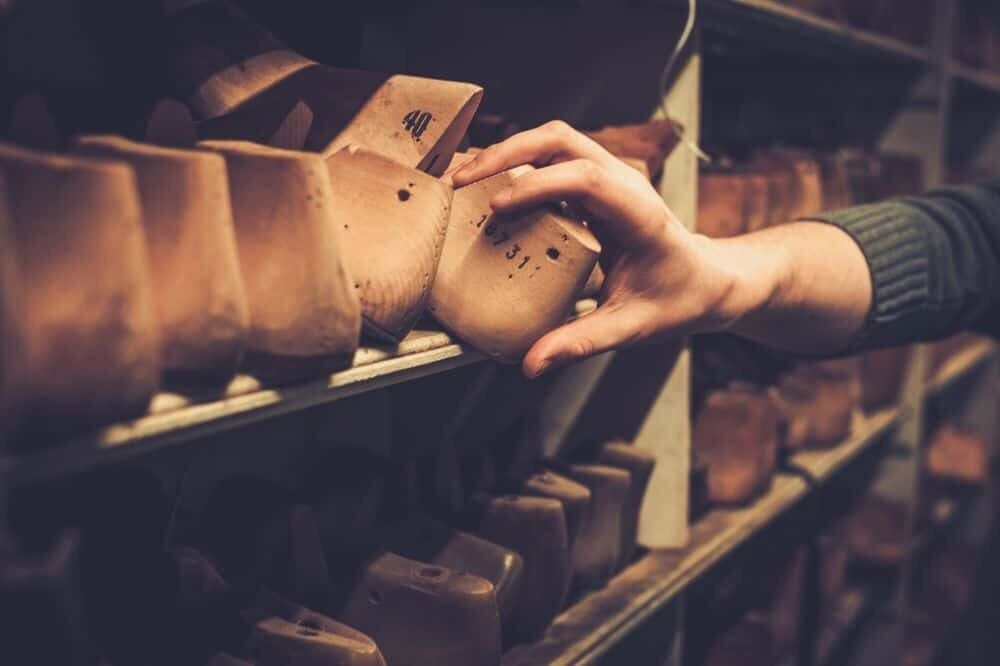
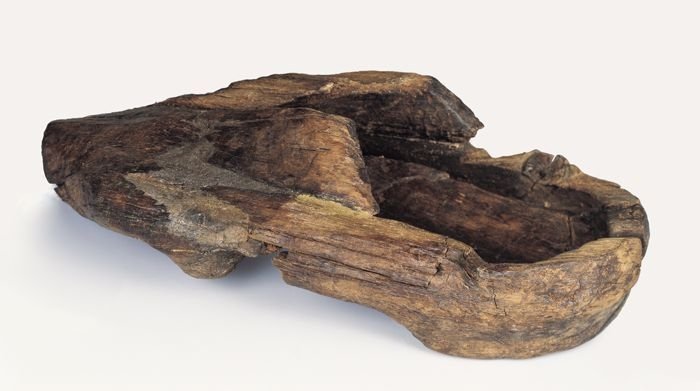
oldest-clog

To appreciate the comfort aspects of clogs, it helps to understand where they originated and developed over time. Here is a brief overview of the history of wooden clogs.

Ancient Predecessors

The earliest precursors to wooden clogs emerged in East Asia. Rice farmers in ancient China wore wooden sandals called kikuu for muddy fields. In Japan, geta sandals with elevated wooden soles appeared in the 8th century for both field work and city street wear.

Some historians believe even the Ancient Greeks and Romans used primitive wooden soled shoes to tread uneven roads and protect feet outdoors. The influence of Asian styles may have spread the concept West early on.

Adoption in Europe

However, wooden clogs as we now know them took strongest root in Europe during the Middle Ages. Wooden shoes emerged as practical footwear for peasant farmers and manual laborers in areas like France, the Netherlands, and Spain starting in the 14th century.

Unlike costly leather, wood was an inexpensive, accessible material for poor, rural populations. The sturdy shoes protected feet from cold, damp fields and precarious dirt roads. Their water resistance also made them ideal for marshy terrains in places like Holland.

By the 1500s and 1600s, distinctive regional clog styles evolved across Europe. The shoes became ingrained into local traditions and folk costumes. An arched, high clog design became quintessentially Dutch.

Industrial Age Through Today

In the 19th and early 20th centuries, wooden clogs experienced a dichotomy. As Europe industrialized, factory and city life drove most people to abandon clogs for more “modern” footwear. Only poorest sharecroppers and farmers retained heavy clog use out of necessity.

Yet clogs also became symbols of pride for rural citizens who moved into cities like Amsterdam and Brussels. Urban factory workers wore them to express regional identity and solidarity with their home villages.

By the late 1900s, wooden clogs transcended their humble past. As retro fashion soared, clogs became trendy “ vintage” urban footwear in Europe and North America. Contemporary clog designs also emerged, melding traditional motifs with comfort and style.

Today, wooden clogs are coming full circle to appreciate their heritage while pioneering new territory. Custom designers handcraft contemporary clogs using time-tested techniques yet modern materials. The shoes represent both durable, elemental designs and new innovations for comfort.

Now that we’ve covered the history, let’s look closely at what makes traditional clogs actually comfortable or not on your feet all day.

Key Clog Comfort Factors

Many elements work together to produce comfortable wooden clogs – or uncomfortable ones! Understanding these key factors helps ensure you select shoes supporting all day wear:

Design and Structure

  • Last shape – The “last” is the sculpted mold around which clogs are shaped. A close-contoured last mirrors the foot’s natural curves versus a clunky block fit.
  • Toe shape – Narrow, pointed toes boxes pinch toes over time. A rounder front gives toes wiggle room.
  • Heel cup – A defined heel cup stabilizes the foot. A loose, floppy back section causes friction.
  • Sole profile – Flat soles slap feet with each step. An anatomical sole with appropriate flex points, arch support, and tapered heel aid natural gait.

Wood Selection

  • Wood type – Softer poplar, willow, and ash feel more supple underfoot. Harder oak, maple, and beech require careful break-in for flexibility.
  • Treatment – Well-seasoned and kiln-dried wood maintains flexibility. Green, unseasoned wood will crack and stiffen with exposure to moisture.
  • Texturing – A sanded inner surface prevents painful splinters. An unsanded interior molds to your foot over time but sanded feels smooth immediately.

Construction Approach

  • Hand-carved – Each pair shaped individually to fit feet “like gloves” for custom comfort.
  • Machine-made – Mass manufacturing risks less precision in comfort contours.
  • Chemical adhesives – Handmade clogs use mechanical fasteners. Synthetic glue risks off-gassing and reduced longevity.
  • Skill level – An experienced clog maker masters nuances like grain direction that prevent blisters.

Inner Cushioning

  • Padding – Lack of interior cushions makes for torturous wear. Removable or built-in insoles provide essential shock absorption.
  • Arch support – A supportive footbed aligned to foot contours prevents pain in soles and ankles. Flat pads compress unnaturally.
  • Heel cushion – Heel pads prevent jarring of knees and spine with each step.
  • Moisture-wicking – Breathable, moisture absorbing insole materials keep feet cool and blister-free.

Materials Beyond Wood

  • Leather – Soft, supple uppers prevent abrasion. Manmade materials often degrade and cause blisters faster.
  • Lining – Natural linings like leather and cotton allow airflow to combat odor and sweat. Synthetics trap heat and moisture.
  • Hardware – Smooth finished metal buckles avoid pinching or cutting into skin. Rough, unfinished edges irritate.
  • Outsoles – Durable rubber outsoles prevent slick slipping of all-wood bottoms.

Sizing and Fit

  • Volume – Too short or narrow pinches toes and compresses flesh painfully as you walk. Too big slips dangerously.
  • Flex point – Clogs should flex directly under the ball of the foot, not further back under the arch which strains gait.
  • Break-in allowance – Unlike leather, wood can’t stretch width-wise. Size up for a looser fit that will contour over time.
  • Weight distribution – Even weight dispersion prevents pressure points. Too small of a size concentrates force uncomfortable on smaller areas.

User Maintenance

  • Regular polishing – Buffing the wood keeps it supple and prevents drying cracks that distort fit.
  • Waterproofing – Beeswax or oil treatments maintain water resistance that can cause feet to slip and chafe if lost. Reapply every few months.
  • Insole hygiene – Wash insoles regularly to prevent odor-causing bacteria or hardening of sweat residues that diminish cushioning.

Identifying whether your potential clogs account for all these considerations will determine if they provide a comfortable walking experience. Next we’ll look at how these factors impact break-in and all day wear.

Do Wooden Clogs Require Breaking In?

Unlike soft leather shoes that mold instantly to feet, wooden clogs traditionally involve a multi-week physical break-in period before reaching peak coziness. Here’s what to expect.

Plan for a Transition Period

Give yourself 2-4 weeks of incremental wear before new clogs feel like custom slippers. The wood needs time to gently compress and respond to the contours of your feet.

During this transitional phase, limit wear to a few hours at a time around the house and on short errands. Listen to any sore spots signaling needed adjustments.

Resist the temptation to speed break-in by wearing clogs all day from the get-go. This often backfires by causing painful blisters before the wood adapts.

Developing the Ideal Wood Flex

As you walk during the break-in period, the wood interior will slowly start to flex where your foot bends most yet remain sturdy around the arches.

The ideal clog wood will retain enough rigidity for support while softening selectively under pressure areas. With use, the inner surface also polishes to an ultra smooth finish.

This carefully developed flexion results in clogs that are perfectly contoured to hold each forward step securely, then release easily for the next. It’s a sublime feeling when the wood adapts just right.

Lingering Stiffness May Indicate Poor Fit

If clogs remain obstinately rigid and pinch feet after several weeks of dedicated wear, they may simply be a poor footwear choice for your individual foot shape.

This doesn’t mean you did the break-in wrong. Rather than continuing to “tough it out” through pain, try a different clog brand or increase your size. Well-fitted clogs should ease to comfort quickly without a grueling struggle.

While proper wooden clogs always require some break-in, it’s more of a mutual adaptation than one-way battle with stubborn shoes. Don’t settle for persistent pain.

Can Wooden Clogs Provide All-Day Comfort?

Once past the initial transition period, high quality wooden clogs often feel heavenly to wear for extended periods of time. However, getting the right design for your needs and feet is key.

All Clogs Are Not Created Equal

For all-day wear, prioritize clogs promoting healthy biomechanics: anatomically contoured soles, spacious toe boxes, arch support, heel stabilization and shock absorbing padding.

Cheaper mass manufactured clogs lack these details and cause discomfort quickly. However, well-crafted anatomical clogs promote proper gait and weight distribution so you can genuinely forget you’re wearing them.

Activity Level Matters

Clogs made for standing all day on hard surfaces, like a chef’s clogs, incorporate thicker, plusher padding. Their structure actively resists fatigue versus casual designs.

Conversely, sleeker wooden sandals work well for beach lounging but won’t satisfy sidewalk pounding. Make sure to match clog function with your activity levels and surfaces.

Alternate With Other Shoes Initially

It’s still wise to alternate clogs with other comfortable shoes those first few weeks even after the break-in period. This allows your feet final time to adjust before relying on clogs for full days of wear at a time.

Slowly increase hours in the clogs as they start to feel like an extension of your feet versus an imposition. The goal is working up to that “forget you’re wearing them” feeling.

Address Individual Comfort Issues

If specific spots like the heel or toes ache before full day comfort develops, utilize temporary cushioning strategies just on those areas until the wood conforms.

Targeted gel pads and moleskin patches ease friction that dissipates over time. This helps you power through minimal discomfort during the final shaping without excess pain.

How To Break In Wooden Clogs Faster With Less Discomfort

You’ve just purchased a pair of traditional wooden clogs. The shoes look great but feel hard and stiff. How can you soften them up and mold the shape faster to your feet with less pain? Follow these top tips:

Gradually Increase Wear Time

  • Start by just wearing your new clogs around the house for 15-30 minutes at a time.
  • Slowly build up to a few hours of intermittent indoor wear over the first week.
  • In week two, take short trips outside in the clogs like grabbing mail or walking the dog.
  • By weeks three to four, you should be able to wear the clogs for extended periods with only minimal discomfort as they align to your feet. Don’t rush this progression.

Use Temporary Cushioning Strategies

  • Apply molefoam, gel pads or bandaids on obvious rub points like heels and toes to ease friction pain. Leave on for several wears until the wood softens in those spots.
  • Wear toe socks or paper tape on pinky toes if they get irritated. The extra cushioning prevents blisters.
  • Swap out the existing insoles temporarily for ultra-plush orthotic inserts to reduce pressure during break-in.

Accelerate the Wood Flexibility

  • Apply clog oil or conditioner on the inside surfaces. This moisturizes the wood fibers to flex faster.
  • Lightly sand excessively stiff spots inside, like around the heel cup, to speed the moldability a bit. Don’t over-sand.
  • Use a shoe stretcher or have a cobbler professionally stretch snug areas for a quicker custom fit.
  • Place a damp cloth inside clogs overnight so moisture helps soften the wood. Remove it in the morning.

Allow Persistent Hot Spots To Heal

  • Give your feet a break from clogs for a day or two if you develop blisters or sore spots. Let them fully heal before wearing the clogs again.
  • Cover recurring hotspots with moleskin before reattempting wear and leave it until no longer needed. Don’t push through substantial pain hoping it will go away. Allow your feet time to recover.

When In Doubt, Size Up

Wood can’t stretch much width-wise to accommodate feet. If clogs remain painfully tight after a few weeks, don’t keep suffering. Try sizing up a half or full size to allow foot freedom as they adjust.

With smart strategies like these, you can shorten the usual wooden clog break-in period and make it much less torturous. Be patient, let your feet guide the pace, and you’ll achieve blissful clog comfort quickly.

Frequently Asked Questions About Wooden Clog Comfort

Interested in traditionally crafted wooden clogs but not sure if they will be comfortable for your needs? Below are answers to the most common questions about clog cushioning and fit.

Are wooden clogs comfortable for standing all day?

This depends on the clog’s structure. Well-made Danish style clogs with thick, built-in cushioning and high sidewalls provide exceptional all-day standing comfort. The design minimizes strain on feet, knees and backs even on hard surfaces. Lighter flip-flop styles, however, lack the requisite support for prolonged standing comfort. Assess the intended use and robustness of padding materials.

Do orthotic inserts work with wooden clogs?

Absolutely! Rigid wooden clog soles provide an ideal stable base for orthotics. Look for styles with removable footbeds so you can insert your customized orthotics directly against the wood. Make sure to accommodate the extra volume of the insert in your sizing. A half size up or wide width prevents a too-tight fit.

How do I soften stiff new clogs faster?

Regularly apply clog oil to the inside surfaces. The oils moisturize wood fibers to flex faster. Gently sand excessively rigid spots, but don’t overdo it. Try wearing clogs with damp socks or use a shoe stretcher to accelerate the break-in process. Rotate them with other shoes at first to avoid blisters. Allow weeks not days for full custom molding.

Why do my toes keep getting blisters on clogs?

The stiff toe box shape may not suit your foot. Try a wider toe box design or size up a half-size in your current pair. The extra space prevents friction while the wood still molds snugly over time. Bandage blisters immediately to prevent re-injury. Wear toe socks temporarily until the wood smooths from abrasions.

Should I waterproof leather clogs?

Yes, beeswax or oil-based sealers maintain water resistance and durability of leather clogs over time. This prevents moisture damage that can shrink and distort the leather against your feet. A few light applications per year replenishes protection. Test products first on inconspicuous spots to confirm colorfastness before fully applying.

We hope these answers help you decide if traditionally handcrafted wooden clogs can deliver the comfort experience you seek. With realistic expectations about break-in time, customized fit, and foot-friendly designs, wooden clogs reward wearers with their distinctive look and feel. The extra effort is well worth it for many loyal clog aficionados. Give them a try to experience timeless wood comfort on your own feet.

Uncategorized

Can You Put Polyurethane Over Lacquer? (Pros & Cons)

If you’re coming to the end of a woodworking project, you may be thinking about adding an attractive lacquer coat to the finished item to improve the way it looks and to protect it – but you may also be considering adding polyurethane for an extra layer of protection.

But is this a smart idea? Can it help protect the lacquer beneath? And does it even work? To give you all the info you need, in this post, we answer the question, can you put polyurethane over lacquer?

What are polyurethane and lacquer?

Before we talk about whether you can use polyurethane over lacquer, let’s take a step back and think about what they both are to help us understand how they’re usually used and if they can be used together.

Polyurethane

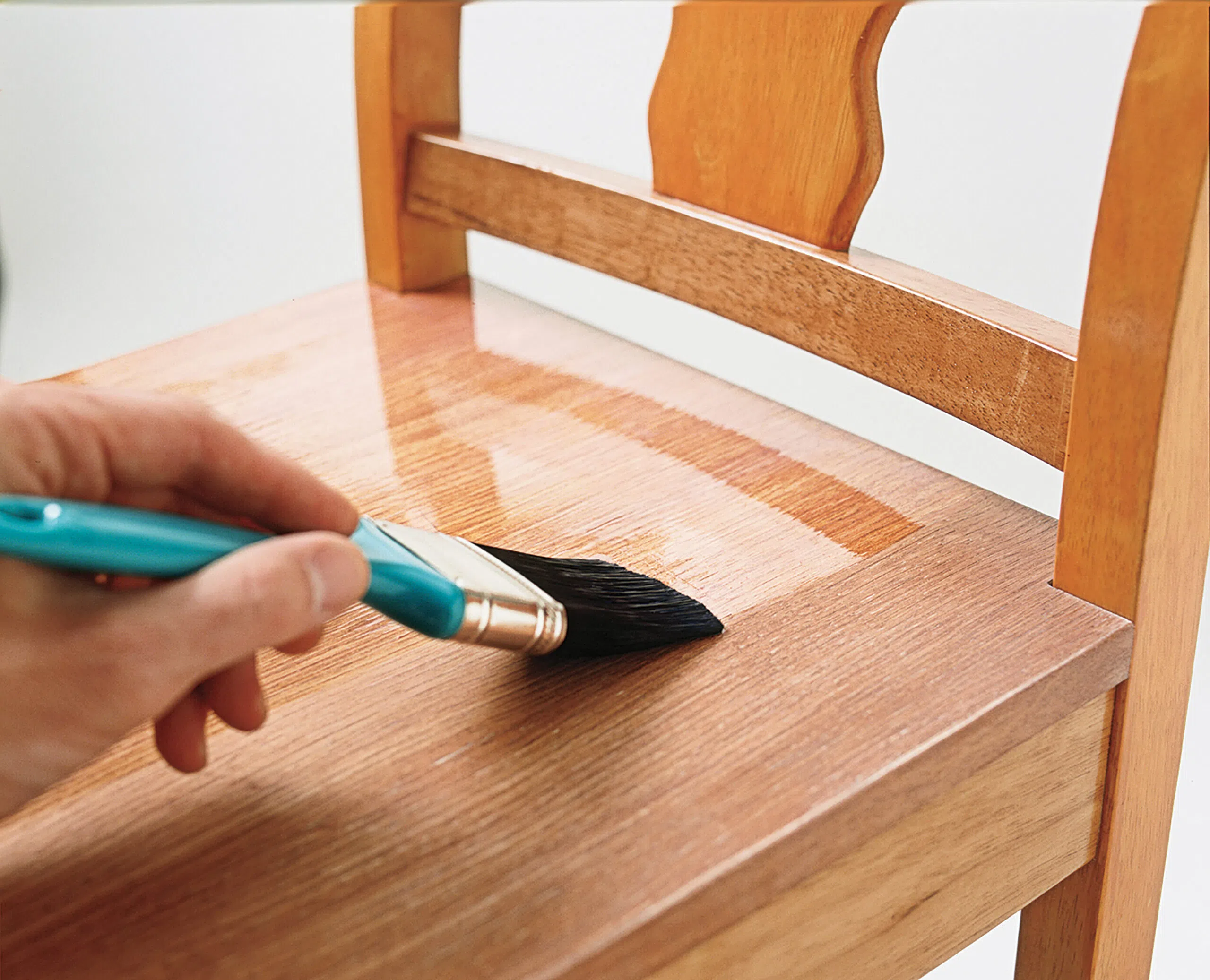
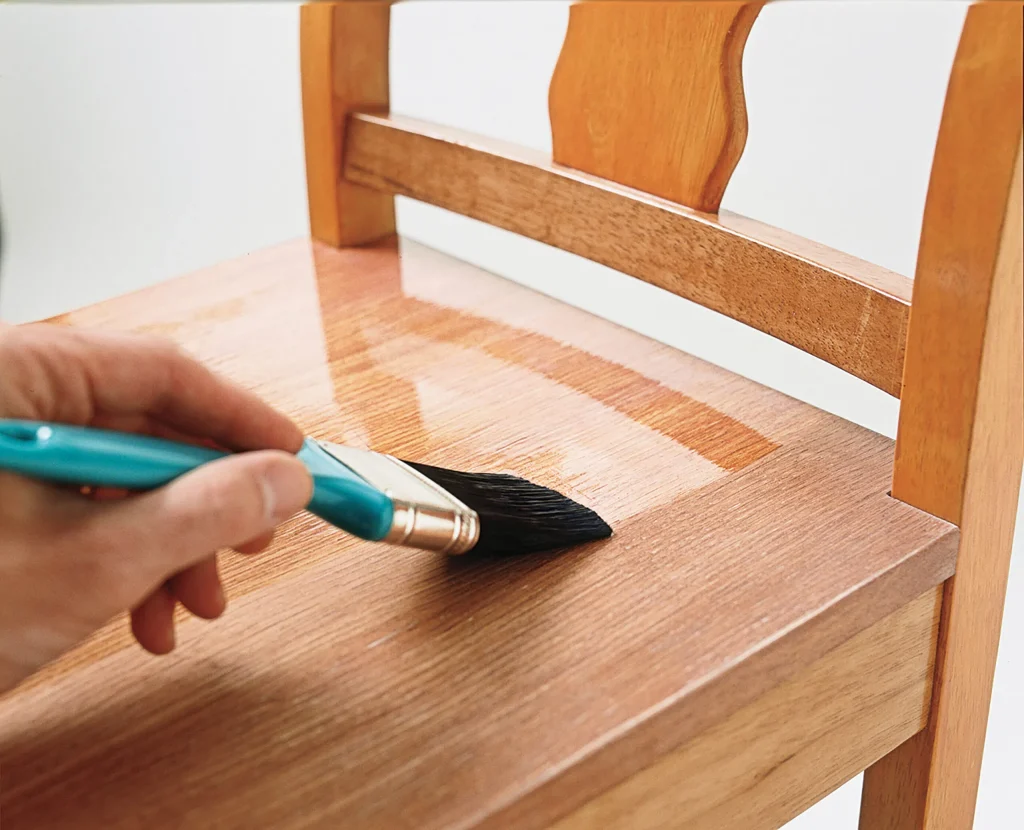
Polyurethane

Image Credit: thisoldhouse

Polyurethane is a versatile plastic polymer that has a wide range of applications. It is used to make synthetic kitchen sponges, and it is also found in shoes, upholstery and plastic straps. And of course, it’s commonly used as a varnish to finish wooden furniture and floors.

Polyurethane comes in two main types – oil-based and water-based. When it is applied to a surface, it then dries as the water or oil content evaporates off.

Following this, it then cures – this means the surface hardens as the polyurethane reacts with the oxygen in the air.

Once dried and cured, it provides a tough and durable protective surface to the wood it covers.

Lacquer

lacquer Image Credit: homequestionsanswered

Lacquer is also a popular finish that is applied to wood surfaces to provide an aesthetically pleasing finish while also protecting the wood.

Lacquer techniques have been in use for millennia, with the first known example dating back to Neolithic China from around 5000–4500 BCE.

Traditionally, lacquers have been made from tree sap or the resin secreted by certain beetles, but nowadays, synthetic lacquers are far more common.

Like polyurethane, lacquer also exists as both oil-based and water-based versions.

Lacquer is known to produce particularly attractive finishes and can also help protect the wood surface it covers. However, it can be brittle compared to polyurethane and may also chip or peel off if not applied correctly.

Why you wouldn’t usually want to use polyurethane over lacquer

Image Credit: woodrated

Polyurethane and lacquer are both considered “varnishes” or “finishes”, which means they are intended to be the top coat that’s applied to wood to protect it from water, mold, wood-eating insects and other general wear and tear.

This means that using them together is usually unnecessary – since lacquer is used to protect the wood, it would seem a strange idea to then add another layer of polyurethane over the top.

This is because it would essentially mean you are adding a second protective layer to protect the first protective layer.

Furthermore, by adding polyurethane over the top of lacquer, you would diminish the aesthetic appeal of the lacquer, which is known to be particularly beautiful when used well.

What all this means is that in normal circumstances, although you can use polyurethane over lacquer, it doesn’t necessarily mean you should.

Most of the time, adding two protective layers is just overkill, and it would also make the finished piece less attractive.

Some possible reasons why you still might want to Put Polyurethane Over Lacquer?

some-possible-reasons-why-you-still-might-want-to-put-polyurethane-over-lacquer Image Credit: woodfinishingadvice

Having said all this about why it’s normally not necessary or advisable to use polyurethane over lacquer, there are still some situations where you might consider this option, and here are some examples:

1. If the item is for outdoor use

Lacquer is a great option for items that are destined for indoor use, but if you are giving a finish to something that will spend most of its life outdoors, lacquer might not stand up to the kind of wear and tear the item is likely to see.

However, you might still prefer the lacquer-style finish, and in this case, you can achieve something similar by first giving the item a lacquer finish and then protecting it with a few coats of polyurethane.

2. If you need the item to be extra-durable

Similarly, if you want to give an object a lacquer finish but know the object is going to see a lot of use, a good compromise might be to give it a lacquer finish first and then protect this with an outer layer of polyurethane.

3. To protect the surface against oils or acids

Polyurethane is more resistant than lacquer to acids and oils – especially if you choose an oil-based version. For this reason, if you want a lacquer finish but want to protect it against acids and oils, a polyurethane outer layer might be worth trying.

4. If you prefer a low-luster finish

Finally, if you want a lacquer finish with less luster, covering it with a layer or two of polyurethane might help you achieve this effect.

However, there are other ways to achieve something similar, so using polyurethane over lacquer might not be the most efficient way to create this look.

How to Put Polyurethane Over Lacquer?

Image Credit: elitehardwares

For anyone who’s decided that polyurethane over lacquer is something worth trying, now let’s look at how to go about doing it.

Step 1. Lightly sand the surface of the wood before beginning

The secret to success when applying lacquer or polyurethane is to always sand the previous layer before applying the next, and the same applies to the bare wood when you start.

However, you don’t want to scratch the surface – you just want to slightly roughen it to give the first lacquer coat something to bind to.

This means you only need to use fine grit sandpaper – something like 220-grit or 320-grit would be ideal.

Step 2. Apply the first lacquer coat

Next, apply the first lacquer coat and leave it to dry. Once it’s dry, you can consider adding extra coats.

Step 3. Add more lacquer coats

If you want to add more coats of lacquer, you can, and at least a few coats are recommended – you just need to remember to sand each layer lightly as explained above before applying each new coat to give the new coat something to adhere to.

Step 4. Add the polyurethane coats in the same way

Next, add as many coats of polyurethane as you think you need, remembering to sand each layer lightly before adding the next.

Polyurethane takes longer to dry than lacquer, so make sure you give it enough time. Generally speaking, water-based polyurethane will be ready after about six hours, but oil-based polyurethane needs at least 24 hours before it will be ready for the next coat.

Tips for Putting Polyurethane Over Lacquer

tips-for-putting-polyurethane-over-lacquer Image Credit: garagesee

To finish, here are a few tips that will help you make a success of your project.

Consider skipping the polyurethane

Before opting for a polyurethane covering over lacquer, think about whether this is really something you want to do.

Modern lacquers are very hard and durable, and usually, they won’t need additional protection provided by an outer layer of polyurethane.

In addition, when lacquer is scratched or damaged, it can only be repaired by adding another layer of lacquer – but if you have covered it in a layer of polyurethane, you won’t be able to do this.

Remember, lacquer is designed to be a protective outer layer in itself, and most people would advise against using polyurethane over lacquer for the reasons we outlined above.

More than this, it requires a lot of extra time and effort for something that won’t necessarily produce great results.

Always sand between every layer

When applying either lacquer or polyurethane, you always need to give each layer a light sanding before applying the next coat – and the same is true when you are applying these two finishes one over the other.

Use the same type of lacquer and polyurethane

One important thing to remember if you’re going to make your lacquer and polyurethane work is that you must use the same type of polyurethane as you do lacquer.

This means if you use a water-based lacquer, you need to use a water-based polyurethane, and if you use an oil-based lacquer, you need to use an oil-based polyurethane – you can’t use one of one and one of the other because they won’t bind together correctly.

Think carefully about how many coats of each to apply

When applying lacquer and polyurethane, you also need to think about how many coats of each you need to apply.

When it comes to lacquer, you’ll usually need to apply at least three coats – although, for something that will see more use, you’ll need to use more.

As far as the polyurethane is concerned, at least two coats are required – but it can’t hurt to add one more if you want some extra protection.

Polyurethane over lacquer can be made to work

As we’ve seen, the technique of adding polyurethane over lacquer is not necessarily a great idea since lacquer looks great and does a good job of protecting wood on its own without any help.

However, if you decide to go ahead and try using polyurethane over lacquer, it can be made to work, and in theory, it should provide an extra level of protection to the lacquer layer beneath it.

Blog

1/2 vs 3/4 inch Plywood for Cabinets: Which Thickness is Best?

If you’re a keen DIY woodworker – or maybe even a pro – you might be wondering about which type of plywood would be the best option for building cabinets since different thicknesses of plywood have their associated advantages and disadvantages.

So to help you understand the difference between using a thicker or thinner type of plywood, in this post, we look at the question of ½” vs ¾” plywood for cabinets along with some of the other considerations to bear in mind while planning your build.

What is plywood?

what-is-plywood

Before we talk about which thickness of plywood to use for making cabinets, let’s take a step back and remind ourselves what plywood is to give ourselves a better understanding of the material we’re dealing with.

Plywood is a composite material that’s made by taking thin sheets of wood and gluing them together. Each layer is referred to as a “ply”, hence the name, and with each layer, the grain of the wood is rotated to increase the overall strength.

Using plywood for things like cabinets is much cheaper than using natural wood, and it’s also more environmentally friendly since it’s more sustainable. It’s usually made from a variety of softwoods, but hardwood versions also exist for certain applications.

In the hardware store, you’ll find plywood being sold by thickness. Most people use either ¾” plywood or ½” plywood, but other thickness also exists, such as ¼” plywood – which can be used for certain parts of cabinet builds too, as we will see later in this post.

But why is the thickness of the plywood you choose to build your cabinet important? Let’s look at this now.

Why is plywood thickness important?

why-is-plywood-thickness-important

When building a cabinet, there are several factors that need to be considered – like what the cabinet is for, how big it is and how much weight it needs to be able to carry.

This means the choice of material for one cabinet might not be the right choice for another – and the thickness of the plywood you use is a key variable for several reasons. Here are some of the things you need to think about when choosing.

One of the most important advantages ¾” plywood has over ½” plywood is that is stronger and more durable. The extra quarter of an inch means a cabinet made of ¾” plywood is likely to last longer, and this would be the best option for a cabinet that is likely to see a lot of use.

If the weight-bearing sections of a cabinet are constructed using ¾” plywood, this will give the cabinet more weight-bearing capacity.

When considering this aspect, it’s also important to consider whether a particular cabinet is going to be vertical (that is, narrower and taller) or horizontal (meaning a wider and shorter cabinet).

This is because the shape of the cabinet will affect its weight-bearing capacity, which may also determine which type of plywood is best suited for making it.

A cabinet constructed of ¾” plywood will weigh more than a cabinet that’s made of ½” plywood, so if you need a lighter cabinet, ½” plywood gives you an advantage.

¾” plywood costs more than ½” plywood per sheet, so if you need to save money, choosing ½” plywood may allow you to save a few dollars – or depending on the size of your project, maybe even more.

If you want to use European-style hinges, ¾” plywood is better suited since there is more wood to attach them to.

At the same time, ¾” plywood is more forgiving for less experienced woodworkers since if you slightly misplace a screw or a nail, the extra thickness of the wood means the screw or nail is less likely to stick out from the side of the wood.

What’s the consensus thinking on 1/2 vs 3/4 inch Plywood for Cabinets?

whats-the-consensus-thinking-on-12-vs-34-inch-plywood-for-cabinets

So having looked at how the thickness of the plywood can affect the design and performance of a cabinet, now let’s look at which the best option is.

Generally speaking, most woodworkers would choose ¾” plywood over ½” plywood for many of the reasons mentioned above.

Choosing ¾” plywood will give you a sturdier, more robust cabinet that is likely to last longer, and it will also be able to carry more weight.

Of course, if you need your cabinet to be light, using ½” plywood to make it could be an option, but in most cases, the weight carrying capacity of a cabinet is usually more important than how much it weighs.

There is an argument that you can save money by using ½” plywood, at least for some parts of the cabinet, but for small-scale projects, the difference would be negligible.

For example, if the cabinet you were making only needed the amount of wood that could be taken from one 4’x8’ sheet of plywood, you would save very little money by choosing ½” over ¾” plywood, so you might as well opt for the thicker stronger version.

However, if you were working on a larger project – either making a bigger cabinet or working on multiple cabinets – you could consider buying some ½” plywood and some ¾” plywood and combining them to save money.

So for these reasons, if you prefer to follow the crowd, most people would suggest that ¾” plywood is usually the better choice.

Are there any dissenting views on 1/2 vs 3/4 inch Plywood for Cabinets?

are-there-any-dissenting-views-on-12-vs-34-inch-plywood-for-cabinets

Having said all this, there are still those who would suggest that using ½” plywood to build cabinets is a good idea.

If you don’t need a particularly robust cabinet, using ½” plywood can work well. This is especially true of vertical cabinets as opposed to more horizontal ones since it is easier for vertical cabinets to hold more weight.

It’s true that you can save a few dollars by building a cabinet entirely from ½” plywood, and if you need to make it stronger, you can do things like adding braces.

As a result, you shouldn’t dismiss using ½” plywood out of hand but rather should consider your project carefully and think about whether ½” plywood might be sufficient.

About grades

Plywood is sold in sheets measuring 4’x8’, but it is also sold in various grades according to the quality of the two faces.

The front is graded from A to D, with A being the highest quality, and the back is graded from 1 to 4, with 1 representing the highest quality.

This means that when choosing your plywood, as well as thinking about the thickness, you should also think about which part of the cabinet you are going to use it for.

Usually, the doors of cabinets are made of natural wood rather than plywood, but for the sides, you will want a high-grade plywood surface because it will be visible once the cabinet is complete.

Similarly, for the inside, you might also want a high-grade surface – although maybe not top grade – while for the section that will be placed against the wall, the lowest grade of plywood would be suitable.

1/2 vs 3/4 inch Plywood for Cabinets – what’s the best option?

As we’ve seen, the consensus is that ¾” is best but that ½” can work well too.

Perhaps the best option of all is to mix and match according to your needs.

This means for the parts of the cabinet that need to be sturdiest, you should opt for ¾” plywood. This would include things like the base and the shelves.

However, for other parts, such as the sides as well as the sides and backs of drawers, ½” plywood could be just as good.

For some parts, such as the bottoms of drawers or the back of the cabinet, you could even use ¼” plywood since very thin wood is all you would need for those parts.

At the same time, you also need to think about which parts will be visible and which parts won’t and then choose the grade accordingly.

However, being able to work like this would depend largely on the volumes of plywood you buy and use and what you use it for.

If you are only building one small cabinet, the most sensible thing would be to build the whole thing from ¾” plywood since the amount you would save by buying one sheet of ½” plywood instead would be very small.

However, if you buy lots of plywood for lots of different projects, it might be a more feasible solution to mix and match as we suggest.

A mix of thicknesses is best

As we’ve seen, although many people would suggest that simply opting for ¾” plywood is the best option for building cabinets due to the extra durability and other advantages it gives you, the answer is not quite as simple as just that.

It can be possible to construct cabinets from ½” plywood, and they can be perfectly strong and durable too, depending on their shape, size and intended use.

However, probably the best option is to use a mix of different thicknesses and grades depending on which part of the cabinet the plywood is being used for.

Blog

How Long Does It Take for Polyurethane to Dry? (Oil-based vs water-based)

Polyurethane is a popular finish for wood furniture and wood floors, and it can help protect the surface of the wood while also giving it an attractive sheen – but it takes some time to apply properly, so this is something you’ll need to consider before using it.

To help you understand the process and the kinds of timescales that are involved – and to give you some advice about which type to choose and how to use it – in this post, we answer the question, how long does it take for polyurethane to dry?

What is polyurethane?

what-is-polyurethane

Before we talk about how long polyurethane takes to dry, let’s take a step back and think about what polyurethane is to help us understand what we’re talking about.

Polyurethane is a type of polymer that was first invented in the 1930s and has since been used for a wide range of applications.

For example, many synthetic kitchen sponges are made of polyurethane. It is also found in upholstery and shoes, and it can be used to make plastic straps or bands.

And as mentioned in the introduction, it is commonly used as a protective varnish for wood, both in floors and in furniture.

When used as a finish, it comes in two main forms, oil-based and water-based.

This means that the polyurethane is mixed with either water or oil for application, and after it is applied, the oil or water evaporates, leaving a protective layer of polyurethane on the surface.

Drying vs curing

drying-vs-curing

Now that we understand what polyurethane is, we also need to say a few words about the difference between drying and curing – because they are both vital steps in the application of polyurethane.

After a layer of polyurethane is applied, it will dry relatively quickly. Exactly how long it takes can depend on many factors, something we’ll come to just a moment, but once it is dry, it will no longer feel sticky and will be dry to the touch.

At this point, you can apply another coat of polyurethane if you are working with a piece of furniture, and if you are using it for a floor, it should be safe to walk on it in socks.

However, just because it is dry, it doesn’t mean it’s cured – because to fully cure, it takes a whole lot longer.

The curing process involves the molecules of the polyurethane binding with oxygen from the air. Once this is complete, the layer becomes much harder and more resistant than polyurethane that is just “dry”.

What this all means is that as well as knowing how long it takes for polyurethane to dry, it’s also just as important to know how long it takes to cure – because when curing is complete, it means the whole process of application is finished.

Oil-based vs water-based polyurethane

Although many factors affect how long it takes for polyurethane to dry, one of the most important is whether the polyurethane you’re using is oil-based or water-based – so let’s say a few words about this now.

1. Water-based polyurethane

Image Credit: thespruce

Since polyurethane dries through the oil or water evaporating off once it’s been applied, water-based polyurethane dries more quickly since the water evaporates off faster and more easily than oil.

It is also practically odorless when compared with oil-based polyurethane, so you won’t need to worry so much about ventilation while you’re applying it.

Once it’s dried and cured, it’s easy to wash with water, and unlike oil-based polyurethane, it doesn’t change color or turn yellow with age.

However, on the downside, it tends to be less durable, so it isn’t a great choice for areas that see lots of foot traffic.

Pros

  • Dries more quickly
  • Odorless
  • Easy to wash
  • Doesn’t yellow with age

Cons

  • Not as durable as oil-based polyurethane

2. Oil-based polyurethane

Image Credit: familyhandyman

Oil-based polyurethane, on the other hand, takes longer to dry after application, so you’ll need to wait longer before you can apply more coats or walk on it. It also has a strong odor, so you’ll have to ensure the area is well-ventilated while you’re applying it.

However, once dry, it is more resistant to everything from heat to water and solvents, and it will also stand up better to heavy foot traffic, so it’s a good choice for wood floors in rooms that see a lot of use.

Unfortunately, another negative to mention is that oil-based polyurethane tends to turn yellow as it ages, so you may need to replace it if you want your floor to remain in perfect condition.

Pros

  • More durable than water-based polyurethane
  • Easy to clean

Cons

  • Takes longer to dry
  • Strong odor so needs proper ventilation during application
  • Turns yellow with age

Factors that can affect how long polyurethane takes to dry

factors-that-can-affect-how-long-polyurethane-takes-to-dry Image Credit: bobvila

So having talked about what polyurethane is and the different types that exist, now we can say a few words about the other factors that can affect how long it takes for it to dry.

Other than whether polyurethane is oil-based or water-based, here are some of the most important.

Certain types of wood cause polyurethane to dry more slowly than others. For example, polyurethane on woods like cedar takes longer to dry because the oils in the wood don’t absorb the polyurethane as well.

The surface of the wood can also affect how long polyurethane takes to dry. If you apply polyurethane to a live edge or to raw or sanded wood, it will dry more quickly since the wood absorbs some of the polyurethane.

Polyurethane dries more quickly in warmer temperatures than in cold temperatures because the oil or water content evaporates faster. Generally speaking, temperatures above 70°F will cause the polyurethane to dry more quickly.

On the other hand, higher humidity causes polyurethane to dry more slowly for the opposite reason – in more humid conditions, the oil or water in the polyurethane will evaporate more slowly due to the water content in the air.

If the humidity is significantly above 50%, the polyurethane will dry more slowly – but if humidity is significantly below this level, it will dry more quickly.

If the area is well-ventilated with a gentle breeze blowing through, this will cause the polyurethane to dry more quickly since it helps encourage evaporation.

If the surface of the wood is not clean, it will increase the drying time – and will also produce imperfections in the varnish once it’s dry.

So How Long Does It Take for Polyurethane to Dry?

So now we’ve talked about all the various factors that can affect drying and curing times, we can get to the main point of this post and think about how long it takes for polyurethane to dry – as well as how long it takes to cure.

How Long Does It Take for Water-based Polyurethane to Dry

how-long-does-it-take-for-water-based-polyurethane-to-dry Image Credit: artisanwoodfloorsllc

As a rule, water-based polyurethane will be dry after about six hours. This means you can walk on it in socks or apply the next coat.

However, you’re better off waiting a further 24 hours before you walk on it wearing shoes.

After another day – 48 hours after applying the last coat – you can move furniture back onto it, but you shouldn’t place rugs or anything similar on it for at least the first two weeks because this will interfere with the curing process.

Finally, the surface will be fully cured after 30 days.

How Long Does It Take for Oil-based polyurethane to Dry?

Image Credit: gizmoplans

If you’re using oil-based polyurethane, you’ll need to wait at least 24 hours before you can walk on it in socks – and you can walk on it in shoes 48 hours after applying the last coat.

Following this, you can move furniture onto it after four days – and rugs can be placed on it after two weeks.

The surface will then be fully cured after 30 days, just like with water-based polyurethane.

Tips

To finish, here are a couple of tips for speeding the process up if you’re short on time.

Use a fast-drying formula if you’re in a hurry

If you’re in a hurry, you can choose a fast-drying formula. These are types of polyurethane that are designed to dry faster than regular formulas. Ask in your local hardware or DIY store when buying it and check the packaging for drying times.

You can speed things up by using a dehumidifier or an A/C unit

Since lower humidity can help with drying times, using an A/C unit or a dehumidifier can also help by reducing the humidity in the air. However, make sure you don’t set the A/C too high – or the lower temperatures will make the polyurethane dry more slowly.

Not an instant solution

As we’ve seen, although water-based polyurethane can be considered dry enough to walk on after just a few hours and oil-based polyurethane takes about a day, the process of fully drying and curing can take quite a bit longer.

This means you need to choose the polyurethane you use for the job carefully – and then you need to plan ahead to make sure you’ll be able to leave the polyurethane to dry and cure correctly to achieve the most perfect results.

Blog

Why Does America Build Wooden Houses?

The most common house building material in America is wood. Over 90% of American homes are constructed primarily using wooden frames and other wood products for the floors, walls, roofs and interior elements. This differs greatly from many other parts of the world that more commonly utilize brick, concrete, stone and steel for home construction.

There are several major historical, economic, practical and cultural reasons why wood became the predominant building material for houses across the United States:

Abundant Wood Resources

The early United States was blessed with vast, dense forests that provided an abundant, high quality source of lumber for the first American settlers. It has been estimated that over 50% of the land area that would become the United States was covered in forests when Europeans first arrived.

Unlike Europe and large parts of Asia that had largely depleted their native forests by the 18th and 19th centuries after centuries of logging, charcoal production and shipbuilding, America still had huge woodland areas that remained heavily wooded.

The heavily forested Northeast and Midwest were especially rich in tall, straight, high quality trees like pine, fir, spruce and oak that were ideal for milling into lumber for construction. This gave American builders easy access to a local, renewable building material. Constructing with plentiful wood was faster, easier and most importantly cheaper than having to quarry, transport and shape heavy masonry materials like stone or brick.

Lack of Good Alternative Building Materials

The early United States did not have the same tradition of quarrying and shaping stone for building found in Europe. There were far fewer granite, limestone, marble and quality sandstone deposits that produced the building stones commonly used in Britain, France, Germany and elsewhere in Europe.

American also historically lacked significant high quality clay deposits needed for firing structural brick in quantity. Some exceptions like Baltimore had access to good brick clay. But many areas had no local brick production. Even basic cement for concrete was not manufactured in the States until the 1820s.

This lack of abundant, quality alternative building materials forced most American builders to rely almost exclusively on what was available in copious amounts all around them – trees for wood. Even as brick kilns and masonry production centers developed later on, wood construction techniques had already become standardized across the country.

Adaptability of Wood Construction Methods

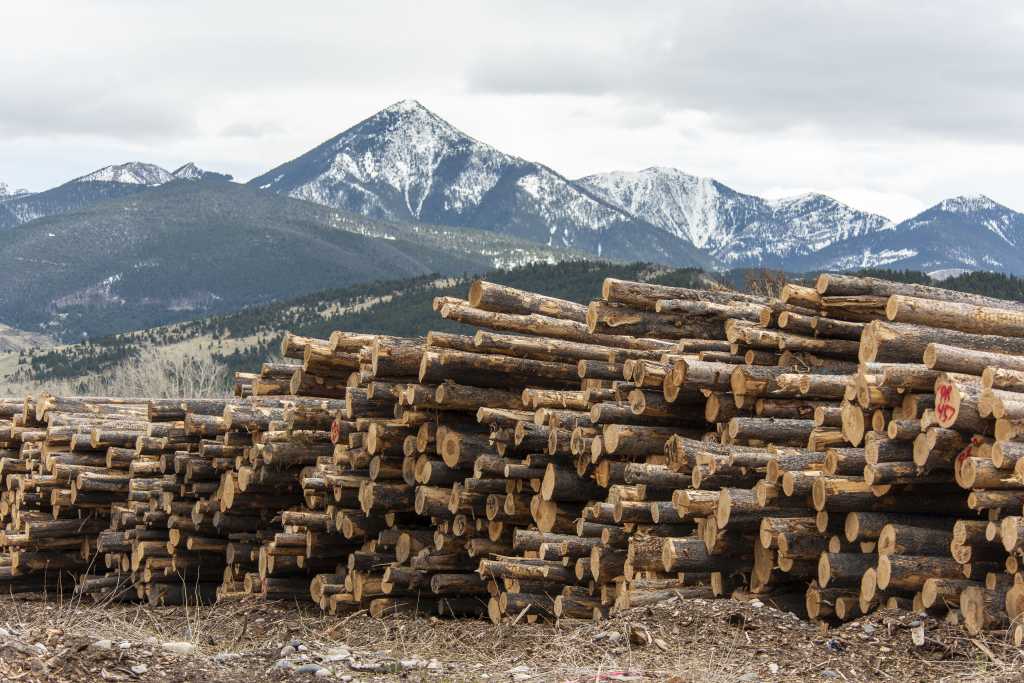
processing-mill-in-montana-runs-at-full-capacity-as-lumber-prices-soar

The relative lightness yet high strength of wood compared to masonry gave wood-frame building methods several advantages that led to its adaptation as the dominant construction system. The ability to pre-cut and assemble major structural elements like wall panels and trusses using nails rather than heavy mortared joints allowed for greater standardization and much faster building.

The balloon framing technique developed in Chicago in the 1830s revolutionalized building with wood. It used efficient modular construction with pre-cut wooden wall studs, joists, rafters and sheathing that could be quickly nailed together on site row by row to erect whole houses. This along with platform framing became prevalent ways of constructing multi-story wood-frame houses and commercial buildings across America’s growing cities and towns.

Wood’s relative ease of working on site allowed builders great flexibility to experiment and innovate with different architectural styles and floor plans more difficult to achieve with masonry or concrete construction. Wood framing’s simplicity and speed allowed it to fully capitalize on the economies of scale possible with standardized dimensional lumber mass production that developed over the 19th century.

Expanding Frontier and Mobile Population

As the American population steadily expanded westward over the 19th century, having housing construction methods that were portable, flexible and quick became a necessity to keep pace with growth. The relative ease of using local wood that was available in abundance nearly everywhere to build houses made perfect sense for what was often still a frequently moving populace pushing the frontier further westward.

More permanent masonry house construction methods common in older settled areas of Europe and colonial America did not align well with the needs of more temporary shelter and rapid development required in the new settlements springing up on the western frontier. Even as populations settled more permanently in frontier regions like the Midwest and Pacific Coast, wood stick construction remained the dominant status quo method. Sawmills were erected near growing settlements to provide steady local supplies of dimensional lumber.

Climatic Challenges of Masonry Construction

The wide climatic variations found across the many regions of the United States posed additional problems for more traditional masonry construction methods. In northern cold weather regions, wood withstood freeze-thaw cycles and wide temperature swings far better than masonry. The flexibility of wood construction did not result in the same cracked, crumbling walls seen more with brick and stone.

Wood-framed buildings can also flex and breathe with the seasons, which is a major advantage in extreme cold. In southern hot and humid regions, massive masonry walls tend to retain heat and moisture more than lighter wood-framed wall systems that allowed for better airflow and ventilation through spaces like attics. Overall, wood construction proved more adaptable across America’s diverse and often extreme climates compared to masonry.

Development and Refinement of Balloon Framing

The continual development and refinement of advanced wood framing techniques such as balloon framing in the mid 19th century made wood-based building even faster, easier and cheaper. The milling of standardized dimensional lumber and factory production of wire nails enabled framers to quickly erect buildings using modular pre-cut 2x4s and 2x6s for wall studs, floor joists, rafters and sheathing.

These framing advances eliminated the need for intensive labor cutting joints and fitting structural timbers on site. The resultant skeleton framing also reduced material use compared with traditional timber framing methods. The lightness and spaced studding possible with balloon framing allowed the creation of much larger and open floor plans than possible with dense, heavy masonry load-bearing wall systems.

Overall, wood framing became an increasingly industrialized, optimized construction system based on interchangeable parts. This sped the construction of everything from houses to commercial buildings to factories.

Tradition and Familiarity with Wood Building

Even as alternative building materials like steel, superior manufactured brick and concrete block became more available and cost-effective by the early 20th century, wood-frame building remained by far the dominant construction method. The techniques, tools, trade skills and best practices using dimensional lumber and plywood were deeply ingrained in several generations of American builders by this point.

Home buyers were also most familiar and comfortable with the wood-frame houses which had a proven track record. Light wood framing allowed for flexibility in home plan designs and sizes. Wood lightness and resilience was also thought to provide better resistance to earthquakes and high winds compared to more brittle masonry construction. So tradition and familiarity helped wood maintain market dominance.

Cost Efficiency

The established wood product supply chains, construction techniques, trade skills and overall industry maturity gave wood stick-framed houses a consistent cost advantage in most American housing markets, which still holds true today. The distributed nature and competition within the wood products industry helped keep material costs relatively affordable and stable. Wood’s lightness also made it cheaper to transport lumber than heavier masonry.

In addition, the speed of framing assembly along with wood’s lower labor requirements reduced overall construction schedules by weeks or months compared to other methods, lowering costs. Builders naturally gravitated toward the building materials and methods that provided the most cost-efficient path to completion. For most residential and small commercial buildings, wood stick framing provided that lowest cost option.

In summary, abundant local wood supplies, lack of abundant quality local alternatives, wood’s construction adaptability, an expanding and frequently mobile population, the diversity of American climates, refinements like balloon framing, tradition and familiarity, along with consistent cost savings for builders and buyers all contributed heavily to wood becoming the dominant building material for American houses as well as most low-rise structures.

Frequently Asked Questions

Why have American homes historically used wood framing?

Wood framing developed very early in American building history, primarily because there were abundant local forests that supplied quality lumber across the country. But masonry materials like high grade bricks were in short supply. Wood was also quicker and easier to work for builders, especially as balloon framing improved the process. This allowed fast, affordable construction.

What are the advantages of building houses with wood?

Wood is a renewable and workable material that’s available locally in most areas. Wood framing allows for more open floorplans, lower construction costs, and design flexibility compared to masonry. It also handles extreme weather conditions well. Homeowners appreciate wood’s familiarity, aesthetics and resilience.

Are wood structure homes more prone to fires and other risks?

Properly engineered, constructed and maintained wood homes are normally quite safe and meet building code standards. Wood can perform very well in seismic zones when proper structural bracing is used. Fire risks are minimized through design elements like fire-rated wall assemblies, automatic sprinklers and fire-resistant exterior finishes.

Why have many countries traditionally used masonry instead of wood construction?

Places like Europe and Asia historically lacked the same abundant native forests available in North America. Masonry construction has much older regional traditions there. Population densities in urban areas also favored sturdier masonry building methods. America’s sprawling suburban development patterns make wood’s structural lightness more practical and affordable.

What are some of the downsides or weaknesses of wood framing?

Wood is flammable so fire is always a concern if building codes and best practices aren’t followed. Rot, insects and moisture can damage wood if not properly maintained. Logging for lumber can deplete forests when not sustainably managed. But responsibly managed forests, fire-retardant treatments and improved water-resistance are helping address these issues.

Blog

What Are Wooden Shoes Called? (Unique History)

Wooden shoes, also known as clogs, are a type of footwear made primarily from wood. They have been worn in various cultures worldwide for centuries and are associated with traditional costumes in areas such as the Netherlands, Spain, and Sweden. But what exactly are wooden shoes called? Here is a deep dive into the many names and terminology associated with this unique type of footwear.

The Many Names for Wooden Shoes

Wooden shoes go by many different names, depending on the country and language. Some of the most common terms include clogs as the most widely used English name for wooden shoes. This term can refer to both traditional wooden shoes and more modern, industrial styles. Sabots is the French word for wooden shoes, common in areas of France and French-speaking countries. Klompen is the Dutch name for wooden shoes, used especially to describe traditional Dutch clogs. Trumaskor is the Swedish name for clogs, referring to the traditional wooden shoes of Sweden. Zoccos is the name used for wooden shoes traditionally worn in Northern Spain, while Galochas is the Spanish name for wooden shoes worn in other parts of Spain. Pattens is sometimes used in English to refer to wooden soles or overshoes worn to elevate the foot above mud or dirt.

In summary, while “clogs” is the most common all-encompassing English term, traditional wooden shoes go by many names worldwide tied to regional heritage and language.

Key Features and Styles of Wooden Shoes

key-features-and-styles-of-wooden-shoes

Beyond naming conventions, it’s also helpful to understand the key features that characterize different wooden shoe styles and designs. Traditional wooden clogs are made from a solid piece of wood for the sole/base and often have an upper part made of leather. Styles with full wooden upper are also common. They have outer soles angled slightly upward from heel to toe and commonly have decorative carvings and painted motifs.

Industrial wooden clogs are made with wood sole but have heavy metal reinforcements used as protective work shoes, especially before modern safety shoes. They often have perforations for ventilation and less decoration compared to traditional styles.

Wooden soles/pattens are not fully enclosed shoes, mainly just wooden soles worn over normal shoes to elevate the foot and provide protection from mud/dirt. They attach to shoes with leather straps or rings.

Wooden sandals are sandal-like wooden shoes with toe post between first two toes secured to foot with straps over tops of feet. They allow more air circulation compared to enclosed clogs.

Platform wooden clogs are a fashion-forward modern style with very thick wooden sole to add height. They have a more stylized leather upper with ankle strap popularized by Swedish Hasbeens and other brands.

By understanding the design nuances and styles associated with wooden shoes, it becomes easier to identify the characteristics that define this traditional type of footwear in its many cultural incarnations.

The Origins and History of Wooden Shoes

the-origins-and-history-of-wooden-shoes

Wooden shoes have a very long and storied history spanning many centuries. The earliest known wooden shoes date back to the 12th century BCE in Northern Europe, when wood was plentiful and cheaper than leather. Wooden sole pattens became popular throughout the Roman Empire as a way to keep feet dry and elevated. In the Middle Ages, wooden shoes spread through peasant communities in Northern Europe for affordability and availability of materials. By the 1600s, sabots became widely worn by French peasants and farmers, becoming a symbol of poverty and the working class. During the Industrial Revolution, clogs became daily work shoes in factories due to their affordability and suitability for wet conditions. In the 19th Century, traditional hand-carved wooden shoes were a core part of regional costumes in the Netherlands, Scandinavia and Spain. By the 20th Century, wooden shoes began a decline as modern footwear became more widely available, but remained in use for specialized work applications.

In summary, wooden clogs have hundreds of years of history spanning work wear, cultural identity, and stylistic status. Their origins are rooted in affordability, availability, and functionality – properties that continued to define their place in society through modern times.

Traditional Production and Hand Crafting of Wooden Clogs

For many centuries, wooden clogs were individually hand-carved by skilled craftspeople using traditional production methods. Willow and alder were preferred materials in Europe for their softness, though lighter woods like pine could also be used. Wood was harvested from forests and sawmills provided pre-cut blocks. The wood needed to be partially dried and seasoned before carving.

The basic sole shape was carved from a single block of wood using chisels, axes, and knives. The sole was carved with the upper part of the tip angled slightly upward and a hollow for the foot carved into the sole. Grooves were added for attaching leather upper parts. Intricate designs and motifs were then carved on the outer sides and top edges in regional styles – geometric patterns in Holland and leaves and flowers in Sweden. Paint or colored varnish was applied to highlight the carved designs.

Leather uppers were shaped and nailed to the wooden sole, with linen strips helping bind the leather to the wood. Complete shoes were polished using wax or varnish. The shoes were usually mass produced in whole sizes and ready for fittings, with custom shaping done during fitting to accommodate the uniqueness of each foot. This hand production process imbued traditional wooden shoes with distinctive regional styles and personalized fits suited to the wearer.

Traditional Regional Wooden Shoe Styles

Wooden shoe styles, decoration, and production varied greatly by country and region across Europe. Dutch clogs originated in the Middle Ages and became ubiquitous by the 1600s. They were carved from willow due to its water resistance and often had leather fronts over tops of feet. They featured rich decorative painted flowers and regional motifs and were worn as everyday shoes by all social classes. Swedish Träskor were simpler, coarser wooden shoes of pine or alder with braided leather or fabric uppers and painted leaves, flowers and geometric patterns. They were worn by farmers, fishers and the rural working class.

In Spain, Zoccos and Galochas were worn in northern regions and made from poplar or willow wood. They featured angled tips and lace-up leather uppers with painted or inlaid motifs and designs. They were associated with farmers and mountain dwellers. French Sabots were iconic as the shoes of peasant farmers and country workers. They were put together more roughly using cheaper softwoods with leather uppers over the instep and toes. They were known for producing a “clip-clop” sound when worn.

The unique culture and environment of each country produced distinctive wooden shoe styles still associated with traditional regional dress.

Later Evolution Into Industrial Work Clogs

Starting in the 1800s, the use of wooden shoes evolved from traditional peasant footwear into industrial work clogs. This new style adapted traditional wooden soles for factory conditions, originating in Northern England among textile workers in the 1840s. They were designed with metal toe caps and reinforcing nails/plates to improve durability, and ventilation holes were added to improve breathability in hot factories. Industrial clogs took over from traditional clogs as everyday work shoes in industrial towns as they were mass manufactured using machinery, losing the individual crafting of traditional clogs. They were used extensively in industries like mining, textiles, and manufacturing, even persisting after modern work boots were available due to familiarity. The industrial clog became closely associated with factory work conditions and blue collar labor activism.

The industrial clog emerged as an evolution of the traditional wooden shoe made to suit modern factory work. Though lacking artisan detailing, it played an important role in working class life and labor culture.

The Decline and Niche Persistence of Wooden Shoes

As modern footwear became more widely available by the early 20th century, the use of wooden shoes began to decline in most parts of the world. However, they persisted in some niche contexts such as clog dancing, where carved soles with tapping plates became part of the emerging dance style. They continued to be used in messy work settings like food service and healthcare for their protective qualities. Individual craftspeople kept the tradition of hand carving wooden clogs alive for enthusiasts, even as mass production declined. In parts of Europe, wooden clogs remained part of traditional regional dress and cultural identity. They adapted to orthopedic footwear with custom supports and shaping for medical uses. Wooden clogs also persisted as gardening shoes that could get muddy and wet. Additionally, they were used in historical theater productions and cultural reenactments.

So while no longer everyday modern wear, wooden shoes lived on in certain niches where their unique properties still provided value, allowing them to remain associated with cultural traditions.

The Modern Revival and Fashion for Wooden Clogs

More recently, wooden clogs have seen a revival in popularity driven by both nostalgia and fashion. Interest in vintage workwear and dress has created demand for old industrial clogs for their vintage appeal. Chunky platform clogs emerged as a retro callback to 1970s style. Hand carved clogs with folk motifs appeal as artisanal footwear. Wood and natural materials resonate with eco-conscious consumers who value sustainability.

Swedish Hasbeens played a key role by repopularizing platform clogs beginning in the 1970s. The wide range of traditional options from floral painted Dutch clogs to solid Swedish work styles attracts collectors and enthusiasts. The cool retro vibe and artisanal appeal of wooden clogs has led to newfound popularity with consumers looking for authenticity and statement style.

How Wooden Clogs Are Made Today

While largely a niche product today, wooden clogs are still produced using both historic and modern techniques. Some fully hand carved clogs are still made using traditional tools and craft for those seeking that artisanal appeal. However, many soles are pre-cut by CNC machines for consistency in sizing. Power tools like sanders, grinders and rotary tools help speed up decorative processes. There is also some partial machine production, with components like leather uppers being machine produced for efficiency while the soles remain handmade.

Sustainable wood sourcing and forestry practices ensure providers can access responsibly harvested materials. There is still an emphasis on custom final adjustments to fit the wearer’s feet properly. Production remains small and specialized rather than mass scale. While processes are partially modernized, many producers focus on hand finishing like painting, sealing, and polishing to deliver quality. This mix of traditional skill, modern process, and sustainable material supplies allows wooden shoe producers to maintain quality and responsible practices.

Key Brands Producing Wooden Clogs Today

There are a number of companies today keeping wooden clog production alive through small batch manufacturing. Some notable brands include:

Swedish Hasbeens, famous for 1970s revival of wooden platform clogs known for bold colors and chunky silhouette. Birkenstock, producing contoured wooden soled clogs with suede upper based on their original cork designs. Draxtor from Spain, creating handmade wooden clogs with traditional Catalan styling and motifs. Mozo Shoes based in Colorado, producing wooden soled clogs designed for food service and hospitality work. DeBoos specializing in recreations of intricately decorated, hand-carved Dutch clogs. And South Korean company Baek Clogs crafting modern engineered wooden clogs with traditional namaksin motifs.

While small in production scale, these brands and local artisans are preserving the heritage wooden shoe making skills still valued today.

How to Buy Wooden Clogs

For those interested in purchasing some wooden clogs, it’s recommended to try on different styles in person, since many run in whole sizes. Consider ordering custom sizing for an optimal comfort fit tailored to your feet. Think about your intended occasion – everyday styles tend to be more durable while fashion clogs feature more delicate materials. Take time to evaluate construction quality and responsible use of eco-friendly woods. Learn about a brand’s heritage and process to understand their craftsmanship. Taking this time to consider fit, use, materials, and brand philosophies will help identify the ideal pair of wooden clogs for individual needs and style.

Frequently Asked Questions About Wooden Clogs

Q: Are wooden clogs comfortable to wear?

A: Properly fitted wooden clogs can be very comfortable, thanks to the anatomical shaping and ability to mold to feet over time. New wearers need an adjustment period to break-in the wood.

Q: What are the main benefits of wooden clogs?

A: Benefits include durability, water resistance, slip resistance, and breathability from wood’s natural properties. The stable supportive platforms are also beneficial orthopedically.

Q: Should wooden clogs be worn with or without socks?

A: Most types of wooden clogs are designed to be worn without socks to maximize the breathability and molding of the wood to feet. However, socks can provide extra warmth in cold weather.

Q: How long do wooden clogs typically last with regular wear?

A: With proper care like re-varnishing, wooden clogs can last 5-10 years or longer. The soles and leather uppers will need occasional repairs over time.

Conclusion

Wooden clogs have a storied history and regional diversity that gives them a special place in traditional dress and footwear heritage. Beyond the rustic stereotypes, they demonstrate impressive craftsmanship and practical design. Their durability, comfort and natural appeal has allowed them to persist even in the modern era. While once ubiquitous work shoes, they are now a niche product sought by enthusiasts who appreciate their nostalgic quality and statement style. By learning about the varied terminology, cultural styles and production methods, it becomes easy to see why this iconic footwear has endured across centuries, adapted over time, and continues to inspire artisanal devotion today.

Blog

Can I Apply Polyurethane Over an Oil Finish? (Step by Step Guides)

If you’re building a table, working on a vanity or applying the final touches to any other woodworking project, your thoughts are likely to be turning towards the finish you’re going to apply when it’s done.

Specifically, you might be considering an oil and polyurethane combination to bring out the wood while also protecting it from water and scratches – but is this a viable option?

To help you understand whether this works and how to do it, in this post, we answer the question, can I apply polyurethane over an oil finish?

Salah satu aspek yang membuat situs slot88 terbaru menonjol adalah ragam permainan yang disajikan. Dari slot klasik hingga slot bertema terbaru, situs ini menawarkan beragam pilihan yang memikat dengan grafis yang memukau, efek suara yang mengagumkan, dan fitur-fitur bonus yang menggiurkan. Kehadiran permainan baru secara berkala menjaga ketertarikan para pemain dan memberikan pengalaman bermain yang menyenangkan. Tak hanya itu, situs slot88 terbaru juga sering kali menawarkan promosi dan bonus yang menarik bagi para pemainnya. Hal ini tidak hanya meningkatkan keseruan permainan tetapi juga memberikan peluang bagi para pemain untuk memperoleh kemenangan lebih besar.

Can I Apply Polyurethane Over an Oil Finish?

1. Oils and varnishes

oils-and-varnishes

When you’re coming to the end of any woodworking project, one of the last things you’ll have to do is apply the finish.

In woodworking, finishes have two equally important roles – to enhance the appearance of the wood and to protect it against water, mold, wood-eating insects and marks left by dirty hands.

Many newbies to woodworking assume that when it comes to finishes, the options are basically limited to paint or varnish, but there’s a lot more to it than this.

To provide a beautiful yet protective coat, you can also consider oils – and oils can be used in combination with varnishes to provide the wood with even more protection.

Oils can be applied to wood to bring out the natural colors, and they also protect the wood from the inside by preventing it from drying out.

Varnishes, on the other hand, can provide a protective outer layer. However, “varnish” isn’t a product in itself, and there are several options for varnishes, including, for example, lacquer.

Polyurethane is another substance that can be used as a varnish, and the theory is that when combined with an attractive oil, you can give your project a finish that is both protective and aesthetically pleasing.

Agen situs IDN Poker online di IDN Play merupakan salah satu destinasi utama bagi para penggemar poker daring yang mencari pengalaman bermain yang menarik dan terpercaya. Melalui platform ini, pemain dapat menikmati berbagai varian permainan poker yang menantang dengan beragam opsi meja taruhan. Salah satu keunggulan utama dari agen situs IDN Poker di IDN Play adalah keberagaman permainan yang mereka tawarkan. Mulai dari Texas Hold’em hingga Omaha, situs ini menyediakan pilihan permainan yang sesuai dengan berbagai tingkat keahlian dan preferensi para pemain. Kehadiran turnamen poker dan meja taruhan beragam menambah keseruan dan kesempatan bagi pemain untuk meraih kemenangan besar.

The question is, then, does this work in practice?

The answer is that it does, but it depends on the oil you use – so let’s look at this now.

2. Drying oils and non-drying oils

drying-oils-and-non-drying-oils

There is a whole range of oils that can be used as a finish on wood, and broadly speaking, they can be divided into two types – drying oils and non-drying oils.

At the most basic level, drying oils are those that dry hard and cure, forming a solid film when exposed to the oxygen in the air.

Examples of drying oils are tung oil (or China wood oil, which comes from the nut of the tung tree), linseed oil and walnut oil.

Non-drying oils, on the other hand, are oils that will never fully dry or cure into a solid film, however much time they are given.

Examples of non-drying oils include olive oil, palm oil and hazelnut oil.

Since drying oils cure into a solid surface, it is possible to then apply polyurethane over the top since it has something to bind to.

However, because non-drying oils will never cure in this way, polyurethane can’t be applied over the top since there is no solid surface for it to stick to.

3. How do you know which oils you can use?

how-do-you-know-which-oils-you-can-use

Now we understand that whether you can apply polyurethane over oil depends on whether the oil you are using is a drying or non-drying oil, your next question is likely to be, how do you know if a particular oil is drying or non-drying?

To answer that, now we need to do the science bit.

Oils are hydrocarbons, which means they consist entirely of hydrogen and carbon atoms, and they can be saturated or unsaturated

Saturated oils contain only single bonds – and as a result, we say they are saturated with hydrogen.

Unsaturated, on the other hand, also contain double or triple bonds between carbon atoms – and the more double or triple bonds there are, the more unsaturated the oil is said to be.

We can test how unsaturated and oil is by adding iodine, and the reaction to iodine gives us the so-called iodine number of an oil.

As a rule, oils with an iodine number below 115 are considered non-drying oils while those above 115 are considered drying oils.

Here’s a table of many common oils along with their iodine numbers.

Canola oil 110 – 126
Castor oil 81 – 91
Coconut oil 6 – 11
Cod liver oil 148 – 183
Corn oil 107 – 128
Cottonseed oil 100 – 115
Fish oil 190 – 205
Grape seed oil 94 – 157
Hazelnut oil 83 – 90
Jojoba oil 80 – 85
Kapok seed oil 86 – 110
Linseed oil 170 – 204
Olive oil 75 – 94
Oiticica oil 139 – 185
Palm kernel oil 14 – 21
Palm oil 49 – 55
Peanut oil 82 – 107
Pecan oil 77 – 106
Pistachio oil 86 – 98
Poppyseed oil 140 – 158
Rapeseed oil 94 – 120
Rice bran oil 99 – 108
Safflower oil 135 – 150
Sesame oil 100 – 120
Sunflower oil 110 – 145
Soybean oil 120 – 139
Tung oil 160 – 175
Walnut oil 132 – 162
Wheat germ oil 115 – 128

How to Apply Polyurethane Over an Oil Finish?

So now we know about which oils can and can’t be used with polyurethane, how should you go about applying such a finish? Here’s how to do it.

Step 1. Choose your oil and apply it to the wood

choose-your-oil-and-apply-it-to-the-wood

The first step is to choose the oil you want to use – and when choosing, you need to make sure it is a drying oil. Then, once you have chosen your oil, you need to apply it to the wood in an even coat.

Once applied, the oil will seep into the wood, and any excess should be wiped off.

Step 2. Leave the oil to dry and cure

leave-the-oil-to-dry-and-cure

After applying your oil to the wood, you need to let the oil dry and cure properly before applying the polyurethane.

The amount of time it takes for this to happen will depend on factors such as the temperature, humidity and wind conditions where you live, but it will take at least three days – and to be safe, if you can wait, it’s best to give it as long as a week.

Step 3. Sand the surface

sand-the-surface

When the oil has cured, you then need to give the surface a light sanding.

This is because one of the main problems people discover when trying to apply polyurethane over oil is that the polyurethane has trouble adhering to the surface.

Sanding the surface will resolve this issue since it will give the polyurethane a slightly rough surface to fix itself too.

However, you don’t want to sand it too vigorously or too deeply or it will spoil the appearance of the wood.

For best results, you should use very fine grit sandpaper – around 220-grit or 320-grit will be about right.

Step 4. Apply a thin coat of polyurethane

apply-a-thin-coat-of-polyurethane

Next, you should apply a thin coat of polyurethane. To achieve this, it’s best to thin the polyurethane before applying it. This can be achieved by mixing two parts polyurethane with one part mineral spirit.

Alternatively, you can buy a polyurethane product that is pre-thinned.

When the polyurethane is ready, apply it evenly to the wood with a brush and leave it to dry.

Step 5. Sand the polyurethane and apply further coats

sand-the-polyurethane-and-apply-further-coats

Once the polyurethane layer is dry, you can then apply a second and even a third coat.

The important thing to remember is that you should sand each coat to provide a slightly rough surface for the next coat to adhere to.

Step 6. Sand the final layer

sand-the-final-layer

Since polyurethane isn’t self-levelling, you’ll also need to sand it lightly once the final coat has dried. This will help give you a smooth, flat surface.

And once this is finished, the job is done.

What about Danish oil or Tru-Oil?

What about other products such as Danish oil or Tru-Oil? Can you apply a polyurethane coat over these?

The thing to understand about products like these is that they are not just oil but rather mixtures of oil and varnish that can be used alone to finish a wood surface.

When it comes to Danish oil, there is no set recipe, and each manufacturer creates its own blend.

However, this usually consists of two parts varnish and one part oil, and with a formula like this, if it is left to dry, it will be able to hold a coat of polyurethane just the same as any drying oil would.

Tru-Oil is a similar product that contains oil and varnish, and just like Danish oil, it will be able to hold a coat of polyurethane.

Adding one or more coats of polyurethane to finishes like Danish oil or Tru-Oil will give the final finish an extra layer of protection – just make sure you sand each layer as you apply them, as explained above.

Polyurethane works with drying oils

As we’ve seen, polyurethane can be combined with oils, as long as the oil in question is a drying oil.

The key to success is to leave the oil to dry and cure so it presents a hard surface for the polyurethane to bind to – and an important tip is to sand each layer before you apply the next to help each layer adhere more firmly to the layer below.

Blog

can-you-bring-a-wooden-stick-on-a-plane

For those who utilize walking sticks, canes, hiking poles, or other wooden mobility aids, navigating airport security and metal detectors can seem daunting. Can you actually bring your wooden stick on a commercial passenger airplane in the cabin with you? Or will it need to be checked as luggage? Rules and restrictions around items permitted on aircraft have become increasingly stringent, leaving many travelers unsure about transporting their necessary sticks by air.

Judi situs slot online merupakan permainan yang melibatkan mesin slot yang membutuhkan koneksi internet untuk bisa memainkan permainan ini. Para pemain mengatakan bahwa permainan betting online ini memiliki persentase kemenangan yang lebih tinggi. Popularitas permainan betting menguntungkan di Indonesia ini memang sangat terkenal dan menarik minat pemain juga peminatnya semakin meningkat seiring waktu, dikarenakan permainan ini sangat mudah untuk dimainkan. Anda hanya memerlukan platform smartphone Android atau iOS, atau melalui perangkat computer dan yang terpenting adalah memiliki koneksi internet.

This detailed guide will examine all aspects of bringing wooden sticks aboard flights as carry-on items. We’ll outline the types of sticks permitted, important size limitations, what to expect during airport screening processes, policies among different airlines, steps for getting sticks successfully to your gate, considerations for checking them as luggage, and address frequently asked questions from confused travelers. By understanding airline and TSA policies around wooden sticks, you can feel confident knowing how to transport your needed mobility aids stress-free on your next flight.

Permitted Stick Types and Uses

The first criteria in determining if your wooden stick can come onboard the cabin is its intended purpose and design. In general, the following types of wood-based mobility aids and recreational sticks are permitted as carry-on items:

Walking Canes

These are straight wooden canes used for stability and support when walking due to injury, age, or medical conditions affecting balance and mobility. They range from simple, inexpensive wooden sticks to intricately carved and decorated walking canes. Both types are permitted provided length and dimension guidelines are followed.

Trekking/Hiking Poles

Collapsible poles constructed of aluminum, carbon fiber, plastic or light wood designed to improve stability and safety when hiking over rough terrain. They are made of materials that are durable yet lightweight. Telescoping mechanisms allow them to collapse to meet airline size requirements.

Wading Sticks/Staffs

Taller wooden staffs or sticks used when wading in streams, rivers or other bodies of water to maintain balance. Helpful for serious hikers or anglers. Must be able to collapse or break down to appropriate size limits to be allowed onboard.

Photography/Selfie Sticks

Compact, extensible sticks used to mount cameras farther away to take self-portraits or group pictures. They are very popular with travelers and tourists but have specific rules for use inflight.

Walkers/Zimmer Frames

Rolling walkers or Zimmer frames with four legs and handles used by the elderly or disabled for walking support and balance. Often fold up to fit air travel carry-on size guidelines.

Any staff designed as a legitimate mobility or stability aid is permitted. Just be sure it meets all other requirements and is not overly elaborate or decorative in a way that could raise security concerns.

Restricted Types of Wooden Sticks

While functional walking aids are allowed on flights, there are certain types of sticks that would be prohibited under air travel rules:

  • Martial arts/fighting sticks – Any sticks designed for combat or self-defense, such as escrima sticks, would not be permitted.
  • Nightsticks or batons – Items perceived as or used for weapons rather than walking aids are not allowed.
  • Staff slingshots – Wooden sticks combining slingshot functions violates airline weapon policies.
  • Overly weighted, sharp or decorated sticks – Sticks with blades, spikes or made excessively heavy through decoration are risky.
  • Poles with unidentified contents – Hollow walking sticks or poles with unknown insides could conceal dangerous items and are prohibited.

Scrutinize your stick closely and opt for a standard design focused purely on walking support, not combat or decoration. And be sure no concerning modifications or additions have been made. This gives you the best chance of getting it past airport security checkpoints smoothly.

Rules for Size and Quantity

In addition to usage and design, whether or not your stick is permitted onboard also depends significantly on its physical size and dimensions:

Overall Length

The maximum length for any carry-on item, including mobility aids, is 45 inches or 115 cm in total. This ensures the item can fit inside airport screening equipment and within aircraft cabins. Any stick longer than 45 inches will need to be checked at your departure gate rather than carried onboard. Measure your extended stick carefully beforehand.

Diameter/Width

While there is no single diameter or width limitation, your stick must still fit comfortably in the airplane’s overhead bins or underseat spaces. Overly wide items that cannot be easily stowed will be gate checked. As a general rule, keep sticks under 2 inches diameter.

Foldable Sticks

Trekking poles, selfie sticks and other aids with foldable or telescoping mechanisms must collapse to the 45 inch length for X-ray machines and cabin storage. Ensure they contract small enough.

Weight

Heavier hardwood sticks could present safety issues and many airlines restrict carry-on weights to 17-22 lbs. Anything exceptionally heavy runs the risk of being checked at the gate rather than permitted as carry-on.

Quantities

Only 1-2 sticks per passenger are typically permitted in cabins. Bringing an excessive number could appear suspicious and prompt confiscation. Stick to what is reasonably needed for mobility.

Meeting size limits and avoiding overpacking numerous sticks gives you the best shot at bringing your aids onboard rather than being forced to check them. Be prepared to check overly large sticks at your departure gate when necessary.

Typical Carry-On Allowances

Policies around permitted stick sizes and quantities can vary slightly between airlines. Here are the standard carry-on allowances:

American Airlines

  • Up to 2 mobility aids measuring up to 45 inches each
  • Weight limit of 25 lbs per item
  • Can be stowed in overhead bins or under seats

Delta Airlines

  • 1-2 mobility aids up to 45 inches in length
  • Items must fit in overhead bins or under seats
  • Weight restrictions may apply for safety

United Airlines

  • Allows 1-2 mobility aids up to 45 inches
  • Overall dimensions must fit under seat or in overhead bin
  • Advance notice recommended for aide transport

Southwest Airlines

  • Each passenger may transport up to 2 mobility aids
  • Aids must fit in overhead storage space or under seats
  • Advance notice required for extra large devices

Be sure to check your specific airline’s rules if still uncertain. But the standard carry-on rules apply pretty universally.

What To Expect During Airport Screening

The biggest hurdle to clear in getting your stick onboard is clearing airport security successfully. Here’s a rundown of what to expect going through screening:

X-Ray Machine

You will need to place your stick directly on the conveyor belt to pass through the X-ray scanner when you reach the front of the security line. Do not place it in a bin or bag. Removing all items from bags allows the most visibility.

Inform TSA Agents

Advise the TSA officer monitoring the X-ray machine that you have a walking stick, cane or mobility pole to be screened so they know to watch for it. This helps them correctly identify it amidst other items.

Additional Inspections

Expect that you will be directed to additional inspections beyond the X-ray such as a hand-swab of your stick for traces of explosive materials, a request to unroll hiking poles, or a physical bag search. These extra checks are standard protocol for sticks and staves to get cleared.

Demonstrating Mobility Use

Part of the inspection may involve you demonstrating your stick’s legitimate use as a mobility or stability aid, such as by walking with a cane. This helps officers confirm its true purpose is permitted.

Explosives Trace Detection

Sticks may be swabbed with cloths that then go into Explosives Trace Detection scanners looking for any residue of dangerous materials. This is common for many items.

Patience Is Key

The key is remaining calm and cooperative as officers conduct necessary screening. The extra diligence is for overall flight safety. With patience, you and your stick should be cleared for carry-on once verified not a threat.

While an involved process, clearing security simply takes some additional time and understanding. If you know what to expect going in, the screening should go smoothly.

Navigating Security with Disabilities

For elderly passengers or those with disabilities requiring walking sticks or other aids, navigating airport security poses additional challenges:

  • Request wheelchair or cart service – This helps conserve energy needing to walk far distances in terminals when possible.
  • Ask for assistance – Airport staff or TSA workers can lend a hand getting items on/off scanning belts if needed.
  • Explain your needs – Let officers know up front if you have limited mobility or balance and require use of your stick through screening.
  • Take your time – Go slowly providing any demonstrations needed and don’t feel rushed. Adjusting shoe wear, belts, etc can take longer.
  • Consider TSA PreCheck – This expedited screening has advantages for avoiding certain inspection hassles. Enrollment fees apply.
  • Arrive early – Allow ample time to navigate queues and meticulous checks required for aids. Rushing will only add stress.

Proper planning and speaking up on what accommodation you need makes clearing security much less troublesome.

Checking Oversize Sticks and Aids

If your stick exceeds 45 inches in length or does not meet carry-on requirements due to size or weight, you will need to check it at your departure gate to be transported in the aircraft’s cargo hold. Here are tips for getting sticks and mobility aids successfully checked:

Use Sturdy Protective Covers

Bubble wrap, cardboard tubes, or PVC/plastic cases help avoid damage from bumps and jostling of checked baggage handling.

Clearly Label Items

Print out tags marking your stick or aide as “FRAGILE” or “MOBILITY DEVICE” to alert handlers.

Notify Airline Staff

Inform gate agents you need to check a walking stick, cane or mobility aide so they properly tag it to return at baggage claim.

Pay Oversize Fees

Depending on airline rules and your stick’s dimensions, additional oversize baggage fees may apply when forced to check it.

Choose Direct Check at Gate

Checking at your departure gate when possible reduces risks of tarmac conveyor damage compared to early check counters.

Pick Up Promptly

Do not leave checked sticks sitting unclaimed for long stretches, exposeing them to mishandling or accidental loss.

Take all precautions to minimize damage, but understand checking more fragile mobility aids has inherent risks of loss or breakage. If permitted onboard as carry-on, always take that option first.

Policies of International Airports

When traveling overseas, be aware that rules and scrutiny around mobility aids can vary by airport and country. Some tips for international travels:

  • Research ahead of time – Check specific airport websites for mobility policies. Guidelines differ across locations.
  • Allow extra time – International screenings often take longer. Have patience as aids are inspected.
  • Carry documentation – Bring any prescriptions, doctors’ notes, or medical paperwork explaining your need for mobility aids.
  • Consider shoe removal – Some countries require all footwear to be scanned separately which takes more time.
  • Language barriers – Try to learn key terms in the local language to explain your walking needs effectively.
  • Plan for the worst – There is always a possibility an airport can deem your stick not permitted. Be mentally prepared to possibly surrender it to be returned later.
  • Purchase inexpensive aids – Some travelers opt to buy very basic sticks upon arrival rather than risk damage or surrender of cherished sticks from home.

Traveling with mobility aids abroad adds further complications. Stay flexible and understand local laws can impact what items are allowed into country.

Recommended Walking Sticks and Canes for Air Travel

To maximize your chances of getting walking sticks and canes successfully through airport screenings, go with trusted models known to meet carry-on size limits and pass inspections:

Travelon Walking Canes

Collapsible travel canes from Travelon and other brands specifically designed for flying. They shrink to under 26 inches stored.

Chums Traveler Walking Sticks

Retract to only 12 inches. Include wrist straps and rubber tips. Great for stability assistance inflight.

Lewis N. Clark Adjustable Trekking Poles

Extend up to 53 inches but contract to 26 inches for easy packing and X-rays. Made of aircraft grade aluminum.

Switch Stix Trekking Poles

Convert from two separate poles to single staff. Easily fits in overhead bins at just 15.5 inches collapsed.

Hugo Mobility Travel Canes

Ideal for seniors with balance/mobility issues. Retracts to under 15 inches stored but rigid up to 39 when fully extended.

Eagles Nest Outfitters Trekking Pole

Built of durable cork and extends from 25 to 53 inches. Weighs only 8.8 ounces for easy transport.

The more closely a stick resembles common travel-friendly designs versus elaborate staffs or sticks, the better chance it has of passing inspection. Select airport-safe models whenever possible.

Summary of Key Points

  • Functional canes, walking sticks, trekking poles and similar mobility aids are permitted onboard aircraft cabins in reasonable quantities, typically 1-2 per passenger.
  • Items must adhere to standard carry-on size limits of 45 inches maximum length and fit comfortably in overhead bins or underneath seats during flight.
  • Any stick resembling or usable as a weapon would be prohibited – stick to purely mobility-focused designs.
  • Passing through airport security, expect sticks to undergo X-ray plus additional screening such as swabs, demonstrations or physical inspection. This is standard.
  • Allow extra time for meticulous security checks required for sticks and mobility devices. Have patience and comply with all instructions.
  • Overly large or heavy sticks may need to be checked as luggage instead. Take precautions like labeling “fragile” to minimize damage.
  • Research airline rules ahead of time and know that international travel may present extra hurdles for approved mobility aids depending on destination airport policies.

With the proper understanding of regulations, necessary walking sticks and aids can be transported by air travel without major hassle. Just allocate enough time for screenings and plan ahead based on your specific stick’s features. Safe travels with your necessary mobility assistance!

Frequently Asked Questions About Transporting Wooden Sticks by Air

What are the typical size restrictions for sticks as carry-on items?

The most common size limitations are: 45 inch maximum length, 2 inch diameter maximum, and an overall ability to fit in overhead bins or under seats. Travel-specific collapsible sticks keep these rules in mind.

Do I need a doctor’s note to bring my walking cane onboard?

A doctor’s note is not required by TSA regulations but can be helpful if there are questions about your need for a mobility aid. Having a prescription, letter from a doctor or medical paperwork can help demonstrate legitimate medical necessity.

Can I bring multiple walking sticks for my whole group?

Generally only 1-2 sticks per passenger are permitted in cabins. Bringing a large collection for an entire group risks items being gate checked or confiscated if seeming excessive for personal needs. Stick to what you individually require for aid.

What if my stick gets damaged or lost when checked at the gate?

If a mobility aid is damaged or lost when forced to check it at the departure gate, immediately file a claim report with the airline. Airlines are liable for damage to special assistive devices and will repair, replace or compensate you accordingly.

Are international airports more difficult when flying with walking sticks?

International airport screening can be more extensive and rules on permitted mobility aids can vary. Research specific airport policies at your destination, allow extra time and have paperwork to explain medical needs. There is risk aids could be confiscated by customs in some countries.

Can I use my photography selfie-stick inflight?

While permitted as carry on, selfie sticks cannot be actively used inflight as they could be perceived as weapons. Stow photographic sticks in your bags once past security and refrain from extending until you’ve reached your destination.

What’s the best way to avoid my stick being damaged in cargo if I have to check it?

Use thick padding like bubble wrap or cardboard around the stick plus a hard case or pipe if possible when forced to check it. Make sure it’s prominently labeled “fragile” to alert baggage handlers to be gentle. Inspect immediately upon arrival.

Can I hand-carry my stick through the airport rather than putting it on the belt?

No, all carry on items, including mobility aids, must pass through the security X-ray machine. Hand-carrying avoids scanning and is not permitted. But you can request assistance getting it on/off the belt due to disabilities.

What’s the safest place on an plane to store my walking cane when not in use?

For use during moments inflight when you are not relying on your stick, the best place to securely store it is either in the overhead bin to avoid cabin foot traffic or between your legs if in a bulkhead or exit row seat. Never place it in the aisle.

What are my options if my walking stick breaks at the airport?

If your stick is damaged at the airport, notify airline staff immediately to file a claim and arrange replacements or compensation. Some airports have mobile kits with loaner sticks you can borrow. Or you may need to purchase an inexpensive replacement from an airport shop in the interim.