Best Glue for Connecting Plastic to Wood: A Comprehensive Guide
Are you struggling to find the best glue for connecting plastic to wood? If so, you’re not alone. With so many options available, it can be difficult to determine which adhesive will provide the strongest and most durable bond. Fortunately, we’ve done the research for you and have compiled a list of the top-performing glues for this specific application.
When it comes to connecting plastic to wood, there are several factors to consider. The type of plastic and wood being used, the strength of the bond required, and the conditions the finished product will be exposed to are all important considerations. Some adhesives work better on certain materials than others, and some are better suited for indoor versus outdoor use. By understanding these factors and selecting the right glue for your project, you can ensure a successful and long-lasting bond between your plastic and wood surfaces.
Understanding Glue Basics
When it comes to connecting plastic to wood, choosing the right glue is crucial. But before we dive into the best glue options, it’s important to understand the basics of glue.
Types of Glue
There are several types of glue available in the market, each with its own unique properties and uses. Here are some of the most common types of glue:
- Epoxy glue: A two-part adhesive that creates a strong, durable bond. It’s ideal for bonding plastic to wood, as it can withstand high stress and impact.
- Polyurethane glue: A waterproof adhesive that expands as it dries, creating a strong bond. It’s ideal for outdoor projects, as it can withstand extreme temperatures and moisture.
- Super glue: A fast-drying adhesive that creates a strong, instant bond. It’s ideal for small projects that require quick fixes.
- Contact cement: A rubber-based adhesive that creates a strong, permanent bond. It’s ideal for bonding large surfaces, such as countertops and flooring.
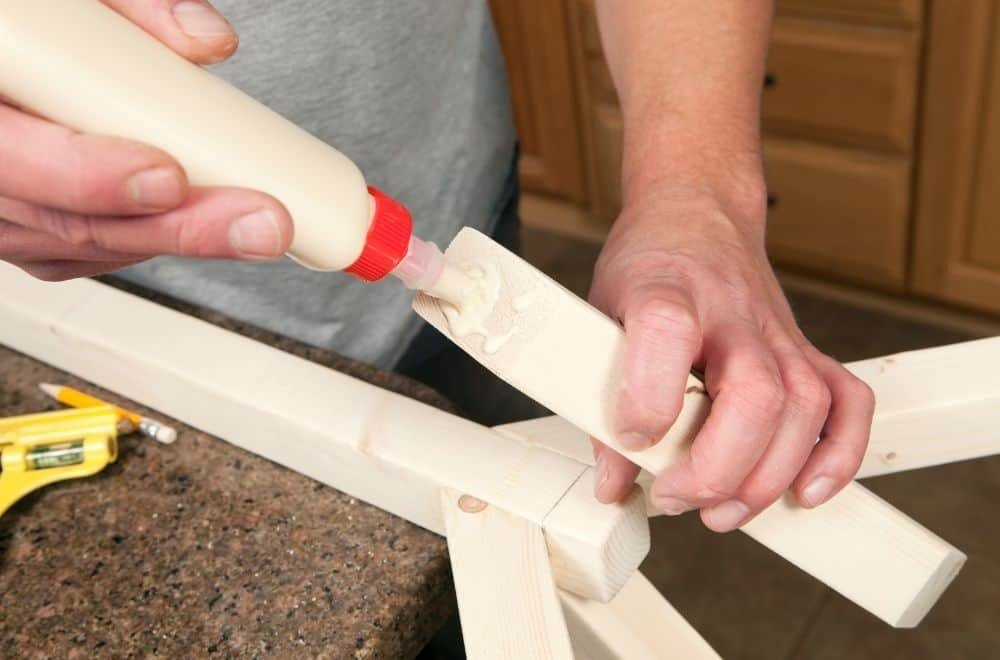
- Wood glue: A water-based adhesive that creates a strong, permanent bond. It’s ideal for bonding wood to wood, but can also be used for bonding plastic to wood.
How Glue Works
Glue works by creating a chemical bond between two surfaces. When you apply glue to a surface, it seeps into the pores and crevices, creating a strong bond. The strength of the bond depends on several factors, such as the type of glue, the surfaces being bonded, and the conditions in which the bond is formed.
To ensure a strong bond, it’s important to prepare the surfaces properly before applying the glue. This includes cleaning the surfaces to remove any dirt or debris, and roughening the surfaces to create a better grip for the glue.
In summary, understanding the basics of glue is important when it comes to choosing the right adhesive for bonding plastic to wood. By considering the types of glue available and how glue works, you can make an informed decision and create a strong, lasting bond.
Connecting Plastic to Wood
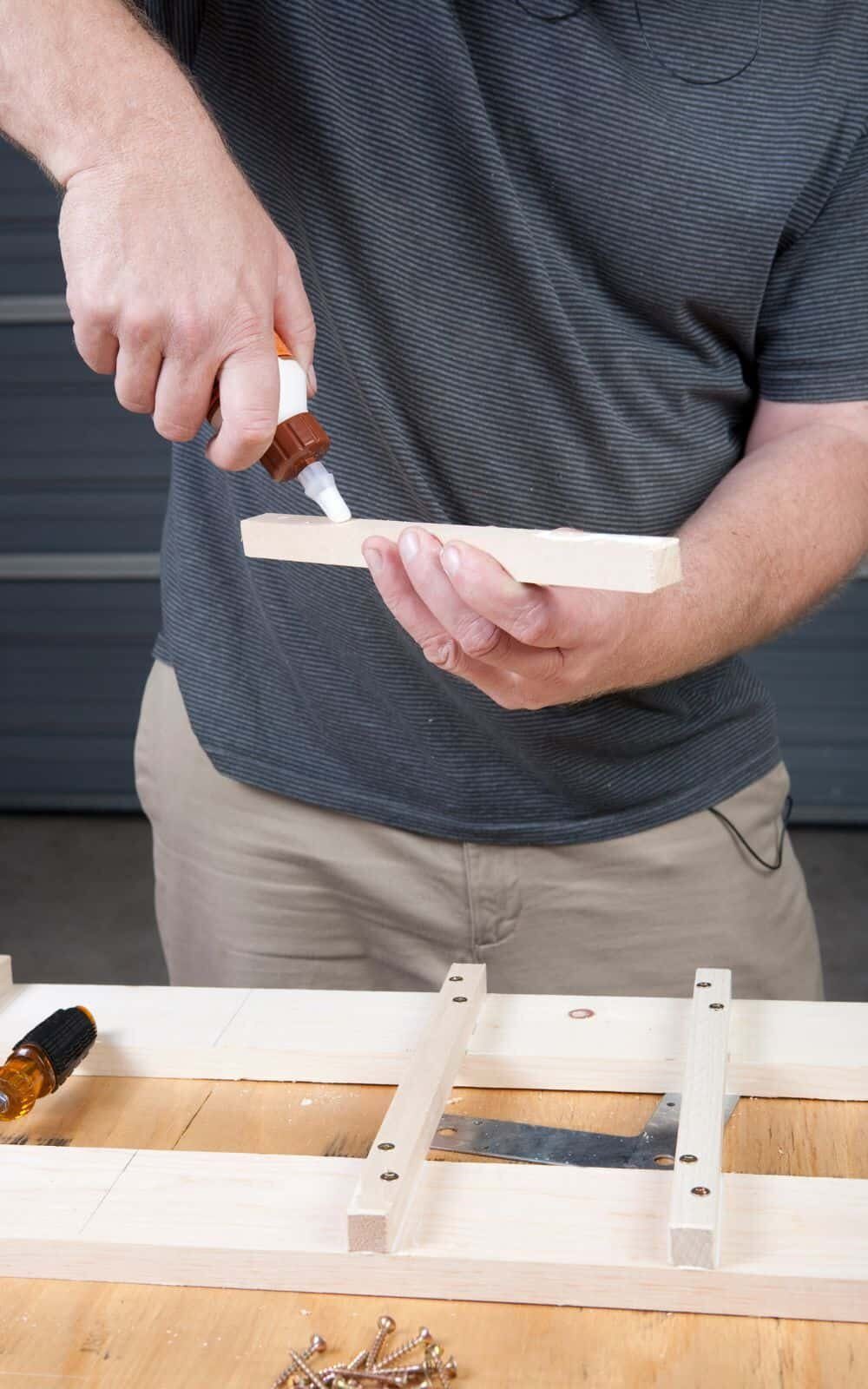
When it comes to connecting plastic to wood, choosing the right glue is crucial. Not all adhesives are created equal, and using the wrong one can result in weak bonds or even damage to the materials being joined. In this section, we’ll explore some of the challenges of bonding plastic to wood and what characteristics to look for in an ideal glue.
Challenges of Bonding Plastic to Wood
Bonding plastic to wood can be challenging due to the different properties of the two materials. Wood is porous and can absorb moisture, which can affect the strength of the bond. Plastic, on the other hand, is non-porous and can be difficult to get adhesives to stick to. Additionally, plastic can expand and contract with temperature changes, which can cause the bond to weaken over time.
Another challenge is finding a glue that can withstand the stresses that the joint will be subjected to. If the joint will be exposed to moisture, heat, or other environmental factors, it’s important to choose a glue that can hold up under those conditions.
Ideal Glue Characteristics
When choosing a glue for connecting plastic to wood, there are several characteristics to look for:
- Strong Bond: The glue should be able to create a strong, durable bond between the plastic and wood.
- Waterproof: If the joint will be exposed to moisture, it’s important to choose a waterproof glue.
- Flexible: A glue that can flex and move with the joint will be more durable over time.
- Fast-Drying: A fast-drying glue can speed up the bonding process and reduce the risk of the joint shifting before the glue has set.
- Easy to Apply: The glue should be easy to apply and work with, without making a mess or requiring specialized tools.
Some of the best glues for connecting plastic to wood include epoxy, superglue, hot glue, and polyurethane adhesives. Each has its own strengths and weaknesses, so it’s important to choose the one that best fits your specific needs and application.
Top Glue Choices
When it comes to connecting plastic to wood, you want a glue that is strong, durable, and easy to use. Here are three top glue choices that will get the job done:
Epoxy Resin
Epoxy resin is a popular choice for bonding plastic to wood because of its strength and durability. It is a two-part adhesive that consists of a resin and a hardener. When mixed together, they create a strong, waterproof bond that can withstand a lot of stress.
To use epoxy resin, you will need to mix the two parts together according to the instructions on the package. Then, apply the mixture to the surfaces you want to bond and press them together firmly. It may take several hours for the glue to dry completely, so be patient.
Cyanoacrylate
Cyanoacrylate, also known as super glue, is another popular choice for bonding plastic to wood. It is a fast-drying adhesive that creates a strong, permanent bond.
To use cyanoacrylate, apply a small amount to one of the surfaces you want to bond and press it firmly against the other surface. Hold the two surfaces together for a few seconds to allow the glue to dry.
One thing to keep in mind when using cyanoacrylate is that it can be brittle, so it may not be the best choice for applications where the bond will be subjected to a lot of stress.
Polyurethane Glue
Polyurethane glue, also known as Gorilla Glue, is a versatile adhesive that can bond a variety of materials, including plastic and wood. It creates a strong, waterproof bond that can withstand a lot of stress.
To use polyurethane glue, apply a small amount to one of the surfaces you want to bond and press it firmly against the other surface. Hold the two surfaces together for a few minutes to allow the glue to dry.
One thing to keep in mind when using polyurethane glue is that it expands as it dries, so be careful not to use too much or it may cause the surfaces to warp or bend.
Preparation and Application

Surface Preparation
Before you start gluing plastic to wood, it’s important to properly prepare the surfaces to ensure a strong bond. Here are the steps to follow:
- Clean both surfaces: Use a mild soap and water to clean the surfaces of any dirt, dust, or debris. Dry thoroughly with a clean cloth.
- Sand the plastic surface: Use high-grit sandpaper to lightly sand the plastic surface. This will help the glue adhere better.
- Sand the wood surface: Use a low-grit sandpaper to rough up the wood surface. This will help the glue penetrate the wood fibers.
- Wipe both surfaces with rubbing alcohol: Use a clean cloth and rubbing alcohol to wipe down both surfaces. This will remove any remaining dirt, dust, or debris and help the glue adhere better.
Glue Application Steps
Once the surfaces are properly prepared, you can begin applying the glue. Here are the steps to follow:
- Apply the glue: Apply a small amount of glue to one of the surfaces. Be careful not to use too much glue as it can cause the joint to become weak.
- Spread the glue: Use a small brush or toothpick to spread the glue evenly over the surface.
- Clamp the joint: Press the two surfaces together and clamp them firmly. Be sure to use a clamp that is strong enough to hold the joint in place.
- Wait for the glue to dry: The drying time will depend on the type of glue you are using. Follow the manufacturer’s instructions for drying time.
- Sand the joint: Once the glue is dry, use sandpaper to smooth out any rough spots on the joint.
By properly preparing the surfaces and following these glue application steps, you can ensure a strong and durable bond between plastic and wood.
Safety Measures
When working with glue, it is important to take safety measures to protect yourself and others. Here are some tips to keep in mind when using glue to connect plastic to wood:
Work in a Well-Ventilated Area
Many types of glue emit fumes that can be harmful if inhaled. To avoid any potential health risks, make sure you work in a well-ventilated area. Open a window or use a fan to circulate the air in the room.
Wear Protective Gear
Wearing protective gear can help prevent any accidents or injuries while working with glue. Consider wearing gloves to protect your hands from the glue, and safety glasses to protect your eyes from any splatters.
Follow the Manufacturer’s Instructions
Different types of glue have different instructions and drying times. Make sure you read and follow the manufacturer’s instructions carefully. This will ensure that you get the best results and that the glue sets properly.
Keep Glue Away From Children and Pets
Glue can be dangerous if ingested, so it is important to keep it away from children and pets. Store the glue in a safe place where it cannot be accessed by curious hands or paws.
Clean Up Any Spills Immediately
Accidents can happen, and if you spill glue, it is important to clean it up immediately. Use a damp cloth to wipe away any excess glue, and dispose of it properly. This will help prevent any accidents or injuries.
By following these safety measures, you can ensure that your project goes smoothly and safely.
Maintaining the Bond
So, you’ve successfully glued your plastic and wood together. Congratulations! But now, how do you make sure that bond stays strong? Here are a few tips to help you maintain the bond between your plastic and wood:
Avoid Excessive Stress
While the bond between plastic and wood can be strong, it’s important to remember that it’s not indestructible. Avoid putting excessive stress on the bond, as this can cause it to weaken or even break. For example, if you’ve glued a plastic handle onto a wooden tool, don’t use the tool to pry open a stubborn jar.
Keep it Dry
Moisture can weaken the bond between plastic and wood, so it’s important to keep the glued area as dry as possible. If the bond gets wet, dry it off as soon as possible. If you need to clean the glued area, use a damp cloth and avoid getting water directly on the bond.
Store Properly
If you’re not using the item that you’ve glued together, store it in a dry, cool place. Avoid exposing it to extreme temperatures or direct sunlight, as this can cause the bond to weaken over time.
Consider Reinforcement
If you’re concerned about the strength of the bond between your plastic and wood, you may want to consider reinforcing it with additional materials. For example, you could use screws or nails to secure the two materials together, in addition to the glue.
Choose the Right Glue
Of course, one of the most important factors in maintaining the bond between plastic and wood is choosing the right glue in the first place. As we’ve discussed, epoxy is often the best choice for this type of project. However, there are other options available as well, depending on the specific materials you’re working with.
By following these tips, you can help ensure that the bond between your plastic and wood stays strong and secure for years to come.
Frequently Asked Questions
What is the best adhesive for joining plastic and wood?
When it comes to bonding plastic to wood, the best adhesive is a two-part epoxy. This type of adhesive creates a strong bond that is effective with most types of plastics and wood. Additionally, epoxy is waterproof and heat-resistant, making it ideal for outdoor projects.
Can I use Titebond glue to bond plastic and wood?
Titebond glue is a popular choice for woodworking projects, but it is not recommended for bonding plastic to wood. Titebond is a water-based glue that is designed to bond wood to wood, and it may not provide a strong enough bond for plastic.
What is the strongest glue for attaching plastic to wood?
The strongest glue for attaching plastic to wood is a two-part epoxy. This type of adhesive creates a strong bond that is effective with most types of plastics and wood. Additionally, epoxy is waterproof and heat-resistant, making it ideal for outdoor projects.
How do I glue PVC to wood?
To glue PVC to wood, you will need to use a specialized adhesive that is designed for this purpose. One option is a two-part epoxy that is formulated for bonding plastic and wood. Another option is a PVC cement that is designed to bond PVC to wood.
Will hot glue bond wood and plastic?
Hot glue can be used to bond wood and plastic, but it may not provide a strong enough bond for some projects. Hot glue is a good option for temporary bonds or for projects that do not require a strong, permanent bond.
Is there a clear glue for attaching plastic to wood?
Yes, there are clear adhesives that can be used to bond plastic to wood. One option is a clear epoxy that dries clear and provides a strong, permanent bond. Another option is a clear silicone adhesive that can be used for both indoor and outdoor projects.