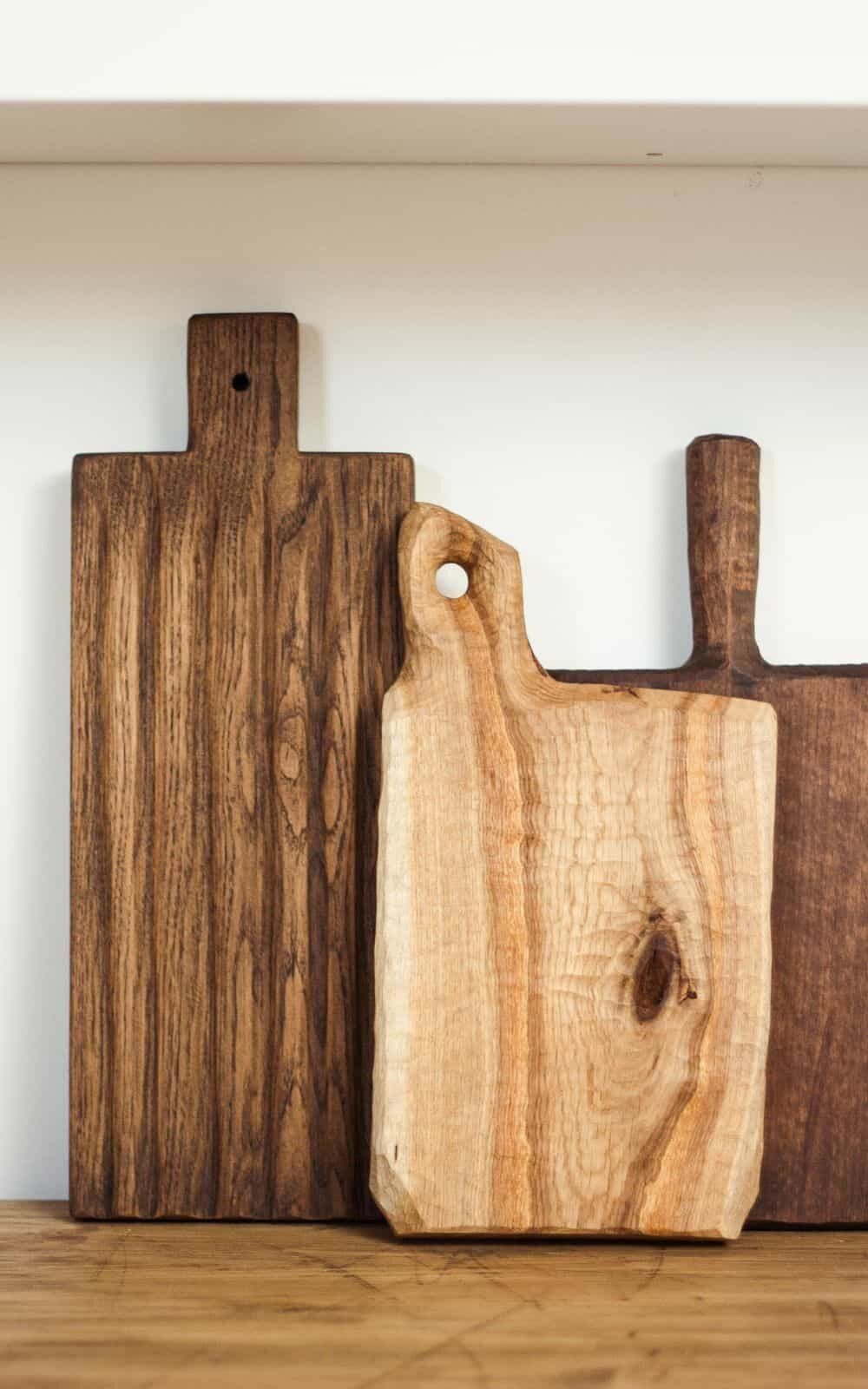
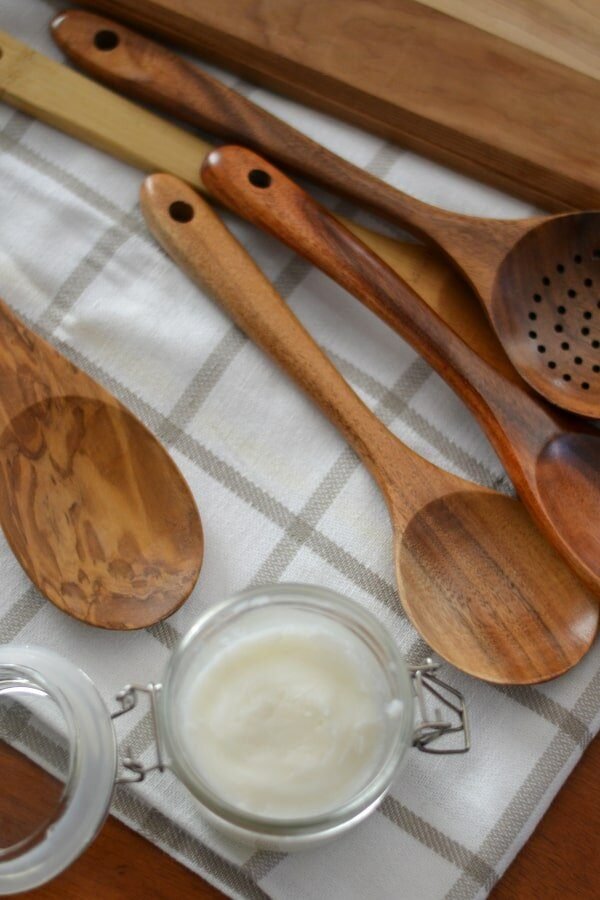
food-grade mineral oil

Blog

How to Care for Wooden Cooking Utensils: Tips and Tricks

If you’re an avid cook, you probably have a collection of wooden utensils that you use regularly. While these utensils are durable and long-lasting, they do require some special care to keep them in good condition. In this article, we’ll cover some tips for how to care for your wooden cooking utensils so that they last for years to come.

First and foremost, it’s important to wash your wooden utensils by hand. Never put them in the dishwasher, as the high temperatures and long cycles can cause damage to the wood. Instead, use warm water and a mild dish soap to clean your utensils after each use. Avoid using abrasive sponges or detergents that could scratch or damage the wood surface. Once you’ve washed your utensils, be sure to dry them thoroughly with a clean towel before putting them away.

Understanding Wooden Utensils

Wooden utensils are an essential part of every kitchen. They are versatile, durable, and can be used for a variety of cooking tasks. In this section, we will discuss the different types of wood used to make utensils and the benefits of using wooden utensils in your kitchen.

Types of Wood

There are many types of wood used to make kitchen utensils, but some of the most popular include:

  • Maple: Hard and durable, maple is a popular choice for cutting boards and utensils.
  • Cherry: A beautiful wood with a warm, reddish-brown color, cherry is also very durable.
  • Walnut: A dark, rich wood that is strong and durable, walnut is often used for cutting boards and utensils.
  • Bamboo: Not technically a wood, bamboo is a grass that is lightweight, durable, and sustainable.

Benefits of Wood

Using wooden utensils in your kitchen has many benefits, including:

  • Durability: Wooden utensils are strong and durable, making them a great choice for everyday use.
  • Non-reactive: Unlike metal utensils, wooden utensils do not react with acidic ingredients, which can change the taste and color of your food.
  • Versatility: Wooden utensils can be used for a variety of cooking tasks, including stirring, flipping, and serving.
  • Natural: Wooden utensils are made from natural materials, which means they are free from harmful chemicals and toxins.
  • Beautiful: Wooden utensils add a touch of natural beauty to your kitchen and can be displayed on a countertop or hung on a wall.

In conclusion, wooden utensils are a great choice for any kitchen. They are durable, non-reactive, versatile, natural, and beautiful. When choosing wooden utensils, consider the type of wood used and look for high-quality, well-crafted pieces that will last for years to come.

Basic Care Instructions

Taking care of your wooden cooking utensils is essential if you want them to last a long time and remain in good condition. Here are some basic care instructions that you can follow:

Handwashing

The best way to clean your wooden utensils is to wash them by hand. Use warm water and a mild dish soap to gently wash the utensils. Avoid using harsh detergents or abrasive sponges as they can damage the wood. After washing, rinse the utensils with clean water and dry them with a clean towel.

Avoid Soaking

Wooden utensils should not be soaked in water for extended periods. Soaking can cause the wood to expand and crack. Instead, wash the utensils as soon as possible after use and dry them immediately.

Oil Your Utensils

Periodically oil your wooden utensils to keep them in good condition. Food-grade mineral oil or coconut oil are good options. Apply a small amount of oil to a clean cloth and rub it into the wood. Let the oil soak in for a few hours or overnight, then wipe off any excess oil with a clean cloth.

Store Properly

Store your wooden utensils in a dry, well-ventilated area. Avoid storing them in damp or humid places, as this can cause mold and mildew to develop. You can also use a utensil holder or hang them on a hook to keep them organized and easily accessible.

By following these basic care instructions, you can keep your wooden cooking utensils in excellent condition for years to come.

Cleaning Wooden Utensils

Wooden utensils are an essential part of any kitchen. They are durable, versatile, and eco-friendly. However, they require proper care to maintain their quality and prevent bacterial growth. Here are some tips on how to clean your wooden utensils.

Daily Cleaning

Daily cleaning is essential to prevent bacterial growth on your wooden utensils. Follow these simple steps to clean your wooden utensils daily:

  1. Rinse the utensils with warm water immediately after use. Do not soak them in water as it can cause them to crack or split.

  2. Use a mild dish soap and warm water to wash the utensils. Avoid using harsh detergents or abrasive cleaners as they can damage the wood.

  3. Dry the utensils thoroughly with a clean towel. Do not leave them to air dry as it can cause them to warp or crack.

  4. Store the utensils in a dry place away from direct sunlight. Do not store them in a damp or humid environment as it can promote bacterial growth.

Deep Cleaning

Deep cleaning is necessary to remove stains, odors, and bacteria from your wooden utensils. Follow these steps to deep clean your wooden utensils:

  1. Mix equal parts of vinegar and water in a bowl.

  2. Soak the wooden utensils in the solution for 10-15 minutes.

  3. Scrub the utensils with a soft-bristled brush to remove any stains or odors.

  4. Rinse the utensils thoroughly with warm water.

  5. Dry the utensils with a clean towel and let them air dry completely.

  6. Once the utensils are dry, apply a thin layer of mineral oil to protect the wood from drying out.

By following these simple steps, you can keep your wooden utensils clean and in good condition for years to come.

Maintaining Wooden Utensils

Wooden utensils are a great addition to any kitchen, but they require proper care to ensure they last a long time. Here are some tips on how to maintain your wooden utensils:

Oiling and Conditioning

Wooden utensils need to be oiled and conditioned regularly to keep them in good condition. Here are some steps you can follow:

  1. Choose the right oil: Mineral oil, walnut oil, tung oil, or linseed oil are good options. Avoid vegetable oils, as they can go rancid and leave an unpleasant odor.

  2. Apply oil: Apply a small amount of oil to a clean cloth or paper towel and rub it into the wood. Make sure to cover all surfaces, including the handle.

  3. Let it soak: Let the oil soak in for a few hours or overnight, then wipe off any excess with a clean cloth.

  4. Repeat: Repeat this process every few months or when the wood starts to look dry.

Avoiding Cracks and Splits

Wooden utensils can crack or split if they are not properly cared for. Here are some tips to avoid this:

  1. Hand wash only: Never put wooden utensils in the dishwasher. The high temperatures and long cycles can cause the wood to warp and crack.

  2. Avoid soaking: Do not soak wooden utensils in water for long periods of time. This can cause the wood to swell and crack.

  3. Dry thoroughly: After washing, dry the utensils thoroughly with a clean towel. Do not let them air dry, as this can lead to warping.

  4. Store properly: Store wooden utensils in a dry, well-ventilated area. Do not store them in a damp or humid environment, as this can cause the wood to swell and crack.

By following these simple steps, you can ensure that your wooden utensils last for years to come.

Storing Wooden Utensils

Proper storage of wooden utensils is essential to keep them in good condition for a long time. Here are some tips on how to store your wooden utensils properly:

1. Keep them in a dry place

Wooden utensils can easily absorb moisture, which can cause them to crack or warp. To prevent this, make sure to store them in a dry place. Avoid storing them in damp areas like under the sink or near the dishwasher.

2. Store them upright

Storing wooden utensils upright can help prevent them from getting scratched or damaged. You can use a utensil holder or a jar to keep them organized and upright.

3. Avoid storing them in direct sunlight

Direct sunlight can cause wooden utensils to fade or discolor. To prevent this, avoid storing them in direct sunlight or near a window.

4. Don’t overcrowd them

Overcrowding your wooden utensils can cause them to rub against each other, which can lead to scratches and damage. Make sure to give them enough space to avoid this.

5. Oil them regularly

Regularly oiling your wooden utensils can help prevent them from drying out and cracking. Use food-grade mineral oil or beeswax to oil them. Apply a small amount of oil to a clean cloth and rub it on the utensils in a circular motion. Let them sit for a few hours before wiping off any excess oil.

By following these simple tips, you can ensure that your wooden utensils stay in good condition and last for years to come.

Common Mistakes to Avoid

Caring for wooden cooking utensils is essential to ensure they last for years. However, there are some common mistakes that people make that can damage or shorten the lifespan of their wooden utensils. Here are some mistakes to avoid:

1. Putting wooden utensils in the dishwasher

One of the biggest mistakes people make is putting their wooden utensils in the dishwasher. The high temperatures and harsh detergents can cause the wood to warp, crack, or split. Always wash your wooden utensils by hand with warm, soapy water and dry them thoroughly with a towel.

2. Soaking wooden utensils in water

Another mistake is soaking wooden utensils in water for an extended period of time. This can cause the wood to swell and crack. Instead, wash your wooden utensils quickly with warm, soapy water and dry them immediately.

3. Using abrasive cleaners or scrubbers

Using abrasive cleaners or scrubbers, such as steel wool or abrasive sponges, can scratch or damage the surface of wooden utensils. Instead, use a soft sponge or cloth to clean them.

4. Storing wooden utensils in damp places

Storing wooden utensils in damp places, such as the sink or dishwasher, can cause them to absorb moisture and develop mold or mildew. Instead, store your wooden utensils in a dry place, such as a utensil holder or drawer.

5. Not oiling wooden utensils regularly

Wooden utensils need to be oiled regularly to prevent them from drying out and cracking. Use food-grade mineral oil or beeswax to oil your wooden utensils once a month or as needed. Apply a thin layer of oil or wax to the surface of the utensil and let it absorb for a few hours before wiping off any excess.

Reviving Old Wooden Utensils

If your wooden cooking utensils are looking worn-down, stained, or fuzzy, don’t worry! You can easily revive them and give them a long-lasting life with a few simple steps.

First, start by washing your wooden utensils by hand with warm, soapy water. Never put them in the dishwasher, as the high temperatures and long cycles can cause damage.

Next, if your utensils are looking dull or faded, you can restore their shine by rubbing them lightly with mineral, walnut, tung, or linseed oil. Be sure to fully absorb the oil before using the utensils again.

If your wooden utensils have stains or discoloration, try using a mixture of baking soda and water to gently scrub the affected areas. Rinse thoroughly with warm water and dry completely before using again.

For utensils that have become rough or fuzzy, you can sand them down with fine-grit sandpaper until they are smooth again. Be sure to sand with the grain of the wood and avoid using too much pressure.

Finally, to keep your wooden utensils in good condition, store them in a dry place and avoid leaving them soaking in water or sitting in direct sunlight for long periods of time.

By following these simple steps, you can revive your old wooden utensils and keep them in good condition for years to come.
Blog

How to Season a Wooden Charcuterie Board: Tips and Tricks

Are you looking to season your wooden charcuterie board but not sure where to start? Look no further! Seasoning your board is an important step in ensuring it lasts for years to come. Not only does it help protect the wood from damage, but it also makes it safe for food use by sealing any pores and preventing bacteria from growing.

To begin, make sure your board is clean and dry. You can lightly sand it down with fine-grit sandpaper to remove any rough spots or stains. Then, apply a food-safe oil or wax to the board. Beeswax and mineral oil are popular options that can be easily found at most hardware or kitchen supply stores. Apply the oil or wax in a thin, even layer and let it sit for at least 20 minutes before wiping off any excess.

Remember to regularly maintain your charcuterie board by wiping it down with a damp cloth and reapplying oil or wax as needed. With these simple steps, you can enjoy your beautifully seasoned board for years to come.

Understanding Charcuterie Boards

If you’re a fan of entertaining guests or simply enjoy snacking on a variety of foods, you’ve probably heard of a charcuterie board. A charcuterie board is a wooden board that is typically used to serve a variety of meats, cheeses, fruits, nuts, and other snacks. These boards are becoming increasingly popular, and for good reason. They’re not only practical, but they’re also visually appealing and add a touch of elegance to any gathering.

When it comes to selecting a charcuterie board, there are a few things to consider. First, you’ll want to choose a board that is made from a quality wood, such as acacia or bamboo. These types of wood are durable, easy to clean, and look great. You’ll also want to consider the size of the board. If you’re planning on serving a large group of people, you’ll want a larger board. If you’re serving a smaller group, a smaller board will suffice.

Once you’ve selected your board, it’s important to season it properly. Seasoning your board will help to protect it from moisture and prevent it from warping or cracking over time. To season your board, you’ll want to use a food-grade mineral oil. Apply a small amount of oil to the board and use a clean cloth to work it into the wood. Let the board sit for about 20 minutes, then wipe off any excess oil with a clean cloth. Repeat this process until the board is no longer absorbing the oil.

It’s important to note that you should avoid using vegetable or olive oil to season your board, as these oils can turn rancid over time and leave a bad taste on your food. Stick to food-grade mineral oil for the best results.

In addition to seasoning your board, it’s important to care for it properly. After each use, wash your board with warm, soapy water and dry it thoroughly. Avoid soaking your board in water or putting it in the dishwasher, as this can cause the wood to warp or crack. Instead, use a clean cloth to wipe down your board and store it in a cool, dry place.

By following these simple steps, you can ensure that your charcuterie board stays in great condition and is ready to use whenever you need it.

Choosing the Right Wood

Choosing the right wood for your charcuterie board is crucial to ensure that it lasts for years to come. Here are some factors to consider when selecting wood for your board:

Hardness

You want a wood that is hard enough to withstand the constant cutting and chopping that occurs on a charcuterie board. Softer woods like pine or cedar are not recommended as they will easily scratch and dent. Hardwoods like maple, cherry, and walnut are great options as they are durable and long-lasting.

Grain

The grain of the wood can also affect the durability of your board. Look for wood with a tight and straight grain pattern as this will make it less prone to cracking or warping over time. Avoid woods with an irregular or wavy grain pattern as these may be weaker and more likely to break.

Color

The color of the wood is also an important factor to consider. Some woods like maple and birch have a light, neutral color that can complement a variety of foods. Other woods like cherry and walnut have a darker, richer color that can add a touch of elegance to your presentation. Choose a wood color that complements your personal style and the types of foods you plan to serve.

Sustainability

Lastly, consider the sustainability of the wood you choose. Look for wood that has been sustainably sourced and harvested. Avoid woods that are endangered or over-harvested, such as teak or mahogany. Opt for woods like bamboo or acacia, which are fast-growing and renewable.

By considering these factors, you can choose the right wood for your charcuterie board and ensure that it will last for years to come.

Preparation Before Seasoning

Before seasoning your wooden charcuterie board, it’s important to properly prepare it to ensure the seasoning process is effective. Here are some steps you should follow to prepare your board:

Cleaning the Board

The first step in preparing your board is to clean it thoroughly. Use a mild dish soap and warm water to gently scrub the board, making sure to get into all the crevices. Avoid using harsh chemicals or abrasive sponges, as these can damage the wood. Rinse the board well with water to remove any soap residue.

For a deeper clean, you can use a mixture of white vinegar and water. Simply mix equal parts vinegar and water in a spray bottle and spray the board. Let it sit for a few minutes, then wipe it clean with a damp cloth. This will help to kill any bacteria on the board.

Drying the Board

After cleaning the board, it’s important to let it dry completely before seasoning it. Use a clean, dry towel to wipe the board down and remove any excess water. Then, allow the board to air dry completely before moving on to the seasoning process.

It’s important to note that you should never put a wet board away or store it in a damp area, as this can cause the wood to warp or crack. Always make sure your board is completely dry before storing it.

By following these simple steps to prepare your wooden charcuterie board, you’ll be ready to move on to the seasoning process and ensure your board stays in great condition for years to come.

Choosing Your Seasoning

When it comes to seasoning your wooden charcuterie board, choosing the right oil or wax is key to maintaining its quality and durability. In this section, we’ll explore the different types of oils and waxes you can use to season your board.

Types of Oils

There are several types of oils that work well for seasoning wooden charcuterie boards. Here are a few options to consider:

  • Mineral oil: This is a popular choice for seasoning cutting boards and charcuterie boards. It’s affordable, easy to find, and doesn’t go rancid like vegetable or olive oils. Plus, it’s food-safe and won’t affect the taste of your food.

  • Beeswax and mineral oil blend: This is a great option if you want to add a little extra protection to your board. Beeswax creates a barrier on the surface of the board, while mineral oil penetrates the wood to keep it moisturized.

  • Walnut oil: This oil is a bit more expensive than mineral oil, but it has a pleasant nutty aroma and adds a beautiful sheen to the wood. It’s also high in antioxidants, which can help prevent the wood from deteriorating over time.

Wax Selection

In addition to oils, you can also use wax to season your wooden charcuterie board. Here are a few options to consider:

  • Beeswax: This is a natural wax that creates a protective barrier on the surface of the board. It’s food-safe and won’t affect the taste of your food.

  • Carnauba wax: This wax is derived from the leaves of the carnauba palm and is often used in furniture wax. It creates a hard, durable finish on the wood that can help protect it from scratches and dings.

When choosing a wax, make sure it’s food-safe and won’t affect the taste of your food. Beeswax is a popular choice because it’s natural and safe to use around food.

The Seasoning Process

When it comes to caring for your wooden charcuterie board, seasoning is an important step to ensure its longevity. Seasoning involves applying oil to the board to protect it from moisture and prevent the wood from drying out. Here are the steps to properly season your wooden charcuterie board:

Applying the Oil

  1. Start by cleaning the board thoroughly with warm soapy water and a sponge or cloth.
  2. Dry the board completely with a clean towel.
  3. Apply a food-grade oil, such as mineral oil or butcher block oil, to the board. Use a clean cloth or paper towel to spread the oil evenly over the entire surface of the board.
  4. Be sure to apply oil to the sides and edges of the board as well.
  5. Let the oil soak into the wood for a few hours or overnight.

Curing the Board

  1. After the oil has soaked in, wipe off any excess oil with a clean cloth or paper towel.
  2. Place the board in a warm, dry place for a few days to allow the oil to fully cure.
  3. Avoid using the board during this time to allow the oil to fully penetrate the wood.

Buffing the Board

  1. After the curing process is complete, use a clean cloth or paper towel to buff the board and remove any remaining excess oil.
  2. Your board is now ready to use!

Remember to reapply oil to your board regularly to keep it protected and in good condition. With proper care and maintenance, your wooden charcuterie board will last for years to come.

Maintenance Tips

Regular Re-Seasoning

To keep your wooden charcuterie board in top condition, it’s important to re-season it regularly. This will help prevent the wood from drying out and cracking, and will also help to maintain its natural beauty.

To re-season your board, simply apply a food-safe oil, such as mineral oil or butcher block oil, to the surface of the board. Use a lint-free cloth to rub the oil into the wood, making sure to cover the entire surface of the board. Allow the oil to soak in for a few hours or overnight, then wipe away any excess with a clean cloth.

It’s a good idea to re-season your board every few months, or whenever it starts to look dry or dull. This will help to keep it looking and performing its best for years to come.

Avoiding Cross Contamination

Another important aspect of maintaining a wooden charcuterie board is to avoid cross contamination. This means making sure that you don’t use the same board for different types of food, as this can lead to the transfer of bacteria and other harmful substances.

To avoid cross contamination, it’s a good idea to have separate boards for different types of food, such as one for meats and another for cheeses and fruits. You should also make sure to clean your board thoroughly after each use, using hot water and soap to remove any food particles and bacteria.

Avoid using bleach or other harsh chemicals on your board, as these can damage the wood and make it more susceptible to cracking and warping. Instead, use a gentle soap and warm water, and dry the board thoroughly after cleaning to prevent moisture from seeping into the wood.

By following these simple maintenance tips, you can help to keep your wooden charcuterie board in top condition, ensuring that it looks and performs its best for years to come.

Common Mistakes to Avoid

When it comes to seasoning a wooden charcuterie board, there are a few common mistakes that you should avoid to ensure that your board stays in great condition and lasts for years to come.

Using the Wrong Type of Oil

One of the biggest mistakes that people make when seasoning their charcuterie board is using the wrong type of oil. It is important to use a food-grade oil that will not go rancid, such as butcher block oil. Avoid using vegetable oil or other types of oils that can spoil and turn rancid over time.

Over-Oiling the Board

Another mistake that people often make is over-oiling their board. While it is important to oil your board regularly to keep it in good condition, too much oil can actually damage the wood and cause it to warp or crack. Use a lint-free cloth to apply a thin layer of oil to the board, and wipe off any excess with a clean cloth.

Not Cleaning the Board Properly

Cleaning your charcuterie board is just as important as seasoning it. Make sure to clean your board thoroughly after each use, using a mild soap and warm water. Avoid using harsh detergents or abrasive sponges that can damage the wood. Once the board is clean, dry it thoroughly with a clean towel and allow it to air dry completely before storing it.

Using Harsh Chemicals or Cleaners

Finally, avoid using harsh chemicals or cleaners on your charcuterie board. These can damage the wood and cause it to deteriorate over time. Stick to mild soaps and food-grade oils for cleaning and seasoning your board, and avoid using anything that contains bleach, ammonia, or other harsh chemicals.

By avoiding these common mistakes, you can keep your wooden charcuterie board in great condition and ensure that it lasts for years to come.

Blog

Can Wooden Spoons Go in the Dishwasher? Tips for Cleaning Your Wooden Utensils

Are you wondering if you can put wooden spoons in the dishwasher? Wooden spoons are a popular kitchen tool that many people use for cooking and baking. They are durable, long-lasting, and gentle on non-stick cookware. However, when it comes to cleaning, there seems to be some confusion about whether or not you can put wooden spoons in the dishwasher.

The answer is, it depends. While some wooden spoons can go in the dishwasher, most cannot. The heat and moisture from the dishwasher can cause the spoon to warp, split, or crack, reducing its lifespan. Additionally, the dishwasher can cause wooden spoons to discolor, making them look old and worn out. In this article, we will explore whether or not wooden spoons can go in the dishwasher, the potential risks, and how to properly care for your wooden spoons.

Understanding Wooden Spoons

Wooden spoons are a staple in many kitchens around the world. They have been used for centuries and are popular for a variety of reasons. If you are wondering whether or not you can put wooden spoons in the dishwasher, it is important to understand a few things about them first.

Benefits of Using Wooden Spoons in Cooking

One of the main benefits of using wooden spoons in cooking is their versatility. They come in various shapes and sizes, ranging from small spoons used for tasting to large spoons used for stirring large pots of soup or sauce. Wooden spoons are also gentle on cookware and will not scratch non-stick surfaces.

Another benefit of using wooden spoons is that they do not conduct heat. This means that you can leave a wooden spoon in a hot pot without worrying about it getting too hot to handle. Wooden spoons are also less likely to melt or warp when exposed to high temperatures.

Types of Wood Used for Wooden Spoons

Not all wooden spoons are created equal. The type of wood used to make a wooden spoon can affect its durability and effectiveness. Some of the most common types of wood used for wooden spoons include:

  • Beechwood: This is a dense and durable hardwood that is resistant to cracking and warping. Beechwood spoons are a popular choice for cooking because they are strong and can withstand high temperatures.
  • Olive wood: This is a beautiful and durable hardwood that is resistant to bacteria. Olive wood spoons are a great choice for serving because they do not absorb odors or flavors.
  • Bamboo: This is a lightweight and eco-friendly option that is great for stirring and mixing. However, bamboo spoons are not as durable as hardwood spoons and may warp or crack over time.

Caring for Wooden Spoons

To keep your wooden spoons in good condition, it is important to take proper care of them. Here are a few tips for caring for your wooden spoons:

  • Hand wash your wooden spoons with warm, soapy water. Avoid soaking them in water for long periods of time.
  • Dry your wooden spoons thoroughly after washing to prevent them from warping or cracking.
  • Apply a food-safe oil, such as mineral oil or beeswax, to your wooden spoons every few months to keep them from drying out.
  • Avoid exposing your wooden spoons to high temperatures, such as in the dishwasher or on a hot stove.

By understanding the benefits of using wooden spoons in cooking, the types of wood used for wooden spoons, and how to care for them, you can make an informed decision about whether or not to put them in the dishwasher.

Dishwasher Basics

When it comes to cleaning your kitchen utensils, the dishwasher can be a lifesaver. It saves time and effort, and it can sanitize your dishes. However, not all kitchen tools are dishwasher-safe. Before you put your wooden spoons in the dishwasher, it’s important to know some basic dishwasher rules.

First, check the manufacturer’s instructions. Some wooden utensils are dishwasher-safe, but most are not. If you’re not sure, it’s better to err on the side of caution and wash them by hand.

Second, consider the dishwasher’s settings. The hot water and high pressure in the dishwasher can damage some wooden spoons. If your dishwasher has a gentle cycle, you may be able to use it for your wooden spoons.

Third, use a dishwasher basket or utensil holder. This will keep your wooden spoons from getting tossed around and damaged in the dishwasher.

Finally, make sure your wooden spoons are completely dry before storing them. Moisture can cause them to warp or crack over time.

In summary, while some wooden utensils can go in the dishwasher, most cannot. It’s important to check the manufacturer’s instructions and consider the dishwasher’s settings before putting your wooden spoons in the dishwasher. Using a dishwasher basket or utensil holder and ensuring your wooden spoons are completely dry before storing them can help prevent damage.

Effects of Dishwasher on Wooden Spoons

If you’re wondering whether or not you can put your wooden spoons in the dishwasher, it’s important to consider the potential effects that the dishwasher can have on them. While some wooden utensils can handle the heat and water exposure, most will not fare well. Here are the three main types of damage that your wooden spoons may experience if you put them in the dishwasher:

Water Damage

Wooden spoons are susceptible to water damage, which can cause them to warp, crack, or split. The high heat and moisture in the dishwasher can be especially damaging to wooden utensils. The hot water and detergent can strip the spoon of its natural oils, which can cause it to dry out and become brittle over time.

Heat Damage

The high heat in the dishwasher can also cause damage to your wooden spoons. The heat can cause the wood to expand and contract, which can lead to warping or cracking. Additionally, the heat can cause the natural oils in the wood to evaporate, which can make the spoon more susceptible to damage.

Chemical Damage

The dishwasher detergent can also cause chemical damage to your wooden spoons. Many detergents contain harsh chemicals that can strip the wood of its natural oils and cause it to dry out. Additionally, the chemicals can cause the wood to become discolored or even break down over time.

To avoid damaging your wooden spoons, it’s best to wash them by hand with soap and water. Make sure to dry them thoroughly after washing and avoid leaving them soaking in water for extended periods of time. If your wooden spoons do get wet, you can use a towel to wipe off any excess moisture and then let them air dry.

Overall, while it may be tempting to put your wooden spoons in the dishwasher for convenience, it’s best to avoid doing so if you want to keep them in good condition for years to come.

Proper Care for Wooden Spoons

proper-care-for-wooden-spoons

Wooden spoons are an essential kitchen tool that can last for years if properly cared for. Here are some tips to help you maintain the quality and longevity of your wooden spoons.

Hand Washing

Hand washing is the best way to clean wooden spoons. Use warm water and mild dish soap to gently scrub the spoon. Avoid soaking the spoon in water for an extended period, as this can cause the wood to warp or crack. Rinse the spoon thoroughly with warm water and dry it immediately.

Drying Process

After washing your wooden spoon, dry it thoroughly. Use a clean towel to wipe off any excess water, then allow the spoon to air dry completely. Avoid using a dishwasher to dry wooden spoons, as the heat can cause the wood to crack or warp.

Maintenance Tips

To maintain the quality of your wooden spoons, it’s essential to keep them well-maintained. Here are some tips to help you do this:

  • Oil your wooden spoons regularly to prevent them from drying out and cracking. Use food-grade mineral oil or coconut oil to coat the spoon, then wipe off any excess oil with a clean towel.
  • Avoid using harsh detergents or bleach to clean wooden spoons, as this can damage the wood.
  • Store your wooden spoons in a dry, cool place, away from direct sunlight or heat sources.
  • If your wooden spoon starts to show signs of wear and tear, such as cracks or splinters, it’s time to replace it.

By following these simple tips, you can keep your wooden spoons in excellent condition for years to come.
Alternatives to Wooden Spoons

If you are looking for alternatives to wooden spoons, there are several options available to you. Here are two popular alternatives:

Silicone Spoons

Silicone spoons are a great alternative to wooden spoons. They are heat-resistant, non-stick, and easy to clean. They are also safe for use with non-stick cookware and will not scratch or damage the surface.

One of the benefits of silicone spoons is that they come in a variety of colors, making it easy to color-code your kitchen tools. This can be especially helpful if you have a lot of utensils and need an easy way to keep them organized.

Stainless Steel Spoons

Stainless steel spoons are another great alternative to wooden spoons. They are durable, easy to clean, and will not absorb flavors or odors like wooden spoons can.

One of the benefits of stainless steel spoons is that they are dishwasher safe, making them easy to clean. They are also great for use with high-heat cooking, as they will not melt or warp like some other materials.

When choosing a stainless steel spoon, look for one that is made from high-quality stainless steel and has a comfortable handle. A good stainless steel spoon should feel sturdy in your hand and be easy to grip.

Overall, both silicone and stainless steel spoons are great alternatives to wooden spoons. They are durable, easy to clean, and safe for use with a variety of cookware. Consider adding them to your kitchen tool collection today!

Frequently Asked Questions

Are wooden spoons dishwasher safe?

It depends on the type of wooden spoon you have and the dishwasher’s settings. Some wooden spoons can go in the dishwasher, while others cannot. Check the manufacturer’s instructions to determine if your wooden spoon is dishwasher safe.

Can I put wooden spoons in the dishwasher?

As mentioned earlier, it depends on the type of wooden spoon you have and the dishwasher’s settings. Some wooden spoons can go in the dishwasher, while others cannot. However, it is generally recommended to wash wooden spoons by hand to avoid warping, cracking, or splitting.

How do I clean wooden spoons?

To clean wooden spoons, wash them by hand with hot, soapy water. Avoid soaking wooden spoons in water for long periods of time, as this can cause them to warp. Rinse the spoons thoroughly and dry them with a clean towel. You can also use a mixture of baking soda and water to remove stains from wooden spoons.

What is the best way to care for wooden utensils?

To care for wooden utensils, wash them by hand with hot, soapy water and dry them with a clean towel. Avoid soaking wooden utensils in water for long periods of time, as this can cause them to warp. Apply a food-grade mineral oil to the utensils regularly to prevent them from drying out and cracking.

Can I wash wooden cutting boards in the dishwasher?

It is generally not recommended to wash wooden cutting boards in the dishwasher, as the heat and pressure can cause them to warp or crack. Instead, wash them by hand with hot, soapy water and dry them with a clean towel. Apply a food-grade mineral oil to the cutting board regularly to prevent it from drying out and cracking.

How do I remove bad smells from new wooden spoons?

To remove bad smells from new wooden spoons, wash them by hand with hot, soapy water and dry them with a clean towel. You can also try rubbing the spoons with a lemon or lime wedge, or soaking them in a mixture of water and vinegar for a few minutes before washing them again.

Blog

What Kitchen Wood Cutting Boards Are Dishwasher Safe? A Quick Guide

Are you tired of constantly hand-washing your wooden cutting boards? Do you find yourself wondering which ones are safe to put in the dishwasher? Look no further, as we have done the research for you. In this article, we will explore which kitchen wood cutting boards are dishwasher safe and provide you with some top picks for your next purchase.

When it comes to wooden cutting boards, not all are created equal. Some are specifically designed to be dishwasher safe, while others may not hold up as well. It is important to read the manufacturer’s instructions before placing your cutting board in the dishwasher. Additionally, certain types of wood may be more prone to warping or cracking when exposed to water, so it is important to choose a high-quality board made from a durable wood.

Our research has led us to some great options for those looking for a dishwasher safe wooden cutting board. From composite materials to treated hardwoods, there are a variety of options to choose from. Keep reading to discover our top picks for the best dishwasher safe wooden cutting boards on the market.

Understanding Dishwasher Safe Wood Cutting Boards

understanding-dishwasher-safe-wood-cutting-boards

When it comes to cleaning your wooden cutting board, you may wonder if it’s safe to put it in the dishwasher. While some wood cutting boards are dishwasher safe, others are not. It’s important to understand the difference so you can properly care for your cutting board and avoid damaging it.

What Makes a Wood Cutting Board Dishwasher Safe?

Dishwasher safe wood cutting boards are typically made from hardwoods such as maple, walnut, or cherry. These woods are dense and have a tight grain, which makes them less prone to warping or cracking when exposed to water and heat.

In addition, dishwasher safe wood cutting boards are often treated with food-safe finishes that help protect the wood from moisture and bacteria. These finishes can include mineral oil, beeswax, or a combination of both.

How to Determine if Your Wood Cutting Board is Dishwasher Safe

To determine if your wood cutting board is dishwasher safe, check the manufacturer’s instructions or look for a label that indicates it’s safe for dishwasher use. If there’s no label or instructions, it’s best to assume that the cutting board is not dishwasher safe.

Another way to test if your wood cutting board is dishwasher safe is to expose a small area of the board to hot water and detergent for a short period of time. If the wood appears to be unaffected, it’s likely safe to put in the dishwasher. However, if the wood becomes discolored, warped, or cracked, it’s best to avoid putting it in the dishwasher.

Tips for Cleaning Dishwasher Safe Wood Cutting Boards

If your wood cutting board is dishwasher safe, there are a few things to keep in mind when cleaning it:

  • Always use the top rack of the dishwasher to avoid exposing the cutting board to direct heat.
  • Avoid using harsh detergents or bleach, as these can damage the wood and strip away the protective finish.
  • After washing, allow the cutting board to air dry completely before storing it away.

By following these tips, you can safely clean your dishwasher safe wood cutting board and ensure it lasts for years to come.

Types of Dishwasher Safe Wood Cutting Boards

types-of-dishwasher-safe-wood-cutting-boards

When it comes to wood cutting boards that are dishwasher safe, there are a few different types to consider. Here are some of the most common options:

Bamboo Cutting Boards

Bamboo cutting boards are a popular choice for those looking for a sustainable and eco-friendly option. Bamboo is a fast-growing plant that is highly renewable, making it a great choice for those who want to reduce their environmental impact. Bamboo cutting boards are also naturally antimicrobial, which means they are less likely to harbor bacteria than other types of cutting boards.

Teak Cutting Boards

Teak cutting boards are known for their durability and resistance to moisture. Teak is a dense hardwood that is naturally resistant to water and other liquids, making it a great choice for cutting boards that will be exposed to moisture on a regular basis. Teak cutting boards also have a beautiful, rich color that can add a touch of elegance to your kitchen.

Maple Cutting Boards

Maple cutting boards are another popular choice for those looking for a durable and long-lasting option. Maple is a hardwood that is known for its strength and resistance to wear and tear. Maple cutting boards are also easy to clean and maintain, making them a great choice for those who want a low-maintenance option.

Cherry Cutting Boards

Cherry cutting boards are a beautiful and elegant option for those who want a cutting board that looks as good as it performs. Cherry is a hardwood that has a rich, reddish-brown color and a beautiful grain pattern. Cherry cutting boards are also naturally resistant to bacteria and other microbes, making them a great choice for those who want a cutting board that is both functional and beautiful.

No matter which type of wood cutting board you choose, it’s important to make sure that it is dishwasher safe before putting it in the dishwasher. Not all wood cutting boards are designed to withstand the heat and moisture of a dishwasher, so be sure to check the manufacturer’s instructions before cleaning your cutting board in the dishwasher.

How to Identify Dishwasher Safe Wood Cutting Boards

When it comes to cleaning kitchen tools, the dishwasher is a convenient option for many people. However, not all wood cutting boards are dishwasher safe. Here are some tips to help you identify which wood cutting boards can be safely washed in the dishwasher.

Look for the Dishwasher Safe Label

Some wood cutting boards come with a dishwasher safe label. This label indicates that the board has been tested and deemed safe to be washed in the dishwasher. If you are looking to purchase a new wood cutting board and want to be able to clean it in the dishwasher, look for this label.

Check the Manufacturer’s Instructions

If your wood cutting board does not have a dishwasher safe label, check the manufacturer’s instructions. The instructions should indicate whether or not the board can be washed in the dishwasher. If the instructions do not mention the dishwasher, it is best to assume that the board is not dishwasher safe.

Consider the Type of Wood

Some types of wood are more resistant to water and heat than others. For example, bamboo is a popular material for cutting boards because it is durable and resistant to water. If you are looking for a wood cutting board that can be washed in the dishwasher, consider choosing one made from bamboo or another type of wood that is known to be dishwasher safe.

Look for Signs of Damage

If you are unsure whether or not your wood cutting board is dishwasher safe, look for signs of damage. If the board has cracks, splits, or other types of damage, it may not be safe to wash in the dishwasher. Additionally, if the board has been treated with oil or other types of finish, it may not be dishwasher safe.

By following these tips, you can identify which wood cutting boards are safe to wash in the dishwasher. Remember, if you are unsure whether or not a board is dishwasher safe, it is always best to err on the side of caution and wash it by hand.

Benefits of Using Dishwasher Safe Wood Cutting Boards

benefits-of-using-dishwasher-safe-wood-cutting-boards

Using a dishwasher safe wood cutting board has several benefits that make it a great addition to your kitchen.

Hygiene

One of the biggest advantages of using a dishwasher safe wood cutting board is that it is more hygienic than other materials. Wood is naturally antibacterial, which means it can kill bacteria that may be present on the surface of the board. Additionally, dishwasher safe wood cutting boards can be easily sanitized in the high-heat cycle of your dishwasher, which is an effective way to kill bacteria and other harmful microorganisms.

Durability

Another benefit of using a dishwasher safe wood cutting board is its durability. Wood is a long-lasting material that can withstand the wear and tear of daily use. It is less likely to develop deep grooves or scratches that can harbor bacteria or other contaminants. Additionally, wood cutting boards are less likely to dull your knives compared to other materials like glass or ceramic.

Convenience

Dishwasher safe wood cutting boards are also convenient to use and maintain. They can be easily cleaned in the dishwasher, which saves you time and effort. Additionally, wood cutting boards are relatively lightweight and easy to move around your kitchen. They also look great and can add a natural, rustic touch to your kitchen decor.

In summary, using a dishwasher safe wood cutting board is a great choice for anyone looking for a hygienic, durable, and convenient cutting surface. With its natural antibacterial properties, long-lasting durability, and easy maintenance, a dishwasher safe wood cutting board is a smart investment for any home cook.

Care and Maintenance for Dishwasher Safe Wood Cutting Boards

If you have a dishwasher safe wood cutting board, you’re in luck! These boards are designed to withstand the high temperature and pressure of a dishwasher, making them easy to clean and maintain. However, it’s still important to take proper care of your board to ensure it lasts as long as possible.

Here are some tips for caring for and maintaining your dishwasher safe wood cutting board:

  1. Clean your board after each use: Whether you wash your board in the dishwasher or by hand, it’s important to clean it thoroughly after each use. Use hot, soapy water and a scrub brush to remove any food particles or stains. Rinse the board well and pat it dry with a clean towel.
  2. Oil your board regularly: To keep your wood cutting board looking and feeling its best, it’s important to oil it regularly. Use food-grade mineral oil or another type of oil specifically designed for cutting boards. Apply the oil to the board with a clean cloth, rubbing it in well. Let the board sit for a few hours or overnight before wiping off any excess oil.
  3. Avoid soaking your board: While dishwasher safe wood cutting boards are designed to be washed in the dishwasher, it’s still important to avoid soaking them for long periods of time. Excessive moisture can cause the wood to warp or crack over time. Instead, wash your board as soon as possible after use and dry it thoroughly.
  4. Remove stains with lemon and salt: If your wood cutting board develops stains over time, you can remove them naturally using lemon and salt. Cut a lemon in half and sprinkle salt on the cut side. Rub the lemon and salt mixture over the stained area, using a bit of pressure. Let the mixture sit for a few minutes before rinsing the board with hot water and drying it thoroughly.

By following these simple care and maintenance tips, you can keep your dishwasher safe wood cutting board looking and performing its best for years to come.

Popular Brands of Dishwasher Safe Wood Cutting Boards

popular-brands-of-dishwasher-safe-wood-cutting-boards

When it comes to finding a dishwasher safe wood cutting board, there are a few popular brands that you might want to consider. Here are some of the top options:

Totally Bamboo

Totally Bamboo is a popular brand that offers a variety of bamboo cutting boards that are dishwasher safe. They are made from eco-friendly, sustainable bamboo and come in a range of sizes and styles.

Ironwood Gourmet

Ironwood Gourmet is another brand that offers dishwasher safe wood cutting boards. Their boards are made from acacia wood and come in a variety of sizes and shapes. They also offer a range of other kitchen accessories made from wood.

Epicurean

Epicurean is a brand that offers cutting boards made from a composite material that is dishwasher safe. Their boards come in a variety of colors and styles, and are designed to be durable and long-lasting.

Teakhaus

Teakhaus is a brand that offers a range of dishwasher safe wood cutting boards made from teak wood. Their boards are designed to be durable and resistant to moisture, making them a great choice for use in the kitchen.

John Boos

John Boos is a brand that offers a range of wood cutting boards that are dishwasher safe. Their boards are made from a variety of woods, including maple and cherry, and come in a range of sizes and styles.

Totally Kitchen

Totally Kitchen is a brand that offers a range of dishwasher safe bamboo cutting boards. Their boards are designed to be lightweight and easy to use, and come in a range of sizes and shapes.

These are just a few of the popular brands that offer dishwasher safe wood cutting boards. When shopping for a cutting board, be sure to look for one that is made from a durable, long-lasting material and is designed to withstand repeated use and cleaning in the dishwasher.

Considerations When Buying Dishwasher Safe Wood Cutting Boards

If you are looking for a wood cutting board that is dishwasher safe, there are a few things to keep in mind before making a purchase. Here are some considerations to help you choose the right cutting board for your needs:

Material

When it comes to wood cutting boards, not all types of wood are created equal. Some woods are more porous and absorbent than others, which can make them more prone to warping, cracking, and harboring bacteria. For dishwasher safe wood cutting boards, look for hardwoods with tight grains, such as maple, birch, and beech. Bamboo is also a safe option, as it is a grass and not a wood.

Finish

The finish on a wood cutting board is important for both aesthetics and durability. A good finish will help protect the wood from moisture, stains, and scratches, and can also make the board easier to clean. Look for cutting boards with a food-safe finish, such as mineral oil or beeswax, that can withstand repeated washings in the dishwasher.

Size and Thickness

The size and thickness of a cutting board can affect its durability and usefulness. A thicker board may be more durable and less prone to warping, but it may also be heavier and harder to maneuver. A larger board can provide more workspace, but it may also be more difficult to clean and store. Consider your cooking needs and kitchen space when choosing the size and thickness of your cutting board.

Maintenance

While dishwasher safe wood cutting boards are convenient, they still require some maintenance to keep them in good condition. Be sure to follow the manufacturer’s instructions for cleaning and care, and avoid using abrasive cleaners or utensils that can scratch the surface of the board. Regular oiling can help keep the wood moisturized and prevent cracking and warping over time.

By considering these factors when buying a dishwasher safe wood cutting board, you can choose a board that is both functional and durable, and that will provide you with years of use in your kitchen.

Environmental Impact of Using Dishwasher Safe Wood Cutting Boards

environmental-impact-of-using-dishwasher-safe-wood-cutting-boards

When it comes to choosing a cutting board, many people opt for wood because of its natural beauty and durability. However, some may be concerned about the environmental impact of using wood cutting boards that are dishwasher safe.

Fortunately, many wood cutting boards that are dishwasher safe are made from sustainably sourced materials. This means that the wood used to make the cutting board comes from forests that are managed in a way that ensures the health and productivity of the ecosystem.

In addition, using a dishwasher to clean your wood cutting board can actually be more environmentally friendly than washing it by hand. This is because dishwashers are designed to use less water and energy than washing dishes by hand.

However, it’s important to note that not all wood cutting boards are dishwasher safe. Some may warp or crack in the high heat and humidity of the dishwasher. Be sure to check the manufacturer’s instructions before putting your wood cutting board in the dishwasher.

Overall, using a dishwasher safe wood cutting board can be a great choice for both your kitchen and the environment. Just be sure to choose a sustainably sourced board and follow the manufacturer’s instructions for cleaning.

Frequently Asked Questions

Are there any types of wood cutting boards that can be safely washed in the dishwasher?

No, wooden cutting boards should not be washed in the dishwasher. The high temperature and moisture in the dishwasher can cause the wood to warp, crack or split.

What are the best materials for cutting boards that can go in the dishwasher?

If you’re looking for a cutting board that can go in the dishwasher, you should choose a non-porous material such as plastic, glass or acrylic. These materials are easy to clean and won’t absorb bacteria or odors.

Can bamboo cutting boards be washed in the dishwasher?

Bamboo cutting boards should not be washed in the dishwasher. Like wooden cutting boards, bamboo is a natural material that can warp, crack or split in the dishwasher.

What is the best way to clean a wood cutting board?

To clean a wooden cutting board, you should wash it with warm, soapy water and dry it immediately. Avoid soaking the board in water, as this can cause it to warp or crack. You can also sanitize the board by wiping it down with a solution of one tablespoon of unscented, liquid chlorine bleach per gallon of water.

What are the benefits of using a plastic cutting board?

Plastic cutting boards are a popular choice because they are affordable, lightweight, and easy to clean. They are also non-porous, which means they won’t absorb bacteria or odors.

How often should you replace your cutting board?

It’s a good idea to replace your cutting board every few years, depending on how often you use it. If your cutting board is showing signs of wear and tear, such as cracks or deep grooves, it’s time to replace it. A worn-out cutting board can harbor bacteria and make your food unsafe to eat.

Blog

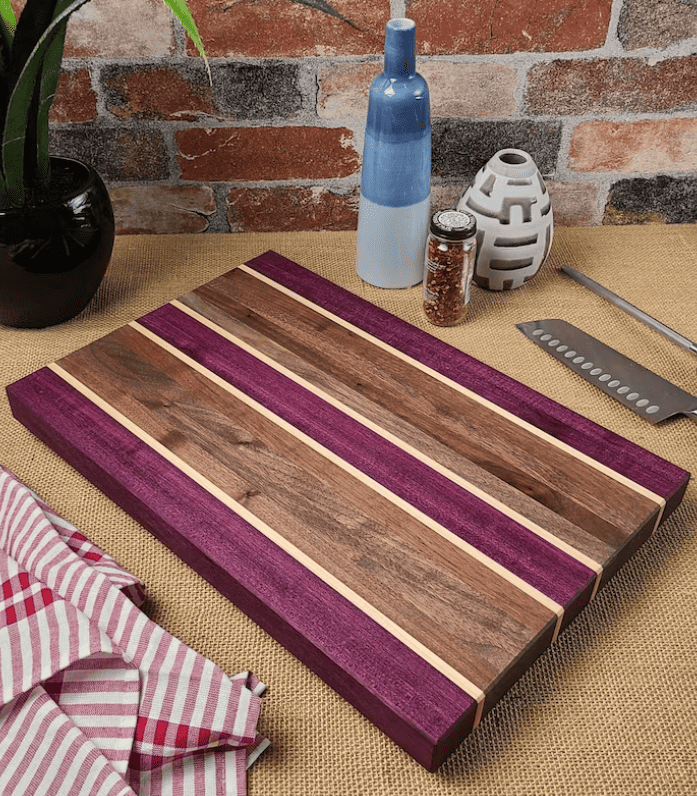
Can Purple Heart Wood Make Safe and Durable Cutting Boards?

If you’re in the market for a new cutting board, you might be wondering if purple heart wood is a good choice. This type of wood is known for its distinctive purple color, which can add a unique touch to your kitchen. But is it safe to use for cutting food?

The good news is that purple heart wood is generally considered safe for cutting boards. In fact, it’s a popular choice among woodworkers because it’s dense, durable, and resistant to bacteria. However, there are a few things you should keep in mind if you decide to use purple heart wood for your cutting board.

Understanding Purple Heart Wood

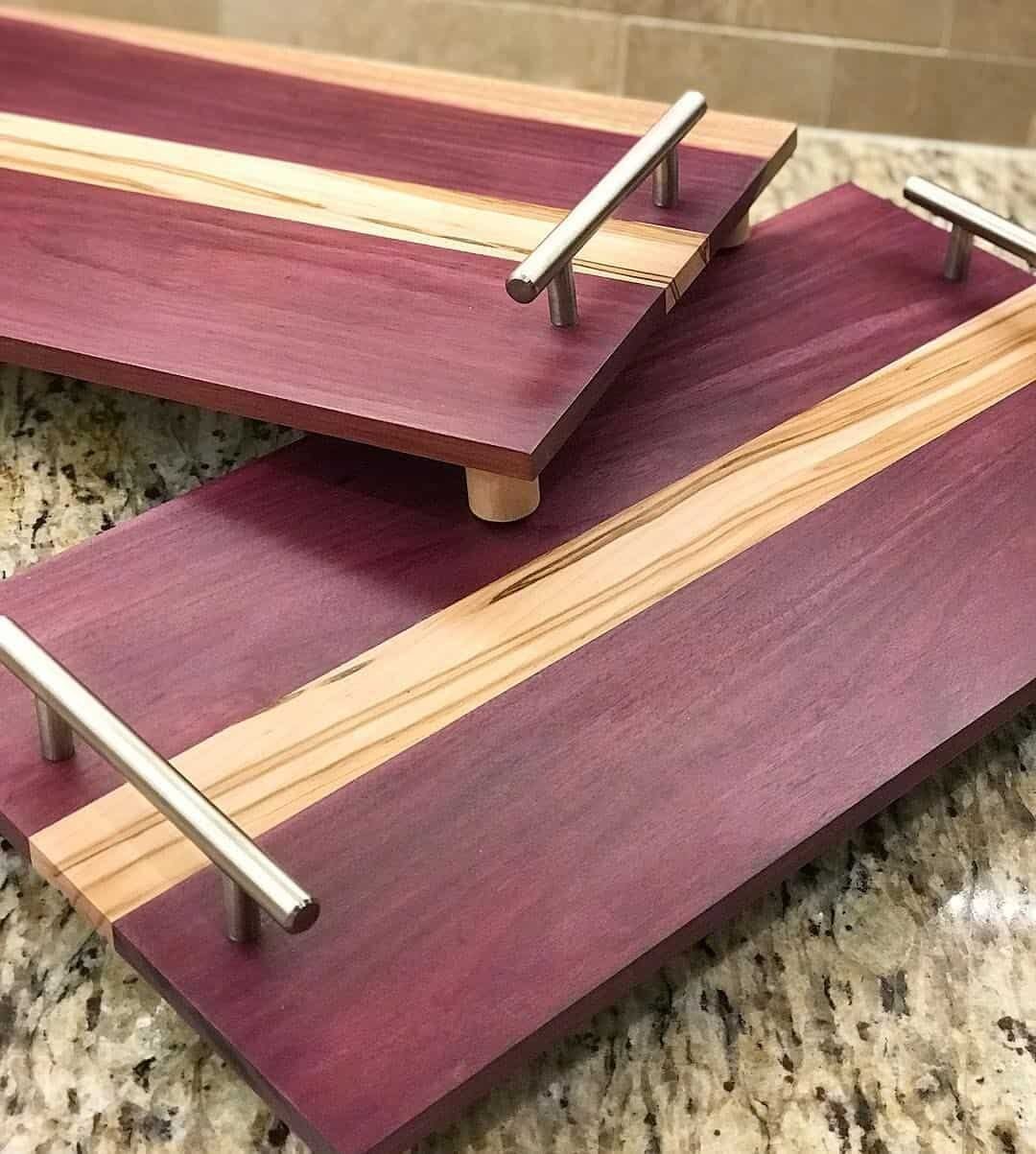
Purple Heart wood, also known as Peltogyne, is a hardwood species that is native to Central and South America. It is known for its beautiful deep purple color, which can vary in shade depending on the age of the wood and the specific species.

While Purple Heart wood is mainly used for flooring, furniture, and construction, it can also be used for cutting boards. However, there are some things you need to consider before using Purple Heart wood for this purpose.

One of the main concerns with using Purple Heart wood for cutting boards is its hardness. Purple Heart wood is very hard, which can make it difficult to work with and can cause damage to your knives. However, this also means that it is very durable and can last a long time with proper care.

Another concern is the potential toxicity of Purple Heart wood. The dust from Purple Heart wood can cause skin irritation and respiratory problems, so it is important to wear a mask and take other safety precautions when working with it. Additionally, some people may have an allergic reaction to the wood.

If you decide to use Purple Heart wood for a cutting board, it is important to ensure that it is properly finished with a food-safe finish. An unfinished Purple Heart cutting board can absorb water and bacteria, which can be harmful to your health.

Overall, while Purple Heart wood can be used for cutting boards, it is important to consider its hardness and potential toxicity before making a decision. With proper care and safety precautions, a Purple Heart cutting board can be a beautiful and durable addition to your kitchen.

Properties of Purple Heart Wood

properties-of-purple-heart-wood

Purple Heart Wood is a hardwood that is known for its unique and beautiful purple color. It is a popular choice for furniture, flooring, and decorative items. But can it be used for cutting boards? Let’s take a look at some of the properties of Purple Heart Wood to find out.

Durability

Purple Heart Wood is known for its durability. It is a very hard wood that is resistant to scratches and dents. This makes it a good choice for cutting boards that will be used frequently. However, it is important to note that Purple Heart Wood can be brittle, so it is important to handle it with care.

Hardness

Purple Heart Wood is a very hard wood. It has a Janka hardness rating of 1860, which is higher than most other hardwoods. This means that it is resistant to wear and tear, and can withstand heavy use. However, its hardness also means that it can be difficult to work with, so it is important to use sharp tools when working with Purple Heart Wood.

Water Resistance

Purple Heart Wood is naturally resistant to water. It has a tight grain that helps to prevent water from penetrating the wood. This makes it a good choice for cutting boards that will be used to prepare food. However, it is important to note that Purple Heart Wood can still be damaged by prolonged exposure to water, so it is important to dry it thoroughly after each use.

In summary, Purple Heart Wood is a durable and hard wood that is resistant to scratches, wear and tear, and water. While it can be used for cutting boards, it is important to handle it with care and to dry it thoroughly after each use.

Purple Heart Wood in Kitchenware

purple-heart-wood-in-kitchenware

If you are looking for a unique and beautiful cutting board, you may have come across purple heart wood. This exotic hardwood is known for its striking purple color and durability, making it a popular choice for kitchenware. Here’s what you need to know about using purple heart wood for cutting boards:

Durability

Purple heart wood is known for its durability and resistance to wear and tear. It is a dense hardwood that can withstand heavy use and is less prone to scratches and dents than softer woods. This makes it an excellent choice for cutting boards, which can take a lot of abuse in the kitchen.

Safety

When it comes to using purple heart wood for cutting boards, safety is a concern. While the wood itself is not toxic, it can cause skin irritation in some people. Additionally, an unfinished purple heart cutting board can absorb water and harbor bacteria, making it unsanitary for food preparation. To ensure the safety of your cutting board, it is important to coat it with a food-safe finish before use.

Maintenance

Like any cutting board, a purple heart wood cutting board requires proper maintenance to ensure its longevity and safety. To clean your cutting board, simply wash it with warm, soapy water and dry it thoroughly after each use. Avoid soaking the board in water or putting it in the dishwasher, as this can cause warping and damage to the wood. Additionally, it is recommended to oil your cutting board periodically to prevent it from drying out and cracking.

In conclusion, purple heart wood can be a beautiful and durable choice for a cutting board. However, it is important to take proper safety precautions and maintenance to ensure its longevity and safety in the kitchen.

Benefits of Purple Heart Wood Cutting Boards

benefits-of-purple-heart-wood-cutting-boards-1

When it comes to choosing a cutting board, there are many options available. However, purple heart wood cutting boards stand out for their unique properties. Here are some benefits of using purple heart wood for cutting boards:

1. Durability

Purple heart wood is known for its hardness and durability. It is one of the hardest woods available, which means it can withstand heavy use without showing signs of wear and tear. This makes it an excellent choice for cutting boards that will be used frequently.

2. Resistance to Water and Stains

Purple heart wood has a natural resistance to water and stains. This means that it won’t absorb liquids or food particles, making it easier to clean and maintain. Additionally, the natural oils in the wood help to prevent bacteria growth, which is important for a cutting board that is used for food preparation.

3. Unique Appearance

One of the most distinctive features of purple heart wood is its deep, rich purple color. This makes it an attractive choice for cutting boards, as it adds a touch of elegance to your kitchen. Over time, the wood will darken to a deep brown color, which only adds to its beauty.

4. Eco-Friendly

Purple heart wood is a sustainable choice for cutting boards. It is harvested from South and Central America, where it is grown in abundance. Additionally, the wood is not treated with any chemicals or preservatives, making it a natural and eco-friendly choice.

In conclusion, purple heart wood cutting boards are a durable, water-resistant, and attractive option for your kitchen. Their unique properties make them stand out from other types of cutting boards, and their eco-friendliness is an added bonus.

Potential Drawbacks of Purple Heart Wood Cutting Boards

benefits-of-purple-heart-wood-cutting-boards

While purple heart wood is a beautiful and durable hardwood, there are a few potential drawbacks to using it for cutting boards.

One of the main concerns is the color change that can occur with exposure to light and air. Freshly cut purple heart wood is a vibrant purple color, but this can quickly fade to a dark brown or even ash-gray when used on outdoor decking or garden furniture. If you want to maintain the purple color of your cutting board, you will need to treat it with a UV inhibitor. However, this can potentially affect the food-grade quality of the board.

Another potential issue is the toxicity of the wood. While purple heart wood is not toxic, it can cause skin irritation and respiratory issues in some people due to the dust it produces when cut or sanded. It is important to wear proper protective gear when working with this wood to avoid any negative health effects.

Additionally, purple heart wood is a very hard and dense material, which can make it difficult to work with and maintain. It can be challenging to cut and shape, and it may require more frequent sharpening of your cutting tools.

Finally, purple heart wood is not as readily available as some other types of hardwoods, which can make it more expensive and harder to find.

Overall, while purple heart wood can make a beautiful and durable cutting board, it is important to consider these potential drawbacks before making your final decision.

Caring for Purple Heart Wood Cutting Boards

If you have a cutting board made of purple heart wood, you know it’s a beautiful and durable addition to your kitchen. However, to keep it looking and functioning its best, you need to take proper care of it. Here are some tips for caring for your purple heart wood cutting board:

Cleaning

When it comes to cleaning your purple heart wood cutting board, the key is to avoid using harsh chemicals or abrasive scrubbers that can damage the wood. Instead, use a gentle dish soap and warm water to clean the board after each use. You can also use a mixture of vinegar and water to disinfect the board if needed. Just be sure to rinse the board thoroughly and dry it completely before storing it.

Oil Treatment

To keep your purple heart wood cutting board looking its best, it’s important to oil it regularly. Food-grade mineral oil is a great choice for this task, as it will help to protect the wood from moisture and prevent it from drying out. To oil your cutting board, simply apply a thin layer of oil to the surface of the board and let it soak in overnight. Then, wipe away any excess oil with a clean cloth.

Storage

When you’re not using your purple heart wood cutting board, it’s important to store it properly to prevent it from warping or cracking. Store the board in a dry place away from direct sunlight or heat sources. You can also prop the board up on its side to allow air to circulate around it.

Maintenance

Regular maintenance is key to keeping your purple heart wood cutting board in good condition. Check the board periodically for any signs of wear or damage, such as cracks or splinters. If you notice any issues, sand the affected area lightly with a fine-grit sandpaper and reapply mineral oil as needed.

By following these simple tips, you can keep your purple heart wood cutting board looking beautiful and functioning well for years to come.

Alternatives to Purple Heart Wood for Cutting Boards

If you’re looking for a wood that’s safe for cutting boards but don’t want to use purple heart wood, there are plenty of other options to consider. Here are some alternatives that you might want to consider:

1. Hard Maple

Hard maple is one of the most popular woods for cutting boards, and for good reason. It’s extremely durable, resistant to scratches and dents, and has a tight grain that makes it easy to clean. Plus, it doesn’t absorb moisture as quickly as some other woods, which means it’s less likely to warp or crack over time.

2. Walnut

Walnut is another popular choice for cutting boards, thanks to its rich, dark color and beautiful grain patterns. It’s also a very hard wood, which means it’s resistant to scratches and dents. However, it’s important to note that walnut can be a bit softer than some other hardwoods, which means it may not be as durable in the long run.

3. Cherry

Cherry wood is a great option for cutting boards if you’re looking for a wood with a warm, reddish-brown color. It’s also a very hard wood, which means it’s resistant to scratches and dents. However, like walnut, it can be a bit softer than some other hardwoods, which means it may not be as durable in the long run.

4. Bamboo

Bamboo is a great option for cutting boards if you’re looking for a sustainable, eco-friendly choice. It’s extremely durable, resistant to scratches and dents, and has a tight grain that makes it easy to clean. Plus, it’s naturally antimicrobial, which means it’s less likely to harbor bacteria than some other woods.

5. Teak

Teak is a very hard wood that’s resistant to scratches and dents, making it a great choice for cutting boards. It’s also naturally resistant to moisture, which means it’s less likely to warp or crack over time. However, it can be a bit more expensive than some other woods, so it may not be the best choice if you’re on a tight budget.

Overall, there are plenty of great alternatives to purple heart wood for cutting boards. Whether you’re looking for a wood that’s durable, eco-friendly, or just has a beautiful grain pattern, there’s a wood out there that’s perfect for your needs.

Frequently Asked Questions

Can purple heart wood be safely used for cutting boards?

Yes, purple heart wood can be used for cutting boards, but it is not recommended. The wood is very dense, making it difficult to clean thoroughly, and it can dull knives quickly. Additionally, the dust from the wood can cause nausea and may not be food-grade quality unless treated with a UV inhibitor.

What are the benefits of using purple heart wood for cutting boards?

Purple heart wood is known for its beautiful purple color, making it an attractive option for cutting boards. It is also a durable and long-lasting wood that can withstand heavy use.

How does purple heart wood compare to other woods commonly used for cutting boards?

Compared to other woods commonly used for cutting boards, such as maple and walnut, purple heart wood is much harder and denser. This can make it more difficult to work with and may dull knives more quickly.

What is the best way to finish a purple heart wood cutting board?

The best way to finish a purple heart wood cutting board is to use a food-safe film-building finish, such as mineral oil or beeswax. This will help protect the wood and keep it looking beautiful for years to come.

Are there any special considerations when working with purple heart wood for cutting boards?

When working with purple heart wood for cutting boards, it is important to wear a dust mask to avoid inhaling the dust, which can cause nausea. Additionally, the wood is very hard and dense, so it may be more difficult to work with than other woods.

What are the potential drawbacks of using purple heart wood for cutting boards?

The potential drawbacks of using purple heart wood for cutting boards include the fact that it is very dense and can dull knives quickly. It is also difficult to clean thoroughly and may not be food-grade quality unless treated with a UV inhibitor. Finally, it can be more expensive than other woods commonly used for cutting boards.

Blog

How Thick Should a Wood Cutting Board Be? A Guide to Choosing the Right Thickness

When it comes to choosing a wood cutting board, there are a lot of factors to consider. One of the most important considerations is the thickness of the board. A good cutting board should be thick enough to provide a sturdy surface that won’t warp or crack over time, but still be easy to maneuver.

So, how thick should a wood cutting board be? The ideal thickness is generally between 1 and 1 1/2 inches. This thickness strikes a good balance between sturdiness and maneuverability, and will stand up to years of use without warping or cracking. Of course, the final decision on thickness is a matter of personal preference, and there are a few other factors to consider as well.

Understanding Wood Cutting Boards

When it comes to choosing a wood cutting board, there are a few things you should consider. In this section, we’ll cover the types of wood commonly used for cutting boards and the grain orientation of the wood.

Types of Wood

Different types of wood have different characteristics that make them suitable for cutting boards. Here are some of the most popular types of wood used for cutting boards:

Type of Wood Characteristics
Maple Hard, durable, and non-porous. Resistant to scratches and bacteria.
Walnut Dark color and beautiful grain pattern. Durable and resists bacteria.
Cherry Light color that darkens over time. Soft, but durable. Resistant to bacteria.
Bamboo Sustainable and eco-friendly. Hard and durable. Resistant to bacteria.

Grain Orientation

The grain orientation of the wood used for a cutting board affects its durability and cutting surface. There are three types of grain orientation:

  1. Face Grain – The board is made by gluing together long strips of wood with the face grain facing up. This type of board is the most affordable and easiest to make. However, it is also the least durable and prone to warping and cracking.
  2. Edge Grain – The board is made by gluing together long strips of wood with the edge grain facing up. This type of board is more durable than face grain boards and less prone to warping and cracking.
  3. End Grain – The board is made by gluing together short pieces of wood with the end grain facing up. This type of board is the most durable and gentle on your knives. However, it is also the most expensive and difficult to make.

When choosing a wood cutting board, consider the type of wood and grain orientation that best suits your needs and budget.

Ideal Thickness for Wood Cutting Boards

ideal-thickness-for-wood-cutting-boards

When it comes to choosing the ideal thickness for your wood cutting board, there are a few things to consider. The thickness of your cutting board will affect its durability, stability, and ease of use. Here are some factors to keep in mind when choosing the ideal thickness for your wood cutting board:

Factors to Consider

Durability

The thickness of your cutting board will have a direct impact on its durability. A thicker board will be less likely to warp or crack over time, making it a more durable option. However, keep in mind that a thicker board will also be heavier and may be more difficult to move around.

Stability

A thicker cutting board will be more stable than a thinner one. This is because it will have a larger surface area in contact with your countertop, making it less likely to slip or move around while you’re using it. This can help prevent accidents and make your cutting board easier and safer to use.

Ease of Use

The ideal thickness for your cutting board will also depend on how you plan to use it. If you’ll be using it primarily for slicing and chopping, a thinner board may be more comfortable to work with. However, if you’ll be using it for heavy-duty tasks like pounding meat or crushing garlic, a thicker board will be more suitable.

Recommended Thickness

Based on these factors, the ideal thickness for a wood cutting board is generally between 1 and 1 1/2 inches. This thickness provides a sturdy surface that is still easy to maneuver, and it will withstand years of use without warping or cracking. However, the final decision on thickness is a matter of personal preference. If you don’t mind the weight, a thicker board may be more suitable for your needs.

Conclusion

Choosing the ideal thickness for your wood cutting board is an important decision that will affect its durability, stability, and ease of use. By considering factors like durability, stability, and ease of use, you can choose a thickness that is right for you. A thickness of between 1 and 1 1/2 inches is generally recommended for most home cooks, but ultimately, the final decision is up to you.

Factors Affecting Thickness

factors-affecting-thickness

When it comes to choosing the right thickness for your wood cutting board, there are a few factors to consider. Here are three key factors that can affect the thickness of your cutting board:

Size of the Board

The size of your cutting board can play a role in determining the optimal thickness. If you have a larger cutting board, you may want to opt for a thicker board to ensure it remains stable and doesn’t warp over time. Conversely, if you have a smaller cutting board, a thinner board may be more appropriate.

Purpose of the Board

The purpose of your cutting board can also influence the ideal thickness. For example, if you plan to use your board primarily for chopping vegetables, a thinner board may be sufficient. However, if you plan to use your board for heavier duty tasks like carving meats or chopping bones, a thicker board may be necessary to provide the necessary stability and durability.

Type of Wood Used

The type of wood used to make your cutting board can also impact the ideal thickness. Softer woods like pine or cedar may require a thicker board to prevent warping or cracking, while harder woods like maple or walnut may be more stable at a thinner thickness. It’s important to choose a wood that is appropriate for your needs and preferences.

By taking these factors into consideration, you can choose the right thickness for your wood cutting board and ensure that it provides a reliable and durable surface for all your culinary needs.

Benefits of Proper Thickness

benefits-of-proper-thickness

Choosing the right thickness for your wood cutting board is essential for a variety of reasons. Here are some benefits of having a properly thick cutting board:

Durability

A thicker cutting board is more durable and can withstand more wear and tear. It is less likely to warp, crack or split over time. This means that your cutting board will last longer and save you money in the long run.

Stability

A thicker cutting board is more stable and less likely to move around while you are cutting. This is especially important when you are cutting meat or other slippery items. A stable cutting board can help prevent accidents and injuries.

Ease of Use

A thicker cutting board is easier to use because it provides a larger surface area for cutting. This means that you can cut larger items without having to worry about them falling off the board. A thicker board is also easier to clean because it provides more space for wiping down.

Versatility

A thicker cutting board can be used for a variety of tasks. It can be used as a serving platter or as a decorative piece in your kitchen. A thicker board can also be used for heavy-duty tasks such as pounding meat or crushing garlic.

Aesthetic Appeal

A thicker cutting board can add to the aesthetic appeal of your kitchen. It can be made from a variety of woods and can be customized to fit your personal style. A thicker board can also be used as a centerpiece on your kitchen island or countertop.

Overall, choosing the right thickness for your wood cutting board is important for both functionality and aesthetic appeal. A thicker board can provide you with many benefits and is a worthwhile investment for any home cook.

Maintaining Your Wood Cutting Board

maintaining-your-wood-cutting-board

To ensure your wood cutting board lasts for years to come, it’s crucial to properly maintain it. Here are some tips for cleaning and oiling your cutting board:

Cleaning and Disinfection

Cleaning your wood cutting board after each use is essential to prevent bacteria buildup. Follow these steps for effective cleaning:

  1. Rinse your cutting board with hot water and use a dish brush or sponge to scrub off any food particles.
  2. Apply a small amount of mild dish soap and continue scrubbing.
  3. Rinse the board thoroughly with hot water and dry it with a clean towel.
  4. To disinfect your board, mix a solution of one-part vinegar to four-parts water and wipe it over the surface of the board. Let it sit for a few minutes before rinsing with hot water and drying.

Avoid using harsh chemicals or bleach, as they can damage the wood and leave a toxic residue.

Regular Oiling

Oiling your wood cutting board is crucial to prevent it from drying out and cracking. Here’s how to do it:

  1. Apply a food-grade mineral oil or beeswax to the surface of the board.
  2. Use a clean cloth to rub the oil into the wood, making sure to cover all areas.
  3. Let the board sit for at least 4 hours or overnight to allow the oil to penetrate the wood.
  4. Wipe off any excess oil with a clean cloth before using the board.

Repeat this process every 3-4 weeks, or as needed, depending on how often you use your cutting board.

By following these simple maintenance tips, you can ensure your wood cutting board stays in excellent condition and lasts for years to come.

Frequently Asked Questions

Where can I find high-quality wood for cutting boards?

You can find high-quality wood for cutting boards at your local lumberyard or specialty woodworking store. Look for hardwoods such as maple, cherry, or walnut, which are durable and have a tight grain pattern that won’t dull your knives as quickly. Avoid softwoods like pine or cedar, which can be too porous and prone to warping.

How do I properly treat a homemade cutting board?

To properly treat a homemade cutting board, start by sanding the surface smooth and removing any rough spots or splinters. Then, apply a food-safe oil or wax to the surface, such as mineral oil or beeswax. This will help protect the wood from moisture and prevent it from drying out or cracking over time. Reapply the oil or wax every few months or as needed to maintain the board’s condition.

What is the ideal thickness for an end grain cutting board?

The ideal thickness for an end grain cutting board is at least 2 inches. This thickness provides a sturdy surface that can withstand heavy use and won’t warp or crack over time. Thicker boards may be even more durable, but can be heavier and more difficult to maneuver.

What are some tips for making a cutting board food safe?

To make a cutting board food safe, start by using only hardwoods that are free from knots, cracks, or other defects that could harbor bacteria. Sand the surface smooth and apply a food-safe oil or wax to protect the wood from moisture and prevent it from absorbing bacteria. Always wash your cutting board with hot, soapy water after each use and avoid using it for raw meat or other high-risk foods.

What are the common sizes for cutting boards in centimeters?

Common sizes for cutting boards in centimeters are 30 x 45 cm, 40 x 60 cm, and 50 x 70 cm. However, the size of your cutting board will depend on your personal preferences and the size of your kitchen. Choose a size that fits comfortably on your countertop and provides enough space for your cutting needs.

Are thicker cutting boards better for durability?

Thicker cutting boards are generally better for durability, as they are less likely to warp or crack over time. However, thicker boards can be heavier and more difficult to maneuver, so it’s important to choose a thickness that works for your needs. A thickness of 1 1/4 to 2 inches is generally considered ideal for most cutting boards.