Month: August 2023

Blog

What Hybrid Replaces a 3 Wood? A Friendly Guide to Choosing the Right Club

Are you in search of a club to replace your 3 wood? Look no further than a hybrid club. Hybrid clubs have become increasingly popular in recent years due to their versatility and ability to replace multiple clubs in a golfer’s bag. But what hybrid replaces a 3 wood?

A 3 wood is typically used for longer shots off the fairway and tee, but a hybrid club can provide similar distance and accuracy while also being easier to hit. The loft of a 3 wood is typically between 14 and 16 degrees, while a hybrid club can range from 16 to 22 degrees. The higher loft of a hybrid club allows for a higher launch angle and more spin, making it easier to get the ball in the air and land it softly on the green.

When selecting a hybrid to replace your 3 wood, it is important to consider the loft, shaft length, and average distance of each club. The right hybrid can help fill the gap between your fairway woods and irons, providing you with a more consistent and reliable club for those longer shots. So, what hybrid replaces a 3 wood? Let’s take a closer look at some options and factors to consider.

Understanding Hybrid Clubs

The Basics

Hybrid clubs, also known as utility clubs, are a combination of fairway woods and irons. They are designed to provide golfers with a more forgiving option than long irons, while still maintaining the distance of a fairway wood. Hybrid clubs typically have a smaller clubhead than fairway woods, but larger than irons. They also have a lower center of gravity, which helps to launch the ball higher and with more accuracy.

Hybrids are available in a variety of lofts and can replace any club in your bag, from a 1 iron to a pitching wedge. They are especially useful for players who struggle with long irons or fairway woods. By using a hybrid, you can hit the ball higher and with more accuracy, making it easier to hit greens in regulation.

Benefits of Hybrid Clubs

One of the main benefits of using a hybrid club is the increased forgiveness it provides. Hybrids have a larger sweet spot than long irons, making it easier to hit good shots, even on mishits. They also have a lower center of gravity, which helps to launch the ball higher and with more accuracy.

Another benefit of using a hybrid is the versatility it provides. Hybrids can be used from a variety of lies, including fairway, rough, and even bunkers. They are also useful for getting out of trouble, such as when you need to hit a low shot under a tree branch.

Overall, hybrid clubs are a great addition to any golfer’s bag. They provide increased forgiveness and versatility, making it easier to hit good shots from a variety of lies. If you struggle with long irons or fairway woods, consider adding a hybrid to your bag to improve your game.

Hybrid Clubs Vs 3 Wood
hybrid-clubs-vs-3-wood

When it comes to deciding between a hybrid club and a 3 wood, there are a few key factors to consider. Here are some things to keep in mind:

Distance Comparison

One of the main differences between a hybrid club and a 3 wood is the distance they can achieve. In general, a 3 wood will travel further than a hybrid club. This is because a 3 wood has a longer shaft and a lower loft angle, which allows for a greater amount of clubhead speed and distance.

However, it’s important to keep in mind that distance isn’t the only factor to consider. A hybrid club may not travel as far as a 3 wood, but it can still provide plenty of distance while also offering greater accuracy and control.

Ease of Use

Another factor to consider is ease of use. While a 3 wood can be a powerful club in the right hands, it can also be difficult to hit consistently. This is because it requires a high level of skill and technique to get the most out of it.

On the other hand, a hybrid club is generally easier to hit than a 3 wood. This is because it has a shorter shaft and a higher loft angle, which makes it easier to get the ball in the air and keep it on target.

Versatility

Finally, it’s worth considering the versatility of each type of club. A 3 wood is generally used for long shots off the tee or from the fairway, while a hybrid club can be used for a wider range of shots.

For example, a hybrid club can be used for long approach shots, shots from the rough, and even chip shots around the green. This versatility can make a hybrid club a valuable addition to your bag, especially if you’re looking for a club that can help you in a variety of situations.

Overall, the decision between a hybrid club and a 3 wood will depend on your individual needs and preferences. Consider factors like distance, ease of use, and versatility when making your decision, and don’t be afraid to experiment with different clubs to find the ones that work best for you.

Popular Hybrid Replacements for 3 Wood

popular-hybrid-replacements-for-3-wood

If you’re looking for a replacement for your 3 wood, a hybrid club might be just what you need. Here are a few popular options to consider:

Callaway Big Bertha

The Callaway Big Bertha hybrid is a great option for those looking to replace their 3 wood. It features a larger head and a low center of gravity, which makes it easier to launch the ball high and far. The club also has a high MOI (moment of inertia), which means it’s more forgiving on off-center hits.

TaylorMade M6

The TaylorMade M6 hybrid is another solid choice for those in search of a 3 wood replacement. It has a sleek, aerodynamic design that promotes faster swing speeds and longer shots. The M6 also has a low CG (center of gravity) and a high MOI, making it easy to hit and forgiving on mishits.

Cobra King F9

The Cobra King F9 hybrid is a versatile club that can replace both your 3 wood and your long irons. It has a lightweight carbon fiber crown and a low CG, which helps you launch the ball high and far. The F9 also has adjustable loft and lie settings, so you can fine-tune it to your swing and the course conditions.

No matter which hybrid you choose, make sure to get fitted for the right shaft and loft to maximize your performance. Happy golfing!

Factors to Consider When Replacing a 3 Wood with a Hybrid

factors-to-consider-when-replacing-a-3-wood-with-a-hybrid

When it comes to replacing a 3 wood with a hybrid, there are several factors that you need to consider to ensure that you make the right choice. Here are some of the key factors that you should keep in mind:

Skill Level

Your skill level is an important factor to consider when choosing a hybrid to replace your 3 wood. If you are a beginner or a high handicapper, you may want to choose a hybrid with a higher loft and a larger clubhead. These features can make it easier to hit the ball higher and straighter, which can be beneficial for golfers who struggle with consistency.

On the other hand, if you are a more experienced golfer with a lower handicap, you may prefer a hybrid with a lower loft and a smaller clubhead. This type of hybrid can provide more distance and control, which can be useful for golfers who are looking to shape their shots and hit the ball with more precision.

Course Conditions

The course conditions that you typically play on can also influence your choice of hybrid. If you play on courses with tight fairways and thick rough, a hybrid with a higher loft and a larger clubhead can be advantageous. This type of hybrid can help you get out of trouble and advance the ball towards the green more easily.

On the other hand, if you play on courses with wide fairways and little rough, a hybrid with a lower loft and a smaller clubhead may be more suitable. This type of hybrid can provide more distance and accuracy, which can be beneficial for golfers who are looking to hit longer shots and attack the green more aggressively.

Personal Preference

Finally, your personal preference is an important factor to consider when choosing a hybrid to replace your 3 wood. Some golfers prefer hybrids with a more wood-like feel and appearance, while others prefer hybrids that look and feel more like irons.

You should also consider the shaft flex, weight, and length of the hybrid, as well as any other features that are important to you. Ultimately, the best hybrid for you is the one that feels comfortable in your hands and inspires confidence in your swing.

Frequently Asked Questions

What is the difference between a 2 hybrid and a 3 wood?

A 2 hybrid is a club that is designed to replace a 2 iron, while a 3 wood is a club that is designed for longer shots off the tee or from the fairway. The main difference between the two is the loft angle. A 2 hybrid typically has a loft angle of around 16-19 degrees, while a 3 wood has a loft angle of around 15-18 degrees.

Can a 2 hybrid replace a 3 wood?

While a 2 hybrid can be a good replacement for a 3 wood, it may not be able to hit the ball as far as a 3 wood can. The loft angle of a 2 hybrid is lower than that of a 3 wood, which means that it may not be able to generate as much distance. However, a 2 hybrid can be more versatile and easier to hit than a 3 wood, making it a good option for players who struggle with fairway woods.

What is the best 2 hybrid golf club?

There are many good 2 hybrid golf clubs on the market, and the best one for you will depend on your individual needs and preferences. Some popular options include the TaylorMade SIM Max Rescue, Callaway MAVRIK Max Hybrid, and Titleist TS2 Hybrid. It’s important to try out different clubs and find one that feels comfortable and suits your swing style.

Is there a hybrid that hits as far as a 3 wood?

While hybrids can be versatile and easier to hit than fairway woods, they may not be able to hit the ball as far as a 3 wood can. The loft angle of a hybrid is typically lower than that of a fairway wood, which means that it may not be able to generate as much distance. However, some hybrids are designed to be more distance-oriented and may be able to hit the ball as far as a 3 wood.

Can you replace fairway woods with hybrids?

Yes, you can replace fairway woods with hybrids. Hybrids are designed to be more versatile and easier to hit than fairway woods, making them a good option for players who struggle with fairway woods. However, it’s important to keep in mind that hybrids may not be able to hit the ball as far as fairway woods can, so you may need to adjust your club selection accordingly.

Where is the best place to buy golf clubs?

There are many places to buy golf clubs, including golf stores, sporting goods stores, and online retailers. It’s important to do your research and find a reputable seller that offers a wide selection of clubs at competitive prices. Some popular options include Golf Galaxy, Dick’s Sporting Goods, and Amazon.

Blog

Will Super Glue Work on Wood? A Comprehensive Guide to Using Super Glue on Different Types of Wood

Are you wondering if super glue will work on wood? The answer is yes, super glue can be used on wood for a variety of projects. However, it’s important to keep in mind that not all types of wood will bond well with super glue, and there are some best practices to follow to ensure a strong and lasting bond.

Super glue, also known as cyanoacrylate glue, is a fast-drying adhesive that can bond quickly and securely to a variety of materials, including wood. It’s a popular choice for DIY projects and small repairs because of its ease of use and ability to bond quickly. However, when using super glue on wood, it’s important to choose the right type of glue and to prepare the wood surface properly to ensure a strong bond.

Understanding Super Glue

Super glue, also known as cyanoacrylate glue, is a fast-drying adhesive that can be used on a variety of surfaces, including wood. It is a popular choice for DIY projects because it is easy to use and creates a strong bond quickly.

When using super glue on wood, it is important to understand how it works. Super glue works by creating a chemical reaction with moisture. This means that the glue will dry faster in humid environments. If you are working in a dry environment, you may need to add a small amount of water to the wood to help the glue bond properly.

Super glue is not recommended for use on large surfaces or load-bearing joints. It is best used for small projects or for attaching small pieces of wood together. For larger projects, it is recommended to use wood glue or another type of adhesive that is designed for use on wood.

It is important to note that super glue can be difficult to remove if it gets on your skin or other surfaces. To avoid this, it is recommended to wear gloves and work in a well-ventilated area.

Overall, super glue can be a useful tool for woodworking projects, but it is important to understand its limitations and use it appropriately.

Basics of Wood Material

basics-of-wood-material

When it comes to woodworking, understanding the basics of wood material is essential. Wood is a natural material that comes in different types, each with its unique characteristics. Here are some of the basics you need to know:

Types of Wood

There are two main types of wood: hardwood and softwood. Hardwood comes from deciduous trees like oak and maple, while softwood comes from coniferous trees like pine and spruce. Hardwood is generally more expensive than softwood, but it’s also more durable and has a more attractive appearance.

Wood Grain

The grain of wood refers to the pattern of lines and fibers on the surface of the wood. The grain can be straight, wavy, or curly, depending on the type of wood. Understanding the grain is important when cutting and shaping wood, as it affects the strength and appearance of the final product.

Moisture Content

The moisture content of wood refers to the amount of water in the wood. Wood that is too dry or too wet can cause problems when working with it. For example, wood that is too dry can split and crack, while wood that is too wet can shrink and warp.

Wood Density

The density of wood refers to how much it weighs per unit of volume. Dense woods like oak and maple are harder and more durable than less dense woods like pine and spruce. The density of wood also affects its ability to hold screws and nails.

By understanding the basics of wood material, you can choose the right type of wood for your project and work with it effectively.

Super Glue on Wood: Does it Work?

super-glue-on-wood-does-it-work

Super glue, also known as cyanoacrylate, is a fast-acting adhesive that can bond almost anything together. But does it work on wood? The answer is yes, super glue can be used on wood, but it’s important to understand its limitations.

When using super glue on wood, it’s important to note that it works best on small pieces of wood and not on large surfaces. It’s also not recommended for use on wood that will be exposed to water or other liquids, as the bond may weaken over time.

One of the benefits of using super glue on wood is that it dries quickly, making it ideal for small repairs or projects. It can also be mixed with sawdust to create a custom gap-filling paste for holes and grooves in wooden blocks or pieces of wood.

To ensure a strong bond, it’s important to prepare the surface of the wood before applying the super glue. The surface should be clean and dry, free of any dirt, dust, or debris. Sanding the surface can also help improve the bond.

In summary, super glue can be used on wood, but it’s important to keep in mind its limitations. It’s best used for small repairs or projects and should not be used on wood that will be exposed to water or other liquids. With proper preparation and application, super glue can be a useful tool in your woodworking arsenal.

Factors Influencing Super Glue Effectiveness

factors-influencing-super-glue-effectiveness

When it comes to bonding wood with super glue, there are several factors that can impact its effectiveness. Here are some of the key things to consider:

Surface Preparation

Before applying super glue to wood, it’s important to ensure that the surface is clean and dry. Any dirt, dust, or moisture on the surface can interfere with the bonding process and weaken the bond. You can use a clean cloth or paper towel to wipe down the surface and remove any debris. If the wood is particularly dirty or greasy, you may need to use a mild detergent to clean it.

Type of Wood

The type of wood you’re working with can also affect the effectiveness of super glue. Some woods, such as oak and maple, are very dense and can be difficult to bond with super glue. Other woods, like pine and cedar, are more porous and may absorb the glue more readily. In general, softer woods tend to bond better with super glue than harder woods.

Joint Design

The design of the joint you’re trying to create can also impact the effectiveness of super glue. Super glue works best when the joint is tight-fitting and there are no gaps between the pieces of wood. If there are gaps, the glue may not be able to penetrate the wood and create a strong bond. In some cases, you may need to use clamps or other tools to hold the pieces of wood together while the glue dries.

Temperature and Humidity

Temperature and humidity can also affect the bonding process. Super glue works best in warm, dry conditions. If the temperature is too cold or the humidity is too high, the glue may take longer to dry or may not bond as strongly. You may need to wait longer for the glue to dry or use a different adhesive if the conditions are not ideal.

By taking these factors into consideration, you can increase the effectiveness of super glue when bonding wood. Keep in mind that super glue is not always the best choice for every project, so be sure to consider the specific needs of your project before choosing an adhesive.

Ideal Conditions for Using Super Glue on Wood

ideal-conditions-for-using-super-glue-on-wood

When using super glue on wood, there are certain conditions that need to be met to ensure a strong bond. Here are some ideal conditions for using super glue on wood:

Clean and Dry Surface

Before applying super glue, make sure the surface of the wood is clean and dry. Any dirt, dust, or moisture can weaken the bond between the glue and the wood. Use a clean cloth to wipe the surface and let it dry completely before applying the glue.

Smooth Surface

Super glue works best on smooth surfaces. If the surface of the wood is rough or uneven, the glue may not adhere properly. Sand the surface of the wood to make it smooth before applying the glue.

Proper Amount of Glue

Using too little or too much glue can affect the strength of the bond. Apply a thin layer of glue to one surface and press the two surfaces together firmly. Avoid using too much pressure as it can cause the glue to spread out and weaken the bond.

Ideal Temperature and Humidity

Super glue works best at room temperature and in low humidity conditions. High humidity can cause the glue to cure too quickly, while low humidity can cause it to take longer to cure. Avoid using super glue in extreme temperatures or humidity levels.

Use with Caution

Super glue can be harmful if it comes in contact with skin or eyes. Use with caution and wear gloves to protect your skin. If the glue gets on your skin, wash it off immediately with soap and water. If it gets in your eyes, seek medical attention immediately.

By following these ideal conditions, you can ensure a strong bond between super glue and wood.

Alternatives to Super Glue for Wood

alternatives-to-super-glue-for-wood

While super glue can be a quick fix for bonding wood, it may not always be the best option. Here are some alternatives to consider:

Wood Glue

Wood glue is specifically designed for woodworking projects and is a great alternative to super glue. It creates a strong bond between two pieces of wood and dries clear, making it perfect for furniture repairs or other woodworking projects. Plus, it’s easy to sand and paint over once it’s dry.

Epoxy Glue

Epoxy glue is a two-part adhesive that creates a very strong and permanent bond. It’s perfect for bonding wood to other materials and can also be used for filling in gaps or cracks in wood. However, it takes longer to dry than super glue or wood glue, so be prepared to wait a bit before moving on to the next step of your project.

Construction Adhesive

Construction adhesive is a heavy-duty adhesive that can be used for bonding wood to other materials, such as metal or concrete. It creates a strong and permanent bond and is ideal for projects that require a lot of strength and durability. However, it’s not as easy to work with as wood glue or super glue, so make sure you have some experience working with adhesives before using it.

PVA Glue

PVA glue works similarly to wood glue and is great for bonding wood to wood. It’s easy to work with, dries clear, and can be sanded and painted over once it’s dry. However, it’s not as strong as some of the other alternatives listed above, so it may not be the best option for heavy-duty projects.

Overall, there are many alternatives to super glue for bonding wood. Consider the strength, drying time, and ease of use when choosing the right adhesive for your project.

Safety Measures When Using Super Glue on Wood

safety-measures-when-using-super-glue-on-wood

When using super glue on wood, it is important to take some safety measures to avoid accidents and ensure the best results. Here are some tips to help you use super glue safely on wood:

1. Wear Protective Gear

Super glue is a strong adhesive that can bond skin and other surfaces together. To avoid accidentally gluing your fingers or other body parts together, it is recommended to wear protective gear such as gloves and safety glasses.

2. Work in a Well-Ventilated Area

Super glue fumes can be harmful if inhaled. To avoid any respiratory problems, it is important to work in a well-ventilated area. Open windows or turn on a fan to circulate the air in the room.

3. Avoid Contact with Skin

If super glue comes in contact with your skin, it can cause irritation or even burn your skin. If this happens, do not try to pull the skin apart, as it can cause more damage. Instead, soak the affected area in warm soapy water and gently peel the skin apart.

4. Use the Right Amount of Glue

Using too much or too little glue can affect the bonding strength and the appearance of the final product. Use a small amount of glue and apply it evenly on the surface to be bonded.

5. Store Super Glue Properly

Super glue can dry out quickly if not stored properly. Keep the glue in a cool, dry place and tightly close the lid after each use.

By following these safety measures, you can use super glue on wood safely and achieve the best results.

Tips for Applying Super Glue on Wood

When applying super glue on wood, there are a few tips you should keep in mind to ensure a successful bond. Here are some tips to help you get the best results:

  • Clean the surface: Before applying the super glue, make sure the surfaces are clean and free of any dirt, dust, or debris. This will help the glue to bond better and create a stronger hold.
  • Apply the glue sparingly: Super glue is a very strong adhesive, and a little goes a long way. Apply the glue sparingly to avoid any excess glue that could drip or seep out of the joint.
  • Use clamps or weights: Super glue bonds quickly, but it takes a little time to fully cure. To ensure a strong bond, use clamps or weights to hold the joint in place until the glue is completely cured.
  • Avoid gaps: Super glue works best when the surfaces are in tight contact with each other. Avoid any gaps between the pieces you are attaching, as this could cause the joint to fail.
  • Mix with sawdust: If you need to fill gaps or holes in the wood, mix the super glue with sawdust to create a wood filler. This will help to fill in any gaps and create a stronger bond.

By following these tips, you can ensure that your super glue bonds to wood properly and creates a strong hold.

Frequently Asked Questions

Can I use super glue on wood trim?

Yes, you can use super glue on wood trim. Super glue is a great adhesive for small repairs on wood trim. However, if you need to bond large pieces of wood trim, you may want to consider a different type of adhesive.

What is the best glue for wood to wood?

The best glue for wood to wood depends on the project. For most woodworking projects, carpenter’s glue is the best choice. It has a strong bond and dries clear. However, if you need a fast-drying adhesive, super glue may be a better option.

How does Gorilla Wood Glue compare to super glue for wood?

Gorilla Wood Glue is a type of carpenter’s glue that is designed specifically for woodworking projects. It has a strong bond and dries clear. Super glue, on the other hand, is a fast-drying adhesive that can be used for small repairs on wood. While both adhesives are effective, Gorilla Wood Glue is a better choice for most woodworking projects.

What is the best super glue for wood?

The best super glue for wood is a cyanoacrylate-based adhesive. It is fast-drying and provides a strong bond. Look for a super glue that is specifically designed for wood, as these adhesives are formulated to bond with the unique properties of wood.

How long does super glue last on wood?

Super glue can last for years on wood if it is applied correctly. However, the exact lifespan of the adhesive will depend on a variety of factors, including the amount of glue used, the type of wood, and the conditions the wood is exposed to.

Is super glue permanent on wood?

Super glue is a permanent adhesive that forms a strong bond with wood. However, it is important to note that super glue is not a good choice for all woodworking projects. For large projects, carpenter’s glue or other types of adhesives may be a better choice.

Blog

How Thick Should a Wood Cutting Board Be? A Guide to Choosing the Right Thickness

When it comes to choosing a wood cutting board, there are a lot of factors to consider. One of the most important considerations is the thickness of the board. A good cutting board should be thick enough to provide a sturdy surface that won’t warp or crack over time, but still be easy to maneuver.

So, how thick should a wood cutting board be? The ideal thickness is generally between 1 and 1 1/2 inches. This thickness strikes a good balance between sturdiness and maneuverability, and will stand up to years of use without warping or cracking. Of course, the final decision on thickness is a matter of personal preference, and there are a few other factors to consider as well.

Understanding Wood Cutting Boards

When it comes to choosing a wood cutting board, there are a few things you should consider. In this section, we’ll cover the types of wood commonly used for cutting boards and the grain orientation of the wood.

Types of Wood

Different types of wood have different characteristics that make them suitable for cutting boards. Here are some of the most popular types of wood used for cutting boards:

Type of Wood Characteristics
Maple Hard, durable, and non-porous. Resistant to scratches and bacteria.
Walnut Dark color and beautiful grain pattern. Durable and resists bacteria.
Cherry Light color that darkens over time. Soft, but durable. Resistant to bacteria.
Bamboo Sustainable and eco-friendly. Hard and durable. Resistant to bacteria.

Grain Orientation

The grain orientation of the wood used for a cutting board affects its durability and cutting surface. There are three types of grain orientation:

  1. Face Grain – The board is made by gluing together long strips of wood with the face grain facing up. This type of board is the most affordable and easiest to make. However, it is also the least durable and prone to warping and cracking.
  2. Edge Grain – The board is made by gluing together long strips of wood with the edge grain facing up. This type of board is more durable than face grain boards and less prone to warping and cracking.
  3. End Grain – The board is made by gluing together short pieces of wood with the end grain facing up. This type of board is the most durable and gentle on your knives. However, it is also the most expensive and difficult to make.

When choosing a wood cutting board, consider the type of wood and grain orientation that best suits your needs and budget.

Ideal Thickness for Wood Cutting Boards

ideal-thickness-for-wood-cutting-boards

When it comes to choosing the ideal thickness for your wood cutting board, there are a few things to consider. The thickness of your cutting board will affect its durability, stability, and ease of use. Here are some factors to keep in mind when choosing the ideal thickness for your wood cutting board:

Factors to Consider

Durability

The thickness of your cutting board will have a direct impact on its durability. A thicker board will be less likely to warp or crack over time, making it a more durable option. However, keep in mind that a thicker board will also be heavier and may be more difficult to move around.

Stability

A thicker cutting board will be more stable than a thinner one. This is because it will have a larger surface area in contact with your countertop, making it less likely to slip or move around while you’re using it. This can help prevent accidents and make your cutting board easier and safer to use.

Ease of Use

The ideal thickness for your cutting board will also depend on how you plan to use it. If you’ll be using it primarily for slicing and chopping, a thinner board may be more comfortable to work with. However, if you’ll be using it for heavy-duty tasks like pounding meat or crushing garlic, a thicker board will be more suitable.

Recommended Thickness

Based on these factors, the ideal thickness for a wood cutting board is generally between 1 and 1 1/2 inches. This thickness provides a sturdy surface that is still easy to maneuver, and it will withstand years of use without warping or cracking. However, the final decision on thickness is a matter of personal preference. If you don’t mind the weight, a thicker board may be more suitable for your needs.

Conclusion

Choosing the ideal thickness for your wood cutting board is an important decision that will affect its durability, stability, and ease of use. By considering factors like durability, stability, and ease of use, you can choose a thickness that is right for you. A thickness of between 1 and 1 1/2 inches is generally recommended for most home cooks, but ultimately, the final decision is up to you.

Factors Affecting Thickness

factors-affecting-thickness

When it comes to choosing the right thickness for your wood cutting board, there are a few factors to consider. Here are three key factors that can affect the thickness of your cutting board:

Size of the Board

The size of your cutting board can play a role in determining the optimal thickness. If you have a larger cutting board, you may want to opt for a thicker board to ensure it remains stable and doesn’t warp over time. Conversely, if you have a smaller cutting board, a thinner board may be more appropriate.

Purpose of the Board

The purpose of your cutting board can also influence the ideal thickness. For example, if you plan to use your board primarily for chopping vegetables, a thinner board may be sufficient. However, if you plan to use your board for heavier duty tasks like carving meats or chopping bones, a thicker board may be necessary to provide the necessary stability and durability.

Type of Wood Used

The type of wood used to make your cutting board can also impact the ideal thickness. Softer woods like pine or cedar may require a thicker board to prevent warping or cracking, while harder woods like maple or walnut may be more stable at a thinner thickness. It’s important to choose a wood that is appropriate for your needs and preferences.

By taking these factors into consideration, you can choose the right thickness for your wood cutting board and ensure that it provides a reliable and durable surface for all your culinary needs.

Benefits of Proper Thickness

benefits-of-proper-thickness

Choosing the right thickness for your wood cutting board is essential for a variety of reasons. Here are some benefits of having a properly thick cutting board:

Durability

A thicker cutting board is more durable and can withstand more wear and tear. It is less likely to warp, crack or split over time. This means that your cutting board will last longer and save you money in the long run.

Stability

A thicker cutting board is more stable and less likely to move around while you are cutting. This is especially important when you are cutting meat or other slippery items. A stable cutting board can help prevent accidents and injuries.

Ease of Use

A thicker cutting board is easier to use because it provides a larger surface area for cutting. This means that you can cut larger items without having to worry about them falling off the board. A thicker board is also easier to clean because it provides more space for wiping down.

Versatility

A thicker cutting board can be used for a variety of tasks. It can be used as a serving platter or as a decorative piece in your kitchen. A thicker board can also be used for heavy-duty tasks such as pounding meat or crushing garlic.

Aesthetic Appeal

A thicker cutting board can add to the aesthetic appeal of your kitchen. It can be made from a variety of woods and can be customized to fit your personal style. A thicker board can also be used as a centerpiece on your kitchen island or countertop.

Overall, choosing the right thickness for your wood cutting board is important for both functionality and aesthetic appeal. A thicker board can provide you with many benefits and is a worthwhile investment for any home cook.

Maintaining Your Wood Cutting Board

maintaining-your-wood-cutting-board

To ensure your wood cutting board lasts for years to come, it’s crucial to properly maintain it. Here are some tips for cleaning and oiling your cutting board:

Cleaning and Disinfection

Cleaning your wood cutting board after each use is essential to prevent bacteria buildup. Follow these steps for effective cleaning:

  1. Rinse your cutting board with hot water and use a dish brush or sponge to scrub off any food particles.
  2. Apply a small amount of mild dish soap and continue scrubbing.
  3. Rinse the board thoroughly with hot water and dry it with a clean towel.
  4. To disinfect your board, mix a solution of one-part vinegar to four-parts water and wipe it over the surface of the board. Let it sit for a few minutes before rinsing with hot water and drying.

Avoid using harsh chemicals or bleach, as they can damage the wood and leave a toxic residue.

Regular Oiling

Oiling your wood cutting board is crucial to prevent it from drying out and cracking. Here’s how to do it:

  1. Apply a food-grade mineral oil or beeswax to the surface of the board.
  2. Use a clean cloth to rub the oil into the wood, making sure to cover all areas.
  3. Let the board sit for at least 4 hours or overnight to allow the oil to penetrate the wood.
  4. Wipe off any excess oil with a clean cloth before using the board.

Repeat this process every 3-4 weeks, or as needed, depending on how often you use your cutting board.

By following these simple maintenance tips, you can ensure your wood cutting board stays in excellent condition and lasts for years to come.

Frequently Asked Questions

Where can I find high-quality wood for cutting boards?

You can find high-quality wood for cutting boards at your local lumberyard or specialty woodworking store. Look for hardwoods such as maple, cherry, or walnut, which are durable and have a tight grain pattern that won’t dull your knives as quickly. Avoid softwoods like pine or cedar, which can be too porous and prone to warping.

How do I properly treat a homemade cutting board?

To properly treat a homemade cutting board, start by sanding the surface smooth and removing any rough spots or splinters. Then, apply a food-safe oil or wax to the surface, such as mineral oil or beeswax. This will help protect the wood from moisture and prevent it from drying out or cracking over time. Reapply the oil or wax every few months or as needed to maintain the board’s condition.

What is the ideal thickness for an end grain cutting board?

The ideal thickness for an end grain cutting board is at least 2 inches. This thickness provides a sturdy surface that can withstand heavy use and won’t warp or crack over time. Thicker boards may be even more durable, but can be heavier and more difficult to maneuver.

What are some tips for making a cutting board food safe?

To make a cutting board food safe, start by using only hardwoods that are free from knots, cracks, or other defects that could harbor bacteria. Sand the surface smooth and apply a food-safe oil or wax to protect the wood from moisture and prevent it from absorbing bacteria. Always wash your cutting board with hot, soapy water after each use and avoid using it for raw meat or other high-risk foods.

What are the common sizes for cutting boards in centimeters?

Common sizes for cutting boards in centimeters are 30 x 45 cm, 40 x 60 cm, and 50 x 70 cm. However, the size of your cutting board will depend on your personal preferences and the size of your kitchen. Choose a size that fits comfortably on your countertop and provides enough space for your cutting needs.

Are thicker cutting boards better for durability?

Thicker cutting boards are generally better for durability, as they are less likely to warp or crack over time. However, thicker boards can be heavier and more difficult to maneuver, so it’s important to choose a thickness that works for your needs. A thickness of 1 1/4 to 2 inches is generally considered ideal for most cutting boards.

Blog

“What Kind of Wood is Common Board at Home Depot?” – A Quick Guide to Understanding the Popular Building Material

If you’re planning on doing some woodworking projects, you may be wondering what kind of wood is common board at Home Depot. Common boards are a type of softwood board that are used for a variety of purposes, including framing, interior finishing, and more. They are available in a range of sizes and grades, so it’s important to know what you’re looking for before you make a purchase.

At Home Depot, you can find a variety of common boards made from different types of softwood, including pine, fir, and spruce. These boards are typically sold in standard sizes, such as 1×6, 1×8, and 1×12, and are available in lengths up to 16 feet. The specific type of wood used for common boards can vary depending on the region and availability, so it’s important to check the product label or speak with a Home Depot associate to ensure you’re getting the right type of wood for your project.

Types of Common Board at Home Depot

If you’re looking for common board at Home Depot, you’ll find a few different options. Common board is typically made from softwood, which is a type of wood that comes from coniferous trees. Softwood is often less expensive than hardwood, which is made from deciduous trees. Here are the three main types of common board you’ll find at Home Depot:

Pine

Pine is a popular choice for common board because it’s affordable and easy to work with. Pine is a softwood that comes from pine trees. It’s known for its light color and straight grain. Pine common board is often used for projects like shelving, furniture, and trim work.

Fir

Fir is another type of softwood that’s commonly used for common board. Fir is known for its strength and durability, which makes it a good choice for projects that need to withstand wear and tear. Fir common board is often used for framing, decking, and other outdoor projects.

Spruce

Spruce is a type of softwood that’s similar to pine. It’s known for its light color and fine texture. Spruce common board is often used for projects like shelving, furniture, and trim work.

When you’re choosing common board at Home Depot, it’s important to consider the type of project you’re working on. Pine is a good choice for projects that don’t need to withstand a lot of wear and tear, while fir and spruce are better choices for outdoor projects and other projects that need to be more durable. No matter which type of common board you choose, you can find a variety of sizes and finishes at Home Depot to meet your needs.

Characteristics of Common Board Wood

characteristics-of-common-board-wood

If you’re wondering what kind of wood is common board at Home Depot, the answer is typically pine. Pine is a softwood that is commonly used for a wide variety of projects, both indoors and outdoors. Here are some of the characteristics of common board wood that you should be aware of:

  • Texture: Common board wood has a straight grain and a medium texture. This means that it has a smooth surface that is easy to work with, and it takes finishes well.
  • Color: Common board wood is typically a reddish-brown or yellowish-white color, depending on whether you get heartwood or sapwood. This gives it a warm and natural appearance that is perfect for many types of projects.
  • Strength: As a softwood, common board wood is not as strong as hardwoods like oak or maple. However, it is still a durable and reliable choice for many applications, especially when properly treated and maintained.
  • Versatility: Common board wood is available in a range of sizes and grades, making it a versatile choice for many different types of projects. Whether you’re building a frame for a house or creating a piece of furniture, common board wood can be a great option.

Overall, common board wood is a popular and practical choice for many DIY projects. With its smooth texture, warm color, and reliable strength, it’s no wonder that so many people turn to common board wood for their woodworking needs.

Uses of Common Board

uses-of-common-board

Common board is a versatile type of lumber that can be used for a wide range of applications. Here are some common uses for common board:

Framing

Common board is a popular choice for framing houses and other structures. Its strength and durability make it ideal for supporting the weight of walls, floors, and roofs.

Interior finishing

Common board can be used for a variety of interior finishing applications, such as baseboards, crown molding, and window and door casings. Its smooth surface and uniform appearance make it easy to paint or stain to match any decor.

Shelving

Common board can be used to create sturdy and reliable shelving for your home or office. Its strength and durability make it ideal for supporting heavy loads, and its smooth surface makes it easy to clean and maintain.

Furniture

Common board can be used to create a wide range of furniture, from simple bookcases to more complex pieces like tables and chairs. Its versatility and affordability make it a popular choice for DIY furniture projects.

Crafts

Common board can also be used for a variety of craft projects, such as picture frames, decorative signs, and other home decor items. Its smooth surface and uniform appearance make it easy to paint or decorate to match any style or theme.

How to Choose the Right Common Board

how-to-choose-the-right-common-board

When it comes to choosing the right common board at Home Depot, there are a few things you should keep in mind. Here are some tips to help you make the right choice:

1. Determine the Purpose of Your Project

Before you head to Home Depot to buy common board, it’s important to determine the purpose of your project. Common board is a versatile type of wood that can be used for a wide range of applications, from framing houses to basic interior finishing. Knowing the purpose of your project will help you choose the right size and grade of common board.

2. Consider the Size and Grade of the Wood

Common board is available in various sizes and grades at Home Depot. The most common sizes are 1×4, 1×6, and 1×8, and the most common grades are #2 and better, #3 and better, and economy. #2 and better is the highest grade and is suitable for most projects. Economy grade is the lowest grade and is typically used for rough construction.

3. Check the Quality of the Wood

When choosing common board at Home Depot, it’s important to check the quality of the wood. Look for wood that is straight, without any knots or cracks. Check the edges of the wood to make sure they are square and smooth. If you notice any defects, choose a different piece of wood.

4. Compare Prices

Finally, compare prices of common board at Home Depot. Prices can vary depending on the size, grade, and quality of the wood. Look for the best value for your money, but don’t sacrifice quality for a lower price.

By following these tips, you can choose the right common board for your project at Home Depot.

Care and Maintenance of Common Board

care-and-maintenance-of-common-board

Common board is a versatile and useful type of lumber that can be used for a wide range of projects. To ensure that your common board lasts as long as possible, it’s important to take proper care of it. Here are some tips for maintaining and caring for your common board:

1. Keep it clean

Dirt and debris can accumulate on your common board over time, which can make it look unsightly and even damage the wood. To keep your common board clean, simply wipe it down with a damp cloth or use a soft brush to remove any dirt or dust.

2. Protect it from moisture

Common board is made from softwood, which means it is susceptible to water damage. To prevent your common board from warping or rotting, it’s important to keep it dry. If you’re using your common board for outdoor projects, consider treating it with a water-resistant finish or storing it in a dry place when not in use.

3. Avoid direct sunlight

Exposure to direct sunlight can cause your common board to fade or even crack over time. To prevent this from happening, try to keep your common board out of direct sunlight as much as possible. If you’re using your common board for outdoor projects, consider placing it in a shaded area or using an umbrella to provide some shade.

4. Check for damage

Regularly inspect your common board for any signs of damage, such as cracks or splits. If you notice any damage, it’s important to repair it as soon as possible to prevent further damage. You can use wood filler or a wood patching compound to fill in any cracks or splits, or you can replace the damaged board entirely.

By following these simple tips, you can keep your common board looking great and ensure that it lasts for years to come.

Environmental Impact of Common Board

environmental-impact-of-common-board

When it comes to the environmental impact of common board, there are a few things to consider. First, it’s important to note that common board is typically made from softwood, which is a fast-growing and renewable resource. This means that the impact on forests is generally less than it would be for hardwoods.

However, that doesn’t mean that there aren’t any environmental concerns associated with common board. The logging and processing of softwood can still have negative impacts on the environment, particularly if it’s done in an unsustainable or irresponsible way. Here are a few things to keep in mind:

  • Forest management: The way that forests are managed can have a big impact on their health and the health of the ecosystems they support. Clearcutting, for example, can lead to soil erosion, loss of habitat, and other environmental problems. When purchasing common board, look for products that come from sustainably managed forests.
  • Chemical treatments: Some common board is treated with chemicals to make it more resistant to insects, rot, and other problems. These chemicals can be harmful to human health and the environment, so it’s important to look for products that are certified as low-VOC or free of harmful chemicals.
  • Transportation: Like any other product, common board has to be transported from the forest to the store. This transportation can have a significant environmental impact, particularly if it involves long distances or inefficient modes of transportation. Look for products that are sourced locally to minimize transportation-related emissions.

Overall, while there are some environmental concerns associated with common board, it’s generally considered to be a relatively sustainable and environmentally friendly building material. By being mindful of the way that common board is sourced, processed, and transported, you can help to minimize its environmental impact and make more sustainable choices for your projects.

Frequently Asked Questions

What type of wood is typically used for common board at Home Depot?

Common board at Home Depot is typically made from pine wood. Pine wood is a softwood that is easy to work with and is widely available. Pine also has a straight grain and a uniform texture, making it an ideal choice for many woodworking projects.

What are the qualities of common board?

Common board is known for its strength and durability. It is also lightweight and easy to work with, making it a popular choice for many DIY projects. Common board is also affordable, making it an excellent choice for those on a budget.

What is the difference between common board and furring strip?

Common board and furring strip are similar in that they are both made from softwood. However, furring strip is usually thinner and narrower than common board. Furring strip is also typically used for different purposes, such as creating a level surface for attaching drywall or insulation.

What are the common uses for common board?

Common board has a wide range of uses, from framing houses to creating furniture and shelving. It is also commonly used for interior finishing applications, such as trim work and molding.

Is common board treated or untreated?

Common board is typically untreated, meaning it has not been treated with any chemicals or preservatives. However, Home Depot does offer treated common board for those who need it for outdoor applications.

What are the standard sizes of common board at Home Depot?

Common board at Home Depot is typically available in standard sizes of 1 inch by 4 inches, 1 inch by 6 inches, and 1 inch by 8 inches. The lengths of these boards vary, but they are usually available in 8-foot and 12-foot lengths.

Blog

Baseboard: What is it and its Purpose in Your Home

If you’re a homeowner or have ever been inside a house, you’ve probably noticed a piece of wood running along the bottom of the walls. It’s a common feature in most homes, but have you ever wondered what it’s called? This piece of wood serves both a functional and aesthetic purpose, but it’s not always referred to by the same name.

In England, this piece of wood is generally known as the skirting board, while Americans often refer to it as a kick board. However, it can also be called a baseboard, mopboard, or floor molding. Despite the different names, they all serve the same purpose of covering the gap between the wall surface and the floor, protecting the wall from damage and providing a finished look to the room.

Skirting boards come in a variety of materials, including wood, MDF, PVC, and plaster. They can be simple and plain or ornate and decorative, depending on the style of the room. In addition to its functional purpose, skirting boards can also be used to add character and style to a room, serving as a decorative feature that complements the overall design.

Understanding the Basics of House Structure

When it comes to understanding the basics of house structure, it’s important to know the different components that make up a house. One of these components is the piece of wood that runs along the bottom of the walls in a house, which is known as the baseboard or skirting board.

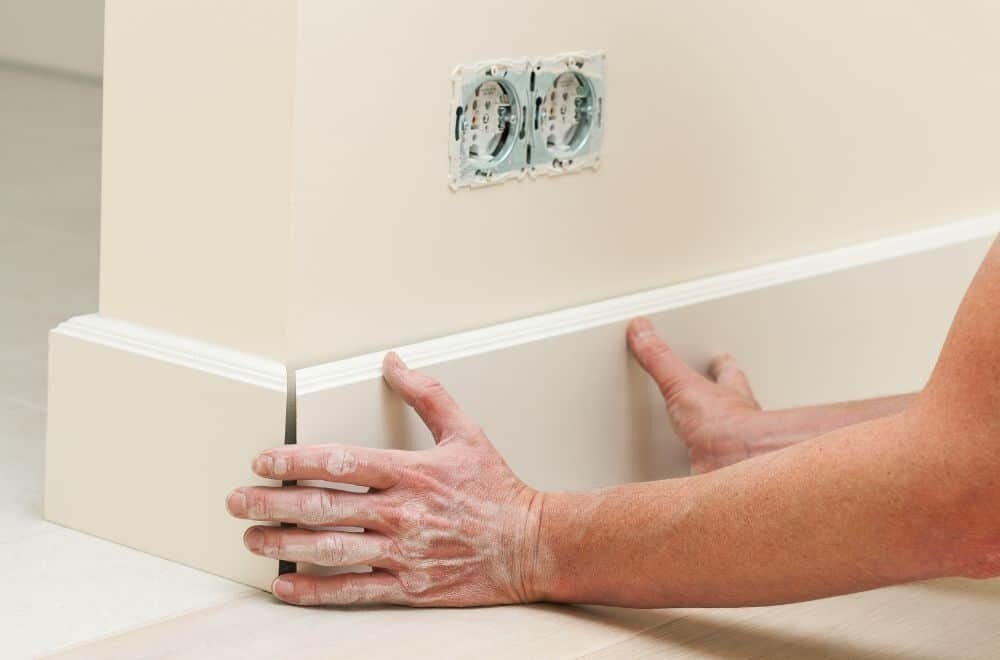
The baseboard is typically made from wood and is installed along the bottom of the walls to cover the joint between the wall and the floor. It serves both a functional and aesthetic purpose, as it helps to protect the wall from damage and also adds a finishing touch to the room.

In addition to the baseboard, there are other important components of house structure that you should be familiar with. These include the foundation, frame, roof, windows and doors, plumbing, electrical, and HVAC systems, as well as the finishes such as siding, drywall, paint, and flooring.

Overall, understanding the basics of house structure is essential for homeowners, builders, and anyone involved in the construction or maintenance of a house. By knowing the different components that make up a house, you can better understand how it all fits together and ensure that your home is safe, functional, and aesthetically pleasing.

The Role of the Piece of Wood at the Bottom of Walls

the-role-of-the-piece-of-wood-at-the-bottom-of-walls

If you’ve ever looked closely at the bottom of the walls in your house, you may have noticed a piece of wood running along the length of the wall. This piece of wood is known as the baseboard or skirting board and serves several important purposes.

Firstly, the baseboard provides a finished look to the bottom of the wall. Without it, the wall would appear unfinished and rough. Additionally, it covers any gaps or imperfections between the wall and the floor, creating a smooth transition between the two surfaces.

Another important function of the baseboard is to protect the wall from damage caused by furniture, vacuums, and other household items. By providing a barrier between the wall and the floor, the baseboard prevents scratches, scuffs, and other types of damage.

Finally, the baseboard can also serve as a decorative element in your home. There are many different styles and designs of baseboards available, ranging from simple and understated to ornate and elaborate. Choosing the right baseboard can add a touch of elegance and sophistication to any room in your home.

In summary, the baseboard is an essential component of any home’s interior design. It provides a finished look to the bottom of the wall, protects the wall from damage, and can even serve as a decorative element.

Different Types of Baseboards

different-types-of-baseboards

When it comes to baseboards, there are a variety of materials and styles to choose from. Here are some of the most common types of baseboards:

  • MDF: Medium-density fiberboard is a popular choice for baseboards because it is affordable, easy to install, and can be painted to match any decor. However, it is not as durable as other materials and can be easily damaged.
  • Pine: Pine is another popular choice for baseboards because it is affordable and easy to work with. It can be stained or painted to match any decor, but it is not as durable as other materials and can dent or scratch easily.
  • Oak: Oak is a more expensive option, but it is also more durable and can be stained to bring out its natural beauty. It is a good choice for high-traffic areas.
  • Maple: Maple is another hardwood that is durable and can be stained to match any decor. It is more expensive than pine but less expensive than oak.
  • Vinyl: Vinyl baseboards are a good choice for bathrooms and other areas where moisture is a concern. They are easy to clean, durable, and come in a variety of colors and styles.
  • Hardwood: Other hardwoods like mahogany, cherry, and walnut can be used for baseboards, but they are more expensive than oak or maple.
  • Shoe molding: Shoe molding is a small molding that is installed at the bottom of baseboards to cover any gaps between the baseboard and the floor. It is available in a variety of materials, including hardwood, MDF, and vinyl.

When choosing a baseboard, consider the style of your home, your budget, and the durability you need for the area where it will be installed. With so many options available, you’re sure to find a baseboard that fits your needs and your style.

Material Choices for Baseboards

material-choices-for-baseboards

When it comes to choosing the material for your baseboards, there are a few options to consider. Each material has its own advantages and disadvantages, so it’s important to choose the one that best fits your needs and budget.

Wood

Wood is a popular choice for baseboards because it is durable and can be stained or painted to match your decor. Oak, pine, and maple are common types of wood used for baseboards. Pine is a popular choice because it is affordable and easy to work with. Oak is more expensive but is known for its durability and strength. Maple is also a strong and durable option but is more expensive than pine.

Medium-Density Fiberboard (MDF)

MDF is a composite material made from wood fibers and resin. It is a popular choice for baseboards because it is affordable and easy to work with. MDF can be painted to match your decor, but it cannot be stained like natural wood. It is also not as durable as wood and can be easily damaged.

PVC

PVC is a plastic material that is becoming more popular for baseboards. It is affordable, durable, and resistant to moisture and insects. PVC can be painted to match your decor, but it cannot be stained. It is also not as strong as wood and can be easily damaged.

Other Materials

Other materials used for baseboards include extruded polyurethane and natural wood such as poplar and cherry. These materials are more expensive than MDF and PVC but are stronger and more durable. They can also be stained and painted to match your decor.

Overall, the material you choose for your baseboards will depend on your needs and budget. Wood is a classic choice that offers durability and versatility, while MDF and PVC are more affordable options that are easy to work with. Consider your options carefully and choose the material that best fits your needs and style.

Installation Process of Baseboards

installation-process-of-baseboards

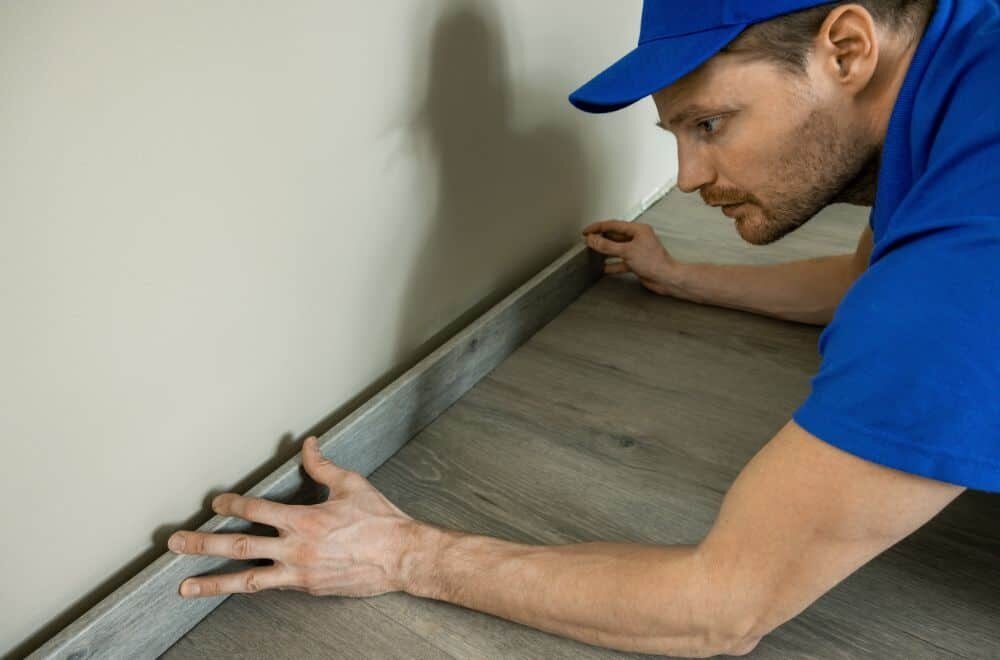
Installing baseboards is a simple process that can be completed by anyone with a few basic tools and some patience. Here are the steps you need to follow to install baseboards in your home:

  1. Measure the room: Before you begin, you need to measure the length of each wall in the room where you will be installing the baseboards. This will help you determine how much baseboard material you will need.
  2. Choose your baseboard material: Baseboards can be made from a variety of materials, including wood, MDF, and PVC. Each material has its own advantages and disadvantages, so it’s important to choose the one that is right for your needs.
  3. Cut the baseboard to size: Using a miter saw, cut the baseboard to the appropriate length for each wall. Be sure to make precise cuts to ensure that the baseboards fit together properly.
  4. Install the baseboards: Using a nail gun, attach the baseboards to the wall. Be sure to nail the baseboards into the studs to ensure that they are secure.
  5. Fill in nail holes: Once the baseboards are installed, use spackle to fill in any nail holes or gaps between the baseboards and the wall.
  6. Caulk the baseboards: Using a caulk gun, apply caulk to the gaps between the baseboards and the wall. This will help create a seamless finish.
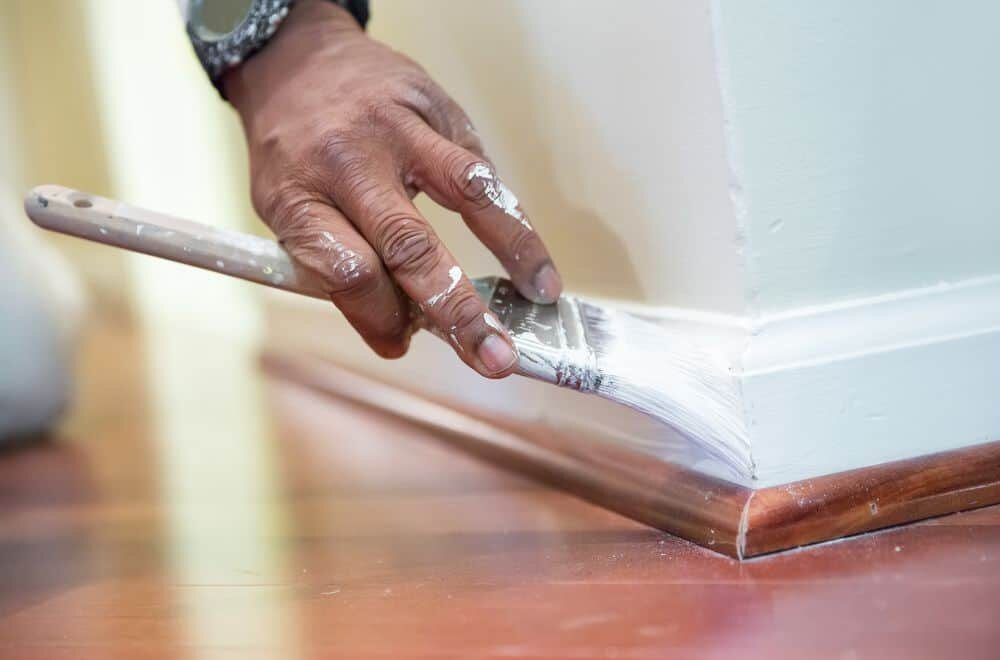
  7. Paint the baseboards: Finally, paint the baseboards to match the color of your walls. This will help create a cohesive look in the room.

Overall, installing baseboards is a relatively simple process that can be completed by anyone with some basic DIY skills. By following these steps, you can add a finishing touch to your home that will make it look more polished and complete.

Maintenance and Care of Baseboards

maintenance-and-care-of-baseboards

Baseboards are an essential part of any home’s interior design. They cover the gap between the wall and the floor and provide a finished look to the room. However, they can accumulate dirt, dust, and scuff marks over time, which can make them look unsightly. Here are some tips on how to maintain and care for your baseboards to keep them looking their best:

Regular Cleaning

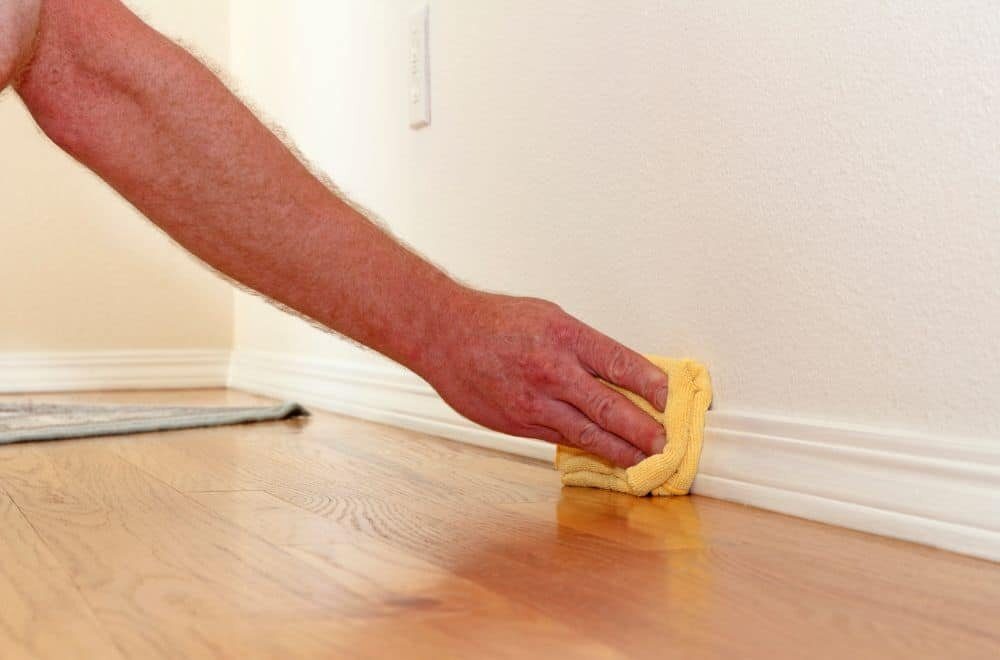
One of the best ways to keep your baseboards looking good is to clean them regularly. You can use a soft cloth or a microfiber duster to remove any dust or dirt that has accumulated on them. If there are any stubborn stains, you can use a magic eraser or a gentle all-purpose cleaner to remove them.

Deep Cleaning

If your baseboards are really dirty or have not been cleaned for a long time, you may need to do a deep cleaning. Start by removing any loose dirt or dust with a soft cloth or a microfiber duster. Then, mix some warm water with a gentle all-purpose cleaner and use a sponge or a microfiber cloth to clean the baseboards thoroughly. Be sure to rinse the cloth with clean water and wipe down the baseboards to remove any cleaner residue.

Protecting Your Baseboards

To keep your baseboards looking their best, you can take some steps to protect them from damage. For example, you can use a dryer sheet to rub them down after cleaning, which can help repel dust and dirt. You can also use furniture pads to protect them from scratches and scuff marks caused by moving furniture.

Repairing Baseboards

If your baseboards are damaged or have holes in them, you may need to repair or replace them. You can use a repair patch to fix small imperfections or holes, or you can replace the entire piece of baseboard if it is beyond repair. However, if you are not comfortable with DIY repairs, it may be best to hire a professional to do the job for you.

By following these tips, you can keep your baseboards looking their best and maintain the overall appearance of your home. Regular cleaning and maintenance can go a long way toward preserving the beauty and value of your property.

Impact of Baseboards on Interior Design

impact-of-baseboards-on-interior-design

Baseboards are an essential part of interior design that can make or break the overall aesthetic appeal of a room. They are the piece of wood or vinyl that runs along the bottom of the walls in a house, hiding the joint between the floor and wall. Here are some ways baseboards can impact interior design:

1. Aesthetic Appeal

Baseboards can add a finishing touch to a room, giving it a polished and complete look. They can be simple or ornate, depending on the style of the room. For example, minimalist baseboards can complement a modern and sleek design, while more detailed and decorative baseboards can enhance a traditional or vintage look.

2. Protection

Baseboards protect the walls from damage caused by furniture, vacuums, and other objects that come into contact with the walls. They also prevent dust and debris from accumulating in the gap between the wall and floor, making cleaning easier.

3. Visual Separation

Baseboards can visually separate different materials used in a room, such as different types of flooring or wallpaper. They can also create a transition between different colors or patterns used in the room.

4. Increased Home Value

Well-designed baseboards can add value to a home by enhancing its overall appearance. Potential buyers may be more interested in a home with attractive and well-maintained baseboards.

In conclusion, baseboards are an important part of interior design that can impact the overall look and feel of a room. They can enhance the aesthetic appeal, protect the walls, create visual separation, and increase home value.

Common Problems and Solutions with Baseboards

common-problems-and-solutions-with-baseboards

Baseboards are an essential part of any home’s interior design. They serve as a protective barrier between the walls and the floor, covering the gap that is often left between the two. However, baseboards can also present some problems. In this section, we’ll discuss some common issues with baseboards and their solutions.

Problem: Damaged or Cracked Baseboards

Baseboards can become damaged or cracked over time due to wear and tear or accidents. This can make them look unsightly and can even cause safety hazards.

Solution: Repair or Replace

If your baseboards are only slightly damaged, you can repair them using a repair patch. This is a simple and cost-effective solution that can be done in a few hours. However, if the damage is severe, it may be best to replace the baseboard entirely. This can be a more time-consuming and costly solution, but it will ensure that your baseboards are safe and look great.

Problem: Crooked Baseboards

Sometimes, baseboards can become crooked due to uneven walls or floors. This can make your home look unprofessional and can even cause gaps between the baseboard and the wall.

Solution: Install Properly

To avoid crooked baseboards, it’s important to install them properly. This means using the right tools and techniques to ensure that they are level and straight. You can also use tricks such as shimming and caulking to help close any gaps and make your baseboards look seamless.

Problem: Water Damage

Baseboards are often the first place to show signs of water damage. This can be caused by leaks from pipes or appliances, or even from floods or storms.

Solution: Dry and Repair

If you notice water damage to your baseboards, it’s important to act quickly. First, dry out the affected area using fans or dehumidifiers. Then, assess the damage and repair or replace the baseboard as needed. It’s also important to address the source of the water damage to prevent future issues.

Baseboards may present some challenges, but with the right solutions, you can ensure that they look great and protect your home for years to come.

Choosing the Right Baseboards for Your House

When it comes to choosing the right baseboards for your house, there are a few things to consider such as your house style, ceiling height, preferred material, and budget plan. Baseboards come in a wide variety of styles and materials, and selecting the right one can help to enhance the overall appearance of your home.

Baseboard Styles and Profiles

Baseboards come in a range of styles, including smooth, beaded, ornate, and many more. The style you choose will depend on the look you want to achieve and the overall style of your home. For instance, if you have a traditional-style home, you may want to consider a more ornate baseboard with intricate details. On the other hand, if you have a modern-style home, you may want to go for a simple and sleek baseboard.

Baseboard Materials

Baseboards can be made from a variety of materials, including solid wood, MDF (medium-density fiberboard), vinyl, and more. Solid wood is a popular choice because it can be painted or stained, and it can be repaired, sanded, and repainted as needed. However, keep in mind that solid wood can be slightly more expensive than other trim materials and may split when nailed. MDF is another popular choice because it is less expensive than solid wood and can be easily painted or stained. Vinyl is also a great option because it is affordable, easy to install, and requires little maintenance.

Baseboard Height

The height of your baseboard can also play a significant role in enhancing the overall look of your home. Generally, the taller the baseboard, the more elegant and luxurious your home will look. However, keep in mind that taller baseboards can also be more expensive. If you have a low ceiling, you may want to consider a shorter baseboard to avoid making your room feel cramped.

In conclusion, choosing the right baseboards for your house can help to enhance the overall appearance of your home. By considering your house style, ceiling height, preferred material, and budget plan, you can find the perfect baseboard to suit your needs.

Frequently Asked Questions

What is the name of the board that runs along the bottom of the walls in a house?

The board that runs along the bottom of the walls in a house is called a baseboard, skirting board, or kick board.

What is the purpose of the board that runs along the bottom of the walls in a house?

The purpose of the board that runs along the bottom of the walls in a house is to cover the joint between the wall and the floor, protect the wall from kicks and abrasions, and provide a decorative finish to the room.

What are other names for the board that runs along the bottom of the walls in a house?

Other names for the board that runs along the bottom of the walls in a house include base molding, base shoe, mopboard, and floor molding.

How do I clean the board that runs along the bottom of the walls in a house?

To clean the board that runs along the bottom of the walls in a house, use a soft cloth or sponge dampened with warm water and mild soap. Avoid using abrasive cleaners or scrubbers that can damage the finish.

What is the difference between baseboards and wainscoting?

Baseboards are boards that run along the bottom of the walls, while wainscoting is a decorative paneling that covers the lower part of the walls. Wainscoting can be installed above or below the baseboard.

Why do houses need a board that runs along the bottom of the walls?

Houses need a board that runs along the bottom of the walls to protect the wall from damage, cover the joint between the wall and the floor, and provide a decorative finish to the room. Baseboards also help to hide electrical wiring and other unsightly elements along the bottom of the walls.

Blog

What Wood Was Christ's Cross Made Of? Uncovering the Truth

If you’ve ever wondered what kind of wood Christ’s cross was made of, you’re not alone. This question has been asked for centuries, and the answer is not entirely clear. According to some historical accounts, the cross was made of a single piece of wood, while others suggest that it was made of multiple types of wood.

One of the most common beliefs is that the cross was made of cedar wood. This is based on the fact that cedar was a common wood in the region where Christ was crucified, and it was also used in the construction of the Temple in Jerusalem. However, there is no definitive proof that cedar was used in the construction of the cross.

Another theory is that the cross was made of olive wood. This is based on the fact that olive trees were common in the region, and that the wood was known for its strength and durability. However, like the cedar theory, there is no definitive proof that the cross was made of olive wood.

Historical Context

When discussing the wood of Christ’s cross, it is important to understand the historical context of Roman crucifixion practices and common woods used in Roman times.

Roman Crucifixion Practices

Crucifixion was a common form of execution in the Roman Empire, used for slaves, rebels, and criminals. It was a brutal and torturous death, designed to be a public spectacle and a warning to others. The victim was typically stripped naked, beaten, and then forced to carry the horizontal beam of the cross, called the patibulum, to the place of execution.

Once there, the victim’s hands and feet were nailed to the vertical post, called the stipes, and the cross was raised and secured into the ground. Death usually came from a combination of suffocation, shock, and dehydration, and could take hours or even days.

Common Woods Used in Roman Times

The type of wood used for crucifixion varied, depending on the availability and cost. According to historical records, some of the most common woods used in Roman times included:

  • Pine
  • Cedar
  • Cypress
  • Oak
  • Fir

Pine was the most commonly used wood for crucifixion, due to its availability and low cost. It was also lightweight, making it easier to transport and erect the cross. However, other woods were used as well, depending on the region and the availability of resources.

It is unclear what type of wood was used for Christ’s cross, as historical records do not provide a definitive answer. However, it is likely that it was made from a common wood, such as pine or cedar.

Biblical Evidence

biblical-evidence

The Bible does not give a clear answer to the question of what wood was used to make the cross of Christ. However, there are a few clues that can help us narrow down the possibilities.

Firstly, we know from the Gospel accounts that Jesus was crucified outside the city walls of Jerusalem (John 19:20). This suggests that the wood used for the cross may have been sourced locally, as it would have been difficult to transport a large piece of wood over a long distance.

Secondly, the Gospel of Matthew tells us that the soldiers who led Jesus away to be crucified “seized a man, Simon of Cyrene, who was coming from the country, and laid on him the cross, to carry it behind Jesus” (Matthew 27:32). This implies that the cross was likely made of a type of wood that was strong and durable enough to support the weight of a man.

Finally, the Gospel of John mentions that Jesus carried his own cross to the place of crucifixion (John 19:17). This suggests that the cross may have been made of a type of wood that was not too heavy or cumbersome for a person to carry.

Taking these clues into consideration, it is possible that the cross of Christ was made of a type of wood that was common in the region at the time, such as olive wood, acacia wood, or even cedar wood. However, without further evidence, it is impossible to say for certain what type of wood was used.

Scientific Analysis

scientific-analysis

Archaeological Findings

While there is no definitive answer to what wood Christ’s cross was made of, archaeological findings provide some clues. In 2003, a team of archaeologists discovered a first-century tomb in Jerusalem that contained a fragment of a crucifixion nail. The nail was identified as being made of iron, which suggests that the cross was made of a durable wood that could withstand the weight of a human body.

Other archaeological evidence suggests that the cross was likely made of a common wood, such as pine. In the 19th century, Charles Rohault de Fleury, a noted architect, researched the relics of the cross and concluded that it was made of pine. However, it is important to note that this is just one theory and has not been definitively proven.

Forensic Studies

Forensic studies have also been conducted to try to determine what wood Christ’s cross was made of. In 2010, a team of Italian scientists analyzed the particles found on the Shroud of Turin, which is believed by some to be the burial cloth of Jesus. The scientists found traces of several plants, including a species of pine that grows in the Middle East.

While this evidence is not conclusive, it does suggest that the cross may have been made of pine. It is important to note, however, that the Shroud of Turin is a controversial artifact, and its authenticity has been questioned by many scholars.

In conclusion, while there is no definitive answer to what wood Christ’s cross was made of, archaeological and forensic evidence suggests that it may have been made of a durable wood such as pine. However, it is important to remember that these findings are not conclusive and that the true nature of the cross may never be known for certain.

Theological Perspectives

theological-perspectives

When it comes to the wood of Christ’s cross, there are several theological perspectives that have been presented throughout history. Here are a few of them:

  • The Four Woods Theory – According to this theory, the cross was made up of four different types of wood: cypress, cedar, pine, and box. This theory is based on the writings of Venerable Bede and John Cantacuzenus.
  • The Trinity Tree Theory – This theory suggests that the cross was made from a trinity of trees, specifically cedar, cypress, and pine. These trees were united in one trunk, and Moses is said to have cut his rod from this tree.
  • The Dogwood Theory – This theory is based on a legend that says the cross was made from dogwood. According to the legend, the dogwood tree was once tall and strong, but after it was used to make the cross, it became small and weak. The legend also states that the dogwood’s flowers now have the shape of a cross, with two long petals and two short ones.

From a theological perspective, the most important aspect of the wood of the cross is what it represents. The cross is a symbol of Christ’s sacrifice and the redemption of humanity. It is a reminder that Christ died for our sins and that through his death, we have the opportunity for eternal life.

As Christians, we are called to reflect on the meaning of the cross and to live our lives in a way that honors Christ’s sacrifice. Whether the cross was made from cypress, cedar, pine, or dogwood is ultimately unimportant. What matters is that we recognize the significance of the cross and strive to follow in Christ’s footsteps.

Popular Beliefs and Traditions

popular-beliefs-and-traditions

When it comes to the wood of Christ’s cross, there are several popular beliefs and traditions that have been passed down through the ages. Here are a few of them:

  • Pine wood: According to the Catholic Encyclopedia, by the 19th century, it was widely accepted that the cross was made of pine wood. This belief was based on the work of Charles Rohault de Fleury, a noted architect who researched the relics of the cross and wrote “Mémoire sur les instruments de la Passion” in 1870.
  • Four types of wood: The Venerable Bede and John Cantacuzenus both recorded the idea that the cross was composed of four types of wood: cypress, cedar, pine, and box. This belief is still held by some today.
  • Olive wood: Another popular belief is that the cross was made of olive wood. This belief is based on the idea that olive wood was commonly used for construction during the time of Christ.
  • No one knows for sure: Of course, it’s also possible that no one knows for sure what type of wood the cross was made of. The True Cross, the purported remains of the actual cross on which Jesus was crucified, has been lost to history, so there is no way to definitively determine what type of wood it was made of.

Despite the lack of concrete evidence, the wood of Christ’s cross remains an important symbol in Christianity, representing the ultimate sacrifice that Jesus made for humanity.

Contrasting Views

contrasting-views

When it comes to the question of what wood Christ’s cross was made of, there are various contrasting views. Some people believe that the wood used for the cross was cedar, while others say it was cypress. There are also those who believe that the cross was made of pine, and still others who hold that it was made of boxwood.

One theory suggests that the cross was made of olive wood, as this was the most commonly used wood in the region at the time. Another theory is that the cross was made of acacia wood, which was used in the construction of the Ark of the Covenant.

Some scholars argue that the type of wood used for the cross is not important, as the focus should be on the significance of the cross itself rather than the material it was made of. They point out that the cross is a symbol of sacrifice and redemption, and that its meaning transcends the physical properties of the wood.

Regardless of the type of wood used, it is clear that the cross is a powerful symbol of faith and devotion for Christians around the world. Whether you believe that it was made of cedar, cypress, pine, or boxwood, its message of love and sacrifice remains as relevant today as it did 2,000 years ago.

Frequently Asked Questions

What type of wood was traditionally used to make crosses in ancient times?

In ancient times, crosses were typically made from a variety of woods, including olive, cypress, cedar, pine, and fir. However, the specific type of wood used for Christ’s cross is not definitively known.

Why is the cross such a powerful symbol in Christianity?

The cross is a powerful symbol in Christianity because it represents the sacrifice that Jesus Christ made for humanity. His death on the cross is seen as the ultimate act of love and redemption, and the cross itself has become a symbol of hope and salvation.

What does the Bible say about the wood used for Christ’s cross?

The Bible does not provide any specific information about the type of wood used for Christ’s cross. However, it does describe the events leading up to his crucifixion and the significance of his sacrifice.

Are there any legends or stories about the wood of Christ’s cross?

There are many legends and stories about the wood of Christ’s cross, including tales of miraculous healing powers and the discovery of the cross by Saint Helena, the mother of Emperor Constantine. However, these stories are not supported by historical evidence.

What is the significance of the dogwood tree in relation to the cross?

According to legend, the dogwood tree was once a tall and sturdy tree that was used to make the cross on which Jesus was crucified. As a result of its role in the crucifixion, the tree was cursed and transformed into a smaller, weaker tree with blossoms that resemble the shape of a cross.

Is there any historical evidence to support the idea that Christ’s cross was made of a specific type of wood?

There is no historical evidence to support the idea that Christ’s cross was made of a specific type of wood. However, the tradition of using certain types of wood for crosses has been passed down through generations of Christians, and these woods are still commonly used in the construction of crosses today.

Blog

Is Pine Wood Hard or Soft? Explained

If you’re new to woodworking or just starting out with DIY projects, you may be wondering whether pine wood is hard or soft. Pine is a popular choice for many projects due to its affordability and versatility, but it’s important to understand its characteristics before you begin working with it.

Pine is actually considered a softwood, which may come as a surprise to some. This is because pine trees have needles instead of leaves, and the wood itself is less dense and has smaller pores than hardwoods. However, this doesn’t mean that pine is a weak or inferior wood. In fact, pine is known for its durability and strength, and is often used for furniture, flooring, and construction projects.

Understanding Wood Types

When it comes to woodworking, understanding the different types of wood is essential. Wood can be broadly classified into two types: hardwood and softwood. In this section, we will discuss the characteristics of each type of wood.

Hardwood

Hardwood comes from deciduous trees, which are trees that lose their leaves in the fall. Hardwood trees grow more slowly and are denser than softwood trees, making them more durable and resistant to wear and tear.

Some common types of hardwood include oak, maple, mahogany, and walnut. Hardwood is typically more expensive than softwood due to its density and durability.

Softwood

Softwood comes from coniferous trees, which are trees that have needles or scales instead of leaves. Softwood trees grow more quickly and are less dense than hardwood trees, making them easier to work with.

Some common types of softwood include pine, cedar, and spruce. Softwood is typically less expensive than hardwood due to its abundance and ease of cultivation.

In general, the choice between hardwood and softwood depends on the project and its intended use. Hardwood is often used for furniture, flooring, and cabinetry, while softwood is commonly used for structural framing, outdoor projects, and decorative accents. It’s important to consider the characteristics of each type of wood before selecting the right one for your project.

Characteristics of Pine Wood

characteristics-of-pine-wood

Pine wood is a type of softwood that is commonly used in various applications. Here are some characteristics of pine wood that you should know:

  • Texture: Pine wood has a relatively soft texture compared to hardwoods. This makes it easier to work with using hand tools or power tools.
  • Color: Pine wood ranges in color from a pale yellow to a light brown. Over time, it can darken to a warm reddish-brown color.
  • Grain: Pine wood has a straight grain, which makes it easy to cut and work with. However, it can also have knots and other irregularities that can affect its strength and appearance.
  • Density: Pine wood is less dense than many hardwoods, which means it is lighter and easier to work with. However, this also means it is less durable and may not hold up as well over time.
  • Janka hardness rating: The Janka hardness rating measures the resistance of wood to wear and denting. Pine wood has a relatively low Janka hardness rating of 380 lbf, which means it is more prone to scratches and dents than many hardwoods.

Overall, pine wood is a versatile and affordable option for many woodworking projects. However, it may not be the best choice for applications that require high durability or resistance to wear and tear.

Comparing Pine Wood to Other Woods

comparing-pine-wood-to-other-woods

When it comes to choosing the right wood for your woodworking projects, it’s important to know the differences between various types of woods. Pine wood is a popular choice among woodworkers, but how does it compare to other woods? Let’s take a closer look.

Pine Vs. Oak

Oak is a hardwood that is known for its strength and durability. It’s often used in furniture making and flooring. Pine, on the other hand, is a softwood that is more budget-friendly. While oak may be stronger than pine, it’s also more expensive. Pine is a great choice for projects where strength isn’t the main concern, such as decorative items or shelving.

Pine Oak
Strength Softwood Hardwood
Price Budget-friendly Expensive
Uses Decorative items, shelving Furniture making, flooring

Pine Vs. Cedar

Cedar is another popular wood choice for woodworking projects. It’s known for its natural resistance to insects and decay. Pine, on the other hand, is not naturally resistant to insects or decay. However, pine can be treated to improve its resistance. Cedar is also a more expensive wood than pine.

Pine Cedar
Insect and decay resistance Not naturally resistant Naturally resistant
Price Budget-friendly Expensive
Uses Treated for improved resistance Outdoor furniture, decking, siding

In summary, pine wood is a great choice for budget-friendly woodworking projects where strength and insect resistance are not the main concerns. However, if you need a stronger or more insect-resistant wood, oak or cedar may be a better choice, respectively.

Uses of Pine Wood

uses-of-pine-wood

Pine wood is a versatile material that can be used for a wide range of projects. Here are some common uses of pine wood:

Furniture

Pine wood is a popular choice for furniture makers because it is relatively inexpensive and easy to work with. It is often used to make items like bookcases, bed frames, and dressers. Pine wood has a light color and a straight grain, which makes it easy to stain or paint to match any decor.

Construction

Pine wood is also commonly used in construction projects. It is often used for framing, flooring, and paneling. Pine wood is lightweight and easy to work with, which makes it a popular choice for DIY projects. It is also a renewable resource, which makes it an eco-friendly choice for builders.

When using pine wood in construction, it is important to keep in mind that it is a softwood and may not be as durable as hardwoods like oak or maple. However, with proper care and maintenance, pine wood can last for many years.

Overall, pine wood is a versatile and affordable material that can be used for a wide range of projects. Whether you are building furniture or constructing a new home, pine wood is a great choice that can help you save money while still achieving a high-quality result.

Pros and Cons of Pine Wood

pros-and-cons-of-pine-wood

Advantages of Pine Wood

Pine wood is a popular choice among woodworkers for many reasons. Here are some of the advantages of using pine wood:

  • Affordable: Pine wood is one of the most affordable types of wood available, making it an excellent choice for budget-conscious woodworkers.
  • Easy to Work with: Pine wood is relatively soft, making it easy to work with using hand tools or power tools. It is also easy to sand, stain, and paint.
  • Lightweight: Pine wood is lightweight, making it easy to move and handle. This also makes it an excellent choice for furniture that needs to be moved around frequently.
  • Attractive: Pine wood has a distinct grain pattern that gives it a warm, rustic look. It also takes stains and finishes well, allowing woodworkers to achieve a variety of looks.

Disadvantages of Pine Wood

While pine wood has many advantages, it also has some disadvantages that you should be aware of before using it in your woodworking projects. Here are some of the disadvantages of using pine wood:

  • Softness: While the softness of pine wood makes it easy to work with, it also makes it more prone to dents and scratches. This can be a problem if you are using pine wood for furniture that will be heavily used.
  • Not as Durable: Pine wood is not as durable as hardwoods like oak or maple. This means that it may not hold up as well over time, especially in high-traffic areas.
  • Susceptible to Warping: Pine wood is more susceptible to warping than hardwoods. This can be a problem if you are using pine wood for furniture that needs to maintain its shape over time.
  • Not as Strong: Pine wood is not as strong as hardwoods, which means that it may not be suitable for some applications, such as load-bearing structures.

Overall, pine wood is a versatile and affordable option for many woodworking projects. However, it is important to consider its pros and cons before deciding whether it is the right choice for your project.

Frequently Asked Questions

What are the disadvantages of using pine wood for furniture?

Pine wood is a softwood, which means it is not as durable as hardwoods. It is more prone to dents, scratches, and wear and tear. Pine wood is also susceptible to warping and cracking, especially when exposed to moisture or changes in temperature. Additionally, pine wood is not as resistant to insect infestations as hardwoods.

Is pine wood strong enough to use for furniture?

Pine wood is not as strong as hardwoods, but it can still be used for furniture. It is important to choose the right type of pine wood and to use proper construction techniques to ensure the furniture is sturdy and durable. Pine wood is suitable for lighter weight furniture such as chairs and tables, but may not be suitable for heavier pieces such as bed frames or bookcases.

What are the advantages and disadvantages of using pine wood?

The advantages of using pine wood include its affordability, availability, and easy workability. Pine wood is also lightweight, making it easier to move and transport. However, the disadvantages of using pine wood include its softness, susceptibility to damage, and lower durability compared to hardwoods.

What types of pine wood are commonly used for furniture?

White pine, yellow pine, and ponderosa pine are commonly used for furniture. White pine is softer and lighter in color, while yellow pine is harder and darker in color. Ponderosa pine is a popular choice for rustic furniture due to its unique grain patterns.

How does pine wood compare to hardwood in terms of strength?

Pine wood is not as strong as hardwoods such as oak, maple, or cherry. Hardwoods have a higher density and are more resistant to wear and tear. However, pine wood can still be used for furniture, especially for lighter weight pieces.

What are the properties of pine wood that make it suitable for furniture?

Pine wood is easy to work with, making it a popular choice for furniture makers. It is also affordable and readily available, making it a good option for those on a budget. Pine wood has a unique grain pattern that can add character to furniture pieces. However, its softness and lower durability make it less suitable for heavy use or high traffic areas.

Uncategorized

Where to Buy Large Driftwood Logs: A Guide for Wood Enthusiasts

Looking to buy large driftwood logs? Whether you’re an interior designer looking for unique pieces to incorporate into your projects, or a homeowner looking to add a touch of rustic charm to your home decor, finding large (4′ and bigger) driftwood logs can be a challenge. But don’t worry, we’ve got you covered.

There are several online businesses that specialize in selling driftwood logs of various sizes, including large and extra-large pieces. Coastal Driftwood, for example, offers a wide selection of driftwood logs in various sizes, including large pieces that are perfect for use in furniture making or as decorative accents. Another option is Outer Banks Driftwood, which offers a variety of large driftwood logs that are ideal for use in landscaping projects or as focal points in outdoor spaces.

Whether you’re looking for a single large driftwood log or a bulk order, there are plenty of options available to suit your needs. When shopping for large driftwood logs online, be sure to read reviews and check the seller’s return policy to ensure you’re getting a quality product. With a little bit of research and some patience, you’re sure to find the perfect large driftwood log for your project or decor.

Understanding Driftwood

What is Driftwood?

Driftwood is a type of wood that has been washed up onto shore by the tide or currents of a body of water. It can come from trees that have fallen into rivers or lakes, or from pieces of wood that have broken off from boats or other structures. Over time, the wood is smoothed and polished by the action of the water, giving it a unique and beautiful appearance.

Types of Driftwood

There are many different types of driftwood, each with its own unique characteristics. Some of the most common types include:

  • Cedar: Cedar driftwood is known for its light color and delicate texture. It is often used in furniture and decorative pieces.
  • Oak: Oak driftwood is dense and heavy, with a rich, dark color. It is often used in sculptures and other art pieces.
  • Pine: Pine driftwood is light in color and texture, with a smooth surface. It is commonly used in furniture and decorative pieces.
  • Redwood: Redwood driftwood is known for its rich, reddish-brown color and distinctive grain pattern. It is often used in furniture and decorative pieces.

When looking for large driftwood logs, it is important to consider the type of wood and its characteristics to ensure that it will meet your needs. You can find driftwood for sale at specialty stores, online retailers, and even on the beach if you are lucky.

Where to Find Large Driftwood Logs

where-to-find-large-driftwood-logs

If you’re looking to buy large driftwood logs, there are a few places you can check, depending on your location and preferences. Here are two main places where you can start your search:

Beaches and Rivers

One of the best places to find driftwood logs is on the beach or near rivers. Driftwood is carried by the water and deposited on the shore, making it easy to find and collect. However, keep in mind that collecting driftwood from public beaches or rivers may be illegal in some areas, so be sure to check local regulations before you start collecting.

If you’re lucky enough to live near a beach or river, take a walk along the shore and look for large driftwood logs that have washed up. You can also ask local fishermen or beachcombers if they know of any good spots to find driftwood.

Forests and Mountains

If you’re not near a beach or river, you can also find large driftwood logs in forests and mountains. Look for areas that have been hit by storms or floods, as these are more likely to have large pieces of driftwood.

When searching in forests or mountains, it’s important to be respectful of the environment and follow any local regulations. Don’t cut down live trees or damage the natural habitat while searching for driftwood.

Once you have found the driftwood logs you want to buy, you can also check online retailers like Coastal Driftwood, Etsy, and Amazon to see if they have any available for purchase. Keep in mind that buying driftwood online may be more expensive due to shipping costs.

In conclusion, finding large driftwood logs can be a fun and rewarding experience, whether you’re searching on the beach or in the forest. Just be sure to follow local regulations and be respectful of the environment while collecting.

Buying Large Driftwood Logs Online

buying-large-driftwood-logs-online

If you’re looking to buy large driftwood logs online, there are a few e-commerce platforms and specialty online stores that you can check out.

E-commerce Platforms

Many e-commerce platforms offer a wide variety of products, including large driftwood logs. Here are a few platforms that you can explore:

  • Amazon: Amazon has a vast selection of driftwood logs, including large ones. You can filter your search by size, price, and customer ratings to find the perfect log for your needs.
  • eBay: eBay is another platform where you can find large driftwood logs. You can search for logs by size, type, and price and even bid on auctions to get a better deal.
  • Etsy: Etsy is a popular platform for handmade and vintage items, and you can find many sellers offering large driftwood logs. You can also filter your search by location to find sellers near you.

Specialty Online Stores

If you’re looking for a more specialized selection of large driftwood logs, you can check out these online stores:

  • Coastal Driftwood: Coastal Driftwood specializes in driftwood and offers a variety of large logs. You can contact them directly to request a specific size or shape.
  • Outer Banks Driftwood: Outer Banks Driftwood offers a selection of large driftwood logs that are perfect for furniture building and other projects. You can filter your search by size and shape to find the perfect log for your project.
  • Buy Driftwood for Sale: Buy Driftwood for Sale is another specialty online store that offers a variety of large driftwood logs. You can search for logs by size and shape and even request a custom order.

When buying large driftwood logs online, be sure to check the seller’s reviews and ratings before making a purchase. You should also pay attention to shipping costs and delivery times to ensure that you get your log in a timely and cost-effective manner. With a little research, you can find the perfect large driftwood log for your project.

Local Sources for Large Driftwood Logs

local-sources-for-large-driftwood-logs

If you’re looking for large driftwood logs, you may want to check out your local craft stores and garden centers. Here are a few options to consider:

Local Craft Stores

Craft stores often carry a variety of natural materials, including driftwood. Some stores may even have large pieces available for purchase. Here are a few craft stores you might want to check out:

When visiting these stores, be sure to ask an associate if they carry large driftwood logs. If they don’t have any in stock, they may be able to special order them for you.

Garden Centers

Garden centers often carry natural materials for landscaping and outdoor decor, including driftwood. Here are a few garden centers you might want to check out:

When visiting these garden centers, be sure to ask an associate if they carry large driftwood logs. If they don’t have any in stock, they may be able to order them for you or recommend a local supplier.

Keep in mind that availability may vary by location and season. It’s always a good idea to call ahead or check the store’s website before making a trip. Happy hunting!

Tips for Buying Large Driftwood Logs

tips-for-buying-large-driftwood-logs

If you’re looking to buy large driftwood logs, there are a few things you should keep in mind to ensure you get a quality product that meets your needs. Here are some tips to help you make the right choice.

Check for Quality

When buying large driftwood logs, it’s important to check for quality. Look for logs that are sturdy and free of cracks or other damage. You should also check for signs of rot or decay, as these can weaken the log and make it more likely to break or fall apart over time.

Consider the Size

Size is an important consideration when buying large driftwood logs. Make sure you measure the space where you plan to use the log to ensure it will fit properly. You should also consider the weight of the log, as larger logs can be quite heavy and may require special equipment to move.

Understand Pricing

Driftwood logs can vary widely in price, depending on their size and quality. It’s important to understand pricing before you make a purchase so you can be sure you’re getting a fair deal. Some factors that can affect pricing include the rarity of the wood, the size of the log, and the location where it was harvested.

To get the best deal, shop around and compare prices from different vendors. You may also be able to negotiate a better price if you’re buying multiple logs or if you’re willing to purchase logs that are slightly imperfect or damaged.

By following these tips, you can find the perfect large driftwood log for your needs and ensure that you get a quality product that will last for years to come.

Frequently Asked Questions

Where can you find large driftwood logs for sale?

Finding large driftwood logs for sale can be a challenge, but there are a few places you can look. Check with your local garden centers, nurseries, and landscaping companies to see if they have any available. You can also try searching online for driftwood suppliers or checking out online marketplaces such as Etsy or Amazon.

What are some reputable online stores to purchase driftwood?

If you’re looking to purchase driftwood online, there are several reputable stores to choose from. Some popular options include Coastal Driftwood, Outer Banks Driftwood, and BuyDriftwoodForSale.com. These stores offer a variety of sizes and types of driftwood, so you’re sure to find something that fits your needs.

What are the best types of driftwood for landscaping?

When it comes to landscaping with driftwood, there are a few types that work particularly well. Manzanita, grapevine, and ghostwood are all great options, as they are durable and weather-resistant. They also have interesting shapes and textures that can add visual interest to your landscape design.

What are some creative ways to use large driftwood logs?

Large driftwood logs can be used in a variety of creative ways. They can be used as accent pieces in your landscaping, as supports for climbing plants, or as natural sculptures in your yard. You can also use them to create unique furniture pieces or to add rustic charm to your home decor.

What is the average cost of large driftwood logs?

The cost of large driftwood logs can vary depending on their size and availability. On average, you can expect to pay anywhere from $50 to $200 for a large driftwood log. However, prices can be higher or lower depending on the supplier and the specific piece of driftwood.

How do you safely transport and store large driftwood logs?

Transporting and storing large driftwood logs can be tricky, as they can be heavy and unwieldy. If you’re transporting them in a vehicle, make sure to secure them tightly to prevent them from shifting during transit. When storing them, make sure they are in a dry, well-ventilated area to prevent mold growth. You can also apply a coat of sealant to help protect the wood and extend its lifespan.

Blog

Can You Use Lysol Spray on Wood Furniture? Tips and Precautions

Are you wondering if it’s safe to use Lysol spray on your wooden furniture? The answer is not straightforward. Lysol is a popular disinfectant used for cleaning and sanitizing surfaces. However, when it comes to wood furniture, you need to be cautious as it can cause damage if not used correctly.

The type of wood and the finish on the furniture determine whether it’s safe to use Lysol spray. If the wood is unfinished or porous, Lysol can soak deep into the pores and cause damage. On the other hand, if the wood is finished or sealed, Lysol is safe to use. In this article, we’ll explore whether you can use Lysol spray on wood furniture and the proper usage of Lysol spray on finished wood.

Understanding Lysol Spray

If you are looking for a quick and effective way to disinfect your wooden furniture, Lysol spray might seem like a good option. However, before you start spraying, it’s important to understand what Lysol spray is and how it works.
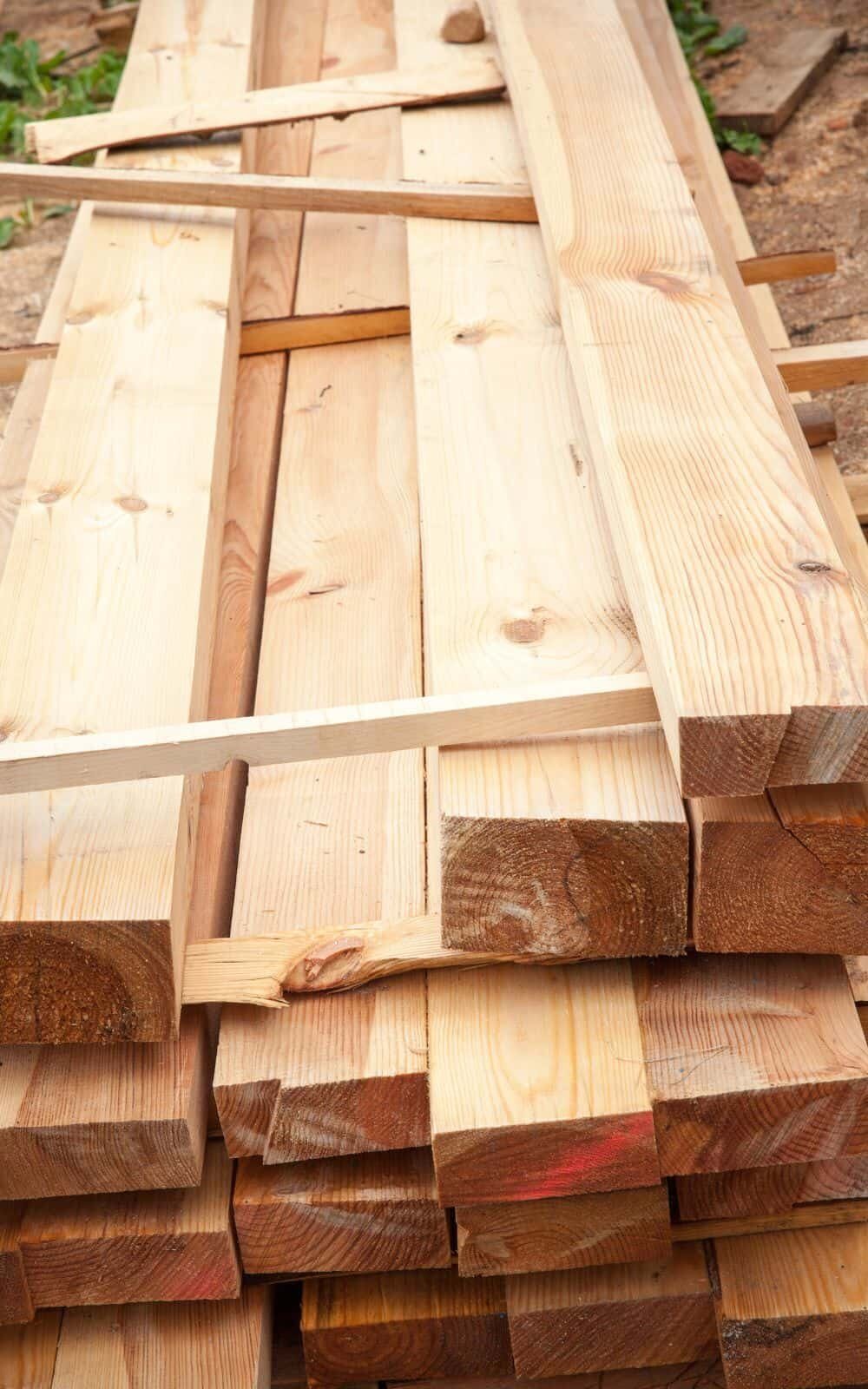
Lysol spray is a disinfectant that is designed to kill germs and bacteria on surfaces. It contains active ingredients like alkyl dimethyl benzyl ammonium chloride and ethanol that help to break down and destroy the cell walls of germs and bacteria, rendering them harmless.

When you spray Lysol on a surface, it creates a fine mist that settles on the surface and begins to work immediately. The active ingredients in Lysol spray can kill up to 99.9% of germs and bacteria, making it a powerful tool in the fight against illness and disease.

However, it’s important to note that Lysol spray is not a miracle cure-all. While it can be effective at killing germs and bacteria on surfaces, it is not a substitute for proper cleaning and hygiene practices. Regular cleaning with soap and water is still the best way to keep your wooden furniture clean and free from germs.

In addition, it’s important to use Lysol spray correctly to avoid damaging your wooden furniture. Always follow the instructions on the label and never use undiluted Lysol spray on wooden surfaces. Diluting Lysol spray with water can increase its cleaning power, but it can also be dangerous for your wooden furniture if used too frequently.

Wood Furniture Basics

wood-furniture-basics

When it comes to cleaning wood furniture, it’s important to understand the basics. Wood is a porous material that can absorb moisture and chemicals, which can cause damage to the furniture. Here are a few things to keep in mind when cleaning wood furniture:

  • Use a soft cloth: When cleaning wood furniture, always use a soft cloth to avoid scratching the surface. Avoid using abrasive materials like steel wool or rough sponges.
  • Avoid water: Water can cause damage to wood furniture, so it’s important to avoid using too much water when cleaning. If you need to use water, use a damp cloth and immediately dry the surface with a dry cloth.
  • Use a gentle cleaner: When cleaning wood furniture, it’s important to use a gentle cleaner that won’t damage the surface. Avoid using harsh chemicals or cleaners that contain bleach or ammonia.
  • Test in a small area: Before using any cleaner on wood furniture, it’s important to test it in a small, inconspicuous area first. This will help you avoid any damage to the furniture.

By following these basic guidelines, you can keep your wood furniture looking great for years to come.

Potential Effects of Lysol on Wood

Using Lysol on wood furniture can have potential effects on the surface, depending on the type of wood and the frequency of use. Here are some things to keep in mind:

  • Discoloration: Lysol contains chemicals that can cause discoloration on certain types of wood, particularly if used frequently or in high concentrations. This can result in an unsightly appearance and may require refinishing or replacement of the affected piece.
  • Drying and cracking: Over time, Lysol can dry out the natural oils in wood, causing it to become brittle and prone to cracking. This is especially true for older or more delicate pieces of furniture.
  • Damage to finishes: If your wood furniture has a protective finish, such as varnish or lacquer, using Lysol can cause the finish to break down over time. This can leave the wood vulnerable to further damage from moisture, heat, and other environmental factors.

To avoid these potential effects, it’s important to use Lysol on wood furniture sparingly and with caution. If you do need to disinfect a piece of wood furniture, consider using a diluted solution of Lysol and water, and be sure to wipe the surface clean with a damp cloth afterward to remove any residue.

In general, it’s a good idea to consult with a professional before using any cleaning or disinfecting product on wood furniture, especially if you’re unsure about the type of wood or finish. With proper care and maintenance, your wood furniture can remain beautiful and functional for many years to come.

Alternative Methods for Cleaning Wood Furniture

alternative-methods-for-cleaning-wood-furniture

If you’re hesitant to use Lysol spray on your wooden furniture, there are alternative methods for cleaning it. Here are a few options to consider:

1. Damp Dusting

Damp dusting is a great way to clean your wooden furniture without damaging it. To do this, you’ll need a microfiber cloth and some clean water. Simply dampen the cloth with water and wipe down the furniture. This will help remove any dust or dirt that has accumulated on the surface.

2. Dish Soap and Water

Another option is to use a mixture of dish soap and water. Mix a few drops of dish soap with some warm water and use a cloth to wipe down the furniture. This will help remove any dirt or grime that has built up on the surface.

3. Vinegar and Water

Vinegar is a natural cleaning agent that can be used to clean wooden furniture. Mix equal parts water and vinegar and use a cloth to wipe down the furniture. This will help remove any dirt or grime that has built up on the surface.

4. Furniture Polish

Using furniture polish is a great way to clean and protect your wooden furniture. Simply spray the polish onto a cloth and wipe down the furniture. This will help remove any dust or dirt that has accumulated on the surface and will also help protect the wood from future damage.

Remember to always test any cleaning solution on a small, inconspicuous area of the furniture before using it on the entire piece. This will help ensure that the solution doesn’t damage the wood.

Precautions When Using Lysol on Wood Furniture

precautions-when-using-lysol-on-wood-furniture

If you’re considering using Lysol spray on your wood furniture, there are a few precautions you should take to ensure that you don’t damage your furniture or harm yourself. Here are some things to keep in mind:

1. Test on a Small Area First

Before you use Lysol on your wood furniture, test it on a small, inconspicuous area first. This will help you determine if the spray is safe to use on your furniture without causing any damage or discoloration.

2. Protect Yourself

When using Lysol on your wood furniture, it’s important to protect yourself. Wear hand gloves, a dust mask, and eye protection to avoid any adverse effects that may come with the use of the spray.

3. Avoid Overuse

Lysol spray should only be used as a spot treatment and not as a general cleaning product. Overuse can damage the wood or cause discoloration. It’s recommended to only use Lysol spray on your wood furniture when necessary.

4. Wipe Off the Liquid

After spraying Lysol on your wood furniture, it’s important to wipe off the liquid with a damp cloth or paper towel. This will help prevent any damage or discoloration to the wood.

5. Use a Fan to Remove Smell

Lysol spray has a strong smell that may linger for some time. To remove the smell, turn on a fan or open a window to allow for proper ventilation.

By following these precautions, you can safely use Lysol spray on your wood furniture without causing any damage or harm to yourself.

Professional Tips for Wood Furniture Care

professional-tips-for-wood-furniture-care

If you want to keep your wood furniture looking great, you need to take care of it properly. Here are some professional tips to help you do just that:

1. Dust Regularly

Dust can scratch and damage the finish on your wood furniture, so it’s important to dust it regularly. Use a soft cloth or a microfiber duster to remove dust, and be sure to get into all the nooks and crannies.

2. Use a Gentle Cleaner

When you need to clean your wood furniture, use a gentle cleaner that is specifically designed for wood. Avoid using harsh chemicals or abrasive cleaners that can damage the finish.

3. Wipe Up Spills Immediately

If you spill something on your wood furniture, be sure to wipe it up immediately. Liquids can seep into the wood and cause damage, so it’s important to act quickly.

4. Avoid Direct Sunlight

Direct sunlight can fade and damage the finish on your wood furniture. If possible, keep your furniture out of direct sunlight or use window coverings to block the sun.

5. Use Coasters and Placemats

To prevent scratches and water damage, use coasters and placemats on your wood furniture. This will help protect the finish and keep your furniture looking great.

By following these professional tips for wood furniture care, you can help ensure that your furniture looks great for years to come.

Frequently Asked Questions

Is it safe to use Lysol spray on wood furniture?

No, it is not advisable to use Lysol on wooden furniture. The reason is that if it is natural wood and not just laminate wood, Lysol can soak deep into the pores of the wood and cause damage to it. Manufacturers ask to dilute Lysol with water to increase its cleaning power which can also be dangerous for your wooden surfaces.

Will Lysol spray leave stains or discoloration on wood?

Yes, Lysol spray can leave stains or discoloration on wood if it is not used properly. It is not recommended to use Lysol on wooden furniture as it can penetrate deep into the pores of the wood and cause damage to it. If you must use Lysol on wood, dilute it with water and test it on a small and inconspicuous area first.

What disinfectant is safe to use on wood furniture?

There are several disinfectants that are safe to use on wood furniture, such as vinegar, hydrogen peroxide, and rubbing alcohol. These disinfectants are effective in killing germs and bacteria without damaging the wood. It is important to dilute these disinfectants with water and test them on a small and inconspicuous area first.

Can Lysol residue be removed from wood surfaces?

Yes, Lysol residue can be removed from wood surfaces with the help of a mild detergent and warm water. It is important to avoid using harsh chemicals or abrasive materials that can damage the wood. After cleaning, rinse the area thoroughly with water and dry it with a soft cloth.

Can Fabuloso be used on wood floors?

No, Fabuloso should not be used on wood floors. Fabuloso is a multi-purpose cleaner that contains harsh chemicals that can damage the wood. It is important to use a cleaner that is specifically designed for use on wood floors.

How to remove Lysol stains from unfinished wood?

To remove Lysol stains from unfinished wood, mix equal parts of vinegar and water and apply the solution to the stained area. Let it sit for a few minutes, then wipe it away with a clean cloth. Repeat the process until the stain is completely removed.

Blog

How to Attach Wood to Metal Without Screws: Alternative Methods

Attaching wood to metal without screws can be a challenging task, especially if you don’t have the right tools and knowledge. However, there are several methods you can use to successfully attach wood to metal without screws. In this article, we will explore some of the most popular methods and provide you with step-by-step instructions on how to use them.

One of the most common methods of attaching wood to metal without screws is using adhesives. There are several types of adhesives available on the market, including two-part glue, Gorilla Glue, or Super Glue, and Liquid Nails. These adhesives are designed to create a strong bond between the wood and metal surfaces, allowing you to attach them without using screws.

Another popular method of attaching wood to metal without screws is using cleat hinging. This method involves using cleats and plates to hinge the wood to the metal, allowing you to attach them together without using screws. Cleat hinging is a practical solution that offers several advantages, including the ability to hinge wood in any direction, to hinge wood together, and the ability to use cleats and plates on either side of your joint.

Understanding the Materials

When it comes to attaching wood to metal without screws, it’s important to understand the materials you’re working with. Both wood and metal have unique properties that can affect the strength and durability of your attachment.

Types of Wood

There are many types of wood to choose from when attaching it to metal. Some common types include:

  • Pine: A softwood that is easy to work with and relatively inexpensive.
  • Oak: A hardwood that is durable and has a beautiful grain pattern.
  • Birch: A hardwood that is strong and lightweight.
  • Maple: A hardwood that is dense and strong.

When selecting wood for your project, consider the density, porosity, and moisture content. These factors can affect how well the wood will bond with the metal.

Types of Metal

There are also many types of metal to choose from when attaching it to wood. Some common types include:

  • Steel: A strong and durable metal that is commonly used in construction.
  • Aluminum: A lightweight metal that is often used in aerospace and automotive applications.
  • Copper: A soft metal that is often used in electrical applications.
  • Brass: A metal alloy that is often used in decorative applications.

When selecting metal for your project, consider the thickness, hardness, and corrosion resistance. These factors can affect how well the metal will bond with the wood.

By understanding the properties of the wood and metal you’re working with, you can select the best adhesive and attachment method for your project.

Preparation Process

preparation-process

Before attaching wood to metal without screws, it’s important to prepare both surfaces properly. This will ensure a strong and long-lasting bond. The preparation process involves cleaning the surfaces and marking the attachment points.

Cleaning the Surfaces

The first step in the preparation process is to clean the surfaces that will be bonded. Any dirt, grease, or rust can weaken the bond between the wood and metal. Here’s how you can clean the surfaces:

  • Use a wire brush to remove any rust or loose paint from the metal surface.
  • Wipe the metal surface with a clean cloth to remove any dust or debris.
  • Sand the metal surface with fine-grit sandpaper to create a rough surface for better adhesion.
  • Use a degreaser to remove any grease or oil from the metal surface.

For the wood surface, use a clean cloth to wipe away any dust or debris. If the wood has a smooth surface, sand it lightly to create a rough surface for better adhesion.

Marking the Attachment Points

Once the surfaces are clean, the next step is to mark the attachment points. This will help you align the wood and metal correctly when bonding them together. Here’s how you can mark the attachment points:

  • Place the wood on the metal surface and align it where you want it to be attached.
  • Use a pencil or marker to mark the attachment points on the metal surface.
  • Remove the wood and use a center punch to create small indentations on the marked attachment points.
  • Drill pilot holes at the marked attachment points on the metal surface.

After marking the attachment points, you’re ready to attach the wood to the metal without screws.

Attachment Techniques

attachment-techniques

When it comes to attaching wood to metal without screws, there are several techniques you can use. In this section, we will explore three popular methods: using adhesives, using metal brackets, and using welding.

Using Adhesives

One of the most common ways to attach wood to metal without screws is by using adhesives. There are many different types of adhesives that can be used for this purpose, including two-part glue, Gorilla Glue, and Liquid Nails.

Before applying adhesive, it is important to use an adhesive primer to promote better adhesion between the metal and wood surfaces. Once the primer is applied, you can then apply the adhesive to attach the wood to the metal without screws.

Using Metal Brackets

Another option for attaching wood to metal without screws is by using metal brackets. These brackets can be attached to the metal using screws or welding, and then the wood can be attached to the brackets using screws or adhesive.

Metal brackets come in a variety of shapes and sizes, so you can choose the one that best fits your needs. They are also very strong and durable, making them a good choice for heavy-duty applications.

Using Welding

Finally, welding is another option for attaching wood to metal without screws. This method involves melting the metal and wood together using heat, creating a strong bond that is difficult to break.

Welding requires some specialized equipment and training, so it may not be the best option for everyone. However, if you have experience with welding or are willing to learn, it can be a very effective way to attach wood to metal without screws.

Overall, there are several different techniques you can use to attach wood to metal without screws. Each method has its own advantages and disadvantages, so be sure to choose the one that best fits your needs and skill level.

Safety Measures

safety-measures1

When attaching wood to metal without screws, it is important to take the necessary safety measures to prevent any injuries or accidents. Here are some safety measures you should follow:

Proper Ventilation

When using adhesives or glues to attach wood to metal, it is important to have proper ventilation in the work area. This will help prevent any harmful fumes from accumulating and causing health problems. Make sure to work in a well-ventilated area or use a fan to circulate the air.

Use of Protective Gear

It is important to use protective gear when working with adhesives or glues. This will help prevent any skin or eye irritation or injury. Here are some protective gear you should consider using:

  • Gloves: Wear gloves to protect your hands from any chemicals in the adhesive or glue.
  • Safety glasses: Wear safety glasses to protect your eyes from any splashes or fumes.
  • Respirator: Use a respirator to protect your lungs from any harmful fumes.

Make sure to read the instructions on the adhesive or glue you are using and follow any safety precautions mentioned. Taking these safety measures will help ensure a safe and successful project.

Post-Attachment Care

post-attachment-care

After attaching wood to metal without screws, it is important to take care of the newly joined surface to ensure its longevity. Here are some post-attachment care tips:

Regular Inspection

It is important to inspect the joined surface regularly to ensure that the bond is still strong and there is no damage. Inspect for any signs of cracking, splitting, or warping in the wood or metal. If you notice any issues, it is best to address them immediately to prevent further damage.

Maintenance Tips

Here are some maintenance tips to keep your wood and metal joint in good shape:

  • Avoid excessive moisture exposure as it can weaken the bond between the wood and metal. If the joint is exposed to moisture, dry it off immediately.
  • Clean the joint regularly with a damp cloth to remove any dirt or debris that may accumulate on the surface.
  • Use a protective coating to prevent the wood from rotting or the metal from rusting. This will also help to maintain the appearance of the joint.
  • Avoid exposing the joint to extreme temperatures as it can cause the wood to expand or contract, which can weaken the bond between the wood and metal.

By following these post-attachment care tips, you can ensure that your wood and metal joint remains strong and durable for years to come.

Frequently Asked Questions

How can I attach wood to metal without using screws?

Attaching wood to metal without using screws can be done using adhesives, nails, or brackets. Adhesives such as epoxies, wood glue, and liquid nails provide a strong bond when attaching wood to metal. Nails and brackets can also be used, but they may require pre-drilling and can cause damage to the metal surface.

What are some alternatives to using screws when attaching wood to metal?

Some alternatives to using screws when attaching wood to metal include welding, riveting, and using metal clips or clamps. These methods provide a strong and durable connection, but may require specialized tools and expertise.

What is the best way to attach wood to a metal gate?

The best way to attach wood to a metal gate depends on the weight of the wood and the type of gate. For lighter weight wood, adhesives such as epoxy or liquid nails can be used. For heavier weight wood, metal clips or clamps may be necessary. It is important to ensure that the connection is strong and secure to prevent the wood from falling off the gate.

How do I attach plywood to metal tubing without screws?

To attach plywood to metal tubing without screws, adhesives such as epoxy or liquid nails can be used. It is important to ensure that the metal surface is clean and free of debris before applying the adhesive. Clamps or metal clips can also be used to hold the plywood in place while the adhesive sets.

Is it possible to fasten sheet metal to wood without using screws?

Yes, it is possible to fasten sheet metal to wood without using screws. Adhesives such as epoxy or liquid nails can be used to create a strong bond between the metal and wood surfaces. Metal clips or clamps can also be used to hold the sheet metal in place while the adhesive sets.

What are some techniques for connecting wood to a steel I-beam?

Some techniques for connecting wood to a steel I-beam include using metal brackets or hangers, drilling holes in the beam and using bolts, or using adhesives such as epoxy or liquid nails. It is important to ensure that the connection is strong and secure to prevent the wood from falling off the beam.