Month: September 2023

Blog

Wood Glue vs Gorilla Glue: Which is Better for Woodworking?

When it comes to woodworking, choosing the right glue is essential to ensure that your project stays together for years to come. Two popular options are wood glue and Gorilla glue, but which one is better for gluing wood? Let’s take a closer look at the differences between the two types of glue to help you decide which one is right for your project.

Wood glue is a type of adhesive that is specifically designed for use with wood. It creates a strong, durable bond and is ideal for use on furniture, cabinetry, and other woodworking projects. Gorilla glue, on the other hand, is a polyurethane-based adhesive that can bond to a wide variety of surfaces, including wood, metal, and plastic. While it is known for its incredible strength, it can be more difficult to work with than wood glue. In this article, we’ll compare the two types of glue to help you determine which one is better suited for your woodworking needs.

Understanding Wood Glue

When it comes to woodworking, choosing the right glue is important for ensuring a strong and lasting bond between wood pieces. Wood glue is a popular adhesive used for woodworking projects, and there are different types of wood glue available in the market. In this section, we will discuss the composition, advantages, and disadvantages of wood glue.

Composition

Wood glue is made up of synthetic or natural polymers, and it works by creating a chemical bond between the wood fibers. The glue penetrates the wood pores and hardens, forming a strong bond between the two pieces of wood. The most common types of wood glue are PVA (polyvinyl acetate), aliphatic resin, and polyurethane.

Advantages

Wood glue has several advantages that make it a popular choice for woodworking projects. Some of the advantages of using wood glue are:

  • Strong bond: Wood glue creates a strong bond between wood pieces, making it ideal for woodworking projects that require a durable and lasting bond.
  • Easy to use: Wood glue is easy to apply and dries quickly, making it a convenient adhesive for woodworking projects.
  • Versatile: Wood glue can be used on a variety of wood types, including hardwoods, softwoods, and composite woods.
  • Sandable: Once the glue dries, it can be sanded, stained, or painted to match the surrounding wood.

Disadvantages

While wood glue has many advantages, it also has some disadvantages that should be considered before using it for woodworking projects. Some of the disadvantages of wood glue are:

  • Not waterproof: Most wood glues are not waterproof, which means they are not suitable for outdoor woodworking projects or projects that will be exposed to moisture.
  • Limited open time: Wood glue has a limited open time, which means you need to work quickly when applying it to wood surfaces.
  • Not gap-filling: Wood glue is not gap-filling, which means it cannot be used to fill gaps between wood pieces.

In the next section, we will compare wood glue with Gorilla Glue to help you decide which adhesive is better for your woodworking project.

Understanding Gorilla Glue

Gorilla Glue is a polyurethane-based adhesive that is known for its strong bonding capabilities. It is a versatile glue that can be used on a variety of surfaces, including wood, metal, ceramic, and more. In this section, we will explore the composition, advantages, and disadvantages of Gorilla Glue.

Composition

Gorilla Glue is made up of polyurethane, which is a type of polymer that is known for its strong bonding properties. It is activated by moisture, so it is important to dampen the surface before applying the glue. Once applied, the glue expands and fills any gaps in the surface, creating a strong bond.

Advantages

One of the main advantages of Gorilla Glue is its strength. It can bond to a wide range of surfaces and can handle even the toughest of jobs. It is also waterproof, making it ideal for outdoor projects. Additionally, it dries clear, so it won’t leave any visible residue on the surface.

Disadvantages

One of the main disadvantages of Gorilla Glue is that it can be difficult to remove. It cannot be washed off with water, and it must wear away over time. Additionally, it can foam excessively upon curing, which can be messy and difficult to clean up. It is also important to note that Gorilla Glue is not recommended for use on polyethylene or polypropylene plastics.

Overall, Gorilla Glue is a strong and versatile adhesive that is ideal for a wide range of projects. However, it is important to use it carefully and follow the instructions closely to avoid any issues.

Comparative Analysis

When it comes to choosing the right glue for your woodworking project, the two most popular options are wood glue and Gorilla Glue. While both types of adhesive have their advantages and disadvantages, it’s important to understand how they compare in terms of bond strength, drying time, versatility, and cost.

Bond Strength

One of the most important factors to consider when choosing a glue for woodworking is bond strength. Wood glue is known for its strong bond, especially when used on porous materials like wood. Gorilla Glue, on the other hand, is a polyurethane adhesive that creates a very strong bond that can withstand heavy loads and stress.

Drying Time

Another important consideration is drying time. Wood glue typically dries faster than Gorilla Glue, making it a more convenient option for projects that require quick bonding. However, Gorilla Glue has the advantage of expanding as it dries, filling gaps and creating a stronger bond.

Versatility

When it comes to versatility, Gorilla Glue has the upper hand. It can be used on a wide range of materials, including wood, metal, ceramics, and more. Wood glue, on the other hand, is specifically designed for use on wood and may not work as well on other materials.

Cost

Finally, cost is an important factor to consider when choosing a glue. Wood glue is generally less expensive than Gorilla Glue, making it a more budget-friendly option for those who don’t need the extra strength and versatility of polyurethane adhesives.

In conclusion, both wood glue and Gorilla Glue have their advantages and disadvantages. When deciding which one to use for your woodworking project, consider factors such as bond strength, drying time, versatility, and cost to make the best choice for your needs.

Choosing the Right Glue

When it comes to woodworking, choosing the right glue is essential for a strong and durable bond. Wood glue and Gorilla glue are two popular options, but which one is better for gluing wood? In this section, we’ll explore some factors to consider when choosing the right glue for your project.

Project Type

The type of project you’re working on can influence your choice of glue. For example, if you’re building furniture that will be exposed to moisture, such as outdoor furniture, you may want to choose a waterproof glue like Gorilla glue. On the other hand, if you’re working on an indoor project that won’t be exposed to moisture, wood glue may be a suitable option.

Material Compatibility

Another important factor to consider is material compatibility. While both wood glue and Gorilla glue can bond with wood, they may not work well with other materials. For example, Gorilla glue can bond with a wide range of materials, including metal, ceramic, and plastic, while wood glue is specifically designed for bonding wood.

User Experience

Finally, consider your experience level and personal preferences when choosing a glue. Gorilla glue can be a bit messier to work with and requires more care during application, but it can also provide a stronger bond. Wood glue, on the other hand, is easier to work with and can be cleaned up easily with water.

In summary, when choosing between wood glue and Gorilla glue for gluing wood, consider the project type, material compatibility, and your personal preferences. By taking these factors into account, you can choose the right glue for your project and achieve a strong and durable bond.

Frequently Asked Questions

What are the differences between Titebond and Gorilla Wood Glue?

Titebond and Gorilla Wood Glue are both popular choices for woodworking projects. Titebond is a PVA glue that is known for its strong bond and easy clean-up with water. Gorilla Wood Glue, on the other hand, is a polyurethane-based glue that is waterproof and can be used for exterior projects. While both glues are strong, Titebond is generally considered the better choice for wood-to-wood bonding, while Gorilla Wood Glue is better for water resistance.

Can Gorilla Glue be used on exterior wood?

Yes, Gorilla Wood Glue can be used on exterior wood. It is a waterproof glue that can withstand the elements and is ideal for outdoor projects.

Does wood glue expand when drying?

Some types of wood glue, such as polyurethane-based glues like Gorilla Glue, can expand as they dry. This can be useful for filling gaps in wood joints, but it can also create excess foam that needs to be cleaned up. Other types of wood glue, such as PVA glues like Titebond, do not expand as they dry.

What is the strongest glue for wood-to-wood bonding?

The strongest glue for wood-to-wood bonding is generally considered to be epoxy glue. Epoxy creates a very strong bond that can withstand heavy loads and stress. However, it can be difficult to work with and requires careful mixing and application.

What is the best glue for laminating wood?

The best glue for laminating wood is generally considered to be PVA glue, such as Titebond. PVA glue creates a strong bond between wood layers and is easy to work with. It also dries clear, which is important for visible laminations.

Which wood glue is considered the best for woodworking projects?

The best wood glue for woodworking projects depends on the specific project and needs. PVA glues like Titebond are generally considered the best for wood-to-wood bonding, while polyurethane-based glues like Gorilla Glue are better for water resistance. Epoxy glue is the strongest, but can be difficult to work with. It’s important to choose the right glue for the job to ensure a strong and lasting bond.


Blog

What is an Easel? A Friendly Guide to the Wooden Thing that Holds Painting Canvas Up

Have you ever wondered what that wooden thing is that holds up your painting canvas? You may have noticed it when you purchased a pre-stretched canvas or stretcher bars. It’s a small, often overlooked piece of wood that plays a crucial role in ensuring your canvas remains taut and in place while you paint.

This wooden piece is called a canvas wedge or canvas key. It’s a small, triangular piece of wood that fits into a slot on the stretcher bars at the back of the canvas. The canvas wedge is used to adjust the tension of the canvas by expanding or contracting the frame. This is important because over time, the canvas can become loose due to changes in temperature and humidity. By adjusting the canvas wedge, you can keep the canvas tight and prevent it from sagging or warping.

Understanding Art Easels

If you’re an artist, you’re probably familiar with art easels. But if you’re new to the art world, you may be wondering what that wooden thing that holds painting canvas up is called. That wooden thing is called an art easel, and it’s an essential tool for any artist.

Art easels come in many different shapes and sizes, and they’re made from a variety of materials, including wood, metal, and plastic. Some are designed to be used on a tabletop, while others are designed to stand on the floor.

There are three main types of art easels: A-frame easels, H-frame easels, and tripod easels. A-frame easels are the most common type of easel. They’re lightweight and portable, and they’re great for small to medium-sized canvases. H-frame easels are more sturdy and durable than A-frame easels, and they’re designed for larger canvases. Tripod easels are the most portable type of easel. They’re lightweight and easy to carry, but they’re not as sturdy as A-frame or H-frame easels.

When choosing an art easel, there are a few things to consider. First, consider the size of the canvases you’ll be working on. If you typically work on small canvases, an A-frame easel may be the best choice. If you work on larger canvases, you may want to consider an H-frame easel.

Another thing to consider is the material the easel is made from. Wooden easels are the most common, but metal and plastic easels are also available. Wooden easels are sturdy and durable, but they can be heavy. Metal and plastic easels are lightweight and portable, but they may not be as sturdy as wooden easels.

In conclusion, art easels are an essential tool for any artist. They come in many different shapes and sizes, and they’re made from a variety of materials. When choosing an art easel, consider the size of the canvases you’ll be working on, as well as the material the easel is made from.

Types of Easels

When it comes to painting, choosing the right easel is important. An easel is a stand that holds your canvas or paper in an upright position, allowing you to work on your artwork with ease. There are various types of easels available, each with its own features and benefits. Here are some of the most common types of easels:

A-Frame Easels

A-frame easels are one of the most popular types of easels. They are generally lightweight, portable, and easy to set up. They have two legs that form an A-shape, and a third leg at the back to support the canvas. A-frame easels are great for small to medium-sized canvases and are perfect for artists who work in smaller spaces.

H-Frame Easels

H-frame easels are more sturdy and durable than A-frame easels. They have a square or rectangular base with four legs that form an H-shape, which provides more stability and support for larger canvases. H-frame easels are ideal for artists who work on larger canvases and need a stable surface to work on.

Single Mast Easels

Single mast easels are also known as tripod easels. They have three legs that form a tripod shape, with a single mast that supports the canvas. Single mast easels are lightweight and portable, making them a great choice for artists who work on location. They are also suitable for small to medium-sized canvases.

Giant Easels

Giant easels are designed for artists who work on very large canvases. They are typically made from heavy-duty materials and have a large base with four legs for stability. Giant easels can hold canvases up to 7 feet tall and are ideal for artists who work on murals or large-scale paintings.

Convertible Easels

Convertible easels are versatile and can be used in various configurations. They can be adjusted to work as an A-frame easel, an H-frame easel, or a table easel. Convertible easels are a great choice for artists who need flexibility in their workspace.

In conclusion, choosing the right easel depends on your needs and the type of artwork you create. Consider the size of your canvases, your workspace, and your budget when choosing an easel. With the right easel, you can create beautiful artwork with ease.

Materials Used in Easel Construction

When it comes to easel construction, there are various materials used to create the perfect stand for your canvas. In this section, we will explore the most common materials used in easel construction.

Wooden Easels

Wooden easels are the most popular type of easel and are often made from beech, elm, cedar, chestnut, fir, larch, or linden wood. These types of wood are sturdy and durable, making them perfect for long-term use. Wooden easels come in different styles, including H-frame, A-frame, and tripod designs. H-frame easels are perfect for large-scale paintings, while A-frame easels are ideal for smaller canvases.

Metal Easels

Metal easels are often made of aluminum, steel, or wrought iron. These materials make metal easels lightweight and easy to transport. They are also durable and can withstand harsh weather conditions. Metal easels come in different styles, including tripod and H-frame designs.

Bamboo Easels

Bamboo easels are a popular eco-friendly option for artists. They are made from sustainable bamboo wood and are lightweight and durable. Bamboo easels come in different styles, including H-frame and tripod designs.

In conclusion, the material used in easel construction is an important consideration when choosing an easel. Wooden easels are the most popular and come in various styles, while metal easels are lightweight and durable. Bamboo easels are a popular eco-friendly option. Choose the material that suits your needs and preferences best.

Choosing the Right Easel

Choosing the right easel for your painting style is essential to ensure that you have a comfortable and enjoyable painting experience. Here are some factors to consider when choosing the right easel for you:

Type of Easel

There are different types of easels to choose from, including A-frame easels, H-frame easels, and tripod easels. A-frame easels are perfect for small or medium-sized canvases and are lightweight and portable. H-frame easels are more sturdy and are suitable for larger canvases. Tripod easels are great for outdoor painting as they are lightweight and easy to set up.

Size of Canvas

The size of your canvas will determine the type of easel you need. If you paint on small canvases, a tabletop easel or A-frame easel will suffice. For larger canvases, you will need a more sturdy easel, such as an H-frame or tripod easel.

Adjustability

The adjustability of an easel is crucial as it allows you to adjust the height and angle of your canvas to suit your painting style. Look for an easel that is easy to adjust and has a locking mechanism to keep your canvas in place.

Material

Easels are made of different materials, including wood, metal, and plastic. Wooden easels are sturdy and durable, but they can be heavy and difficult to move around. Metal easels are lightweight and easy to transport, but they may not be as sturdy as wooden easels. Plastic easels are affordable and lightweight, but they may not be as durable as wooden or metal easels.

Budget

Easels come in different price ranges, so it’s important to set a budget before you start shopping. Consider the features you need and the quality of the easel when setting your budget. Remember that a good quality easel will last longer and provide a better painting experience.

In summary, choosing the right easel for your painting style is essential for a comfortable and enjoyable painting experience. Consider the type of easel, size of canvas, adjustability, material, and budget when choosing the right easel for you.

Maintenance and Care of Wooden Easels

When you invest in a wooden easel, it’s important to take good care of it to ensure it lasts for years to come. Here are a few tips for maintaining and caring for your wooden easel:

Cleaning

Regular cleaning is essential to keep your wooden easel in good condition. Use a soft cloth to wipe down the easel after each use, removing any dust or debris. If your easel becomes dirty, you can use a mild soap and water solution to clean it. Be sure to dry the easel thoroughly after cleaning to prevent any water damage.

Oiling

Wooden easels can benefit from occasional oiling to keep the wood from drying out and cracking. You can use a furniture oil or beeswax to oil your easel. Apply the oil with a soft cloth, rubbing it into the wood in a circular motion. Be sure to wipe off any excess oil to prevent it from becoming sticky.

Storage

When you’re not using your wooden easel, it’s important to store it properly. Keep it in a dry, cool place away from direct sunlight. If you need to store it for an extended period of time, you can cover it with a cloth to protect it from dust and debris.

Repair

If your wooden easel becomes damaged, it’s important to address the issue as soon as possible. Small cracks or chips can be repaired with wood filler, while larger issues may require professional repair. Regular maintenance and care can help prevent the need for extensive repairs.

By following these simple tips, you can keep your wooden easel in good condition and enjoy using it for years to come.

Environmental Impact of Wooden Easels

If you are concerned about the environment and looking for sustainable options, you may be wondering about the environmental impact of wooden easels. Wooden easels are typically made from renewable resources, such as sustainable forests, which makes them a more environmentally friendly choice than easels made from non-renewable materials like metal or plastic.

Furthermore, wooden easels have a lower carbon footprint compared to other materials. The production of wooden easels consumes less energy and emits fewer greenhouse gases than the production of metal or plastic easels. Additionally, wooden easels can be recycled or repurposed at the end of their useful life, reducing waste and minimizing their impact on the environment.

However, it’s important to note that the environmental impact of wooden easels can vary depending on the specific manufacturer and their production practices. Some manufacturers may use unsustainable wood sources or use harmful chemicals in the production process, which can have negative environmental consequences.

To ensure that the wooden easel you choose is environmentally friendly, look for products that are certified by reputable organizations like the Forest Stewardship Council (FSC) or the Sustainable Forestry Initiative (SFI). These certifications ensure that the wood used in the production of the easel comes from responsibly managed forests and meets strict environmental and social standards.

In summary, wooden easels are a sustainable and environmentally friendly option for artists and art enthusiasts. By choosing a wooden easel made from responsibly sourced wood and certified by reputable organizations, you can enjoy your art while minimizing your impact on the environment.

Frequently Asked Questions

What is the name of the wooden frame used to hold a canvas while painting?

The wooden frame used to hold a canvas while painting is called a stretcher bar. It is made up of four pieces that fit together to form a rectangular frame. The canvas is stretched over the frame and secured with staples or tacks.

What are the benefits of using an easel stand for canvas painting?

Using an easel stand for canvas painting has several benefits. It allows you to work on a vertical surface, which is more comfortable and natural for painting. It also provides a stable surface for your canvas, preventing it from moving around while you work. Additionally, an easel stand can be adjusted to different angles, allowing you to work on different parts of your canvas without having to move it around.

How do you properly insert canvas wedges before or after painting?

Canvas wedges are used to tighten the canvas on the stretcher bar. To insert them, gently tap them into the corners of the stretcher bar with a hammer. Insert them evenly on all four corners to ensure that the canvas is evenly stretched. If you need to adjust the tension of the canvas after painting, you can remove the wedges and reinsert them as needed.

Are canvas wedges necessary for painting on canvas?

Canvas wedges are not strictly necessary for painting on canvas, but they can help to keep the canvas taut and prevent sagging or warping over time. They are especially useful for larger canvases or canvases that have been stretched for a long period of time.

What is the purpose of canvas wedges in painting?

The purpose of canvas wedges in painting is to maintain the tension of the canvas on the stretcher bar. Over time, the canvas may stretch or sag, which can affect the appearance of the painting. Canvas wedges allow you to adjust the tension of the canvas as needed to keep it taut and prevent sagging.

What do painters commonly use to support their canvas while painting?

Painters commonly use easel stands or tabletop easels to support their canvas while painting. These provide a stable surface for the canvas and allow the painter to work on a vertical surface. Some painters may also use a wall-mounted easel or a simple support such as a piece of cardboard or foam board.

Blog

How to Build a Wooden Climbing Frame: A Step-by-Step Guide

If you’re looking for a fun and challenging outdoor project, building your own wooden climbing frame is a great option. Not only will it provide hours of entertainment for your kids, but it can also be a unique and eye-catching addition to your backyard. With a little bit of planning and some basic woodworking skills, you can create a custom climbing frame that will be the envy of the neighborhood.

Before you get started, it’s important to decide on the design and size of your climbing frame. Consider the age and abilities of your children, as well as the amount of space you have available. You can find plenty of inspiration online, from simple A-frame structures to elaborate multi-level playsets. Once you have a plan in place, it’s time to gather your materials and tools. You’ll need lumber, screws, bolts, and other hardware, as well as saws, drills, and other woodworking equipment.

Understanding the Basics of a Wooden Climbing Frame

If you’re planning to build a wooden climbing frame for your kids, it’s important to understand the basics of what goes into the construction process. Here are a few key things to keep in mind:

Materials

The first thing you’ll need to consider is the type of wood you want to use. Cedar and redwood are popular choices because they’re naturally resistant to rot and decay, but they can be expensive. Pine is a more affordable option, but it will need to be treated to prevent rotting. You’ll also need hardware such as screws, bolts, and brackets to hold everything together.

Design

When it comes to designing your climbing frame, there are a few things to think about. First, you’ll need to decide on the size and shape of the frame. Consider the age and size of your kids, as well as the amount of space you have available in your yard. You’ll also want to think about the different features you want to include, such as swings, slides, and climbing walls.

Safety

Safety is a top priority when building a climbing frame. Make sure all hardware is securely fastened and that the wood is sanded to prevent splinters. You’ll also want to consider the height of the frame and the softness of the ground beneath it. It’s a good idea to lay down a layer of mulch or rubber tiles to cushion any falls.

Construction

The construction process will depend on the design of your climbing frame, but there are a few general steps to follow. First, you’ll need to build the main frame using sturdy beams and brackets. From there, you can add on the different features such as swings and slides. Make sure to follow the manufacturer’s instructions for any pre-made components you purchase.

By understanding the basics of a wooden climbing frame, you’ll be better equipped to build a safe and fun play structure for your kids.

Choosing the Right Wood

When building a wooden climbing frame, choosing the right type of wood is crucial. The wood you choose will determine the durability and weather resistance of your climbing frame. In this section, we will discuss the different types of wood and what to look for when selecting the best wood for your project.

Types of Wood

There are several types of wood that are suitable for building a climbing frame, including:

  • Treated Pine: This is a popular choice because it is affordable and readily available. It is also easy to work with and can be painted or stained to match your backyard.

  • Cedar: This wood is naturally resistant to decay and insects, making it a popular choice for outdoor projects. It is also lightweight and has a beautiful, natural finish.

  • Redwood: This wood is similar to cedar in that it is naturally resistant to decay and insects. It is also durable and has a beautiful, rich color.

  • Pressure-Treated Wood: This wood is treated with chemicals to make it resistant to decay and insects. It is a durable and affordable option, but it is important to note that the chemicals used in the treatment process can be harmful to humans and pets.

Durability and Weather Resistance

When selecting the wood for your climbing frame, it is important to consider its durability and weather resistance. The wood you choose should be able to withstand the elements and last for many years.

Treated pine and pressure-treated wood are both durable and weather-resistant options, but they may require maintenance over time to prevent decay and insect damage.

Cedar and redwood are both naturally resistant to decay and insects, making them a great choice for outdoor projects. They are also durable and weather-resistant, but they can be more expensive than other types of wood.

In conclusion, choosing the right wood is essential when building a climbing frame. Consider the type of wood, its durability, and weather resistance when making your selection. By choosing the right wood, you can ensure that your climbing frame will last for many years to come.

Designing Your Climbing Frame

When it comes to building your own wooden climbing frame, designing it can be just as important as building it. Here are some considerations to keep in mind when designing your climbing frame.

Sketching the Design

Before you start building your climbing frame, it’s important to sketch out your design. This will help you visualize the finished product and make any necessary adjustments before you start building. When sketching your design, consider the following:

  • Space: How much space do you have available for your climbing frame? Make sure to measure the area and take note of any obstacles or uneven ground.
  • Features: What features do you want to include in your climbing frame? Popular features include swings, slides, and climbing walls.
  • Materials: What type of wood will you use? Pressure-treated pine is a popular choice due to its durability and resistance to rot and insects.
  • Budget: How much are you willing to spend on your climbing frame? Keep in mind that the more features you include, the more expensive it will be.

Safety Considerations

Safety should be your top priority when designing and building your climbing frame. Here are some safety considerations to keep in mind:

  • Height: Make sure your climbing frame is an appropriate height for your children’s ages and abilities. The recommended maximum height for a climbing frame is 2.5 meters.
  • Materials: Use high-quality materials that are resistant to rot and insects. Avoid using pressure-treated wood that contains arsenic, as it can be harmful to children.
  • Anchoring: Anchor your climbing frame securely to the ground to prevent it from tipping over.
  • Soft Landing: Install a soft landing surface, such as wood chips or rubber mulch, underneath your climbing frame to cushion falls.

By keeping these considerations in mind, you can design a safe and enjoyable climbing frame for your children to enjoy for years to come.

Gathering Tools and Materials

Before starting the construction of your wooden climbing frame, it is important to gather all the necessary tools and materials. This will ensure that you have everything you need to complete the project without any interruptions. Here are the essential tools and required materials you will need:

Essential Tools

The following are the essential tools that you will need to build your wooden climbing frame:

Tool Description
Circular Saw Used to cut the wood
Power Drill Used to drill holes and drive screws
Jigsaw Used to cut curves and shapes
Hammer Used to drive nails
Screwdriver Used to tighten screws
Level Used to ensure that the frame is level
Measuring Tape Used to measure the wood

Required Materials

The following are the required materials that you will need to build your wooden climbing frame:

  • Wooden Beams: You will need wooden beams to create the main structure of the climbing frame. The size of the beams will depend on the size of the frame you want to build.

  • Screws and Nails: You will need screws and nails to hold the wooden beams together. Make sure to use screws and nails that are appropriate for the size of the beams.

  • Brackets: You will need brackets to secure the wooden beams together. Make sure to use brackets that are appropriate for the size of the beams.

  • Foam Climbing Blocks: You will need foam climbing blocks to create the climbing holds. You can purchase these blocks from a climbing store or online.

  • Climbing Holds: You will need climbing holds to attach to the foam blocks. You can purchase these holds from a climbing store or online.

  • Ladder or Stairs: You will need a ladder or stairs to access the top of the climbing frame. You can purchase these from a hardware store or online.

Make sure to gather all the necessary tools and materials before starting the construction of your wooden climbing frame. This will ensure that you have everything you need to complete the project without any interruptions.

Building the Frame

Building a wooden climbing frame is a fun and rewarding project that can provide hours of entertainment for your children. In this section, we’ll go over the two main steps to build the frame: Cutting the Wood and Assembling the Frame.

Cutting the Wood

Before you start cutting, make sure you have all the necessary materials and tools. You will need:

  • 4×4 wooden posts
  • 2×4 wooden boards
  • Saw
  • Drill
  • Screws
  • Measuring tape

First, measure and cut the 4×4 posts to the desired height for your frame. Then, cut the 2×4 boards to the appropriate lengths for the horizontal and diagonal supports. Be sure to measure twice and cut once to ensure accuracy.

Assembling the Frame

Once you have all the pieces cut, it’s time to assemble the frame. Follow these steps:

  1. Lay out the posts on the ground in the desired configuration, making sure they are level and square.
  2. Attach the horizontal supports to the posts using screws. Make sure they are level and evenly spaced.
  3. Add the diagonal supports, attaching them to the horizontal supports and the posts.
  4. Once all the supports are in place, add the decking boards to the top of the frame using screws.

It’s important to make sure everything is securely fastened and level to ensure the safety of your children. Once the frame is assembled, you can add additional features such as swings, slides, and climbing holds.

In conclusion, building a wooden climbing frame can be a fun and rewarding project that provides hours of entertainment for your children. By following these steps, you can build a sturdy and safe frame that your kids will love.

Adding Climbing Elements

Choosing Climbing Elements

When it comes to choosing climbing elements for your wooden climbing frame, you have a lot of options. Here are some factors to consider:

  • Age range: Make sure the climbing elements you choose are appropriate for the age range of the children who will be using the climbing frame.
  • Skill level: Consider the skill level of the children who will be using the climbing frame. You want to choose elements that will challenge them but not be too difficult.
  • Space: Make sure you have enough space on your climbing frame to add the elements you want.
  • Budget: Climbing elements can vary in price, so consider your budget when making your choices.

Some popular climbing elements include:

  • Climbing walls: These can be made from plywood or pre-made panels and can be customized with different holds and textures.
  • Cargo nets: These can be made from rope or webbing and provide a fun challenge for kids.
  • Rope ladders: These can be made from rope or wood and provide a different type of climbing challenge.
  • Monkey bars: These can be made from metal or wood and are a classic climbing element.

Installing Climbing Elements

Once you have chosen the climbing elements you want to add to your wooden climbing frame, it’s time to install them. Here are some general tips:

  • Follow the manufacturer’s instructions for installation.
  • Make sure the elements are securely attached to the climbing frame.
  • Test the elements to make sure they are stable before allowing children to use them.
  • Consider adding safety mats or padding underneath the climbing elements to provide extra cushioning in case of falls.

Adding climbing elements to your wooden climbing frame can provide hours of fun and challenge for kids. With careful consideration and installation, you can create a safe and enjoyable climbing experience.

Securing the Climbing Frame

Before you start building your wooden climbing frame, it’s important to make sure it is securely anchored to the ground. This will prevent the frame from toppling over and causing injury. In this section, we will discuss two important steps to secure your climbing frame: ground preparation and stabilizing the frame.

Ground Preparation

The first step to securing your climbing frame is to prepare the ground where it will be installed. Here are some tips to help you prepare the ground:

  • Choose a flat, level area to install your climbing frame. Avoid sloping or uneven ground.
  • Remove any rocks, roots, or other debris from the area. This will ensure that the frame sits evenly on the ground.
  • Use a shovel or a sod cutter to remove the top layer of grass and soil. This will create a level surface for your climbing frame.

Stabilizing the Frame

Once you have prepared the ground, it’s time to stabilize the climbing frame itself. Here are some tips to help you do this:

  • Use concrete footings to anchor the posts of your climbing frame. Dig a hole for each post and fill it with concrete. Insert the post into the concrete and allow it to dry completely before continuing with the build.
  • Use metal brackets to secure the posts to the beams. This will help prevent the frame from wobbling or shifting.
  • Install diagonal braces between the posts to provide additional stability. These braces should be installed at a 45-degree angle and attached to both the post and the beam.

By following these steps, you can ensure that your wooden climbing frame is securely anchored to the ground and will provide a safe and enjoyable play experience for your children.

Maintaining Your Wooden Climbing Frame

To ensure that your wooden climbing frame lasts for many years, it is important to maintain it properly. Regular checks and weatherproofing are essential in keeping your climbing frame safe and sturdy.

Regular Checks

Performing regular checks on your wooden climbing frame is crucial to ensure that it remains in good condition. Here are some things you should check for:

  • Loose or damaged bolts and screws
  • Cracks or splinters in the wood
  • Worn or damaged ropes or chains
  • Rust or corrosion on metal parts

Check these things at least once a month and make any necessary repairs or replacements promptly. This will help prevent accidents and ensure that your climbing frame remains safe for use.

Weatherproofing

Wooden climbing frames are susceptible to damage from the elements, especially if they are not properly weatherproofed. Here are some tips to help you weatherproof your climbing frame:

  • Apply a weatherproofing sealant to the wood at least once a year. This will help protect it from moisture and prevent rot and decay.
  • Cover the climbing frame with a tarp during inclement weather, such as heavy rain or snow.
  • Remove any snow or ice from the climbing frame promptly, as the weight can cause damage to the structure.

By following these tips, you can help ensure that your wooden climbing frame remains in good condition for years to come. Remember to perform regular checks and weatherproofing to keep it safe and sturdy.

Blog

How to Build a Wooden Handrail for Outdoor Steps: A Step-by-Step Guide

If you have outdoor steps that need a handrail, you may be wondering how to go about making one yourself. Building a wooden handrail for your outdoor steps is a great DIY project that can provide safety and style to your home. With a few basic tools and some lumber, you can create a handrail that will last for years to come.

Before you begin building your handrail, it’s important to check with your local building codes to ensure that you are meeting any requirements for handrail height, spacing, and materials. Once you have determined the specifications for your handrail, you can begin gathering your materials. The most common materials for outdoor handrails are pressure-treated lumber and metal balusters, but you can also use other materials like cedar or wrought iron to create a unique look.

Once you have your materials, you can begin building your handrail. The process will involve cutting and assembling the pieces of lumber, attaching the balusters, and securing the handrail to the steps. With some patience and attention to detail, you can create a handrail that will not only provide safety but also enhance the look of your outdoor space.

Understanding the Basics of Handrails

If you have outdoor steps, it’s important to have a handrail for safety purposes. A handrail is a simple wooden structure that runs along the length of the stairs. It provides support and stability to people as they climb up or down the stairs. In this section, we will discuss the basics of handrails and how to make one for your outdoor steps.

Handrail Height and Length

Before you begin building your handrail, it’s important to know the height and length of the handrail. The height of the handrail should be between 34 and 38 inches from the top of the stair tread to the top of the handrail. The length of the handrail should extend the full length of the stairs and extend at least 12 inches beyond the top and bottom steps.

Handrail Materials

The most common material used for handrails is wood. Cedar, redwood, and pressure-treated pine are popular choices for outdoor use because they are resistant to rot and decay. Other materials such as metal or vinyl can also be used for handrails, but they may require more maintenance.

Handrail Design

There are many different designs for handrails, but the most common design is a simple straight railing. The railing should be at least 1.5 inches in diameter to provide a comfortable grip. It’s important to make sure that the handrail is securely attached to the stairs to prevent any accidents.

Building Codes

Before building your handrail, it’s important to check your local building codes to ensure that your handrail meets the required standards. Building codes may vary depending on your location, so it’s important to do your research before beginning any construction.

In summary, a handrail is an important safety feature for outdoor steps. It should be between 34 and 38 inches in height, extend the full length of the stairs, and be securely attached to the stairs. Wood is the most common material used for handrails, and there are many different designs to choose from. Always check your local building codes before beginning any construction.

Choosing the Right Wood

When it comes to choosing the right wood for your outdoor handrail, there are several factors to consider. You want a wood that is durable, weather-resistant, and able to withstand the elements. Here are some popular options:

Cedar

Cedar is a popular choice for outdoor handrails because it is naturally resistant to rot and insects. It has a warm, reddish-brown color and a pleasant aroma. Cedar is also lightweight and easy to work with, making it a great choice for DIY projects.

Redwood

Redwood is another popular choice for outdoor handrails. It has a beautiful, rich color and is naturally resistant to decay and insects. Redwood is also easy to work with and holds up well in wet conditions.

Pressure-Treated Pine

Pressure-treated pine is a budget-friendly option that is treated with chemicals to resist rot and insects. It can be stained or painted to match your outdoor decor. However, it is important to note that the chemicals used in pressure treatment can be harmful to humans and pets, so it is important to wear gloves and a mask when working with it.

Ipe

Ipe is a hardwood that is known for its durability and resistance to rot, insects, and weather. It has a rich, dark color and a beautiful grain pattern. However, it is also one of the most expensive options.

No matter which type of wood you choose, make sure it is properly sealed and maintained to ensure its longevity. Consider the climate and weather conditions in your area when making your decision.

Materials and Tools Needed

When it comes to building a wooden handrail for your outdoor steps, you will need to gather a few materials and tools to get the job done. In this section, we will go over the different materials and tools needed to build a sturdy and reliable handrail for your outdoor steps.

Wood Selection

The first thing you will need to do is select the right type of wood for your handrail. You want to choose a wood that is strong, durable, and able to withstand the elements. Some of the best wood options for outdoor handrails include cedar, redwood, and pressure-treated pine. These woods are all resistant to rot and decay, making them ideal for outdoor use.

Handrail Hardware

In addition to the wood, you will also need to gather some handrail hardware. This includes brackets, screws, and bolts to secure the handrail to the posts. You will also need to purchase a post cap to protect the top of the posts from water damage.

Woodworking Tools

To build your handrail, you will need a few basic woodworking tools. These include a circular saw, a jigsaw, a drill, and a level. You will also need a measuring tape, a pencil, and a square to ensure that your cuts are accurate and your handrail is level.

In summary, to build a wooden handrail for your outdoor steps, you will need to select the right type of wood, gather the necessary hardware, and have the right woodworking tools on hand. With these materials and tools, you will be able to build a sturdy and reliable handrail that will provide safety and support for years to come.

Measuring and Planning

Before you start building your wooden handrail for outdoor steps, you need to measure and plan accordingly. This will ensure that your handrail fits properly and provides the necessary support when climbing or descending stairs.

Step Measurement

The first step is to measure the height and width of your steps. Measure the height from the bottom of the step to the top, and the width from side to side. Make sure to measure each step individually, as they may vary in size.

Once you have your measurements, you can determine the number of posts and rails you will need. As a general rule, you should have a post for every four to six feet of railing, and a rail for every two to three feet of railing.

Handrail Design

The next step is to design your handrail. You can choose from a variety of designs, including straight, curved, or angled. You can also choose from a variety of materials, including wood, metal, or vinyl.

When designing your handrail, it’s important to consider the style of your home and the surrounding landscape. You want your handrail to blend in with the overall aesthetic of your property.

Once you have your design in mind, you can start selecting your materials. Make sure to choose high-quality materials that are durable and weather-resistant. Pressure-treated lumber is a popular choice for outdoor handrails.

In summary, measuring and planning is an essential step in building a wooden handrail for outdoor steps. Make sure to measure your steps carefully and design your handrail to fit your specific needs. With the right materials and design, you can create a beautiful and functional handrail that provides the necessary support and adds value to your home.

Cutting the Wood

Now that you have measured and marked the spots for your handrail, it’s time to start cutting the wood. Here’s how you can do it:

  1. Use a chop saw or a miter saw to cut the pressure-treated lumber into the desired lengths for the rails and posts. Remember to wear protective gear while using the saw.

  2. Use a spade drill bit to drill holes into the posts where the rails will be attached. Make sure to align the holes on both sides of the post.

  3. Use a masonry bit to drill holes into the concrete or brick where the post holders will be installed.

  4. If you need to cut the railings at an angle to fit the slope of the stairs, use a miter saw to make the cuts.

  5. Sand the edges of the wood to smooth out any rough spots or splinters.

  6. Apply a wood stain or sealant to protect the wood from weather damage.

Remember to double-check your measurements and make sure all the pieces fit together before securing them in place. With these steps, you’ll be well on your way to creating a sturdy and attractive handrail for your outdoor steps.

Assembling the Handrail

Now that you have installed the posts for your outdoor handrail, it’s time to assemble the handrail itself. Here’s how you can do it:

Step 1: Measure and Cut Rails and Posts

Measure the distance between the posts to determine the length of the rails. Cut the rails to the appropriate length using a saw. Make sure the rails are level and straight.

Step 2: Place the Post Holders

Place the post holders on the rails. The holders should be placed at regular intervals, depending on the length of the rails. Use a measuring tape to ensure that the holders are evenly spaced.

Step 3: Install the Posts

Insert the posts into the post holders. Make sure that the posts are securely in place. Use a level to ensure that the posts are straight and level.

Step 4: Attach the Handrail

Attach the handrail to the posts using screws. Make sure that the screws are long enough to go through the handrail and into the posts. Use a drill to make pilot holes for the screws.

Step 5: Seal the Handrail

Seal the handrail with a weather-resistant sealant. This will protect the wood from the elements and prevent it from rotting or warping. Apply the sealant with a brush or roller, following the manufacturer’s instructions.

And that’s it! Your outdoor handrail is now complete and ready to use. Remember to check the handrail regularly for any signs of wear or damage, and make repairs as necessary.

Installing the Handrail

Now that you have built your wooden handrail, it’s time to install it on your outdoor steps. Follow these steps to ensure a safe and secure installation:

  1. Measure and mark the placement of the handrail on your steps. Use a level to ensure that the handrail is straight and even.

  2. Pre-drill holes into the handrail and the steps. This will prevent the wood from splitting when you attach the handrail to the steps.

  3. Attach the handrail to the steps using screws and brackets. Make sure the screws are long enough to go through the handrail and into the steps securely.

  4. Test the handrail to make sure it is sturdy and can support weight. If it wobbles or feels loose, reinforce the installation with additional screws or brackets.

  5. Finish the handrail with a weather-resistant sealant or paint to protect it from the elements.

Remember, installing a handrail is an important safety feature for your outdoor steps. It provides stability and support, especially for those with mobility issues or disabilities. Take the time to install it properly to ensure the safety of yourself and your guests.

Finishing Touches

Once you have constructed your wooden handrail for your outdoor steps, it’s time to add the finishing touches to make it look great and protect it from the elements.

Sanding the Handrail

Before applying any finish, it’s important to sand the handrail to ensure a smooth surface. Start with a coarse grit sandpaper and work your way up to a finer grit. Be sure to sand with the grain of the wood to avoid scratches. After sanding, wipe the handrail with a damp cloth to remove any dust.

Applying Wood Stain

Applying wood stain to your handrail will not only give it a beautiful color but also protect it from UV rays and water damage. Choose a stain that is specifically designed for outdoor use and matches the color of your deck or steps. Apply the stain with a brush or rag, following the manufacturer’s instructions. Be sure to apply the stain evenly and wipe off any excess.

Sealing the Wood

After the stain has dried, it’s important to seal the wood to protect it from moisture. Choose a clear, waterproof sealer that is designed for outdoor use. Apply the sealer with a brush or roller, following the manufacturer’s instructions. Be sure to apply an even coat and let it dry completely before using the handrail.

By following these simple steps, you can add the finishing touches to your wooden handrail and ensure that it looks great and lasts for years to come.

Maintenance Tips

Once you have installed your wooden handrail for outdoor steps, it is important to maintain it properly to ensure it lasts for years to come. Here are a few tips to help you keep your handrail in good condition:

Regular Cleaning

Dirt, dust, and other debris can accumulate on your handrail over time, making it look dirty and unappealing. To keep it looking its best, you should clean it regularly. You can use a mixture of water and vinegar or a cleaning solution to wipe down the handrail. Be sure to dry it thoroughly afterward to prevent water damage.

Preventing Stains

Stains can be a common problem with wooden handrails, especially if they are not sealed properly. To prevent stains, you can apply a sealant to the handrail. This will help to protect it from moisture and other elements that can cause damage.

Preventing Drying Out

Wooden handrails can dry out over time, which can cause them to crack and split. To prevent this from happening, you should apply a coat of oil or wax to the handrail every few months. This will help to keep it moisturized and prevent it from drying out.

Regular Maintenance

Regular maintenance is key to keeping your wooden handrail in good condition. This includes checking for any signs of damage, such as cracks or splits, and repairing them as necessary. You should also inspect the handrail for any loose screws or other hardware and tighten them as needed.

By following these simple maintenance tips, you can keep your wooden handrail for outdoor steps looking its best and ensure that it lasts for years to come.

Blog

If you’re interested in making your own musical instrument, why not try making a wooden flute? Wooden flutes are a beautiful and unique addition to any musician’s collection. Plus, making your own flute can be a rewarding experience that allows you to customize the instrument to your liking.

There are several methods for making a wooden flute, but most involve selecting a piece of wood, cutting and drilling it to the appropriate size and shape, and then sanding and finishing the flute. Some common types of wood used for making flutes include elder wood, bamboo, and hardwoods like maple or walnut. Each type of wood has its own unique properties that can affect the sound and playability of the finished instrument.

Understanding the Basics of a Wooden Flute

how-to-make-a-wooden-flute

Making a wooden flute can be a fun and rewarding experience, but before you dive into the process, it’s important to understand the basics of the instrument. Here are some key things to keep in mind:

Materials

The first step in making a wooden flute is choosing the right materials. Traditionally, flutes are made from wood such as elder, bamboo, or cedar. When selecting wood, it’s important to choose a piece that is straight, dry, and free of knots or cracks. You may also want to consider the density and grain of the wood, as this can impact the sound quality of the finished flute.

Design

Once you have your materials, it’s time to design your flute. There are many different styles and designs of flutes, each with its own unique sound and character. Some common designs include the Native American flute, the South American quena, and the Irish tin whistle. When designing your flute, consider factors such as the number of holes, the placement of the holes, and the length and diameter of the instrument.

Construction

The construction of a wooden flute can be broken down into several steps. First, you will need to cut your wood to the appropriate length and shape it into a rough cylinder. From there, you will need to drill the finger holes and the mouthpiece, and then fine-tune the instrument to ensure that each note is in tune. Finally, you will need to sand and finish the flute to give it a smooth and polished appearance.

Playing

Once your flute is complete, it’s time to start playing! To play a wooden flute, hold the instrument horizontally and blow across the mouthpiece while covering and uncovering the finger holes to create different notes. With practice, you can learn to play a variety of songs and melodies on your handmade wooden flute.

Overall, making a wooden flute is a fun and rewarding experience that can result in a beautiful and unique instrument. By understanding the basics of the instrument and following the proper construction techniques, you can create a flute that sounds as good as it looks.

Materials Needed

If you’re interested in making a wooden flute, you’ll need to gather some materials before you get started. Here are the materials you’ll need:

Choosing the Wood

The type of wood you choose for your flute will have a significant impact on the sound quality and durability of the instrument. Some popular options include maple, walnut, cedar, and bamboo. When choosing your wood, you should consider the following factors:

  • Density: The denser the wood, the better the sound quality. Look for wood that is heavy and hard.
  • Straightness: The wood should be straight and free of knots or cracks that could weaken the structure of the flute.
  • Moisture content: The wood should be dry and stable to prevent warping or cracking over time.

Other Essential Materials

In addition to the wood, there are a few other materials you’ll need to make your wooden flute:

  • Saw: You’ll need a saw to cut the basic shape of the flute from your block of wood.
  • Drill: A drill will be used to create the holes for the flute.
  • File: You’ll need a file to smooth out the edges of the flute after cutting and drilling.
  • Sandpaper: Sandpaper will be used to further smooth the flute and prepare it for finishing.
  • Headjoint cork or cork sheet: This material is used to create a secure seal between the headjoint and the flute body.
  • Flute keys: Depending on the design and complexity of the flute, various keys, springs, and rods may be needed.

Safety Precautions

When making a wooden flute, safety should be your top priority. You will be working with sharp tools and potentially hazardous materials, so it’s important to take the necessary precautions to avoid injury. Here are some safety tips to keep in mind:

Wear Protective Gear

Before you start working, make sure you’re wearing the appropriate protective gear. This includes safety glasses to protect your eyes from flying debris, a dust mask to prevent inhalation of sawdust, and gloves to protect your hands from sharp tools.

Use Sharp Tools

Using dull tools can be more dangerous than using sharp ones, as they require more force to use and can slip more easily. Make sure your tools are sharp and in good condition before you start working.

Work in a Safe Area

Make sure your work area is well-lit and free of clutter. Keep your tools organized and within easy reach, and make sure you have enough space to move around comfortably.

Use Tools Correctly

Make sure you know how to use your tools correctly before you start working. Follow the manufacturer’s instructions and use the appropriate tool for the job.

Take Breaks

Working for extended periods of time can lead to fatigue, which can increase the risk of injury. Take regular breaks to rest and stretch your muscles.

By following these safety precautions, you can minimize the risk of injury and create a wooden flute safely and efficiently.

Designing Your Flute

designing-your-flute

When it comes to making a wooden flute, designing it is one of the most important steps. It will determine the sound quality, the comfort of holding it, and the overall look of the instrument. Here are some tips to help you design your own wooden flute.

Determining the Size

The size of your flute will depend on your personal preference and the type of music you want to play. A good rule of thumb is to make it as long as your forearm from elbow to fingertips. This will ensure that the flute is comfortable to hold and play.

You will also need to decide on the diameter of the flute. A larger diameter will produce a deeper and fuller sound, while a smaller diameter will produce a higher and brighter sound. Experiment with different diameters to find the one that produces the sound you like.

Deciding the Number of Holes

The number of holes on your flute will depend on the type of music you want to play. A standard wooden flute has six holes, but you can add more or fewer holes depending on your preference.

If you are a beginner, it is recommended that you start with six holes. This will allow you to play a wide range of notes and melodies. As you become more experienced, you can experiment with adding more holes to your flute.

When deciding on the placement of the holes, it is important to consider the spacing between them. The spacing will affect the sound quality and playability of the flute. You can use a flute hole placement chart to help you determine the optimal spacing for your flute.

By following these tips, you can design your own wooden flute that is comfortable to hold, produces the sound you like, and looks great. Once you have designed your flute, you can move on to the next step of actually making it.

Carving the Flute

Carving a wooden flute can be a fun and rewarding experience. With the right tools and techniques, you can create a beautiful instrument that produces rich and melodious sounds. In this section, we will go over the two main steps involved in carving a wooden flute: carving the body and drilling the holes.

Carving the Body

The first step in carving a wooden flute is to create the body of the instrument. To do this, you will need a block of hardwood, such as maple or walnut, and a saw to cut the basic shape of the flute. Once you have the basic shape, you can use a carving knife or chisel to shape the body of the flute.

When carving the body, it is important to pay attention to the shape and size of the flute. The body should be tapered towards one end, and the diameter of the flute should be consistent throughout its length. You can use a caliper to ensure that the diameter is consistent.

It is also important to carve the body in a way that allows for proper air flow. The air should flow smoothly through the flute without any obstructions or turbulence. To achieve this, you can create a slight curve in the body of the flute.

Drilling the Holes

Once you have carved the body of the flute, the next step is to drill the holes for the notes. You will need a drill to create the holes, and a file to smooth out the edges of the holes.

When drilling the holes, it is important to pay attention to the size and placement of the holes. The size of the holes will determine the pitch of the notes, and the placement of the holes will determine the fingering positions. You can use a tuning app or a chromatic tuner to ensure that the holes are drilled to the correct size and placement.

After drilling the holes, you can use a file to smooth out the edges of the holes. This will ensure that the air flows smoothly through the holes, and that the notes are clear and crisp.

In conclusion, carving a wooden flute requires patience, skill, and attention to detail. By following these steps, you can create a beautiful instrument that produces rich and melodious sounds.

Finishing Touches

After you have completed the main construction of your wooden flute, it is time to add the finishing touches to make it look and sound great.

Sanding

The first step in finishing your wooden flute is sanding. Sanding helps to smooth out any rough edges and surfaces, making the flute more comfortable to play. You can use sandpaper of different grits to achieve different levels of smoothness. Start with a coarse grit, such as 120, and work your way up to a finer grit, such as 400 or 600. Be sure to sand in the direction of the wood grain to avoid damaging the wood.

Applying Finish

After sanding, it’s time to apply a finish to your wooden flute. A finish not only makes the flute look nice, but it also protects the wood from moisture and wear. There are several types of finishes you can use, including oil-based finishes, water-based finishes, and wax finishes.

Oil-based finishes, such as tung oil or linseed oil, penetrate the wood and provide a natural, matte finish. Water-based finishes, such as polyurethane or acrylic, dry quickly and provide a hard, durable finish. Wax finishes, such as beeswax or carnauba wax, provide a soft, protective layer that can be buffed to a shine.

To apply the finish, use a clean cloth or brush and apply a thin, even coat to the entire flute. Let the finish dry completely before sanding lightly with a fine grit sandpaper. Repeat this process until you have achieved the desired level of finish.

With these finishing touches, your wooden flute will be ready to play and admire.

Tuning Your Flute

Once you have finished making your wooden flute, it’s important to tune it properly. Here are some tips to help you get the perfect sound from your flute:

1. Use a Tuner

Using a tuner is the easiest way to tune your flute. Simply play each note and adjust the tuning until it matches the desired note on the tuner. Make sure to check each note, starting from the lowest note to the highest note.

2. Adjust the Embouchure Hole

If your flute is still out of tune after using a tuner, you can try adjusting the size of the embouchure hole. A smaller hole will make the note sharper, while a larger hole will make the note flatter. Use a file to adjust the size of the hole until the note is in tune.

3. Adjust the Finger Holes

If your flute is still out of tune after adjusting the embouchure hole, you can try adjusting the size and position of the finger holes. A smaller hole will make the note sharper, while a larger hole will make the note flatter. You can also try moving the holes slightly to adjust the pitch.

4. Use a Drone

Using a drone is another way to tune your flute. Simply play the drone note and adjust your flute until it matches the pitch of the drone. This method is especially useful for tuning the lower notes of the flute.

5. Practice

Tuning your flute takes practice. Keep practicing until you can easily tune each note without the help of a tuner. With practice, you’ll be able to hear when your flute is out of tune and make the necessary adjustments.

By following these tips, you’ll be able to tune your wooden flute and get the perfect sound. Keep in mind that tuning can be a time-consuming process, but it’s worth it to get the best possible sound from your flute.

Maintaining Your Wooden Flute

Congratulations on making your own wooden flute! Now that you have a beautiful instrument, it’s important to take care of it to ensure it lasts for years to come. Here are some tips for maintaining your wooden flute:

Cleaning Your Flute

After each use, it’s important to clean your flute to remove any moisture or debris that may have accumulated. Here’s how:

  1. Take apart your flute and remove any excess moisture with a dry cloth.
  2. Use a cleaning rod with a cloth or feather to clean the inside of the flute.
  3. Use a soft cloth to wipe down the outside of the flute.

Avoid using any harsh chemicals or water on your wooden flute, as this can damage the wood.

Oiling Your Flute

To keep your wooden flute from drying out, it’s important to oil it regularly. Here’s how:

  1. Use a soft cloth to apply a thin layer of oil to the outside of the flute.
  2. Let the oil sit for a few minutes, then wipe off any excess with a clean cloth.

Be sure to use a high-quality oil specifically designed for wooden instruments. Avoid using vegetable or cooking oils, as these can go rancid and damage the wood.

Storing Your Flute

When you’re not playing your flute, it’s important to store it properly to prevent damage. Here’s how:

  1. Always store your flute in its case to protect it from dust, moisture, and other environmental factors.
  2. Avoid storing your flute in extreme temperatures or humidity, as this can cause the wood to warp or crack.
  3. If you’re traveling with your flute, make sure to pack it securely to prevent any damage during transport.

By following these simple maintenance tips, you can ensure that your wooden flute stays in great condition for years to come.

Blog

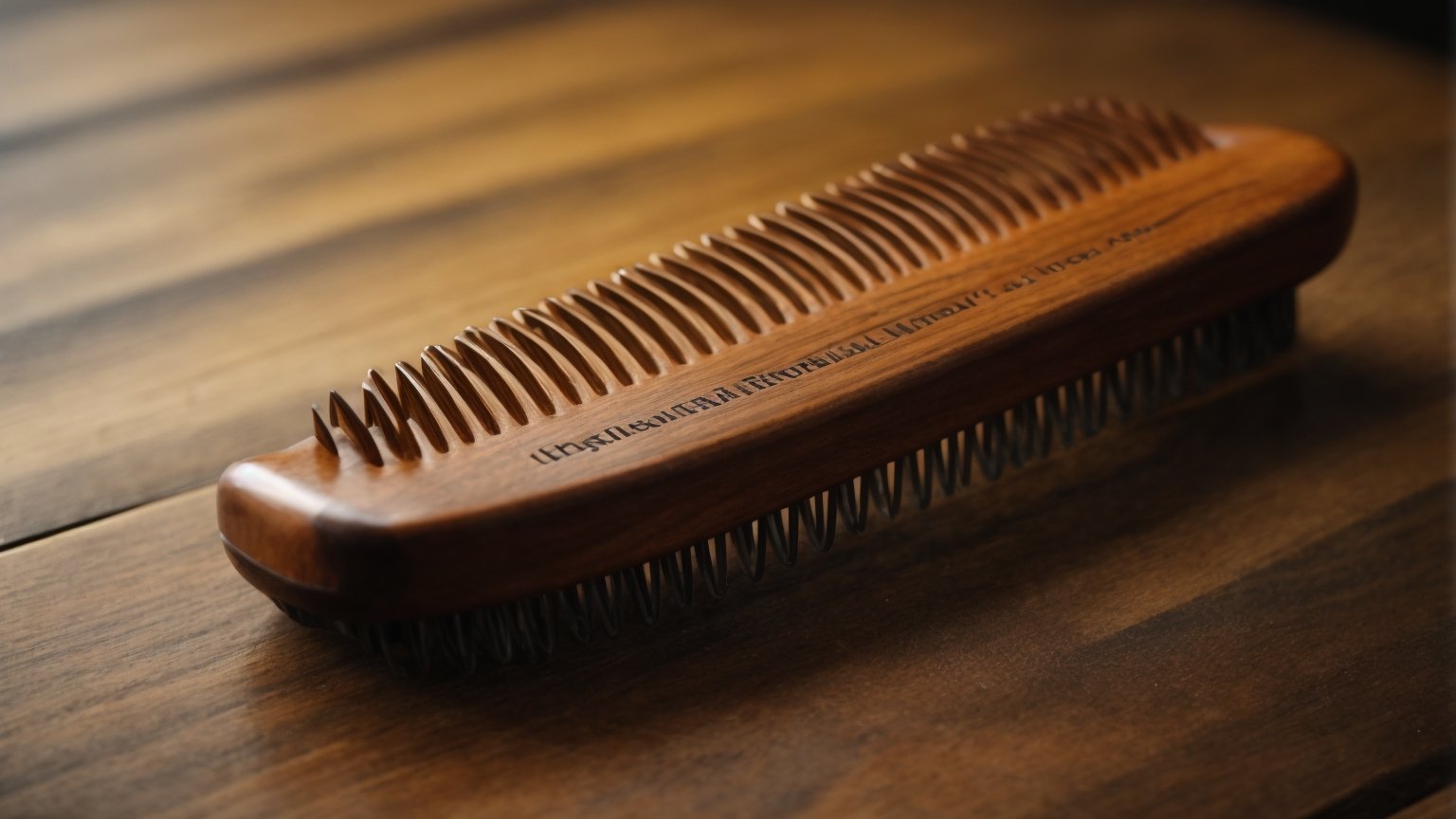
Keeping your hair clean and well-groomed is an important part of your daily routine. While you may have all the right hair products, including a wooden comb, it’s essential to keep them clean and hygienic. Cleaning your wooden comb regularly not only ensures that it lasts longer but also keeps it free of dirt, debris, and bacteria. In this article, we’ll guide you through some easy and effective methods to clean your wooden comb.

Wooden combs are a popular choice for many people due to their durability and natural properties. However, unlike plastic combs, wooden combs require special care and attention when it comes to cleaning. Using water or harsh chemicals can cause damage to the wood and affect the comb’s quality. Therefore, it’s crucial to know the right techniques to clean a wooden comb. We’ve gathered some helpful tips and tricks to help you maintain your wooden comb’s cleanliness and hygiene. So, let’s get started!

Understanding the Material: Wood

how-to-clean-a-wooden-comb

Wooden combs have been used for centuries and are still popular today due to their durability, natural materials, and unique benefits. In this section, we’ll explore why wood combs are a great choice and the types of wood commonly used.

Why Wood Combs?

Wood combs are a great choice for several reasons. Firstly, they are durable and can last for years with proper care. Secondly, they are made from natural materials, making them a more eco-friendly choice than plastic combs. Finally, wooden combs have unique benefits such as reducing static and distributing natural oils throughout your hair.

Types of Wood Used

Different types of wood are used to create wooden combs, each with its own unique properties. Here are some of the most commonly used types of wood:

Wood Type Characteristics
Sandalwood Has a pleasant aroma and is believed to have calming properties.
Bamboo Lightweight and eco-friendly.
Ebony Strong and durable, with a dark color.
Boxwood Hard and dense, often used for fine-toothed combs.
Cherry Attractive wood with a reddish-brown color.

When choosing a wooden comb, consider the type of wood used and how it will affect the comb’s durability and appearance. Additionally, make sure to choose a comb with teeth that are appropriate for your hair type and desired style.

Overall, wooden combs are a great choice for those looking for a durable, eco-friendly, and unique hair styling tool. By understanding the different types of wood used and their characteristics, you can choose the perfect wooden comb for your needs.

Everyday Cleaning of Wooden Combs

Cleaning your wooden comb on a daily basis is essential to maintain its longevity and hygiene. Here are a few simple steps to follow for everyday cleaning of your wooden comb:

  1. Remove hair and debris: After each use, remove any hair or debris from the comb using your fingers or a soft-bristled toothbrush. This will prevent the buildup of dirt and oils on the comb.
  2. Rinse with warm water: Rinse the comb with warm water to remove any remaining residue. Be sure to use water that is not too hot, as this can damage the wood.
  3. Dry the comb: Gently pat the comb dry with a towel. Avoid rubbing the comb vigorously, as this can cause damage to the teeth.
  4. Apply oil: Apply a small amount of oil to the comb using a soft cloth or cotton ball. This will help to protect the wood from drying out and cracking.
  5. Store properly: Store your wooden comb in a cool, dry place away from direct sunlight or heat. This will prevent the wood from warping or cracking.

By following these simple steps, you can keep your wooden comb clean and in good condition for years to come.

Deep Cleaning of Wooden Combs

deep-cleaning-of-wooden-combs

Materials Needed

To deep clean your wooden comb, you will need the following materials:

  • Hot water
  • Mild shampoo or dish soap
  • Soft-bristled toothbrush
  • Cotton pad or cloth
  • Olive oil or coconut oil

Step by Step Procedure

Follow these simple steps to deep clean your wooden comb:

  1. Remove any loose hair from the comb’s teeth using your fingers.
  2. Fill a bowl or sink with hot water and add a few drops of mild shampoo or dish soap.
  3. Place the wooden comb in the water and let it soak for about 15 minutes. This will help loosen any dirt, debris, and hair from the comb’s teeth.
  4. Use a soft-bristled toothbrush to gently scrub the comb’s teeth and remove any remaining debris.
  5. Rinse the comb thoroughly under running water to remove all the soap.
  6. Pat the comb dry with a cotton pad or cloth.
  7. Apply a small amount of olive oil or coconut oil to a cotton pad or cloth.
  8. Gently rub the comb with the cotton pad or cloth in a circular motion until all the stubborn residue is loosened and removed.
  9. Wipe off any excess oil with a clean cotton pad or cloth.

By following these easy steps, you can deep clean your wooden comb and keep it looking brand new. Remember to clean your comb regularly to prevent the buildup of dirt and debris.

Drying and Storing Your Wooden Comb

After cleaning your wooden comb, it’s important to dry and store it properly to prevent any damage or warping. Here are some tips on how to do it:

Drying Your Wooden Comb

  1. Gently shake off any excess water from the comb.
  2. Use a clean, dry towel to pat the comb dry. Avoid rubbing the comb vigorously as it can damage the teeth.
  3. Let the comb air dry completely before storing it. Avoid using a hairdryer or exposing it to direct sunlight as it can cause the wood to warp or crack.

Storing Your Wooden Comb

  1. Store your wooden comb in a dry and cool place. Avoid storing it in a humid or damp environment as it can cause the wood to swell and crack.
  2. Use a protective case or pouch to keep your comb dust-free and prevent it from getting scratched or damaged.
  3. Keep your wooden comb away from sources of heat or moisture such as radiators, steamy bathrooms, or windowsills.
  4. If you’re traveling with your wooden comb, wrap it in a soft cloth or tissue paper and place it in a protective case or pouch to prevent any damage.

By following these simple tips, you can keep your wooden comb clean, dry, and in good condition for years to come.

Maintaining a Wooden Comb

Wooden combs are a great alternative to plastic combs because they are gentle on your hair and scalp. However, wooden combs require some maintenance to keep them in good condition. Here are some tips on how to maintain your wooden comb.

Regular Oil Treatment

One of the best ways to maintain your wooden comb is to give it a regular oil treatment. This will help to keep the wood moisturized and prevent it from drying out and cracking. Here is how you can do it:

  1. Choose a natural oil such as coconut oil, olive oil, or almond oil.
  2. Apply a small amount of oil to a soft cloth.
  3. Rub the oil into the comb, making sure to cover all the surfaces.
  4. Let the oil sit on the comb for a few hours or overnight.
  5. Wipe off any excess oil with a clean cloth.

You should do this once a month or as needed depending on how often you use your comb.

Avoiding Damage

Wooden combs are delicate and can easily get damaged if not handled properly. Here are some tips on how to avoid damaging your wooden comb:

  • Do not expose your comb to water for long periods of time as this can cause the wood to swell and crack.
  • Do not use harsh chemicals or cleaners on your comb as this can damage the wood.
  • Do not drop your comb as this can cause it to break or crack.
  • Do not store your comb in direct sunlight or in a humid place as this can cause the wood to warp or crack.

By following these tips, you can keep your wooden comb in good condition for years to come.

Benefits of Regular Cleaning

Regularly cleaning your wooden comb comes with several benefits. Here are a few reasons why you should make cleaning your wooden comb a regular part of your hair care routine:

Prevents Buildup

Using a wooden comb regularly can lead to the buildup of dirt, oil, and hair products. This buildup can make your comb less effective at detangling and styling your hair. Regular cleaning helps prevent this buildup and keeps your comb in tip-top condition.

Maintains Look

Regularly cleaning your wooden comb will also help maintain its look. It will keep it looking as good as new and ensure that you can enjoy using it for many years to come. So it is important to clean your wooden comb.

Promotes Healthy Hair

A clean comb means clean hair. When you use a dirty comb, you are transferring dirt, oil, and bacteria to your hair. This can lead to scalp irritation, dandruff, and even hair loss. Regularly cleaning your wooden comb helps keep your hair healthy and free from these issues.

Saves Money

Taking care of your wooden comb through regular cleaning can save you money in the long run. A well-maintained comb can last for years, which means you won’t have to keep buying new ones. Plus, cleaning your comb regularly can prevent damage and breakage, which can also save you money on hair care products and treatments.

Overall, regularly cleaning your wooden comb is a simple and effective way to keep your hair healthy, save money, and ensure that your comb lasts for years to come.

Blog

Are you looking for a unique and meaningful accessory to add to your jewelry collection? Making a wooden cross necklace can be a fun and rewarding DIY project that allows you to showcase your creativity and faith. Whether you’re making one for yourself or as a gift for someone special, a wooden cross necklace can be a beautiful and personal accessory that can be worn with any outfit.

To make a wooden cross necklace, you’ll need some basic woodworking tools and materials. The process involves cutting a wooden cross pendant from a piece of wood, drilling a small hole for the necklace chain, and adding any decorative touches you desire. You can choose from a variety of wood types and finishes to customize your necklace to your liking, making it a one-of-a-kind piece that reflects your personal style and beliefs.

If you’re new to woodworking, don’t worry! Making a wooden cross necklace can be a beginner-friendly project that can be completed in just a few hours. With some patience and attention to detail, you can create a beautiful and meaningful accessory that you’ll be proud to wear or give as a gift. So why not give it a try and see what kind of unique and beautiful necklace you can create?

Understanding the Significance of a Wooden Cross Necklace

how-to-make-a-wooden-cross-necklace

A wooden cross necklace is a piece of jewelry that holds great significance for many people. It represents faith, hope, and love, and is often worn as a symbol of one’s religious beliefs. Here are a few things to keep in mind when it comes to understanding the significance of a wooden cross necklace.

Symbol of Faith

For many people, a wooden cross necklace is a symbol of their faith in God. It represents the sacrifice that Jesus made for humanity and is a reminder of the love that God has for us. Wearing a cross necklace is a way to keep your faith close to your heart and to show others that you believe in something greater than yourself.

Reminder of Hope

In addition to being a symbol of faith, a wooden cross necklace can also be a reminder of hope. It represents the hope that comes from knowing that no matter what happens in life, God is always with us. It is a way to stay grounded and to remember that there is always light at the end of the tunnel.

Expression of Love

Finally, a wooden cross necklace can also be seen as an expression of love. It is a way to show love and respect for God, as well as for others. It can be a gift to a loved one, or a way to show solidarity with those who are suffering. Wearing a cross necklace is a way to express your love for the world around you and to show that you are committed to making it a better place.

In conclusion, a wooden cross necklace is a powerful symbol of faith, hope, and love. It is a way to keep your beliefs close to your heart and to express your love for God and for others. Whether you wear it as a reminder of your faith, or as a way to show your love for the world, a wooden cross necklace is a meaningful and significant piece of jewelry.

Materials Needed for a Wooden Cross Necklace

Making a wooden cross necklace is a fun and easy DIY project that requires only a few materials. Here are the essential items you will need to create your own wooden cross necklace:

1. Wooden Cross Pendant

The first and most crucial material you will need for a wooden cross necklace is a wooden cross pendant. You can purchase one from a craft store or make one yourself using a handsaw, drilling machine, and wood glue. If you decide to make one yourself, be sure to take all the necessary safety precautions.

2. Pinch Bail

A pinch bail is a small metal finding that attaches to the top of the wooden cross pendant. It allows you to attach the pendant to a chain or cord. You can find pinch bails in various sizes and finishes at any craft store.

3. Black Beads

Adding black beads to your wooden cross necklace can give it a unique and stylish look. You can use any type of black beads you like, such as glass, wood, or plastic. Make sure the beads are small enough to fit through the pinch bail.

4. Pliers

Pliers are essential for attaching the pinch bail to the wooden cross pendant and closing it securely. You can use any type of pliers, but needle-nose pliers work best.

5. Chain or Cord

Finally, you will need a chain or cord to hang your wooden cross pendant from. You can use any type of chain or cord you like, such as leather, suede, or metal. Make sure the chain or cord is long enough to fit around your neck comfortably.

With these materials, you can create your own unique and beautiful wooden cross necklace that you can wear or give as a gift.

Choosing the Right Wood

When it comes to making a wooden cross necklace, choosing the right type of wood is important. You want a wood that is durable, easy to work with, and looks great. Here are some factors to consider when selecting the right wood for your project:

Hardness

The hardness of the wood is an important factor to consider. Harder woods are more durable and resistant to scratches and dents. Some good options for hardwoods include maple, oak, and cherry. Softer woods like pine or cedar may be easier to work with, but they may not hold up as well over time.

Grain Pattern

The grain pattern of the wood can also affect the final look of your necklace. Some woods have a straight grain pattern, while others have a more complex pattern. Consider the overall look you are going for and choose a wood that matches your aesthetic.

Color

The color of the wood can also play a role in the final look of your necklace. Some woods, like cherry or mahogany, have a rich reddish-brown color, while others, like maple or birch, have a lighter, more natural tone. Consider the other materials you will be using in your necklace and choose a wood that complements them.

Availability

Finally, consider the availability of the wood you want to use. Some woods may be harder to find or more expensive than others. If you are on a budget, consider using a more common wood like pine or oak.

Overall, choosing the right wood for your wooden cross necklace is an important decision. Consider the factors above and choose a wood that is durable, easy to work with, and matches your aesthetic.

Cutting the Wood into Shape

To make a wooden cross necklace, you first need to cut the wood into the shape of a cross. Here are the steps to follow:

  1. Choose the type of wood you want to use. Popular choices include oak, maple, and cherry, but you can use any type of wood that you like.
  2. Use a saw to cut the wood into a rectangular shape that is slightly larger than the size of the cross you want to make.
  3. Draw the shape of the cross onto the wood, using a pencil and a ruler to ensure that the lines are straight and even.
  4. Use a saw to cut along the lines, following the shape of the cross as closely as possible.
  5. Sand the edges of the cross to smooth out any rough spots or jagged edges.
  6. Use a drill to make a small hole at the top of the cross, where you will attach the necklace chain.
  7. Sand the entire surface of the cross to smooth out any rough spots or imperfections.
  8. Apply a coat of wood stain or paint to the cross, if desired. Be sure to let it dry completely before moving on to the next step.

By following these simple steps, you can easily cut a piece of wood into the shape of a cross and prepare it for the next stage of the necklace-making process.

Sanding and Smoothing

Once you have cut and shaped your wooden cross, it’s time to sand and smooth the surface. Sanding and smoothing will help to remove any rough edges and create a smooth surface that is ready for finishing. Here are some tips to help you sand and smooth your wooden cross necklace:

Sandpaper

Start with a coarse-grit sandpaper (around 120-grit) to remove any rough spots or bumps on the surface. Move on to a finer-grit sandpaper (around 220-grit) to smooth out the surface. Finally, use an even finer-grit sandpaper (around 400-grit) to create a smooth, polished finish.

Wet Sanding

Wet sanding is a technique that involves using water to lubricate the sandpaper and create a smoother surface. Wet sanding can be especially useful when working with harder woods. To wet sand, simply soak your sandpaper in water for a few minutes before use. Keep the surface wet while sanding and rinse it off frequently to remove any debris.

Sanding Tools

While sandpaper is the most common tool for sanding and smoothing, there are other tools you can use to achieve a smooth surface. A sanding block can help you apply even pressure while sanding, and a rotary tool with a sanding attachment can be useful for hard-to-reach areas.

Finishing

Once you have sanded and smoothed your wooden cross necklace, it’s time to apply a finish. You can use a clear coat to protect the wood and enhance its natural beauty, or you can apply a stain to add color. Be sure to follow the manufacturer’s instructions for the finish you choose.

Remember, sanding and smoothing is an important step in creating a beautiful wooden cross necklace. Take your time and be patient, and you will be rewarded with a smooth, polished surface that is ready for finishing.

Designing the Cross

designing-the-cross

Designing a wooden cross necklace can be a fun and creative process. There are several factors to consider when designing your cross, such as the size, shape, and style.

First, decide on the size of your cross. Do you want a small and delicate cross or a larger statement piece? Keep in mind that the size of the cross will affect how it hangs on the necklace.

Next, choose the shape of your cross. You can go with a traditional cross shape or get creative with a unique design. Consider incorporating elements that are meaningful to you, such as a heart or a Celtic knot.

Once you have the size and shape determined, it’s time to choose the style of your cross. Do you want a simple and minimalist design or something more intricate and detailed? Think about the overall aesthetic you want to achieve with your necklace.

Finally, consider the type of wood you want to use for your cross. Different woods have different colors and textures, so choose one that complements your design. Popular options include oak, cherry, and maple.

Overall, designing a wooden cross necklace allows you to create a personalized and meaningful piece of jewelry. Take your time and experiment with different designs until you find the perfect one for you.

Adding the Necklace Chain

Once you have your wooden cross pendant ready, it’s time to add the necklace chain. Here are the steps to follow:

  1. Choose your chain: There are different types of chains available, such as cable, snake, ball, and curb chains. Choose the one that you like the most and that matches the style of your pendant.
  2. Cut the chain: Use wire cutters to cut the chain to the desired length. Make sure the length is appropriate for the person who will wear the necklace.
  3. Attach the pendant: Use a pinch bail to attach the pendant to the chain. Open the bail with pliers and insert the pendant loop. Close the bail with pliers to secure the pendant.
  4. Add beads (optional): If you want to add some color to your necklace, you can add beads between the pendant and the chain. Choose beads that match the color of the pendant or that complement it. Thread the beads onto a headpin, trim the excess wire, and make a loop with pliers. Attach the beaded headpin to the pinch bail.
  5. Finish the chain: Use a jump ring to attach a lobster clasp to one end of the chain. Use another jump ring to attach a small chain extender to the other end of the chain. This will allow the person to adjust the length of the necklace.

With these simple steps, you can create a beautiful wooden cross necklace that you can wear or give as a gift. Be creative and experiment with different chains and beads to make your necklace unique.

Caring for Your Wooden Cross Necklace

Now that you have made your beautiful wooden cross necklace, it’s important to take care of it properly to ensure it lasts for a long time. Here are some tips for caring for your wooden cross necklace:

Avoid Water

Wooden cross necklaces should not be exposed to water for long periods of time. Water can cause the wood to warp or crack, and may also cause the color to fade. It’s best to remove your necklace before showering, swimming, or doing any other water-related activities.

Store Properly

When you’re not wearing your wooden cross necklace, it’s important to store it properly. Keep it in a dry place away from direct sunlight or heat. You can store it in a jewelry box or a soft cloth bag to protect it from dust and scratches.

Clean Carefully

If your wooden cross necklace gets dirty, you can clean it with a soft, dry cloth. Avoid using any harsh chemicals or cleaners, as these can damage the wood. You can also use a small amount of olive oil or beeswax to polish the wood and give it a nice shine.

Handle with Care

Wooden cross necklaces are delicate, so it’s important to handle them with care. Avoid pulling or tugging on the chain or pendant, as this can cause it to break. When taking off or putting on your necklace, hold it gently and avoid twisting or bending it.

By following these simple tips, you can keep your wooden cross necklace looking beautiful for years to come.

Personalizing Your Wooden Cross Necklace

Now that you have made your own wooden cross necklace, it’s time to make it truly yours by personalizing it. Here are some ideas to get you started:

Adding Color

One way to make your wooden cross necklace unique is by adding color. You can use paint, markers, or even nail polish to add color to your pendant. Consider using your favorite colors, or colors that have special meaning to you.

Engraving

Another way to personalize your wooden cross necklace is by engraving it. You can use a wood burning tool or a laser engraver to add your name, initials, or a special message to the back of the pendant. This will make your necklace even more special and meaningful.

Adding Charms

You can also add charms to your wooden cross necklace to make it more personalized. Consider adding birthstone charms, religious symbols, or other meaningful symbols that represent your personality or beliefs. You can attach the charms using jump rings or wire.

Experimenting with Chain Lengths

Finally, you can experiment with different chain lengths to create a unique look for your wooden cross necklace. You can use a longer chain to create a bohemian look, or a shorter chain for a more classic look. You can also mix and match different types of chains to create a layered look.

By personalizing your wooden cross necklace, you can create a one-of-a-kind piece of jewelry that reflects your personality and style. Have fun experimenting with different colors, engraving techniques, charms, and chain lengths until you find the perfect combination for you.

Safety Tips When Making a Wooden Cross Necklace

When working with wood, it is important to take safety precautions to avoid accidents and injuries. Here are some safety tips to keep in mind when making a wooden cross necklace:

  1. Wear protective gear: Always wear safety glasses to protect your eyes from sawdust and other debris. If you are using power tools, wear ear protection to prevent hearing damage. Additionally, wear gloves to protect your hands from splinters and cuts.
  2. Use the right tools: Make sure you are using the appropriate tools for the job. Using the wrong tool can result in accidents and injuries. Use sharp tools to avoid slipping and causing harm.
  3. Work in a well-ventilated area: When sanding or cutting wood, sawdust can become airborne. Breathing in sawdust can cause respiratory problems. Work in a well-ventilated area or use a dust mask to protect your lungs.
  4. Keep your workspace clean: Keep your workspace clean and organized to avoid tripping hazards. Make sure all tools are stored properly and out of reach of children.
  5. Take your time: Rushing through a project can lead to mistakes and accidents. Take your time and work carefully to avoid injuries.

By following these safety tips, you can enjoy making a wooden cross necklace without putting yourself at risk of injury.

Blog

Boiling wooden spoons is a great way to sanitize them and remove any stubborn stains or odors. However, it’s important to be cautious when boiling wooden spoons as it can strip the wood or warp it in some way. In this article, we will guide you through the proper way to boil clean wooden spoons so that you can keep them in good condition for years to come.

First, it’s important to note that not all wooden spoons are suitable for boiling. Make sure to check the manufacturer’s instructions or do a quick online search to see if your wooden spoons are safe to boil. If they are, start by washing them with soap and warm water to remove any surface dirt or debris. Then, place the wooden spoons in a pot of boiling water and let them simmer for about 10-15 minutes.

After boiling, remove the wooden spoons from the pot and let them air dry completely before using them again. It’s also a good idea to oil your wooden spoons regularly to keep them moisturized and prevent them from splitting or cracking. With these simple steps, you can safely and effectively boil clean your wooden spoons, ensuring they stay in good condition for all your cooking needs.

Understanding the Importance of Clean Wooden Spoons

how-to-boil-clean-wooden-spoons-a-quick-guide

Wooden spoons are a staple in most kitchens. They are durable, versatile, and can be used for a variety of cooking tasks. However, if not properly cleaned, they can become a breeding ground for bacteria and germs. This is why it is important to understand the importance of clean wooden spoons.

When you use a wooden spoon, tiny grooves and crevices can trap food particles, making it difficult to clean. Over time, these particles can build up and create a perfect environment for bacteria to grow. This can lead to foodborne illnesses and other health problems.

Boiling your wooden spoons is one way to ensure that they are properly cleaned. Boiling water can kill bacteria and germs that may be lurking in the crevices of your spoons. However, it is important to note that boiling your wooden spoons can also damage them if not done properly.

To avoid damaging your wooden spoons, it is important to follow the proper cleaning techniques. Always wash your wooden spoons with soap and water after each use. Never put them in the dishwasher, as this can cause them to warp and crack. Instead, hand wash them and air dry them as soon as possible.

In addition to washing your wooden spoons, it is also important to treat them with oil. This will help to keep them from drying out and splitting. Mineral oil or food-grade oil can be used for this purpose.

In conclusion, understanding the importance of clean wooden spoons is essential for maintaining a healthy kitchen. By following proper cleaning techniques and treating your wooden spoons with oil, you can ensure that they last for years to come.

Materials Needed for Boiling

Boiling wooden spoons is a great way to sanitize them and remove any bacteria or stains. However, before you start boiling your wooden spoons, you need to gather a few materials. Here are the materials you will need:

1. Pot

You will need a pot that is large enough to hold all of the wooden spoons you want to boil. Make sure the pot is deep enough to hold the spoons and enough water to cover them completely.

2. Water

You will need enough water to cover the wooden spoons completely. Make sure you use enough water to prevent the spoons from burning or sticking to the bottom of the pot.

3. Wooden Spoons

Of course, you will need the wooden spoons that you want to boil. Make sure they are clean and free of any debris or food particles before you start boiling them.

4. Stove

You will need a stove to boil the water and wooden spoons. Make sure the stove is clean and free of any debris or food particles.

5. Tongs

You will need tongs to remove the wooden spoons from the boiling water. Make sure the tongs are clean and free of any debris or food particles.

6. Towel

You will need a towel to dry the wooden spoons after you remove them from the boiling water. Make sure the towel is clean and free of any debris or food particles.

By gathering all of these materials beforehand, you will be able to boil your wooden spoons safely and effectively.

Preparation Steps Before Boiling

Before boiling your wooden spoons, it’s important to prepare them properly to ensure that they come out clean and undamaged. Here are some steps to take before boiling your wooden spoons:

1. Check for Damage

Before boiling your wooden spoons, check for any damage such as cracks, splinters, or loose handles. If you find any damage, it’s best to discard the spoon and replace it with a new one.

2. Clean the Spoons

Clean your wooden spoons thoroughly before boiling them. Use a mild soap and warm water to wash them by hand. Avoid using chemical soaps as they can break down the material of the spoon. Rinse them well and allow them to air dry completely.

3. Soak the Spoons

Soak your wooden spoons in a 50/50 mix of water and hydrogen peroxide or distilled white vinegar for at least 15 minutes before boiling them. This will help to remove any stubborn stains or odors.

4. Boil the Spoons

Fill a pot with enough water to cover the wooden spoons and bring it to a boil. Once the water is boiling, add the wooden spoons and let them boil for about 10-15 minutes. This will help to kill any bacteria or germs on the spoons.

5. Dry the Spoons

After boiling, remove the wooden spoons from the pot and place them in a dish rack or on a towel to air dry completely. Avoid using a dishwasher to dry them, as the extreme heat can warp the wood.

By following these preparation steps, you can ensure that your wooden spoons are properly cleaned and sanitized before use.

How to Boil Wooden Spoons

how-to-boil-wooden-spoons

Cleaning wooden spoons is essential to maintain their quality and longevity. Boiling wooden spoons is a popular cleaning method that is also effective. Here’s how to boil wooden spoons:

Filling the Pot

The first step is to fill a pot with enough water to cover the spoons. It’s important to use a pot that is large enough to accommodate the spoons without overcrowding them. Overcrowding can cause the spoons to bump against each other, which can cause damage.

Adding the Spoons

Once the water is boiling, add the wooden spoons to the pot. Make sure that the spoons are fully submerged in the water. You can add a teaspoon of salt to the water to help remove any stains or odors.

Boiling Duration

Boil the spoons for 10-15 minutes. This duration is enough to kill any bacteria or germs that may be on the spoons. Avoid boiling the spoons for too long as this can cause the wood to crack or split.

After boiling, remove the spoons from the pot and rinse them with cold water. Allow the spoons to air dry completely before using them again. You can also apply a light coat of mineral oil to the spoons to keep them moisturized and prevent them from drying out.

Boiling wooden spoons is an effective cleaning method that can help keep your spoons in good condition. Just remember to use a large pot, fully submerge the spoons, and boil them for the right duration.

Post-Boiling Care

Once you have boiled your wooden spoons to clean them, it’s important to take proper care of them to ensure they last as long as possible. Here are some tips for post-boiling care:

Drying the Spoons

After boiling your wooden spoons, you should allow them to air dry completely before using them again. Avoid drying them with a towel or cloth as this can leave moisture behind and damage the wood. Instead, place them in a dish rack or on a clean towel and let them air dry naturally.

Storing the Spoons

Proper storage is key to keeping your wooden spoons in good condition. Avoid storing them in a damp or humid area, as this can cause the wood to warp or crack. Instead, store them in a dry, cool place, such as a utensil holder or a drawer. Make sure they are not touching other utensils or surfaces that could transfer moisture or bacteria.

To help keep your wooden spoons in top condition, you may also want to consider treating them with oil. This can help prevent the wood from drying out and splitting over time. To do this, simply apply a small amount of food-grade mineral oil to the spoon and rub it in with a soft cloth. Allow the oil to soak in for a few hours or overnight before wiping off any excess.

In summary, post-boiling care for wooden spoons involves allowing them to air dry completely before storing them in a dry, cool place. You may also want to consider treating them with oil to help keep them in good condition. By following these tips, you can help ensure that your wooden spoons last for years to come.

Safety Precautions During Boiling

Boiling wooden spoons is an effective way to clean and sanitize them. However, it is important to take safety precautions to avoid damaging the spoons or causing harm to yourself. Here are some tips to keep in mind:

1. Use a large pot

When boiling wooden spoons, it is important to use a pot that is large enough to accommodate them without overcrowding. This will ensure that the spoons are fully submerged in the water and will be thoroughly cleaned and sanitized. If the pot is too small, the spoons may not be fully cleaned and could be damaged by the heat.

2. Use enough water

Make sure to use enough water to fully cover the wooden spoons. This will prevent them from coming into contact with the bottom of the pot, which could cause them to warp or split. It is also important to avoid adding too much water, as this could cause the pot to boil over and create a safety hazard.

3. Add salt

Adding salt to the water can help to remove any odors or stains from the wooden spoons. Simply add a tablespoon of salt for every quart of water and stir until it dissolves. This will also help to prevent the spoons from absorbing too much water and becoming damaged.

4. Boil for a short time

Boiling wooden spoons for too long can cause them to become brittle and crack. It is recommended to boil them for no more than 3-5 minutes. This will be enough time to sanitize them without causing damage.

5. Allow to cool before handling

After boiling the wooden spoons, it is important to allow them to cool before handling them. This will prevent you from burning yourself and will also allow the spoons to dry out before being used again.

By following these safety precautions, you can effectively clean and sanitize your wooden spoons without causing any damage or harm.

Common Mistakes to Avoid

When it comes to cleaning wooden spoons, there are some common mistakes that people make that can damage the spoons and reduce their lifespan. Here are some mistakes to avoid:

Boiling the Spoons Too Often

Boiling water is a good way to sanitize your wooden spoons, but you don’t want to overdo it. Repeatedly boiling your spoons or boiling them too often can strip the wood or warp it in some way, which can make the spoons less effective and even unusable over time. Instead, consider washing your wooden spoons with soap and warm water after each use and sanitizing them with a vinegar solution or hydrogen peroxide.

Putting Wooden Spoons in the Dishwasher

Wooden spoons should never be put in the dishwasher. The heat and chemicals from the dishwasher can cause wooden utensils to warp, split, or crack. Instead, hand wash your wooden spoons with soap and warm water, and dry them thoroughly with a clean towel.

Using Harsh Chemicals

Using harsh chemicals to clean your wooden spoons can damage the wood and make them less effective over time. Avoid using bleach, ammonia, or other harsh chemicals on your wooden spoons. Instead, consider using a vinegar solution or hydrogen peroxide to sanitize your wooden spoons.

Soaking Wooden Spoons in Water

Soaking your wooden spoons in water can cause them to swell and crack. Instead, wash your wooden spoons with soap and warm water, and dry them thoroughly with a clean towel. If your wooden spoons are stained or have an odor, you can try rubbing them with a lemon or baking soda to remove the stains and odors.

By avoiding these common mistakes, you can keep your wooden spoons in good condition and ensure that they last for years to come.

Blog

Are you looking for a comfortable and stylish addition to your outdoor space? Look no further than the classic Adirondack chair. With its wide armrests, slanted seat, and angled backrest, this iconic chair design is perfect for relaxing in the sun or enjoying a cool evening breeze. And the best part? You can easily build your own wooden Adirondack chairs with just a few basic tools and materials.

Building your own Adirondack chairs allows you to customize the design to fit your personal style and comfort preferences. Whether you prefer a traditional look with natural wood finishes or want to add a pop of color with painted chairs, the possibilities are endless. Plus, by building your own chairs, you can save money compared to purchasing pre-made options. So, grab your tools and let’s get started on building your very own Adirondack chairs.

Understanding Adirondack Chairs

how-to-build-wooden-adirondack-chairs

History of Adirondack Chairs

Adirondack chairs have been a popular choice for outdoor furniture for over a century. They were originally designed by Thomas Lee in 1903 while he was vacationing in the Adirondack Mountains of upstate New York. Lee was looking for a comfortable outdoor chair that could be used on the uneven terrain of the Adirondacks. He came up with a design that featured wide armrests, a slanted back, and a seat that was low to the ground.

Lee’s original design was made from eleven pieces of wood, but over time, the design has been simplified. Today, Adirondack chairs are typically made from just a few pieces of wood, making them easy to build and affordable.

Why Wooden Adirondack Chairs

Wooden Adirondack chairs are a popular choice for outdoor furniture for a number of reasons. First, they are durable and long-lasting. With proper care, a wooden Adirondack chair can last for decades. Second, they are comfortable. The wide armrests and slanted back make them perfect for lounging and relaxing. Finally, they are aesthetically pleasing. Wooden Adirondack chairs have a classic, rustic look that complements any outdoor space.

When choosing the wood for your Adirondack chair, it’s important to select a type of wood that is both durable and attractive. Some popular choices include cedar, pine, and teak. Cedar is a good choice for those on a budget, as it is affordable and naturally resistant to rot and insects. Pine is also affordable and easy to work with, but it is not as durable as cedar or teak. Teak is the most expensive option, but it is also the most durable and weather-resistant.

Materials Needed

When it comes to building wooden Adirondack chairs, having the right materials is crucial to ensure the stability and durability of the finished product. In this section, we’ll discuss the types of wood and hardware and tools you’ll need to build your own Adirondack chairs.

Types of Wood

The first thing you’ll need to consider is the type of wood you’ll use for your Adirondack chairs. Here are some of the most popular options:

Type of Wood Characteristics
Cedar Lightweight, naturally resistant to decay and insects, has a pleasant aroma
Pine Affordable, easy to work with, has a rustic look
Redwood Durable, naturally resistant to decay and insects, has a distinctive color
Teak Extremely durable, naturally resistant to decay and insects, has a beautiful golden color

While each type of wood has its own unique characteristics, the most important thing is to choose a wood that is strong and durable enough to withstand the elements and frequent use.

Hardware and Tools

In addition to the wood, you’ll also need a variety of hardware and tools to build your Adirondack chairs. Here’s a list of some of the most important items:

  • Screws and nails
  • Wood glue
  • Sandpaper
  • Circular saw or jigsaw
  • Drill and drill bits
  • Clamps
  • Measuring tape
  • Square
  • Pencil

Make sure to choose high-quality hardware and tools to ensure that your Adirondack chairs are sturdy and well-constructed. With the right materials and tools, you’ll be well on your way to building beautiful and comfortable Adirondack chairs that will last for years to come.

Designing Your Chair

Before you begin building your Adirondack chair, it’s important to consider the design. This will ensure that your chair is comfortable, functional, and aesthetically pleasing. In this section, we’ll cover two important aspects of designing your chair: chair dimensions and creating a blueprint.

Chair Dimensions

The dimensions of your Adirondack chair will affect its comfort and functionality. Here are some general guidelines to follow:

  • Seat height: 13-16 inches (33-41 cm)
  • Seat width: 20-23 inches (51-58 cm)
  • Seat depth: 18-20 inches (46-51 cm)
  • Armrest height: 7-9 inches (18-23 cm) above the seat
  • Backrest height: 32-37 inches (81-94 cm) above the ground
  • Backrest angle: 100-110 degrees

Keep in mind that these are just guidelines, and you can adjust the dimensions to suit your needs. For example, if you’re taller or shorter than average, you may want to adjust the seat height and backrest height accordingly.

Creating a Blueprint

Once you have an idea of the dimensions you want to use, it’s a good idea to create a blueprint of your Adirondack chair. This will help you visualize the final product and identify any potential issues before you start building.

To create a blueprint, you can use a pencil and paper or a design software such as SketchUp. Start by drawing the basic shape of the chair, including the seat, backrest, and armrests. Then, add the dimensions you’ve chosen for each component.

As you’re creating your blueprint, pay attention to the angles and curves of the chair. The backrest and seat should have a gentle curve to provide comfort and support, while the armrests should be angled slightly downward for a natural resting position.

Once you’ve created your blueprint, you can use it as a guide when cutting and assembling your chair. This will help ensure that your chair is consistent and well-proportioned.

By taking the time to design your Adirondack chair properly, you’ll end up with a comfortable and functional piece of furniture that you can enjoy for years to come.

Building the Chair

building-the-chair

Building an Adirondack chair can be a fun and rewarding project for any DIY enthusiast. With a little bit of woodworking experience and some basic tools, you can create a beautiful and comfortable chair that will be perfect for relaxing on your porch or in your backyard. In this section, we will go over the steps involved in building an Adirondack chair, from preparing the wood to adding the finishing touches.

Preparing the Wood

Before you can start building your Adirondack chair, you will need to prepare the wood. Start by selecting a high-quality, weather-resistant wood such as cedar or redwood. Cut the wood into the appropriate lengths and widths according to the plans you are using.

Once you have cut the wood, use a sander to smooth out any rough edges or surfaces. This will help ensure that your chair is comfortable and free of splinters. You may also want to apply a coat of wood sealer or preservative to protect the wood from the elements.

Assembling the Pieces

Next, it’s time to assemble the pieces of your Adirondack chair. Start by laying out all of the pieces and making sure that you have everything you need. Then, follow the instructions provided by your plans to assemble the chair.

Typically, you will need to use screws or bolts to attach the various pieces of the chair together. Make sure that you use the appropriate size and type of screws or bolts for each joint. It’s also a good idea to pre-drill the holes to prevent the wood from splitting.

As you assemble the chair, check each joint to make sure that it is secure and stable. You may need to make adjustments or add additional screws or bolts to ensure that the chair is sturdy.

Finishing Touches

Once you have assembled the chair, it’s time to add the finishing touches. Sand any rough edges or surfaces and apply a final coat of wood sealer or preservative to protect the wood from the elements.

You may also want to add some cushions or pillows to the chair for added comfort. Consider using weather-resistant fabrics that will hold up well in outdoor conditions.

With these simple steps, you can create a beautiful and comfortable Adirondack chair that will be the perfect addition to your outdoor space.

Safety Precautions

Building your own Adirondack chair can be a fun and rewarding experience, but it is important to take safety precautions to prevent accidents and injuries. Here are some tips to help you stay safe while building your chair:

  • Wear protective gear: Always wear protective gear, such as safety glasses and earplugs, when using power tools. Wear gloves to protect your hands from splinters and cuts.
  • Use tools correctly: Make sure you know how to use each tool correctly before you start using it. Always follow the manufacturer’s instructions and safety guidelines.
  • Work in a well-ventilated area: If you are using paint or stain, make sure you work in a well-ventilated area to avoid breathing in harmful fumes.
  • Keep your work area clean: Keep your work area clean and free of clutter to prevent tripping hazards. Make sure your tools are organized and stored safely when not in use.
  • Use the right materials: Use high-quality materials that are appropriate for outdoor use. Make sure your wood is free of knots and cracks that could weaken the structure of your chair.
  • Take breaks: Building a chair can be a time-consuming process, so make sure you take regular breaks to rest and stretch your muscles. This will help prevent fatigue and reduce the risk of injury.

By following these safety precautions, you can build your own Adirondack chair with confidence and enjoy the process without worrying about accidents or injuries.

Maintaining Your Wooden Adirondack Chair

To ensure your wooden Adirondack chair lasts for years to come, it’s important to take proper care of it. This section will provide you with some tips on how to clean, weatherproof, and regularly check your chair.

Cleaning

Cleaning your wooden Adirondack chair is essential to keep it looking great. Here are a few tips on how to do it:

  • Use a mild soap and warm water to clean your chair. Avoid using harsh chemicals or abrasive cleaners that can damage the wood.
  • Scrub the chair with a soft-bristled brush to remove any dirt or grime.
  • Rinse the chair thoroughly with water and let it dry completely before using it again.

Weatherproofing

Weatherproofing your wooden Adirondack chair is important to protect it from the elements. Here are some tips on how to do it:

  • Apply a waterproof sealant to your chair at least once a year to protect it from moisture and UV rays.
  • Use a paint or stain that is specifically designed for outdoor use to protect your chair from the sun and rain.
  • Cover your chair with a tarp or store it indoors during the winter months to protect it from snow and ice.

Regular Checks

Regularly checking your wooden Adirondack chair can help you catch any problems before they become major issues. Here are some things to look out for:

  • Check for any cracks or splits in the wood. If you find any, fill them in with wood filler and sand them down.
  • Check the screws and bolts to make sure they are tight. If they are loose, tighten them with a screwdriver or wrench.
  • Check the overall stability of the chair. If it wobbles or feels unstable, reinforce it with additional screws or braces.

By following these tips, you can ensure that your wooden Adirondack chair stays in great condition for years to come.

Customizing Your Chair

When it comes to building your own Adirondack chair, there are plenty of opportunities to customize it to your liking. Here are a few ideas to get you started:

Painting and Staining

One of the easiest ways to customize your Adirondack chair is by painting or staining it. You can choose a color that matches your outdoor decor or go for a bold statement with a bright hue. Before you start painting or staining, make sure to sand the chair to ensure a smooth surface. You can also apply a primer to help the paint or stain adhere better.

If you’re staining the chair, consider using a wood conditioner first to help the stain absorb more evenly. Once you’ve applied the paint or stain, let it dry completely before using the chair.

Adding Cushions

While Adirondack chairs are known for their comfort, you can make them even cozier by adding cushions. There are plenty of outdoor cushion options available, from basic seat cushions to full back and seat sets. You can choose a color or pattern that complements your chair’s paint or stain, or go for a contrasting look.

When choosing cushions, make sure they’re made from outdoor fabric that’s resistant to water and UV rays. You can also opt for cushions with ties or Velcro to keep them securely in place on the chair.

Customizing your Adirondack chair is a fun way to make it your own. Whether you choose to paint it a bold color or add cushions for extra comfort, you’ll have a chair that’s uniquely yours.

Blog

Are you interested in learning how to make a wooden bowl? Whether you’re a beginner or an experienced woodworker, making a wooden bowl can be a fun and rewarding project. There are several methods for making a wooden bowl, including using a lathe, carving by hand, or using power tools like a router. With the right tools and techniques, you can create a beautiful and functional bowl that you can use or display in your home.

One popular method for making a wooden bowl is using a lathe. This involves mounting a block of wood on a lathe and using various cutting tools to shape the wood into a bowl shape. Another method is carving the bowl by hand using chisels or gouges. This method requires more time and skill but can result in a unique and beautiful bowl with a handcrafted look. Using power tools like a router can also be a quick and easy way to make a wooden bowl, especially if you’re working with a larger piece of wood. Whatever method you choose, making a wooden bowl can be a fun and satisfying woodworking project that you can be proud of.

Understanding Woodworking

how-to-make-a-wooden-bowl-a-beginners-guide-to-woodworking

Woodworking is the art of creating objects made from wood. It is a skill that has been passed down from generation to generation and is still widely practiced today. Whether you are a beginner or an experienced woodworker, it is important to understand the basics of woodworking before you start making your own wooden bowl.

Types of Wood

There are many different types of wood that can be used for woodworking, each with its own unique properties. Some of the most common types of wood used for making wooden bowls include:

Type of Wood Characteristics
Maple Hard, durable, and easy to work with
Cherry Soft, easy to carve, and has a beautiful color
Walnut Hard, strong, and has a rich color

It is important to choose the right type of wood for your project based on your skill level and the desired outcome.

Use of Tools

Woodworking requires the use of various tools to shape and carve the wood. Some of the most common tools used for making wooden bowls include:

  • Lathe: A machine used to turn the wood while it is being shaped
  • Gouge: A chisel-like tool used to carve the wood
  • Chisel: A sharp tool used to remove excess wood
  • Sandpaper: Used to smooth the surface of the wood

It is important to use these tools properly and safely to avoid injury and to achieve the desired outcome. Always wear protective gear such as safety glasses and gloves when working with power tools.

By understanding the basics of woodworking, you can create a beautiful and functional wooden bowl that will last for years to come.

Choosing the Right Wood

When it comes to making a wooden bowl, selecting the right wood is crucial. Not all woods are suitable for turning on a lathe or safe for eating. Here are some popular types of wood that can be used for making wooden bowls:

Maple

Maple is a popular choice for making wooden bowls because it is hard and has a beautiful grain. It is also relatively inexpensive, making it an affordable option for beginners. A bowl made out of maple can cost between $30 and $50.

Cherry

Cherry is another popular wood for making wooden bowls. It is also hard and has a beautiful grain, but it is more expensive than maple. A bowl made out of cherry can cost between $50 and $100.

Red Oak

Red Oak is a well-loved hardwood with warm red and brown hues. It comes in a one-of-a-kind design with circular or parallel lines. With a Janka rating of 1,450, Red Oak offers solid performance for everyday chopping while creating a striking look to serve your favorite dishes. These wooden bowls are also popular as fruit bowls.

When selecting the right wood for your wooden bowl, it’s important to consider the type of wood, its hardness, and its grain pattern. Choose a wood that is suitable for turning on a lathe and safe for eating. With the right wood, you can create a beautiful and functional wooden bowl that will last for years to come.

Safety Measures in Woodworking

Woodworking can be a fun and rewarding hobby, but it can also be dangerous if proper safety measures are not taken. Here are some important safety measures to keep in mind when making a wooden bowl:

Wear Appropriate Safety Gear

Wearing the right safety gear is crucial in woodworking. The following are some essential safety gear that you should wear:

  • Safety glasses or goggles: to protect your eyes from flying debris and sawdust.
  • Hearing protection: to protect your ears from loud noises.
  • Respirator or dust mask: to protect your lungs from inhaling sawdust and other particles.
  • Gloves: to protect your hands from sharp tools and splinters.
  • Closed-toe shoes: to protect your feet from falling objects and sharp tools.

Keep Your Work Area Clean and Organized

A clean and organized work area is essential for safety in woodworking. Here are some tips for keeping your work area clean and organized:

  • Keep your tools and materials organized and easily accessible.
  • Sweep up sawdust and wood shavings regularly.
  • Keep your work area well-lit.

Use Tools and Equipment Properly

Using tools and equipment properly is crucial in woodworking. Here are some tips for using tools and equipment safely:

  • Read the manufacturer’s instructions before using any tool or equipment.
  • Use sharp tools to reduce the risk of accidents.
  • Do not use tools that are damaged or defective.
  • Keep your hands away from the cutting area of any tool or machine.

Know Your Limits

It’s important to know your limits when it comes to woodworking. Here are some tips for staying safe:

  • Do not attempt a project that is too difficult for your skill level.
  • Do not rush through a project.
  • Take breaks when you feel tired or fatigued.

By following these safety measures, you can enjoy woodworking while keeping yourself safe.

Preparing the Wood

Before you can start making a wooden bowl, you need to prepare the wood. Here are the steps you need to follow:

Step 1: Choosing the Right Wood

The first step in creating a wooden bowl is selecting the proper wood. There are numerous varieties of wood that can be used, but it’s crucial to pick one that can be turned on a lathe and is also safe for eating. Wooden bowls are frequently crafted from the following popular types of wood:

Wood Type Description
Cherry A hardwood with a warm, reddish-brown color and a fine grain.
Maple A hardwood with a light, creamy color and a fine grain.
Walnut A hardwood with a dark brown color and a coarse grain.
Oak A hardwood with a light to medium brown color and a coarse grain.

Step 2: Cutting the Wood

Once you have selected the wood, the next step is to cut it into a rough bowl shape. You can use a bandsaw or a jigsaw to do this. Make sure to wear safety goggles and a dust mask while cutting the wood.

Step 3: Mounting the Wood

After you have cut the wood into a rough bowl shape, you need to mount it on a lathe. Make sure to use a faceplate to attach the wood securely to the lathe.

Step 4: Turning the Wood

Now it’s time to turn the wood into a bowl shape. You can use a variety of lathe tools to do this, including gouges, chisels, and scrapers. Start by roughing out the shape of the bowl, and then refine the shape as you go.

Step 5: Sanding the Bowl

Once you have turned the bowl shape, you need to sand it to remove any rough spots and smooth out the surface. Start with a coarse grit sandpaper and gradually work your way up to a finer grit.

Step 6: Finishing the Bowl

The final step in preparing the wood is to apply a finish to the bowl. You can use a variety of finishes, including oil, wax, and varnish. Make sure to follow the manufacturer’s instructions for the finish you choose.

Carving the Bowl

carving-the-bowl

Carving a wooden bowl is a satisfying and rewarding experience that requires patience, skill, and attention to detail. In this section, we’ll guide you through the process of carving a wooden bowl, from initial carving to refining the shape.

Initial Carving

To begin carving your wooden bowl, you’ll need to have a rough idea of the shape and size you want to achieve. You can use a template or sketch to guide you, or you can simply start carving and let the wood guide you.

Start by using a gouge or chisel to remove the bulk of the wood from the center of the bowl. Be sure to work slowly and carefully, removing small amounts of wood at a time to avoid making any mistakes.

As you carve, be mindful of the grain of the wood. Carving against the grain can result in tear-out and other unwanted defects. Instead, try to carve with the grain, using long, smooth strokes to remove the wood.

Refining the Shape

Once you’ve removed the bulk of the wood from the center of the bowl, it’s time to refine the shape. Use a smaller gouge or chisel to carve the sides of the bowl, working from the center outwards.

As you carve, be sure to keep the walls of the bowl even and symmetrical. You can use a caliper or ruler to measure the thickness of the walls and ensure they are consistent.

Once you’re happy with the shape of the bowl, it’s time to sand and finish it. Use a series of sandpapers, starting with a coarse grit and working up to a fine grit, to smooth the surface of the bowl.

Finally, apply a food-safe finish to the bowl to protect it and bring out the natural beauty of the wood. Beeswax or food-safe oils are excellent choices if you plan to use the bowl for culinary delights.

That’s it! With a little patience and practice, you can create a beautiful wooden bowl that will be a cherished addition to your home or a thoughtful gift for someone special.

Sanding and Finishing

Sanding the Bowl

After turning your wooden bowl, it’s time to sand it down to a smooth finish. Sanding is a crucial step in the bowl-making process as it removes any tool marks and imperfections, giving it a polished look. Here are some tips for sanding your wooden bowl:

  • Start with a coarse grit sandpaper, such as 80 or 120 grit, to remove any rough spots or tool marks.
  • Move on to a finer grit sandpaper, such as 220 or 320 grit, to smooth out the surface and remove any scratches left by the coarse grit sandpaper.
  • Use a foam-padded sanding mandrel to make the sanding process easier and prevent harsh effects on the wood surface.
  • Blend the transition areas on the bowl smoothly by using the foam pads.

It’s important to take your time with sanding and not rush the process. Ensure that you sand the entire surface of the bowl, including the inside and outside, to achieve a uniform finish.

Applying Finish

Once you’ve sanded your wooden bowl, it’s time to apply a finish to protect and enhance its natural beauty. Here’s how to apply finish to your wooden bowl:

  • Apply a sanding paste to the bowl using a cloth or brush, following the manufacturer’s instructions.
  • Allow the sanding paste to dry for the recommended time, then buff it off with a clean cloth.
  • Apply a finishing wax to the bowl using a cloth or brush, following the manufacturer’s instructions.
  • Allow the finishing wax to dry for the recommended time, then buff it off with a clean cloth.

A sanding paste and finishing wax will give your wooden bowl a smooth and polished finish, while also protecting it from moisture and wear. You can also experiment with different finishes, such as oil or varnish, to achieve different looks and levels of protection.

Remember to always follow the manufacturer’s instructions when applying finish to your wooden bowl, and to allow it to dry completely before using or displaying it.

Caring for Your Wooden Bowl

If you want to keep your wooden bowl looking beautiful and in good condition, you need to care for it properly. Here are some tips on how to clean and maintain your wooden bowl:

Cleaning

Cleaning your wooden bowl should be a simple and straightforward process. After each use, rinse your bowl with warm water and mild dish soap. Use a soft sponge or cloth to gently clean the surface of the bowl.

Avoid soaking your wooden bowl in water or putting it in the dishwasher. This can cause the wood to swell and crack. Instead, dry your bowl promptly with a soft towel.

If your wooden bowl has stains or a funky odor, you can do a deeper cleaning. Mix equal parts of lemon juice and salt to make a paste. Rub the paste onto the surface of the bowl and let it sit for a few minutes. Rinse the bowl with warm water and dry it with a soft towel.

Maintenance

To maintain your wooden bowl, you need to season it regularly. Seasoning helps to protect the wood and keep it from drying out. You can use food-grade mineral oil or beeswax to season your bowl.

To season your wooden bowl, apply a small amount of oil or wax to the surface of the bowl. Use a soft cloth to rub the oil or wax into the wood. Let the bowl sit for a few hours or overnight to allow the oil or wax to penetrate the wood.

After seasoning your wooden bowl, wipe off any excess oil or wax with a clean cloth. You can repeat this process every few months to keep your bowl in good condition.

In addition to seasoning your wooden bowl, you should also avoid exposing it to extreme temperatures or direct sunlight. This can cause the wood to warp or crack.

By following these simple tips, you can keep your wooden bowl looking beautiful and in good condition for years to come.