Blog

Blog

What Adhesive to Use for Bonding Wood to PVC Board?

Are you wondering what adhesive to use when bonding wood to PVC board? It can be challenging to find the right adhesive for this task, especially if you’re not familiar with the materials. However, with the right information, you can easily choose the right adhesive for your project.

When bonding wood to PVC board, it’s essential to consider the strength and durability of the adhesive. You want an adhesive that can withstand the elements and hold up over time. Additionally, you want an adhesive that can bond the two materials together effectively. In this article, we’ll explore some of the best adhesives for bonding wood to PVC board, so you can choose the right one for your project.

Understanding Wood and PVC Board

When it comes to bonding wood to PVC board, it’s important to understand the characteristics of each material. This will help you choose the right adhesive for the job and achieve a strong and lasting bond.

Characteristics of Wood

Wood is a natural material that comes in many different types and grades. Some common types of wood used in construction and woodworking include pine, oak, maple, and cherry. Each type of wood has its own unique characteristics, such as color, grain pattern, hardness, and density.

One important thing to keep in mind when working with wood is that it can expand and contract with changes in temperature and humidity. This can cause the wood to warp, crack, or split over time if it’s not properly secured or treated.

Characteristics of PVC Board

PVC board, also known as PVC foam board or expanded PVC, is a lightweight and durable plastic material. It’s often used in signage, displays, and other applications where a smooth and rigid surface is needed.

PVC board is resistant to moisture, chemicals, and UV radiation, making it a great choice for outdoor use. It’s also easy to cut, shape, and drill, which makes it a versatile material for a variety of projects.

One thing to keep in mind when working with PVC board is that it can be brittle and prone to cracking if it’s not handled carefully. It’s also important to choose an adhesive that’s compatible with PVC and won’t damage or weaken the material over time.

Understanding the characteristics of wood and PVC board is the first step in choosing the right adhesive for your project. By selecting an adhesive that’s compatible with both materials and provides a strong and lasting bond, you can ensure that your finished product will be sturdy and reliable.

Types of Adhesives
types-of-adhesives

When it comes to bonding wood to PVC board, there are several types of adhesives to choose from. Each type of adhesive has its own unique properties and is suitable for different applications. In this section, we’ll take a closer look at three types of adhesives that are commonly used for bonding wood to PVC board: Epoxy Resin, Polyurethane Adhesive, and Cyanoacrylate Adhesive.

Epoxy Resin

Epoxy resin is a two-part adhesive that consists of a resin and a hardener. When mixed together, the two parts chemically react to form a strong, durable bond. Epoxy resin is an excellent choice for bonding wood to PVC board because it is waterproof, heat-resistant, and can withstand exposure to UV rays. It is also a good choice for bonding dissimilar materials, such as wood and plastic.

To use epoxy resin, you will need to mix the two parts together according to the manufacturer’s instructions. Once mixed, the adhesive will begin to cure, so you will need to work quickly to apply it to the surfaces you want to bond. Epoxy resin has a long curing time, so you will need to allow plenty of time for it to dry completely before using the bonded materials.

Polyurethane Adhesive

Polyurethane adhesive is a one-part adhesive that cures by reacting with moisture in the air. It forms a strong, flexible bond that is resistant to water, heat, and chemicals. Polyurethane adhesive is a good choice for bonding wood to PVC board because it can fill gaps and is suitable for use on porous and non-porous surfaces.

To use polyurethane adhesive, you will need to apply it to one of the surfaces you want to bond. Then, press the two surfaces together and hold them in place until the adhesive dries. Polyurethane adhesive has a relatively short working time, so you will need to work quickly to apply it before it begins to cure.

Cyanoacrylate Adhesive

Cyanoacrylate adhesive, also known as super glue, is a fast-drying adhesive that forms a strong, permanent bond. It is suitable for use on a wide range of materials, including wood and PVC board. Cyanoacrylate adhesive is a good choice for bonding small pieces of wood to PVC board, or for repairing small cracks or chips in PVC board.

To use cyanoacrylate adhesive, you will need to apply a small amount to one of the surfaces you want to bond. Then, press the two surfaces together and hold them in place until the adhesive dries. Cyanoacrylate adhesive dries very quickly, so you will need to work quickly to apply it before it sets.

In summary, there are several types of adhesives that can be used to bond wood to PVC board. Epoxy resin, polyurethane adhesive, and cyanoacrylate adhesive are all good choices, depending on the application.

Choosing the Right Adhesive
choosing-the-right-adhesive

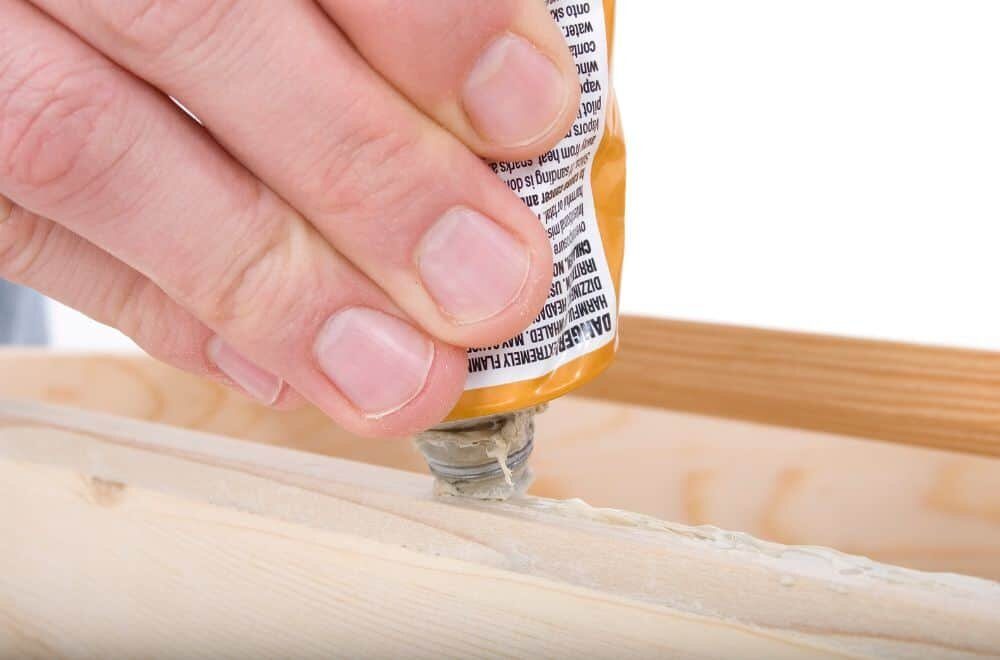
When bonding wood to PVC board, choosing the right adhesive is crucial to ensure a strong and durable bond. With so many adhesive options available, it can be overwhelming to determine which one is the best fit for your project. Here are some factors to consider and common mistakes to avoid when choosing the right adhesive for your needs.

Factors to Consider

  1. Material compatibility: Not all adhesives are compatible with all materials. Make sure the adhesive you choose is designed for bonding wood to PVC board. Check the manufacturer’s specifications to ensure compatibility.
  2. Bond strength: Consider the strength of the bond you need. Some adhesives are stronger than others and may be better suited for heavy-duty applications.
  3. Application method: Consider the application method of the adhesive. Some adhesives require special tools or equipment, while others can be applied with a simple brush or roller.
  4. Drying time: Consider the drying time of the adhesive. Some adhesives require more time to dry than others, which can impact your project timeline.

Common Mistakes

  1. Using the wrong adhesive: Using an adhesive that is not designed for bonding wood to PVC board can result in a weak bond that may not hold up over time.
  2. Improper surface preparation: Proper surface preparation is essential for a strong bond. Make sure both the wood and PVC board surfaces are clean, dry, and free of any debris before applying the adhesive.
  3. Applying too much or too little adhesive: Applying too much adhesive can result in a messy and uneven bond, while applying too little adhesive can result in a weak bond that may not hold up over time. Follow the manufacturer’s instructions for proper application.
  4. Rushing the drying process: Rushing the drying process can result in a weak bond. Allow the adhesive to dry completely before handling or applying any stress to the bond.

By considering these factors and avoiding these common mistakes, you can choose the right adhesive for your project and ensure a strong and durable bond between your wood and PVC board.

Application Process
application-process-1-1

Preparation

Before applying any adhesive to bond wood to PVC board, it’s important to prepare the surfaces properly. First, make sure that both the wood and PVC board are clean and free of any debris, dust, or oil that may prevent adequate adhesion. You can clean the surfaces with a damp cloth or use a solvent-based cleaner for tougher stains.

Next, rough up the surfaces to be bonded. Sand the PVC board with a fine-grit sandpaper to create a rough surface that will allow the adhesive to grip better. Sand the wood in the same manner, making sure to remove any splinters or rough spots that may interfere with the bond.

Application

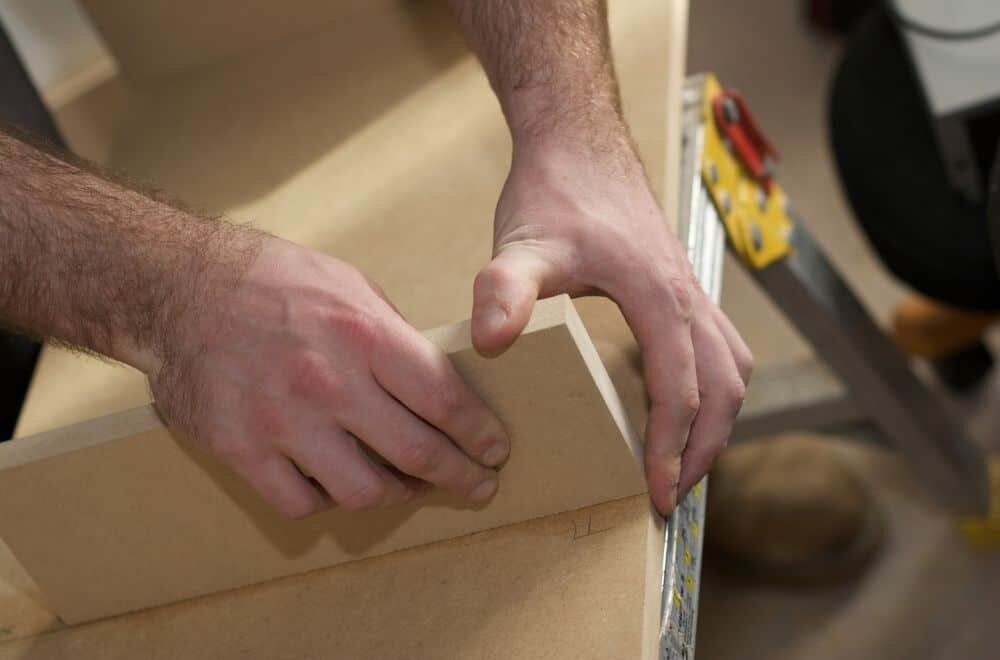
When applying the adhesive, use a continuous or spot bead depending on the size of the surfaces being bonded. Apply the adhesive to the PVC board first, then press the wood onto the adhesive. Make sure that the surfaces are aligned correctly before the adhesive sets.

For bonding wood to PVC board, there are a few adhesive options available. Polyurethane and epoxy glues are popular choices for larger projects, while superglues work well for smaller projects. E6000 adhesive is another option that can provide a strong bond.

Curing Time

After applying the adhesive, it’s important to allow sufficient curing time for the bond to set properly. The curing time will depend on the type of adhesive used, as well as the temperature and humidity of the environment. Check the manufacturer’s instructions for specific curing times.

In general, it’s best to allow the adhesive to cure for at least 24 hours before putting any stress on the bond. Avoid moving or disturbing the bonded surfaces during this time to ensure a strong and durable bond between the wood and PVC board.

Safety Measures
safety-measures-2

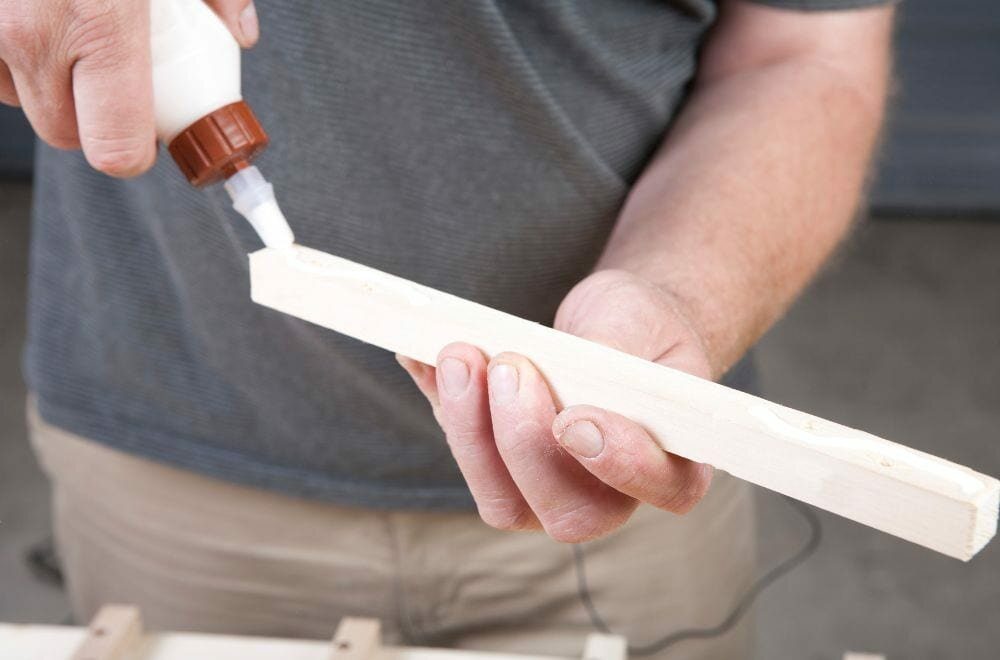
When working with adhesives, it is important to take proper safety measures to avoid any accidents or injuries. Here are some tips to keep in mind:

Wear Protective Gear

Always wear protective gear such as gloves, goggles, and a mask to avoid any contact with the adhesive or fumes. Some adhesives can cause skin irritation or respiratory problems if inhaled.

Work in a Well-Ventilated Area

Make sure to work in a well-ventilated area to avoid inhaling any toxic fumes. Open windows and doors or use a fan to increase airflow in the workspace.

Follow Manufacturer’s Instructions

Read and follow the manufacturer’s instructions carefully before using any adhesive. Some adhesives require specific application techniques or curing times, and failure to follow instructions can result in a weak bond or other issues.

Store Adhesives Properly

Store adhesives in a cool, dry place away from any heat sources or direct sunlight. Keep them out of reach of children and pets.

Dispose of Adhesives Properly

Dispose of any leftover adhesive or empty containers properly according to local regulations. Do not pour adhesives down the drain or throw them in the trash.

By following these safety measures, you can ensure a safe and successful bonding process when working with wood and PVC materials.

Maintenance and Care

Once you have successfully bonded wood to PVC board, it is important to maintain and care for the joint to ensure its longevity. Here are some tips to help you keep your bond strong:

Avoid Excessive Moisture

PVC board is resistant to moisture, but wood is not. Excessive exposure to moisture can cause the wood to swell and weaken the bond. To avoid this, try to keep the joint as dry as possible. If the joint is exposed to moisture, wipe it dry immediately.

Clean Regularly

Dirt, dust, and other debris can accumulate on the joint over time, which can weaken the bond. To prevent this, clean the joint regularly with a damp cloth. Avoid using harsh chemicals or abrasive cleaners, as they can damage the joint.

Check for Damage

Regularly inspect the joint for any signs of damage, such as cracks or separation. If you notice any damage, repair it as soon as possible to prevent it from getting worse.

Avoid Excessive Weight

While a properly bonded joint can be strong, it is important to avoid putting excessive weight or pressure on it. This can cause the joint to weaken or break over time. If you need to support heavy objects, consider using additional support such as brackets or screws.

By following these tips, you can help ensure that your bond between wood and PVC board remains strong and durable for years to come.

Frequently Asked Questions

Can wood glue be used to bond PVC board?

No, wood glue is not recommended for bonding PVC board to wood. This is because PVC and wood have different properties and require different types of adhesives to bond properly.

Where can I buy Titebond PVC Trim Adhesive and Sealant?

Titebond PVC Trim Adhesive and Sealant can be purchased at most home improvement stores, such as Home Depot and Lowe’s. It can also be found online on websites like Amazon.

Is there PVC trim glue available at Lowe’s?

Yes, Lowe’s carries a variety of PVC trim adhesives, including Titebond PVC Trim Adhesive and Sealant, as well as other brands like DAP and Liquid Nails.

What is the best adhesive for bonding PVC boards?

The best adhesive for bonding PVC boards to wood is a polyurethane-based adhesive, such as Gorilla PVC Cement or Titebond PVC Trim Adhesive and Sealant. These adhesives are specifically designed to bond PVC to wood and provide a strong, durable bond.

How do I attach PVC board to wood?

To attach PVC board to wood, first clean and dry the surfaces to be bonded. Apply the adhesive to one of the surfaces and press the two surfaces together firmly. Use clamps or weights to hold the surfaces in place while the adhesive dries.

Will Gorilla Wood Glue work for bonding PVC?

No, Gorilla Wood Glue is not recommended for bonding PVC to wood. It is specifically designed for bonding wood to wood and may not provide a strong, durable bond when used on PVC board. Use a polyurethane-based adhesive, such as Gorilla PVC Cement or Titebond PVC Trim Adhesive and Sealant, for best results.
Blog

Wood Stain Over Polyurethane: Is It Possible?

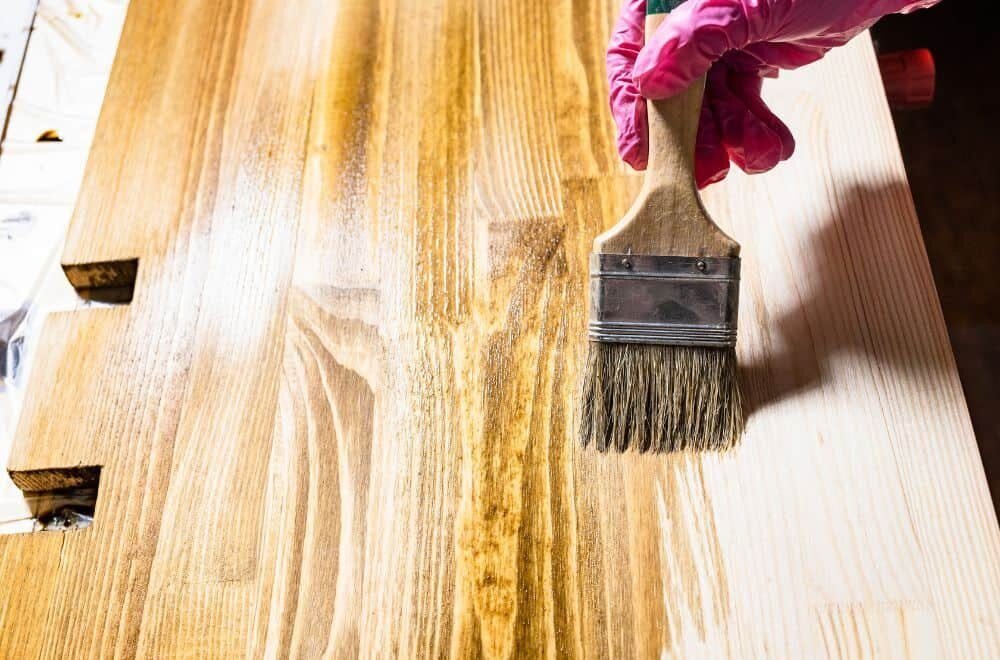
Are you wondering if you can put wood stain over polyurethane? If you have a wood surface that has been coated with polyurethane and you want to change its color, you may be wondering if it’s possible to apply a wood stain over the existing finish. The answer is not straightforward, but it is possible in some cases.

Regular wood stain is a penetrating finish, meaning it needs to penetrate the wood pores to stick. However, since polyurethane forms a moisture-resistant barrier over the surface, the wood stain can’t penetrate it and won’t stick. But, there are some topical stains, such as gel stains, that can stick to polyurethane. In this article, we will explore the options available to you if you want to put wood stain over polyurethane and the benefits of doing so.

Understanding Polyurethane and Wood Stain

When it comes to finishing woodwork, polyurethane and wood stain are two of the most commonly used products. Polyurethane is a clear, protective coating that is applied over wood to protect it from damage and wear. On the other hand, wood stain is a colored liquid that is applied to wood to enhance its natural beauty and add color.

Polyurethane is available in two types: water-based and oil-based. Water-based polyurethane dries faster and has a lower VOC (volatile organic compound) content, making it a more environmentally friendly option. Oil-based polyurethane, on the other hand, takes longer to dry but provides a more durable finish.

Wood stain is also available in two types: oil-based and water-based. Oil-based stains penetrate deeper into the wood grain, providing a richer color and a more natural look. Water-based stains, on the other hand, dry faster and have a lower VOC content.

One common question people have is whether they can put wood stain over polyurethane. The answer is no, regular wood stain won’t stick to polyurethane because it forms a moisture-resistant barrier over the surface. However, topical stains, such as gel stains, can stick to polyurethane because they don’t need to penetrate the wood pores to stick.

If you want to apply wood stain over polyurethane, you’ll need to remove the polyurethane first by sanding or stripping it off. Once the polyurethane is removed, you can apply the wood stain and then apply a new coat of polyurethane over it to protect it.

It’s important to note that when mixing wood stain with polyurethane, you should use the same bases, such as an oil-based stain with only oil-based poly and vice versa. This ensures that the two products will bond properly and provide the best results.
Why Consider Staining Over Polyurethane

why-consider-staining-over-polyurethane

If you have a wood project that has already been coated with polyurethane, you may be wondering if you can add more color to it. The answer is yes, you can stain over polyurethane. Here are a few reasons why you might consider staining over polyurethane:

To Add Color

Polyurethane is a clear coating that protects the wood but doesn’t add any color. If you want to add some color to your wood project, staining over polyurethane is a great option. You can choose from a variety of colors and shades to achieve the desired look.

To Enhance Durability

Staining over polyurethane can actually enhance the durability of the finish. By adding an additional layer of stain, you are also adding an additional layer of protection to the wood. This can help prevent scratches, dents, and other types of damage.

To Refresh the Look

Over time, polyurethane can become dull and worn-looking. Staining over polyurethane can help refresh the look of the wood and make it look new again. It’s a great way to give an old piece of furniture or a wood floor a fresh new look.

To Correct Mistakes

If you’ve already applied polyurethane to your wood project and made a mistake, such as a drip or a spot that didn’t get coated properly, you can fix it by staining over the polyurethane. The stain will help cover up the mistake and make it less noticeable.

Overall, staining over polyurethane is a great option if you want to add color, enhance durability, refresh the look, or correct mistakes. Just make sure to prepare the surface properly and choose the right type of stain for your project.

Preparation Before Staining Over Polyurethane

Before you start staining over polyurethane, it is crucial to prepare the surface properly. This will ensure that the stain adheres well and gives you the desired finish. Here are two important steps you should follow:

Cleaning the Surface

Before you start staining, ensure that the surface is clean and free of any dust, dirt, or debris. Use a soft cloth or a vacuum cleaner to remove any loose particles from the surface. For any stubborn stains, you can use a mild detergent and water solution. Ensure that you wipe off any excess soap with a clean, damp cloth.

Sanding the Surface

Sanding the surface is an essential step before staining. It helps to remove any existing polyurethane and gives the stain a better surface to adhere to. Use a fine-grit sandpaper to sand the surface gently. Ensure that you sand in the direction of the wood grain. Once you have sanded the surface, wipe off any dust with a soft cloth.

In summary, cleaning and sanding the surface are crucial steps in preparing to stain over polyurethane. By following these steps, you can ensure that the stain adheres well and gives you the desired finish.

Choosing the Right Wood Stain

choosing-the-right-wood-stain

When it comes to choosing the right wood stain, there are a few things you should consider. First, you need to decide what type of finish you want. Do you want a clear finish, or do you want a colored finish? If you want a colored finish, what color do you want? Once you have decided on the type of finish you want, you need to choose the right product.

There are two main types of wood stain: oil-based and water-based. Oil-based stains are the traditional choice and are known for their durability and rich color. They are also easier to apply and penetrate the wood more deeply. Water-based stains, on the other hand, are a newer option and are known for their low VOCs and easy cleanup. They also dry faster than oil-based stains.

Another factor to consider is the opacity of the stain. Some stains are more opaque than others, meaning they will hide the natural grain of the wood more. If you want to highlight the natural grain of the wood, you should choose a more transparent stain. If you want a more solid color, you should choose a more opaque stain.

Lastly, consider the type of wood you are staining. Different types of wood absorb stain differently, so you should choose a stain that is specifically designed for the type of wood you are working with. For example, if you are staining pine, you may want to choose a stain that is designed for softwoods.

Overall, choosing the right wood stain is an important part of the staining process. By considering the type of finish, the type of stain, the opacity, and the type of wood, you can ensure that you choose the right product for your project.

Application Process

Applying the Stain

If you want to apply wood stain over polyurethane, you need to follow a few steps to ensure that the stain adheres properly. First, you need to clean the surface of the wood thoroughly to remove any dirt, grime, or wax. You can use a scouring pad dipped in a 5-50 solution of denatured alcohol and water to scrub the surface. After cleaning, let the surface dry for at least two hours.

Next, you need to sand the surface of the wood lightly by hand with 400-grit sandpaper. This step is necessary to remove any glossiness and provide a rough surface for the stain to adhere to. After sanding, wipe the surface with a clean cloth to remove any dust or debris.

Now, it’s time to apply the stain. You can use a brush, foam applicator, or cloth to apply the stain. Make sure to apply the stain in the direction of the wood grain. Apply the stain evenly and wipe off any excess with a clean cloth. If you want a darker color, you can apply a second coat of stain after the first coat has dried.

Drying and Curing Time

After applying the stain, you need to let it dry completely before applying polyurethane. The drying time can vary depending on the type of stain you use, but it usually takes around 24 hours. Make sure to check the manufacturer’s instructions for specific drying times.

Once the stain has dried completely, you can apply polyurethane. Apply the first coat of polyurethane thinly and evenly with a brush or roller, and let it dry for at least six hours. After the first coat has dried, sand the surface lightly with 220-grit sandpaper to remove any bumps or imperfections. Then, apply the second coat of polyurethane and let it dry for another six hours.

In conclusion, applying wood stain over polyurethane requires proper preparation and application techniques. By following the steps outlined above, you can achieve a beautiful and long-lasting finish on your wood projects.

Potential Challenges and How to Overcome Them

potential-challenges-and-how-to-overcome-them

When staining over polyurethane, you may encounter some challenges that can affect the final outcome of your project. Here are some of the potential challenges and how to overcome them:

Uneven Stain Application

One of the challenges you may face when staining over polyurethane is uneven stain application. This can happen when the polyurethane surface is not properly prepared before applying the stain. To avoid this, follow these steps:

  • Sand the polyurethane surface lightly with fine-grit sandpaper to create a rough surface that the stain can adhere to.
  • Clean the surface thoroughly with denatured alcohol and a clean cloth to remove any dirt or debris.
  • Apply a pre-stain conditioner to the surface to help the stain absorb evenly.

Stain Not Adhering Properly

Another challenge you may face is the stain not adhering properly to the polyurethane surface. This can happen when the polyurethane is too smooth or when the stain is not applied properly. To overcome this challenge, follow these steps:

  • Sand the polyurethane surface with coarse-grit sandpaper to create a rough surface that the stain can adhere to.
  • Apply a gel stain, which is thicker and easier to control than traditional liquid stains.
  • Apply the stain in thin, even coats with a brush or rag, making sure to wipe off any excess stain.
  • Allow the stain to dry completely before applying a protective topcoat.

By following these steps, you can overcome the potential challenges of staining over polyurethane and achieve a beautiful, even finish.

Maintenance of Stained Wood Over Polyurethane

maintenance-of-stained-wood-over-polyurethane

If you have a stained wood surface that has been coated with polyurethane, it is essential to maintain it properly to keep it looking its best. Here are some tips to help you maintain your stained wood over polyurethane:

Regular Cleaning

Regular cleaning is essential to keep your stained wood over polyurethane looking its best. You can use a soft cloth or a vacuum cleaner with a soft brush attachment to remove dust and debris from the surface. Avoid using harsh chemicals or abrasive cleaners that can damage the polyurethane coating.

Avoid Excessive Moisture

Excessive moisture can damage the polyurethane coating and cause it to peel or crack. Avoid placing wet items directly on the surface and wipe up spills immediately to prevent them from penetrating the polyurethane coating.

Avoid Direct Sunlight

Direct sunlight can cause the stained wood over polyurethane to fade and lose its color over time. To prevent this, avoid placing the surface in direct sunlight for extended periods. You can also use window treatments or UV-blocking films to protect the surface from sunlight.

Touch-Up as Needed

If the polyurethane coating becomes damaged or begins to peel, you can touch it up with a polyurethane coating designed for stained wood surfaces. Follow the manufacturer’s instructions carefully to ensure a smooth and even application.

Refinish When Necessary

If the stained wood over polyurethane becomes severely damaged or begins to show signs of wear, it may be time to refinish the surface. Refinishing involves removing the old polyurethane coating and applying a new one. This process should be done by a professional to ensure a smooth and even finish.

By following these tips, you can keep your stained wood over polyurethane looking beautiful for years to come.

Frequently Asked Questions

Can I apply gel stain over polyurethane?

Yes, you can apply gel stain over polyurethane. However, before doing so, you need to ensure that the polyurethane is clean and free from any dirt or debris. You can use denatured alcohol or a degreaser to clean the surface. After cleaning, sand the polyurethane lightly with sandpaper to create a rough surface that the gel stain can adhere to. Once the surface is ready, you can apply the gel stain and wipe off the excess.

Is it possible to stain over water-based polyurethane?

Yes, it is possible to stain over water-based polyurethane. However, you need to ensure that the surface is clean and free from any contaminants. You can use a degreaser or denatured alcohol to clean the surface. After cleaning, sand the surface lightly with sandpaper to create a rough surface that the stain can adhere to. Once the surface is ready, you can apply the stain and wipe off the excess.

Can you put gel wood stain over polyurethane?

Yes, you can put gel wood stain over polyurethane. However, you need to ensure that the polyurethane is clean and free from any dirt or debris. You can use denatured alcohol or a degreaser to clean the surface. After cleaning, sand the polyurethane lightly with sandpaper to create a rough surface that the gel stain can adhere to. Once the surface is ready, you can apply the gel stain and wipe off the excess.

Can you apply PolyShades over polyurethane?

Yes, you can apply PolyShades over polyurethane. However, you need to ensure that the surface is clean and free from any contaminants. You can use a degreaser or denatured alcohol to clean the surface. After cleaning, sand the surface lightly with sandpaper to create a rough surface that the PolyShades can adhere to. Once the surface is ready, you can apply the PolyShades and wipe off the excess.

What type of stain can go over polyurethane?

You can use any type of stain over polyurethane as long as the surface is clean and free from any contaminants. However, it is recommended to use gel stain as it adheres well to polyurethane and provides a uniform finish.

Can I stain over varnished wood without sanding?

No, you cannot stain over varnished wood without sanding. Sanding is necessary to create a rough surface that the stain can adhere to. If you apply stain over varnished wood without sanding, it will not adhere properly and will result in an uneven finish.

Blog

Matte Polyurethane: The Solution to Shiny Wood Finishes

Are you tired of the traditional glossy finish on your woodwork? Do you wish to have a more subtle, matte look? Fortunately, there are options available for producing a matte polyurethane finish on your woodwork.

Matte polyurethane is a type of finish that does not reflect light, giving it a dull, low-sheen appearance. It is a popular choice for those who want to achieve a more natural, rustic or vintage look on their woodwork. While traditional polyurethane finishes can leave a shiny, plastic-like appearance, matte polyurethane can provide a more subtle, understated look.

If you’re wondering whether matte polyurethane is available, the answer is yes. There are several brands that produce matte polyurethane finishes, such as Rust-Oleum and Minwax. However, it’s important to note that applying a matte polyurethane finish requires a different technique than traditional finishes.

Understanding Polyurethane Finishes

understanding-polyurethane-finishes

What is Polyurethane?

Polyurethane is a type of coating that is commonly used to protect wood surfaces. It is a synthetic material that is created by combining a polyol and a diisocyanate. Once applied to a surface, it forms a hard, durable layer that helps to protect the wood from scratches, dents, and other types of damage.

Polyurethane is available in different types of finishes, including matte, glossy, and semi-glossy. The finish that you choose will depend on your personal preference and the type of look that you are trying to achieve.

Matte vs Glossy Finish

When it comes to polyurethane finishes, there are two main types: matte and glossy. Matte finishes are less reflective and have a dull, low-sheen appearance. Glossy finishes, on the other hand, are highly reflective and have a shiny, polished appearance.

The type of finish that you choose will depend on the look that you are trying to achieve. If you want a more natural look for your wood surface, then a matte finish may be the best option. Matte finishes are also a good choice if you want to minimize the appearance of scratches and other types of damage.

If you want a more polished look for your wood surface, then a glossy finish may be the best option. Glossy finishes are highly reflective and can help to make your wood surface look more vibrant and eye-catching.

Overall, the choice between a matte or glossy finish will depend on your personal preference and the type of look that you are trying to achieve. Both types of finishes offer their own unique benefits, and it is up to you to decide which one is right for your project.

Production of Matte Polyurethane

If you’re looking to achieve a more subtle, less glossy finish on your woodwork, matte polyurethane might be the solution for you. Here’s what you need to know about its production.

Manufacturing Process

Matte polyurethane is produced through a similar process to regular polyurethane. The main difference is the addition of flatting agents, which are clear powders that reduce the glossiness of the finish.

The manufacturing process typically involves the following steps:

  1. Mixing the key ingredients (discussed in the next section) together in a reactor vessel.
  2. Adding flatting agents to the mixture.
  3. Heating the mixture to initiate the reaction that forms the polyurethane.
  4. Applying the resulting mixture to the wood surface.

The exact process can vary depending on the specific manufacturer and product.

Key Ingredients

The key ingredients in matte polyurethane are polyols and isocyanates. Polyols are typically derived from petroleum, while isocyanates are derived from diisocyanates such as toluene diisocyanate (TDI) or methylene diphenyl diisocyanate (MDI).

Other ingredients may also be added to the mixture, such as catalysts to speed up the reaction, surfactants to improve the mixture’s flow, and UV stabilizers to protect against fading.

Overall, matte polyurethane can be a great option for those looking for a more subdued finish on their woodwork. Just be sure to follow the manufacturer’s instructions carefully to achieve the best results.

Application on Wood

application-on-wood-1

When it comes to applying polyurethane on wood, there are some preparation steps and application techniques that can help you achieve a matte finish. Here are some tips to help you get started:

Preparation Steps

Before you apply polyurethane on wood, you need to prepare the surface properly. Here are some preparation steps to follow:

  • Sand the surface: Start by sanding the wood surface with fine-grit sandpaper to remove any rough spots or imperfections. Wipe the surface clean with a tack cloth to remove any dust or debris.
  • Apply a wood conditioner: If you’re working with softwood or porous wood, apply a wood conditioner to the surface. This will help the wood absorb the polyurethane evenly and prevent blotching.
  • Choose a matte polyurethane: Look for a matte or flat polyurethane finish to achieve a non-shiny look. You can also mix a matte additive with a regular polyurethane to create a custom finish.

Application Techniques

Once you’ve prepared the wood surface, it’s time to apply the polyurethane. Here are some application techniques to follow:

  • Apply the polyurethane in thin coats: Use a high-quality brush or a foam applicator to apply the polyurethane in thin, even coats. Avoid applying too much polyurethane at once, as this can lead to drips and bubbles.
  • Sand between coats: Allow each coat to dry completely before sanding the surface lightly with fine-grit sandpaper. This will help the next coat adhere better and make the surface smoother.
  • Apply multiple coats: Apply at least two or three coats of polyurethane to achieve a durable and long-lasting finish. Allow each coat to dry completely before applying the next one.

By following these preparation steps and application techniques, you can achieve a matte polyurethane finish on your wood surface. Remember to work in a well-ventilated area and wear protective gear, such as gloves and a mask, when working with polyurethane.

Benefits of Matte Finish

When it comes to finishing wood, there are a variety of options available. One of the most popular options is matte finish. Matte finish has a number of benefits that make it a great choice for many projects. In this section, we’ll discuss the aesthetic appeal of matte finish, as well as its durability and maintenance.

Aesthetic Appeal

One of the main benefits of matte finish is its aesthetic appeal. Unlike glossy finishes, matte finishes do not reflect light, which gives them a more subdued and natural look. This can be particularly appealing for certain types of wood, such as rustic or reclaimed wood, which may not look as good with a shiny finish.

Matte finishes can also be a good choice if you want to create a more relaxed or casual atmosphere in a room. For example, if you’re finishing a dining room table, you may want to choose a matte finish to create a more intimate and cozy atmosphere.

Durability and Maintenance

Another benefit of matte finish is its durability. Matte finishes are often made with polyurethane, which is a very strong and durable material. This means that matte finishes can provide excellent protection for your wood, and can help prevent scratches, dings, and other types of damage.

Additionally, matte finishes are often easier to maintain than glossy finishes. Because they do not reflect light, they are less likely to show smudges, fingerprints, and other types of marks. This means that you can often get away with cleaning your matte-finished wood less frequently than you would with a glossy finish.

Overall, if you’re looking for a finish that is both aesthetically pleasing and durable, matte finish is a great choice. With its natural look and strong protective properties, it’s no wonder that so many people choose matte finish for their wood projects.

Choosing the Right Finish

choosing-the-right-finish

When it comes to choosing the right finish for your wood project, there are a few things to consider. A matte finish can be a great option if you want to reduce the shine and glare of your wood finish. In this section, we will discuss some of the considerations and popular brands of matte polyurethane finishes.

Considerations

Before choosing a matte polyurethane finish, you should consider the following factors:

  • Durability: Will the finish hold up to wear and tear over time?
  • Application: Is the finish easy to apply? Does it require special tools or equipment?
  • Appearance: Does the finish provide the desired level of shine or matte finish?
  • Cost: How much does the finish cost? Is it worth the investment?

Popular Brands

There are several popular brands of matte polyurethane finishes that you can choose from. Here are a few options to consider:

  • Varathane: Varathane offers a matte finish in both water-borne and standard oil-based formulas. Their finishes are known for their durability and ease of application.
  • Zar: Zar also offers a matte urethane finish that is easy to apply and provides a durable, long-lasting finish.
  • Minwax: Minwax offers a matte finish in their Fast-Drying Polyurethane line. Their finish is known for its fast drying time and durability.
  • General Finishes: General Finishes offers a matte finish in their High-Performance Water-Based Topcoat line. Their finish is water-resistant and provides a durable, long-lasting finish.

When choosing a matte polyurethane finish, it’s important to find a brand that meets your specific needs and preferences. Consider the factors listed above and do your research to find the best option for your project.

Frequently Asked Questions

How can I dull a glossy wood finish without sanding?

If you want to dull a glossy wood finish without sanding, you can use a deglosser or a liquid sander. These products are designed to remove the glossy surface of the finish, allowing you to apply a new coat of polyurethane with a matte finish.

What are some ways to make a shiny wood finish look matte?

There are several ways to make a shiny wood finish look matte. One option is to use a rubbing compound to dull the finish. Another option is to apply a coat of wax or oil to the surface of the finish. You can also use a matte topcoat to cover the shiny finish.

Why does my polyurethane finish look shiny instead of matte?

If your polyurethane finish looks shiny instead of matte, it may be because you used a glossy or semi-glossy polyurethane. To achieve a matte finish, you need to use a polyurethane with a matte sheen.

Is there a type of polyurethane that has a matte finish?

Yes, there are types of polyurethane that have a matte finish. Matte polyurethane leaves the least shiny coating and conveys the look of natural, unfinished wood. It is a good option if you want to achieve a matte finish on your wood surface.

What are some techniques to make a polyurethane finish less shiny?

To make a polyurethane finish less shiny, you can use a rubbing compound or apply a coat of wax or oil to the surface of the finish. You can also use a matte topcoat to cover the shiny finish.

Are there any polyurethane finishes that do not have a shiny appearance?

Yes, there are several types of polyurethane finishes that do not have a shiny appearance. Matte, satin, and semi-gloss polyurethane finishes all have a lower level of sheen and reflectivity than high-gloss polyurethane finishes.

Blog

Can You Polyurethane Over Painted Wood? A Guide to Coating Painted Wood with Polyurethane

Are you wondering if you can apply polyurethane over painted wood? The answer is yes, you can. However, there are a few things to keep in mind to ensure a successful outcome. In this article, we’ll explore the process of polyurethaning over painted wood and provide some tips to help you achieve the best results.
Before applying polyurethane over painted wood, it’s important to make sure the paint is fully cured and clean. This will help ensure a smooth and even finish. Additionally, it’s important to choose the right type of polyurethane. Both oil-based and water-based polyurethane can be used over painted wood, but oil-based polyurethane may cause discoloration over time, so be cautious when using it. With these considerations in mind, let’s take a closer look at the process of applying polyurethane over painted wood.

Understanding Polyurethane

understanding-polyurethane

Polyurethane is a synthetic product that is commonly used as a protective coating for wood surfaces. It is a durable and flexible material that can help to extend the lifespan of your painted wood surfaces. In this section, we will discuss the benefits of polyurethane and the different types available.

Benefits of Polyurethane

Polyurethane offers several benefits when used as a protective coating for painted wood surfaces. These benefits include:

  • Protection against weathering and UV damage
  • Enhanced and deepened colors
  • Increased resistance to scratching, impact, and general wear
  • Easy cleanup

Types of Polyurethane

There are two main types of polyurethane: oil-based and water-based. Each type has its own advantages and disadvantages.

Oil-Based Polyurethane

Oil-based polyurethane is known for its durability and resistance to water and chemicals. It also tends to give a warm, amber tone to the wood surface. However, it has a longer drying time and can emit strong fumes during application. It is also more difficult to clean up.

Water-Based Polyurethane

Water-based polyurethane dries faster and emits fewer fumes during application. It also has a clear finish that does not alter the color of the wood surface. However, it is less durable than oil-based polyurethane and may require more coats for adequate protection.

In conclusion, polyurethane is a valuable protective coating for painted wood surfaces. Understanding the benefits and types available can help you choose the best product for your specific needs.

Painted Wood and Polyurethane

If you have a painted wood surface that needs additional protection, applying polyurethane over the paint can be a great option. However, there are some important considerations to keep in mind to ensure the best results.
Preparation of Painted Wood

Before applying polyurethane over painted wood, it is crucial to ensure that the paint is fully cured and clean. Any grease stains, dirt, or other filth needs to be washed off before you can apply the first coat of polyurethane. Use a soft sponge or rag and a powerful detergent to clean up the painted surface. You can take a ½ cup of trisodium phosphate and mix it with warm water.

After cleaning, it is important to scuff the surface with 220-grit sandpaper. This helps the polyurethane adhere to the painted surface. Make sure to wipe away any sanding dust with a damp rag or tack cloth.

Compatibility of Polyurethane and Paint

When it comes to applying polyurethane over paint, you can use both oil-based and water-based polyurethane. However, it is important to be cautious of discoloration, especially when using oil-based polyurethane. Some oil-based polyurethane can yellow over time, which can be especially noticeable over light-colored paint.

To avoid discoloration, it is recommended to use a water-based polyurethane over light-colored paint. Additionally, it is important to test the polyurethane on a small, inconspicuous area before applying it to the entire surface.

Overall, applying polyurethane over painted wood can provide additional protection and durability to your surface. Just make sure to properly prepare the surface and choose the right type of polyurethane to avoid any discoloration or other issues.

Application Process

application-process-1

Materials Needed

Before you begin the application process, you will need to gather a few materials. Here is a list of what you will need:

  • Sandpaper (120 grit)
  • Tack cloth
  • Paintbrush or paint sprayer
  • Polyurethane
  • Gloves
  • Safety goggles
  • Face mask

Step-by-Step Guide

  1. Sand the painted surface with 120 grit sandpaper. This will help the polyurethane adhere to the surface. Be sure to sand in the direction of the grain.
  2. Wipe the surface with a tack cloth to remove any dust or debris.
  3. Put on gloves, safety goggles, and a face mask to protect yourself from the fumes.
  4. Apply the polyurethane with a paintbrush or paint sprayer. Be sure to follow the manufacturer’s instructions for application.
  5. Allow the first coat to dry completely before applying a second coat.
  6. Sand the surface lightly with 220 grit sandpaper before applying the second coat. This will help the second coat adhere to the first coat.
  7. Apply the second coat of polyurethane and allow it to dry completely.
  8. Sand the surface lightly with 220 grit sandpaper before applying the third coat.
  9. Apply the third coat of polyurethane and allow it to dry completely.
  10. After the final coat has dried, you can sand the surface lightly with 220 grit sandpaper to remove any imperfections.
  11. Wipe the surface with a tack cloth to remove any dust or debris.

Congratulations! You have successfully applied polyurethane over painted wood.

Maintenance Tips

Keeping your polyurethane finished painted wood looking its best requires some basic maintenance. Here are some tips to help you keep your surfaces looking their best.

Cleaning and Care

To keep your polyurethane finished painted wood looking clean and shiny, you should clean it regularly. Here are some tips to help you with regular cleaning:

  • Use a soft cloth or sponge to wipe down the surface.
  • Use a mild soap and water solution to clean the surface.
  • Avoid using harsh chemicals or abrasive cleaners that can damage the finish.
  • Dry the surface thoroughly after cleaning to prevent water damage.

If your polyurethane finished painted wood becomes dull or scratched, you can restore its shine by applying a new coat of polyurethane. Before applying a new coat, clean the surface thoroughly and lightly sand it to remove any scratches or imperfections.

Touch-Ups and Repairs

Even with regular care, your polyurethane finished painted wood may become damaged over time. Here are some tips to help you with touch-ups and repairs:

  • Use a fine-grit sandpaper to lightly sand the damaged area.
  • Clean the surface thoroughly to remove any dust or debris.
  • Apply a small amount of touch-up paint to the damaged area.
  • Allow the touch-up paint to dry completely.
  • Apply a new coat of polyurethane to the entire surface to blend the touch-up with the rest of the finish.

By following these simple maintenance tips, you can keep your polyurethane finished painted wood looking its best for years to come.

Common Mistakes to Avoid

common-mistakes-to-avoid

When it comes to polyurethane over painted wood, there are a few common mistakes that you should avoid to ensure a successful project. Here are some of the most important things to keep in mind:

Skipping Surface Preparation

One of the biggest mistakes people make when applying polyurethane over painted wood is skipping surface preparation. Before you apply any polyurethane, you need to make sure the surface is clean, dry, and free of any dirt, grease, or other contaminants. If you skip this step, the polyurethane may not adhere properly, and you could end up with a finish that peels or flakes off.

Using the Wrong Type of Polyurethane

Another common mistake is using the wrong type of polyurethane. There are two main types of polyurethane: oil-based and water-based. Oil-based polyurethane is more durable and provides a richer, deeper finish, but it takes longer to dry and can yellow over time. Water-based polyurethane dries faster and is less likely to yellow, but it is not as durable as oil-based polyurethane. Make sure you choose the right type of polyurethane for your project.

Applying Too Thick of a Coat

When applying polyurethane over painted wood, it’s important to apply thin, even coats. If you apply too thick of a coat, the polyurethane may not dry properly, and you could end up with a finish that is uneven or has drips and runs. It’s better to apply multiple thin coats than one thick coat.

Not Allowing Enough Drying Time

Finally, one of the biggest mistakes people make when applying polyurethane over painted wood is not allowing enough drying time between coats. Polyurethane takes time to dry and cure, and if you apply a new coat before the previous coat is fully dry, you could end up with a finish that is tacky or doesn’t adhere properly. Make sure you follow the manufacturer’s instructions for drying time between coats.

Frequently Asked Questions

Can polyurethane be applied over latex paint?

Yes, you can apply polyurethane over latex paint. However, it is important to wait until the paint has fully cured before applying the polyurethane. This usually takes about 30 days. Additionally, it is recommended that you lightly sand the surface of the paint before applying the polyurethane to ensure proper adhesion.

What is the best type of polyurethane to use over paint?

The best type of polyurethane to use over paint is a water-based polyurethane. This type of polyurethane is easy to apply, dries quickly, and is less likely to yellow over time compared to oil-based polyurethane.

Can you put polyurethane over water-based paint?

Yes, you can put polyurethane over water-based paint. However, it is important to wait until the paint has fully cured before applying the polyurethane. This usually takes about 30 days. Additionally, it is recommended that you lightly sand the surface of the paint before applying the polyurethane to ensure proper adhesion.

How do you apply polyurethane to painted wood?

To apply polyurethane to painted wood, first, ensure that the paint has fully cured and the surface is clean and dry. Then, lightly sand the surface of the paint to ensure proper adhesion. Apply the polyurethane using a brush or roller, following the manufacturer’s instructions for application and drying times. Sand lightly between coats, and apply multiple coats as needed for the desired level of protection.

Is polyurethane a good option for protecting painted wood?

Yes, polyurethane is a good option for protecting painted wood. It provides a durable and long-lasting protective finish that can help prevent scratches, scuffs, and other types of damage to the painted surface.

Should I apply polyurethane over painted cabinets for extra protection?

Yes, applying polyurethane over painted cabinets can provide extra protection and help extend the life of the paint job. It is important to ensure that the paint has fully cured before applying the polyurethane and to follow the manufacturer’s instructions for application and drying times.

Blog

Affordable Solutions: How to Remove Fully Dried Paint from Wooden Floors

Are you dealing with a paint spill or splatter on your wooden floor? Removing dried paint from hardwood floors can seem like a daunting task, but it’s not impossible. With a few simple techniques and some inexpensive materials, you can remove fully dried paint from your wooden floor on the cheap.

One of the most effective and affordable ways to remove dried paint from hardwood floors is by using rubbing alcohol. If the paint is water-based, wet a cotton ball with rubbing alcohol and wipe it over the paint. If any residue comes off on the cotton ball, the paint is water-based. If nothing comes off, then it’s oil-based. Once you’ve identified the type of paint, you can get started with one of the methods mentioned in this article.

Another cheap and easy solution is to use dish soap and warm water. Simply apply a few drops of dish soap to a damp rag and then use the rag to rub the dried-up paint stains. This method works best for water-based paints. If the paint is oil-based, you can use paint thinner or mineral spirits to remove it. However, be careful when using these solvents as they can damage the finish of your wooden floor.

Understanding the Type of Paint

understanding-the-type-of-paint

When it comes to removing dried paint from your wooden floor, the first thing you need to consider is the type of paint that was used. Different types of paint require different methods of removal. In general, there are two main types of paint: water-based and oil-based.

Water-Based Paint

Water-based paint, also known as latex paint, is the most common type of paint used for interior surfaces. It is easy to clean up with soap and water, dries quickly, and is less toxic than oil-based paint. However, it can still be difficult to remove once it has dried.

To remove dried water-based paint from your wooden floor, you can try the following methods:

  • Scrape the paint off with a plastic scraper or putty knife.
  • Use a damp cloth to soften the paint and then scrape it off.
  • Apply a paint remover or solvent to the paint and then scrape it off.

Oil-Based Paint

Oil-based paint is a more durable and long-lasting type of paint that is often used for exterior surfaces and high-traffic areas. It is harder to clean up and requires solvents such as mineral spirits or turpentine. Once it has dried, it can be difficult to remove.

To remove dried oil-based paint from your wooden floor, you can try the following methods:

  • Scrape the paint off with a plastic scraper or putty knife.
  • Apply a paint remover or solvent to the paint and then scrape it off.
  • Use a heat gun or hair dryer to soften the paint and then scrape it off.

It is important to note that some paint removers and solvents can be toxic and should be used with caution. Always follow the manufacturer’s instructions and wear protective gear such as gloves and a mask. Additionally, be careful not to damage the wood underneath the paint while removing it.

Materials and Tools Needed

materials-and-tools-needed

Removing fully dried paint from your wooden floor can be a challenging task, but it’s not impossible. With the right tools and cleaning solutions, you can get rid of the paint and restore your floor’s natural beauty. Here are the materials and tools you’ll need:

Safety Gear

Before you start removing the paint, it’s important to protect yourself. Here are some safety gear you should have:

  • Gloves: Use gloves to protect your hands from the cleaning solutions and scraping tools.
  • Eye protection: Wear goggles to prevent the cleaning solutions and paint chips from getting into your eyes.
  • Respirator: Use a respirator to avoid inhaling the fumes from the cleaning solutions.

Cleaning Solutions

There are several cleaning solutions you can use to remove the paint from your wooden floor. Here are some options:

  • Vinegar and water: Mix equal parts of vinegar and water and apply it to the paint. Let it sit for a few minutes before scraping it off.
  • Baking soda and water: Mix baking soda and water to create a paste. Apply it to the paint and let it sit for a few minutes before scraping it off.
  • Rubbing alcohol: Apply rubbing alcohol to the paint and let it sit for a few minutes before scraping it off.

Scraping Tools

To remove the paint, you’ll need some scraping tools. Here are some options:

  • Putty knife: Use a putty knife to scrape off the paint. Be careful not to damage the wooden floor.
  • Scraper: A scraper is a more heavy-duty tool that can remove stubborn paint.
  • Sandpaper: Sandpaper can be used to remove any remaining paint after scraping.

Remember to be patient and take your time when removing the paint. Rushing the process can damage your wooden floor.

Safety Precautions

safety-precautions

Removing dried paint from wooden floors can be a challenging task, but it is essential to take safety precautions to avoid any accidents or health hazards. Here are some safety measures to consider before starting:

1. Wear Protective Gear

It is crucial to wear protective gear such as gloves, safety glasses, and a dust mask to avoid any contact with toxic chemicals or dust particles that may cause respiratory problems or skin irritation.

2. Ventilate the Area

Ensure that the room is well ventilated by opening windows and doors to allow fresh air to circulate. This will help to reduce the risk of inhaling toxic fumes or dust particles.

3. Use Safe Products

When selecting cleaning products, opt for non-toxic and eco-friendly options to avoid harmful chemicals that may damage the wood or pose a health risk. Always read the label and follow the instructions carefully.

4. Avoid Using Heat or Flame

Avoid using heat or flame to remove paint from wooden floors as it can be dangerous and may cause a fire. Instead, use a chemical paint stripper or a scraper to remove the paint.

5. Consult a Professional

If you are unsure about how to remove paint from your wooden floor or if you suspect that the paint may contain lead, it is best to consult a professional. They can provide expert advice and ensure that the job is done safely and effectively.

By taking these safety precautions, you can remove dried paint from your wooden floor safely and without any health or safety risks.

Step-by-Step Guide to Removing Paint

step-by-step-guide-to-removing-paint

If you have fully dried paint on your wooden floor, don’t worry. You can remove it using some simple steps. Here is a step-by-step guide to help you remove paint from your wooden floor on the cheap.

Initial Cleaning

Before you start removing the paint, you need to do some initial cleaning. Sweep the floor to remove any loose dirt or debris. Then, use a vacuum cleaner to remove any remaining dust or debris. This will ensure that the surface is clean and ready for the next step.

Applying the Cleaning Solution

The next step is to apply a cleaning solution to the paint. You can use a mixture of warm water and dish soap or vinegar. Apply the solution to the paint using a sponge or cloth and let it sit for a few minutes. This will help loosen the paint and make it easier to remove.

Scraping the Paint

After the cleaning solution has had time to work, use a scraper or putty knife to gently scrape the paint off the floor. Be careful not to scratch the wood. If the paint is stubborn, you can use a heat gun to soften it before scraping.

Sanding the Surface

Once you have removed as much paint as possible with the scraper, you can use sandpaper to sand the surface. This will help remove any remaining paint and smooth out the surface. Start with a coarse grit sandpaper and gradually work your way up to a finer grit.

Final Cleaning

After sanding, use a vacuum cleaner or damp cloth to remove any dust or debris. Then, wipe the surface with a clean, damp cloth to remove any remaining cleaning solution.

By following these simple steps, you can remove fully dried paint from your wooden floor on the cheap. Remember to be patient and take your time to avoid damaging the wood.

Maintaining Your Wooden Floor

maintaining-your-wooden-floor

Maintaining your wooden floor is crucial to keep it looking new and beautiful for years to come. Here are some tips to help you keep your wooden floor in top condition:

Regular Cleaning

Regular cleaning is essential to keep your wooden floor looking clean and shiny. You can use a soft-bristled broom or a vacuum cleaner to remove dust and dirt from the surface of your floor. Make sure to use a vacuum cleaner with a soft brush attachment to avoid scratching the surface of your floor.

Avoid Water Damage

Water can damage your wooden floor, so it’s essential to avoid spills and leaks. If you spill any liquid on your floor, clean it up immediately to prevent it from seeping into the wood and causing damage. You can also place mats and rugs in high-traffic areas to protect your floor from wear and tear.

Use Protective Pads

Furniture can scratch and damage your wooden floor, so it’s essential to use protective pads on the legs of your furniture. You can buy these pads at any hardware store or online. Make sure to replace them regularly to keep your floor protected.

Refinishing Your Floor

Over time, your wooden floor may become dull and damaged. If this happens, you can refinish your floor to restore its beauty. Refinishing your floor involves sanding down the surface and applying a new coat of finish. You can do this yourself if you have the right tools and experience, or you can hire a professional to do it for you.

By following these tips, you can keep your wooden floor looking beautiful and new for years to come.

Frequently Asked Questions

What is the best way to remove dried paint from hardwood floors without damaging the finish?

If you want to remove dried paint from your hardwood floor without damaging the finish, you can use a plastic scraper or putty knife to gently scrape off the paint. You can also use a mixture of warm water and soap to soften the paint and make it easier to remove. Be sure to avoid using any harsh chemicals or abrasive materials that could damage the finish of your hardwood floor.

How can I remove water-based paint from my wooden floor on a budget?

If you want to remove water-based paint from your wooden floor on a budget, you can use a mixture of warm water and dish soap. Apply the mixture to the paint stain and use a soft-bristled brush to gently scrub the area. You can also use a plastic scraper or putty knife to gently scrape off the paint. Be sure to rinse the area with clean water and dry it thoroughly to avoid any water damage to your wooden floor.

Is Goo Gone effective in removing paint from hardwood floors?

Goo Gone can be effective in removing paint from hardwood floors, but it’s important to use it carefully. Apply a small amount of Goo Gone to a clean cloth and gently rub the paint stain. Be sure to rinse the area with clean water and dry it thoroughly to avoid any damage to your hardwood floor. However, Goo Gone can also be harsh on some types of finishes, so it’s important to test it on a small, inconspicuous area first.

Can I use paint remover on my wooden floor?

You can use paint remover on your wooden floor, but it’s important to use it carefully and follow the manufacturer’s instructions. Be sure to test the paint remover on a small, inconspicuous area first to make sure it won’t damage your hardwood floor. You should also wear gloves and protective eyewear when using paint remover and work in a well-ventilated area.

What is the best way to remove paint splatters from my wooden floor?

If you have paint splatters on your wooden floor, you can use a plastic scraper or putty knife to gently scrape off the paint. You can also use a mixture of warm water and soap to soften the paint and make it easier to remove. Be sure to avoid using any harsh chemicals or abrasive materials that could damage your wooden floor.

How do I remove oil-based paint from my wooden floor?

Removing oil-based paint from your wooden floor can be more challenging than removing water-based paint. You can try using mineral spirits or paint thinner to soften the paint and make it easier to remove. Be sure to wear gloves and protective eyewear when using these chemicals and work in a well-ventilated area. You can also use a plastic scraper or putty knife to gently scrape off the paint, but be careful not to damage the finish of your hardwood floor.

Blog

Insulation Comparison: One Inch of Wood vs. Sheetrock

If you’re considering insulating your home, you’ll want to know how much insulation you need to achieve the desired R-value. R-value is a measure of insulation’s ability to resist heat traveling through it. The higher the R-value, the better the thermal performance of the insulation.

When it comes to insulation, there are many materials to choose from, including wood and sheetrock. One question you may have is how much insulation is one inch of wood compared to sheetrock? The insulation value of wood varies depending on what type of wood it is and how it has been treated. On the other hand, sheetrock is not an insulation material, but rather a type of drywall used for walls and ceilings. Knowing the insulation value of wood compared to sheetrock can help you make an informed decision when it comes to insulating your home.

Understanding Insulation

When it comes to insulating your home, there are a few factors you need to consider. One of the most important factors is the R-value of the insulation material. R-value is a measure of the insulation’s ability to resist heat flow. The higher the R-value, the better the insulation.

Insulation materials come in different forms, including batts, rolls, blown-in, and spray foam. Each type has its own R-value per inch, which is the amount of resistance to heat flow per inch of thickness.

But what about other materials in your walls, like wood or sheetrock? How much insulation do they provide?

Here are some commonly used materials and their R-values per inch:

  • Fiberglass batts: R-3.1 to R-4.3
  • Blown-in fiberglass: R-2.2 to R-4.3
  • Cellulose: R-3.2 to R-3.8
  • Spray foam: R-6.0 to R-7.0
  • Wood: R-1.25
  • Sheetrock: R-0.45 to R-0.90

As you can see, wood provides very little insulation compared to other materials like fiberglass or spray foam. Sheetrock, while slightly better than wood, still has a relatively low R-value per inch.

It’s important to note that the R-value of your walls is affected by more than just the insulation material. Other factors like studs, air leaks, and moisture can all impact the overall R-value.

To ensure that your home is properly insulated, it’s best to consult with a professional. They can assess your home’s insulation needs and recommend the best materials and thicknesses for your walls.

Comparison of Wood and Sheetrock

comparison-of-wood-and-sheetrock

When it comes to insulation, wood and sheetrock have different R-values per inch. R-value is the measure of thermal resistance, which indicates how well a material resists heat transfer.

R-Value of Wood

The R-value of wood varies depending on the type of wood and its density. Generally, one inch of wood has an R-value of about 1.41. However, the R-value can range from 0.71 for softwoods like pine to 1.60 for hardwoods like oak. Wood is not a good insulator compared to other materials like fiberglass or cellulose.

R-Value of Sheetrock

Sheetrock, also known as drywall, is a popular building material used for walls and ceilings. It has an R-value of about 0.45 per inch. This means that one inch of sheetrock provides less insulation than one inch of wood. However, sheetrock is often used in combination with insulation materials like fiberglass or cellulose to improve its insulating properties.

Comparison

In terms of insulation, one inch of wood provides better thermal resistance than one inch of sheetrock. However, wood is not commonly used as an insulating material in construction. Sheetrock, on the other hand, is often used in combination with other insulation materials to improve its insulating properties.

If you are looking for a material with high insulation value, wood may not be the best choice. However, if you are looking for a material that provides structural support and aesthetic appeal, wood may be a good option. Sheetrock, on the other hand, is a cost-effective and commonly used building material that can be combined with other insulation materials to improve its thermal resistance.

Insulation Value of One Inch Wood

insulation-value-of-one-inch-wood

When it comes to insulation, wood is not the best material to use. Although wood is a natural insulator, it is not as effective as other materials such as fiberglass or spray foam insulation. The insulation value of one inch of wood varies depending on the type of wood and its moisture content.

According to a source, yellow poplar has an R-value of 1.1 per inch of thickness at 12% MC. This means that for 5 inches of yellow poplar, the R-value would be 5.5, which is not bad at all. However, it is important to note that the real problem with R-values in general is that air leaks and window/door leaks often result in more heat loss than the wall itself.

In comparison, sheetrock or drywall has an R-value of approximately 0.45 per inch of thickness. This means that one inch of sheetrock provides less insulation than one inch of yellow poplar. Therefore, if you are looking to insulate your home, it is best to use materials that have a higher R-value than wood.

It is also important to note that the insulation value of wood can be affected by its moisture content. Wood that is damp or wet will have a lower R-value than dry wood. Therefore, it is important to ensure that the wood is dry before using it as insulation.

In summary, while wood can provide some insulation, it is not the best material to use. The insulation value of one inch of wood varies depending on the type of wood and its moisture content. If you are looking to insulate your home, it is best to use materials that have a higher R-value than wood.

Insulation Value of Sheetrock

insulation-value-of-sheetrock

When it comes to insulating your home, you may wonder how much insulation you can get from materials like sheetrock. While sheetrock is primarily used as a wall and ceiling covering, it can provide some insulation value as well.

The insulation value of sheetrock is measured in terms of its R-value. R-value is a measure of how well a material resists heat flow. The higher the R-value, the better the insulation.

According to the United States Department of Energy, the R-value of standard sheetrock is around 0.45 per inch. This means that one inch of sheetrock provides an insulation value of 0.45. For comparison, one inch of fiberglass insulation has an R-value of around 3.7.

It’s important to note that the insulation value of sheetrock is relatively low compared to other insulation materials. However, if you’re already using sheetrock as a wall or ceiling covering, it can provide some additional insulation value without requiring any additional materials or installation.

If you’re looking to improve the insulation value of your home, you may want to consider adding additional insulation materials like fiberglass or cellulose insulation. These materials can be installed in walls, attics, and other areas to provide additional insulation and improve energy efficiency.

In summary, sheetrock can provide some insulation value, but it is not a highly effective insulation material on its own. If you’re looking to improve the insulation of your home, consider adding additional insulation materials like fiberglass or cellulose insulation.

Factors Affecting Insulation

When it comes to insulation, there are several factors that can affect its efficiency and effectiveness. Here are some of the most important ones to consider:

Material Type

Different materials have different R-values, which measure their resistance to heat flow. For example, wood has a lower R-value than some other building materials, such as sheetrock. This means that homes constructed with a lot of wood may need more insulation to be warm and energy-efficient during cold weather.

Thickness

The thickness of insulation is also an important factor to consider. The thicker the insulation, the higher its R-value will be. For example, one inch of sheetrock has an R-value of 0.45, while one inch of wood has an R-value of only 0.91.

Climate

The climate in which you live can also affect the amount of insulation you need. If you live in a colder climate, you will need more insulation to keep your home warm. Conversely, if you live in a warmer climate, you may need less insulation to keep your home cool.

Building Design

The design of your home can also affect the amount of insulation you need. For example, if your home has a lot of windows or doors, you may need more insulation to compensate for the heat loss that occurs through these openings.

Heating and Cooling Systems

The type and efficiency of your heating and cooling systems can also affect the amount of insulation you need. If your systems are not very efficient, you may need more insulation to compensate for the heat loss that occurs.

Living Habits

Finally, your own living habits can affect the amount of insulation you need. For example, if you keep your thermostat at a very high temperature during the winter, you may need more insulation to keep your home warm. Conversely, if you keep your thermostat at a very low temperature during the summer, you may need less insulation to keep your home cool.

Improving Insulation

improving-insulation

When it comes to improving insulation, adding an extra layer of sheetrock can help. However, it’s important to note that one inch of wood provides significantly less insulation than one inch of sheetrock.

According to the search results, the R-value of one inch of wood is approximately R-1, whereas one inch of sheetrock has an R-value of approximately R-0.45. This means that adding an extra inch of sheetrock will provide more insulation than an extra inch of wood.

If you’re looking to improve insulation in your home, there are a few other options to consider:

  • Insulated sheathing: Adding insulated sheathing to the exterior of your home can significantly improve insulation. The R-value of insulated sheathing can range from R-3.6 to R-6, depending on the type of insulation used.
  • Blown-in insulation: Blown-in insulation, such as fiberglass or cellulose, can be added to wall cavities to improve insulation. The R-value of blown-in insulation can range from R-3.2 to R-3.8 per inch.
  • Spray foam insulation: Spray foam insulation can be used to fill gaps and cracks in walls, providing a more complete seal. The R-value of spray foam insulation can range from R-3.5 to R-6.5 per inch.

Overall, there are several options to consider when looking to improve insulation in your home. Adding an extra layer of sheetrock can help, but there are other options that may provide more significant improvements.

Practical Implications

When it comes to insulation, it’s important to understand how much insulation you’re getting from different materials. If you’re considering using wood or sheetrock as insulation, you may be wondering how they compare in terms of insulation value.

According to a Wood Insulation Guide, the insulation value of wood varies depending on the type of wood and how it has been treated. The R-value of softwoods ranges from 1.41 per inch for most softwoods to 0.71 for hardwoods. This means that if you have an exterior wall made of 4-inch-thick wood, it might have an R-value somewhere in the range of 3 to 6.

In comparison, the R-value of sheetrock is around 0.45 per inch. This means that one inch of sheetrock provides less insulation than one inch of wood. If you want to achieve the same level of insulation as one inch of wood, you would need to use more than two inches of sheetrock.

It’s also important to consider other factors when choosing insulation materials. For example, sheetrock may be a better choice if you’re looking for a material that provides soundproofing or fire resistance. On the other hand, wood may be a better choice if you’re looking for a material that is more environmentally friendly or has a lower cost.

Ultimately, the choice between wood and sheetrock as insulation materials will depend on your specific needs and priorities. By understanding the insulation value of each material, as well as their other characteristics, you can make an informed decision that meets your needs.

Frequently Asked Questions

How does the R-value of 1/2 inch plywood compare to that of 5/8 inch drywall?

The R-value of 1/2 inch plywood is about 0.63, while the R-value of 5/8 inch drywall is about 0.56. So, 1/2 inch plywood provides slightly better insulation than 5/8 inch drywall.

What is the R-value of wood per inch?

The R-value of wood varies depending on the type of wood and how it has been treated. The R-value of softwoods ranges from 1.41 per inch for most softwoods to 0.71 for hardwoods.

What is the R-value of a 2×6 wall?

The R-value of a 2×6 wall depends on the insulation used. For example, a 2×6 wall with fiberglass batt insulation has an R-value of about 19. If you use spray foam insulation, the R-value can be as high as 38.

How much insulation does drywall add?

Drywall itself does not provide any insulation value. However, the air space between the drywall and the exterior wall can provide some insulation.

How much insulation does plywood provide?

Plywood itself does provide some insulation value, but it is not significant. For example, 1 inch of plywood has an R-value of about 0.63.

What is the R-value of sheetrock compared to wood?

The R-value of sheetrock is about 0.45 per inch, which is lower than the R-value of most types of wood. So, wood provides better insulation than sheetrock.

Blog

How to Determine the Value of Petrified Wood Crystals in US Dollars

Are you curious about the value of a crystalized piece of petrified wood? Perhaps you’ve come across one and are wondering how much it’s worth. While petrified wood is a fascinating and unique natural material, determining its value can be tricky.

The worth of a crystalized piece of petrified wood depends on various factors, including the size, quality, and rarity of the specimen. The petrified wood market is not regulated, so prices can vary greatly depending on the buyer and seller. However, there are some general guidelines you can follow to estimate the value of your petrified wood.

Salah satu poin utama yang menonjol dari situs IDN Poker adalah keberagaman permainan poker yang ditawarkan. Dari Texas Hold’em hingga Omaha, para pemain dapat menikmati berbagai varian poker sesuai dengan preferensi dan keterampilan mereka. Turnamen reguler dan meja taruhan yang beragam memberikan pengalaman bermain yang dinamis dan menantang. Situs IDN Poker memanfaatkan teknologi tinggi untuk memberikan pengalaman bermain yang aman dan lancar. Sistem enkripsi data tingkat tinggi memastikan perlindungan informasi pribadi dan keuangan para pemain. Dengan adanya teknologi ini, pemain dapat merasa yakin bahwa transaksi mereka dan data pribadi tetap dalam lingkungan yang aman.

In this article, we will explore how to determine the value of a crystalized piece of petrified wood in US dollars. We will discuss the factors that affect the price of petrified wood and provide some general pricing guidelines based on the information available from expert sources. Whether you’re a collector, seller, or just curious about petrified wood, this article will provide you with the information you need to understand the value of this unique material.

Understanding Petrified Wood

Petrified wood is a type of fossilized wood that has been transformed into stone through a process called permineralization. This process occurs when minerals, such as silica, replace the organic matter in the wood, resulting in a piece of wood that has been turned into stone. Petrified wood is often found in areas where volcanic activity has occurred, and it can come in a variety of colors, including brown, red, yellow, and green.

One of the most interesting things about petrified wood is that it can preserve the original structure of the wood, including the rings that indicate the age of the tree. This makes petrified wood a valuable resource for scientists who study the history of the earth and the evolution of plant life.

While petrified wood is a fascinating material, it is important to note that not all pieces of petrified wood are created equal. Some pieces may be more valuable than others, depending on a variety of factors. These factors can include the size and shape of the piece, the rarity of the color or pattern, and the quality of the preservation.

If you are interested in purchasing a piece of petrified wood, it is important to do your research and make sure you are getting a fair price. While petrified wood can be valuable, it is not always easy to determine its worth. Factors such as size, color, and quality can all play a role in determining the value of a piece of petrified wood.

Penggunaan Data SGP tidak hanya terbatas pada analisis statistik, tetapi juga mencakup pengembangan strategi permainan. Pemain sering merinci keluaran angka-angka terakhir untuk membuat pilihan angka yang lebih tepat pada taruhan berikutnya. Meskipun tidak ada jaminan kemenangan, pemain meyakini bahwa pemahaman mendalam terhadap data dapat meningkatkan peluang mereka. Bagi mereka yang bermain togel online, situs-situs resmi seperti Arizona88 pastinya menyediakan pembaruan data Togel SGP secara berkala. Pemain dapat dengan mudah mengakses hasil pengundian terbaru, tabel keluaran, dan informasi terkait lainnya di bandar togel ini. Kemudahan ini membuat para penggemar togel tetap terinformasi dan dapat menyesuaikan strategi mereka seiring perkembangan data.

In general, smaller pieces of petrified wood are less valuable than larger pieces, and pieces with more vibrant colors or unique patterns may be more valuable than those with more muted colors. It is also important to consider the quality of the preservation, as pieces that are well-preserved may be more valuable than those that are damaged or degraded.

Ultimately, the value of a piece of petrified wood is determined by a variety of factors, and it is important to do your research and consult with experts to ensure that you are getting a fair price. With a little bit of knowledge and some careful consideration, you can find a beautiful and valuable piece of petrified wood to add to your collection.

Identifying Crystallized Petrified Wood

identifying-crystallized-petrified-wood

Petrified wood is a fossilized wood that has been replaced by minerals, usually silica. When the process of petrification occurs, the wood’s organic material is replaced by minerals, creating a crystalline structure. This process can take millions of years, and the result is a beautiful and unique piece of petrified wood that can be used for decorative purposes or even jewelry.

Identifying crystallized petrified wood can be a bit tricky, but there are a few things you can look for to determine if a piece is crystallized. First, look for a smooth texture with a shiny surface. Crystallized petrified wood often has a glassy appearance, and the surface will reflect light.

Another thing to look for is the color of the wood. Crystallized petrified wood often has a range of colors, including white, gray, brown, and black. The colors can be uniform or have patterns, such as rings or stripes.

You can also look for the presence of crystals. Crystallized petrified wood will often have small crystals visible on the surface or within the wood itself. These crystals can be clear, white, or colored, and they can add to the beauty of the piece.

When it comes to determining the value of crystallized petrified wood, there are several factors to consider. The size, color, and quality of the piece all play a role in determining its worth. Larger pieces are generally more valuable, as are pieces with unique colors or patterns. The presence of crystals can also increase the value of a piece.

In general, smaller pieces of crystallized petrified wood can be purchased for a few dollars, while larger, high-quality pieces can sell for hundreds or even thousands of dollars. It’s important to do your research and compare prices before making a purchase to ensure you’re getting a fair price.

In conclusion, identifying crystallized petrified wood requires a keen eye for texture, color, and the presence of crystals. When it comes to determining the value of a piece, size, color, quality, and the presence of crystals all play a role. With a little bit of knowledge and research, you can find a beautiful piece of crystallized petrified wood to add to your collection.

Factors Influencing Value

When it comes to determining the value of a piece of petrified wood, there are several factors to consider. Here are some of the most important ones:

Quality

The quality of the petrified wood is one of the most significant factors that influence its value. High-quality petrified wood is rare and has a unique pattern, color, and texture. The quality of the petrified wood can affect its value significantly. Petrified wood that has a smooth surface, vibrant colors, and intricate patterns is more valuable than petrified wood that is dull, cracked, or has a rough surface.

Size

The size of the petrified wood also plays a role in determining its value. Larger pieces of petrified wood are generally more valuable than smaller ones. However, the size of the petrified wood should not be the only factor that determines its value. The quality and rarity of the piece are also essential considerations.

Rarity

The rarity of the petrified wood is another critical factor that influences its value. Petrified wood that is rare or difficult to find is more valuable than petrified wood that is abundant. The rarity of the petrified wood can be due to its age, location, or other factors that make it unique.

Condition

The condition of the petrified wood is also an important factor that affects its value. Petrified wood that is well-preserved and in excellent condition is more valuable than petrified wood that is damaged or has cracks. The condition of the petrified wood can also affect its color and texture, which can impact its value.

Market Demand

Finally, the market demand for petrified wood is also a significant factor that influences its value. If there is a high demand for petrified wood, the value of the wood will increase. However, if the demand for petrified wood is low, the value of the wood will decrease.

In summary, the quality, size, rarity, condition, and market demand are the most important factors that influence the value of petrified wood. By considering these factors, you can determine the value of your petrified wood accurately.

Size and Weight

size-and-weight

When it comes to determining the value of a piece of petrified wood, size and weight are important factors to consider. The larger and heavier the piece, the more valuable it tends to be.

Tumbled or rough pieces that are one to three inches long will typically be worth a dollar or two each, if that. Bulk lots of these pieces are often purchased for even less per individual sample. On the other hand, a petrified wood log weighing 50 pounds could sell for $150 or more.

It’s important to keep in mind that not all petrified wood is created equal. The quality of the piece, as well as its rarity, can also impact its value. For example, a piece of petrified wood with well-defined patterns or colors may be more valuable than a plain piece.

If you’re unsure about the value of a piece of petrified wood, it may be helpful to consult with a professional appraiser or to do some research on similar pieces that have sold recently. This can give you a better idea of what to expect in terms of price.

In summary, the size and weight of a piece of petrified wood can play a significant role in determining its value. However, other factors such as quality and rarity should also be taken into consideration.

Condition and Quality

When determining the value of a piece of petrified wood, its condition and quality are important factors to consider. Here are a few things to keep in mind:

Condition

The condition of the petrified wood refers to its overall state of preservation. A piece that is well-preserved and has minimal damage or wear will generally be worth more than one that is heavily damaged or degraded.

Common types of damage that can affect the value of petrified wood include cracks, breaks, and fractures. In addition, pieces that have been exposed to the elements for a long time may have weathered surfaces or erosion.

Quality

The quality of petrified wood refers to its visual appeal and suitability for use in lapidary work. High-quality pieces will have vibrant colors, interesting patterns, and a smooth, polished surface.

When evaluating the quality of petrified wood, it is important to consider factors such as color, grain pattern, and translucency. Pieces that are rare or unique in some way may also be more valuable than more common specimens.

Overall, the condition and quality of a piece of petrified wood can have a significant impact on its value. By carefully evaluating these factors, you can get a better idea of what your petrified wood may be worth.

Rarity and Uniqueness

rarity-and-uniqueness

Petrified wood is a unique and rare natural wonder that has been formed over millions of years. It is created when wood is buried underground and minerals seep into the wood’s cellular structure, replacing the organic material with stone-like minerals. Because of its rarity, petrified wood can be quite valuable, especially if it has unique and intricate patterns or colors.

The rarity and uniqueness of petrified wood is determined by several factors, including the type of wood, the location where it was found, and the quality of the petrification process. Some types of wood, such as oak and maple, are more commonly found petrified than others. The location where the wood was buried can also affect its rarity, as certain areas may have more favorable conditions for petrification. Additionally, the quality of the petrification process can vary, resulting in different levels of preservation and mineralization.

The rarity of petrified wood can also be influenced by its size and shape. Large, intact pieces of petrified wood are more rare and valuable than smaller fragments. The shape of the wood can also affect its rarity, as unique and intricate shapes are more sought after by collectors and enthusiasts.

When determining the value of petrified wood, it is important to consider both its rarity and its uniqueness. A rare piece of petrified wood may not be as valuable if it lacks unique patterns or colors, while a highly unique piece may still be valuable even if it is not particularly rare. Ultimately, the value of petrified wood is determined by a combination of these factors, as well as market demand and other external factors.

Location of Discovery

The location where the petrified wood was discovered can greatly affect its value. Some locations are known to produce higher quality and more valuable specimens than others. Here are some locations known for producing high-quality petrified wood:

  • Arizona: The Petrified Forest National Park in Arizona is a well-known location for petrified wood. The wood found here is known for its vibrant colors and high-quality preservation.
  • Wyoming: The Yellowstone National Park in Wyoming is another location known for producing high-quality petrified wood. The wood found here is known for its unique patterns and colors.
  • Oregon: The John Day Fossil Beds National Monument in Oregon is another location known for producing high-quality petrified wood. The wood found here is known for its unique patterns and colors.
  • Madagascar: Madagascar is known for producing some of the most colorful and unique petrified wood specimens in the world. The wood found here is often used for decorative purposes and can be quite valuable.

It’s important to note that the location where the petrified wood was discovered is not the only factor that determines its value. Other factors such as size, color, and quality of preservation also play a role in determining the value of a specimen. However, knowing the location where the wood was discovered can give you a better idea of its potential value.

Market Trends

market-trends

The value of petrified wood depends on its size, quality, color, and finish. The market trends for petrified wood have been fluctuating in recent years due to various factors such as supply and demand, rarity, and popularity. Here are some market trends that you should be aware of when determining the value of your petrified wood:

  • Increasing demand: There has been a growing interest in petrified wood among collectors and enthusiasts, which has led to an increase in demand. This could potentially drive up the value of petrified wood in the future.
  • Rarity: The rarity of petrified wood can greatly affect its value. For instance, petrified wood from certain regions or with unique patterns may be more valuable due to their scarcity.
  • Popularity: The popularity of petrified wood among buyers can also affect its value. For example, petrified wood that is commonly used for jewelry making may have a higher demand and value.
  • Fluctuating prices: The price of petrified wood can be influenced by market fluctuations and economic conditions. Therefore, it is important to keep an eye on the market trends and adjust your pricing accordingly.

Overall, the market trends for petrified wood are constantly changing, and it is essential to stay informed in order to accurately determine the value of your petrified wood.

Professional Valuation

If you want to determine the exact value of your petrified wood, you may need to consult with a professional appraiser. A professional appraiser will assess the condition, rarity, and quality of your petrified wood and provide you with an accurate valuation. Here are some factors that a professional appraiser may consider when valuing your petrified wood:

  • Rarity: The rarity of the petrified wood can significantly affect its value. Petrified wood that is rare and difficult to find is generally more valuable than common varieties.
  • Quality: The quality of the petrified wood is another crucial factor that affects its value. High-quality petrified wood that is free of cracks, fractures, or other damage is more valuable than lower quality specimens.
  • Size and Weight: The size and weight of the petrified wood also play a significant role in determining its value. Larger and heavier specimens are generally more valuable than smaller ones.
  • Color and Pattern: The color and pattern of the petrified wood can also affect its value. Petrified wood with vibrant colors and unique patterns is generally more valuable than specimens with dull or common colors and patterns.
  • Unusual Features: Petrified wood with unusual features such as branch extensions, worm tracks, knot holes, double hearts, mineral inclusions, or strong cell structure can also increase its value.

It’s essential to note that the value of petrified wood can vary significantly depending on these factors and the current market demand. Therefore, it’s always a good idea to consult with a professional appraiser to get an accurate valuation of your petrified wood.

Selling Your Crystallized Petrified Wood

selling-your-crystallized-petrified-wood

If you have a piece of crystallized petrified wood that you want to sell, there are a few things you should keep in mind to ensure you get a fair price for your specimen.

Firstly, it’s important to know that the value of petrified wood can vary greatly depending on a number of factors, including its size, color, and overall quality. As such, it’s a good idea to do some research to get an idea of what similar pieces have sold for in the past.

One way to do this is to search online auction sites and forums to see what prices other sellers have been able to get for their petrified wood. You can also check with local rock and mineral clubs or dealers to see if they have any insights on the current market value of your specimen.

When it comes to actually selling your petrified wood, there are a few different avenues you can explore. Some options include:

  • Online auction sites like eBay or Etsy
  • Local rock and mineral shows or markets
  • Online marketplaces for rocks, minerals, and fossils

No matter which route you choose, it’s important to accurately describe your petrified wood specimen, including its size, weight, color, and any other notable features. You should also include clear, high-quality photos that show the specimen from multiple angles.

Additionally, be sure to set a fair price for your petrified wood based on its condition and market value. If you’re unsure of what to ask for, consider consulting with a professional appraiser or experienced collector to get an unbiased opinion.

Overall, selling your crystallized petrified wood can be a great way to share your love of rocks and minerals with others while also making some money in the process. Just be sure to do your research and approach the process with a clear understanding of your specimen’s value and market demand.

Frequently Asked Questions

What factors determine the value of petrified wood?

The value of petrified wood is determined by several factors, including the size, color, rarity, and condition of the piece. Large pieces with vibrant colors and unique patterns are generally more valuable than smaller, less colorful pieces. Additionally, pieces that are in excellent condition and have not been heavily weathered or damaged are more valuable.

What are some rare types of petrified wood and how much are they worth?

Some rare types of petrified wood include rainbow wood, blue forest wood, and opalized wood. These types of wood are highly sought after by collectors and can be quite valuable. The value of these rare types of petrified wood can vary greatly depending on factors such as size, color, and condition.

Is petrified wood crystalized and does that affect its value?

Yes, petrified wood is crystalized, which means that minerals have replaced the organic material in the wood over time. This process can create beautiful patterns and colors in the wood, which can increase its value. However, not all petrified wood is equally valuable, as factors such as size, color, and condition also play a role in determining its value.

How can you identify high quality petrified wood?

High quality petrified wood should have vibrant colors and unique patterns. It should also be in excellent condition and free from heavy weathering or damage. You can also look for pieces that have been cut and polished to reveal their full beauty.

Where can you find buyers for petrified wood in Texas?

There are several options for finding buyers for petrified wood in Texas. You can try selling your petrified wood online through websites such as eBay or Etsy. You can also try selling to local rock and mineral clubs or at gem and mineral shows.

What is the average price per kilogram for petrified wood?

The average price per kilogram for petrified wood can vary greatly depending on factors such as size, color, and condition. On average, you can expect to sell petrified wood for between $0.25 and $10.00 per pound. However, rare and high-quality pieces can sell for much more.

Blog

Why Tiger Oak Wood is Also Known as Quarter Sawed Oak

If you’re a woodworker or a furniture enthusiast, you might have heard of tiger oak wood. It’s a type of lumber that’s known for its distinctive grain pattern, which resembles the stripes of a tiger. But did you know that tiger oak wood is also called “quarter sawed oak”? In this article, we’ll explore why this lumber is referred to by two different names.

The answer lies in the way that tiger oak wood is produced. It’s made through a specific method of milling called quarter sawing, which involves cutting the log into quarters and then slicing it perpendicular to the growth rings. This results in lumber with a unique grain pattern that’s highly sought after in high-end applications. Because this milling process is so closely associated with the production of tiger oak wood, the two names have become interchangeable over time.

Definition of Tiger Oak Wood

Tiger oak wood is a type of lumber that is highly prized for its unique and striking appearance. It is also known as quarter sawn oak because of the way it is cut during the milling process. The process of quarter sawing involves cutting a log into quarters and then sawing it perpendicular to the growth rings. This results in lumber with a distinctive grain pattern that is highly sought after for use in high-end applications.

The term “tiger” refers to the dark, irregular stripes that run through the wood, which resemble the markings of a tiger. This pattern is created by the way the wood is cut during the quarter sawing process. The process is not limited to oak, and many other kinds of wood are quarter-sawn.

Tiger oak wood is commonly used in the production of furniture, cabinetry, and flooring. It is known for its durability and resistance to wear and tear. The distinctive grain pattern of tiger oak wood also makes it a popular choice for decorative applications.

Overall, tiger oak wood is a highly desirable type of lumber that is prized for its unique appearance and durability. If you are looking for a high-quality wood that will last for years to come, tiger oak wood is definitely worth considering.

Understanding Quarter Sawn Process

understanding-quarter-sawn-process

If you are curious about the term “quarter sawn oak” and wondering why it is called so, you need to understand the quarter sawn process. Quarter sawing is a technique used to cut a log into lumber. It is a process that results in lumber with a distinctive grain pattern that is often used in high-end applications where the appearance of the wood is an important consideration.

To understand the quarter sawn process, imagine a log cut into four quarters. Each quarter is then cut into pieces at a 45° angle to the growth rings. The resulting lumber has a straight grain pattern that is perpendicular to the face of the board. This creates a unique appearance that is highly sought after for its beauty and durability.

The quarter sawn process is not limited to oak. Many other types of wood can be quarter sawn, including maple, cherry, and walnut. However, oak is the most commonly used wood for this process.

One of the benefits of quarter sawn lumber is its stability. The straight grain pattern makes it less likely to warp or twist, which is important for applications where stability is crucial, such as flooring or furniture. Additionally, quarter sawn lumber tends to have a tighter grain pattern, which makes it more resistant to moisture and decay.

Overall, the quarter sawn process is a time-consuming and labor-intensive technique that produces lumber with a unique appearance and exceptional durability. It is a popular choice for high-end applications where the appearance and performance of the wood are of utmost importance.

Reason for the Alias

Tiger oak wood is also known as “quarter sawed oak” because of the specific milling process used to produce it. When logs are cut into lumber, there are two main ways to do it: plain sawing and quarter sawing.

Plain sawing is the most common method, in which the log is cut into planks by slicing it parallel to the growth rings. This method is quick and efficient, but it results in boards with a less uniform grain pattern and a tendency to warp and twist as they dry.

On the other hand, quarter sawing is a more time-consuming and expensive method that involves cutting the log into quarters and then slicing each quarter perpendicular to the growth rings. This produces boards with a more uniform grain pattern and greater stability, making them less likely to warp or twist.

The distinctive grain pattern produced by quarter sawing is what gives tiger oak wood its characteristic look, with a series of parallel lines or “rays” that resemble the stripes of a tiger. These rays are actually the medullary rays that run perpendicular to the growth rings of the tree, and they are more prominent in oak than in other woods.

In addition to its unique appearance, tiger oak wood is also prized for its strength, durability, and resistance to decay. It is commonly used in high-end applications such as furniture, cabinetry, and flooring, where its distinctive grain pattern adds visual interest and value.

Distinct Characteristics of Tiger Oak

distinct-characteristics-of-tiger-oak

Tiger oak, also known as quarter sawn oak, is a type of wood that has a unique and distinctive appearance. Here are some of the characteristics that set tiger oak apart from other types of wood:

  • Grain Pattern: Tiger oak has a pronounced grain pattern that is often described as “tiger stripes.” This pattern is created by the way the wood is cut during the milling process, which involves cutting the log into quarters and then slicing it into boards. This method of milling creates a more consistent grain pattern and results in a more durable and stable wood.
  • Flecking: In addition to the distinctive grain pattern, tiger oak also has a characteristic flecking that is caused by the medullary rays in the wood. These rays are more visible in quarter sawn wood and create a unique and eye-catching pattern that is highly sought after.
  • Durability: Tiger oak is a very durable wood that is resistant to wear and tear. It is often used in high-end applications such as flooring, cabinetry, and furniture because of its strength and durability.
  • Color: Tiger oak has a warm, golden color that is highly prized by woodworkers and designers. The color can vary depending on the age and species of the tree, but it is generally a rich, warm brown with golden undertones.

Overall, tiger oak is a beautiful and distinctive wood that has a unique appearance and exceptional durability. If you are looking for a high-quality wood for your next project, tiger oak is definitely worth considering.

Historical Context

Tiger oak, also known as quarter sawn oak, has been a popular choice for furniture and flooring for many years. The term “quarter sawn” refers to the way the oak log is cut into lumber. Rather than being cut straight through the center of the log, quarter sawing involves cutting the log into quarters and then cutting each quarter into boards. This method produces boards with a distinctive grain pattern that is highly prized in certain applications.

The technique of quarter sawing oak dates back to the Middle Ages, when it was used to produce planks for shipbuilding. Quarter sawn oak was prized for its strength and durability, which made it an ideal choice for the hulls of ships. As the demand for oak lumber grew, the technique of quarter sawing was adapted for use in furniture and flooring.

During the Arts and Crafts movement of the late 19th and early 20th centuries, quarter sawn oak became particularly popular. This was due in part to the movement’s emphasis on traditional craftsmanship and natural materials. Furniture makers and architects favored quarter sawn oak for its distinctive grain pattern and its ability to take on a rich, warm finish.

Today, quarter sawn oak is still a popular choice for high-end furniture and flooring. Its distinctive grain pattern and durability make it a favorite of designers and homeowners alike. Whether you are looking for a classic, traditional look or a more modern, contemporary style, quarter sawn oak is a versatile and beautiful choice.

Uses of Tiger Oak Wood

uses-of-tiger-oak-wood

Tiger oak, also known as quarter sawn oak, is a popular type of wood used in various applications. Its unique grain pattern and durability make it a preferred choice for high-end furniture, cabinetry, and flooring.

Here are some common uses of tiger oak wood:

Furniture

Tiger oak is a popular choice for furniture makers due to its durability and distinctive grain pattern. It is commonly used to make dining tables, chairs, desks, and cabinets. The wood’s flecked pattern adds a unique touch of elegance to any piece of furniture.

Cabinetry

Tiger oak is also used in cabinetry for its durability and attractive appearance. It is commonly used for kitchen cabinets, bathroom vanities, and built-in bookshelves. The wood’s unique grain pattern adds character and texture to any space.

Flooring

Tiger oak wood is a popular choice for flooring due to its durability and resistance to wear and tear. It is often used in historic homes and buildings, as well as in new construction projects. The wood’s distinctive grain pattern adds visual interest and texture to any room.

Decorative Accents

Tiger oak wood is also used for decorative accents such as trim, molding, and paneling. Its unique grain pattern adds visual interest and texture to walls and ceilings, creating a warm and inviting atmosphere.

In conclusion, tiger oak wood is a versatile and durable material that can be used in a variety of applications. Its distinctive grain pattern and durability make it a popular choice for high-end furniture, cabinetry, flooring, and decorative accents.

Benefits of Tiger Oak Wood

Tiger oak wood, also known as quarter sawed oak, is a highly sought-after type of wood for furniture and flooring due to its unique grain pattern and durability. Here are some benefits of using tiger oak wood:

  • Stability: The grain of quarter-sawn tiger oak wood is straighter than that of flat-sawn lumber, making it significantly more stable. This means that it is less likely to warp or twist over time, making it an ideal choice for high-end furniture and flooring.
  • Durability: Tiger oak wood is known for its durability and resistance to wear and tear. It is a hardwood that can withstand heavy use and last for many years without showing signs of damage.
  • Distinctive Grain Pattern: The distinctive grain pattern of tiger oak wood is what makes it so desirable. The wood features a unique pattern of “tiger stripes” that gives it a one-of-a-kind look that cannot be replicated with other types of wood.
  • Versatility: Tiger oak wood can be used in a variety of applications, from flooring to cabinetry to furniture. It is a versatile wood that can be stained or painted to match any decor style.
  • Increased Property Value: Adding tiger oak wood flooring or furniture to your home can increase its value and appeal to potential buyers. The unique and high-quality nature of tiger oak wood can make your home stand out in a crowded real estate market.

Overall, tiger oak wood is a valuable and versatile material that offers many benefits for those who choose to use it in their projects. Its stability, durability, unique grain pattern, and versatility make it a top choice for high-end furniture and flooring.

Drawbacks of Tiger Oak Wood

drawbacks-of-tiger-oak-wood

While tiger oak wood is a popular choice for high-end applications, it does come with some drawbacks that you should be aware of before using it.

Firstly, tiger oak wood is more expensive than other types of oak wood due to the specific method of milling called quarter sawing that is used to produce it. This can make it a less practical option for those on a tight budget.

Additionally, the unique grain pattern of tiger oak wood can make it difficult to match with other pieces of furniture or woodwork. This can be a problem if you are trying to create a cohesive look in a room or throughout a building.

Another potential issue with tiger oak wood is that it can be more prone to splitting and warping than other types of oak wood. This is because the quarter sawing process can create tension in the wood that can cause it to warp over time.

Finally, tiger oak wood can be more difficult to work with than other types of oak wood due to its hardness and density. This can make it challenging to cut, shape, and finish, especially for those without experience working with hardwoods.

Overall, while tiger oak wood can be a beautiful and distinctive choice for high-end applications, it is important to consider its drawbacks before deciding whether or not to use it in your project.

Comparison with Other Woods

When it comes to wood furniture, oak is a popular choice due to its strength, durability, and prominent wood grain. However, there are different types of oak, and quarter sawn oak, also known as tiger oak, stands out from the rest.

Compared to plain sawn oak, which is the most common type of oak used in furniture, quarter sawn oak has a more uniform grain pattern and is less likely to warp or twist over time. It also has a distinctive “tiger stripe” pattern that gives it a unique and elegant appearance.

Other types of wood commonly used in furniture include:

  • Mahogany: Known for its reddish-brown color and durability, mahogany is often used in high-end furniture.
  • Cherry: With its warm, reddish-brown color and fine grain, cherry is a popular choice for traditional and formal furniture.
  • Maple: With its light color and smooth grain, maple is often used in contemporary and modern furniture.

While each type of wood has its own unique characteristics and advantages, quarter sawn oak remains a popular choice for those looking for a combination of strength, durability, and distinctive appearance in their furniture.

Frequently Asked Questions

Why is quarter sawn oak also known as tiger oak?

Quarter sawn oak is also known as tiger oak because of the distinctive grain pattern that results from the milling process. The process involves cutting the log into quarters and then sawing each quarter at a 90-degree angle to the growth rings. This results in a unique pattern of rays and flecks that resemble the stripes of a tiger.

What are the characteristics of tiger oak wood?

Tiger oak wood is known for its distinctive grain pattern, which is characterized by tight, straight grain lines and prominent rays and flecks. The wood is also known for its durability and strength, making it a popular choice for furniture and flooring.

What is the difference between tiger oak and tiger maple?

Tiger oak and tiger maple are two different types of wood with distinct characteristics. Tiger oak is a type of oak wood that has been quarter sawn, resulting in the distinctive grain pattern. Tiger maple, on the other hand, is a type of maple wood that has a similar grain pattern, but is characterized by a more pronounced curl or wave in the grain.

What is the cost of tiger oak compared to other types of oak?

Tiger oak is generally more expensive than other types of oak due to the time and effort required to produce the distinctive grain pattern. However, the cost can vary depending on the quality of the wood and the specific application.

What are the benefits of quarter sawn oak over plain sawn oak?

Quarter sawn oak is known for its superior stability and resistance to warping and splitting compared to plain sawn oak. It also has a more consistent grain pattern and a distinctive appearance.

How is tiger oak wood used in furniture making?

Tiger oak wood is a popular choice for furniture making due to its durability, strength, and distinctive appearance. It is commonly used for tables, chairs, cabinets, and flooring, among other applications. The unique grain pattern of tiger oak can add a touch of elegance and sophistication to any piece of furniture.

Blog

What are the Different Colors of Oak Wood? A Quick Guide

Oak wood is a popular choice for furniture, flooring, and other home decor. It is known for its durability, strength, and beauty. However, oak wood comes in a variety of colors, which can make it difficult to choose the right one for your home. In this article, we will explore the different colors of oak wood and their characteristics.

The color of oak wood depends on the species, age, and location of the tree. Red oak and white oak are the most common species used for furniture and flooring. Red oak has a pinkish-red hue, while white oak has a more yellow-brown color. However, there are many other species of oak, each with their own unique color and characteristics.

Understanding the different colors of oak wood can help you choose the right one for your home. Whether you prefer a light, natural look or a darker, more rustic feel, there is an oak wood color that will suit your needs. In the following sections, we will explore the different colors of oak wood and their uses.

Understanding Oak Wood

Oak wood is one of the most popular types of wood used in furniture, flooring, and cabinetry. It is a hardwood that is known for its durability, strength, and beauty. Oak wood comes in a variety of colors, depending on the species and the part of the tree from which it is harvested.

Colors of Oak Wood

The two most common types of oak wood are red oak and white oak. Red oak has a reddish-brown color, while white oak has a lighter, yellowish-brown color. However, both red and white oak can vary in color depending on the growing conditions and the part of the tree from which it is harvested.

In addition to red and white oak, there are other species of oak wood that have unique colors. For example, black oak has a dark brown color with black streaks, while chestnut oak has a yellowish-brown color with a distinct grain pattern.

Characteristics of Oak Wood

Oak wood has a number of characteristics that make it a popular choice for furniture and other woodworking projects. Here are a few key characteristics of oak wood:

  • Durability: Oak wood is a very hard and durable wood that can withstand wear and tear over time.
  • Grain pattern: Oak wood has a distinctive grain pattern that gives it a unique look and feel.
  • Stainability: Oak wood takes stain very well, which makes it easy to customize the color and finish of your furniture or other projects.
  • Resistance to rot: White oak is particularly resistant to rot, which makes it a popular choice for outdoor furniture and other projects.

Overall, oak wood is a versatile and beautiful material that can be used in a wide range of woodworking projects. Whether you are building furniture, flooring, or cabinetry, oak wood is a great choice that will provide durability, strength, and beauty for years to come.

Natural Colors of Oak Wood

natural-colors-of-oak-wood

Oak wood is a popular choice for hardwood flooring, furniture, and construction. It is known for its durability, strength, and beauty. Oak wood comes in a variety of natural colors depending on the species. In this section, we will discuss the natural colors of oak wood and the species that produce them.

White Oak

White oak is a popular species of oak wood that has a light to medium brown color. It has a straight grain pattern with a coarse texture. The heartwood of white oak is light to medium brown, while the sapwood is light in color. White oak is a durable wood that is resistant to decay and insects. It is commonly used for flooring, furniture, and construction.

Red Oak

Red oak is another popular species of oak wood that has a reddish-brown color. It has a coarse texture with a prominent grain pattern. The heartwood of red oak is a light to medium brown color, while the sapwood is slightly lighter in color. Red oak is a strong and durable wood that is commonly used for flooring, furniture, and construction.

Black Oak

Black oak is a less common species of oak wood that has a dark brown to black color. It has a coarse texture with a prominent grain pattern. The heartwood of black oak is dark brown to black, while the sapwood is lighter in color. Black oak is a durable wood that is commonly used for flooring, furniture, and construction.

In conclusion, oak wood comes in a variety of natural colors depending on the species. White oak has a light to medium brown color, red oak has a reddish-brown color, and black oak has a dark brown to black color. Each species has its own unique characteristics and is commonly used for flooring, furniture, and construction.

Color Variations Due to Age and Exposure

color-variations-due-to-age-and-exposure

Oak wood is known for its beautiful, natural color variations. However, the color of oak wood can change over time due to exposure to light and air. Here are some of the common color variations you can expect to see in oak wood as it ages:

Lightening of Color

As oak wood ages, it tends to lighten in color. This is especially true for red oak, which can turn from a reddish-brown color to a more golden hue. White oak, on the other hand, tends to change less dramatically, with its golden tones only growing slightly richer over time.

Darkening of Color

While white oak may not darken as dramatically as red oak, it can still develop a darker color over time. This is due to the natural aging process, as well as exposure to light and air. If you have white oak floors or furniture, you may notice that they darken slightly over time, especially in areas that are exposed to sunlight.

Color Variation

One of the unique features of oak wood is its natural color variation. This can be especially pronounced in red oak, which can have a range of colors from pale pink to deep reddish-brown. White oak also has natural color variation, with some boards having a more golden hue while others are more grayish-brown.

Overall, the color variations in oak wood due to age and exposure can add to its natural beauty and character. However, if you want to maintain a specific color, it’s important to take steps to protect your oak wood from excessive exposure to light and air.

Stained Oak Wood Colors

stained-oak-wood-colors

When it comes to oak wood, staining is a popular way to enhance its natural beauty and add a touch of color. Oak wood is known for its durability, strength, and unique grain patterns, making it a popular choice for furniture, flooring, and other decorative items. In this section, we will explore the different stained oak wood colors and their characteristics.

Light Stain

If you prefer a subtle, natural look, then a light stain may be the perfect choice for your oak wood. Light stains are ideal for highlighting the wood’s natural grain and texture, while adding a touch of warmth and depth. Some popular light stain colors for oak wood include:

These light stains are perfect for creating a cozy, inviting atmosphere in your home. They work well with a variety of interior design styles, from rustic to contemporary.

Medium Stain

For a slightly bolder look, a medium stain may be the way to go. Medium stains add more color to the wood, while still allowing the natural grain to show through. Some popular medium stain colors for oak wood include:

  • Provincial
  • Early American
  • Red Oak

These medium stains are perfect for creating a classic, timeless look in your home. They work well with traditional and transitional interior design styles.

Dark Stain

If you want to make a statement with your oak wood, then a dark stain may be the way to go. Dark stains add rich, deep color to the wood, while still allowing the natural grain to show through. Some popular dark stain colors for oak wood include:

  • Espresso
  • Jacobean
  • Dark Walnut

These dark stains are perfect for creating a bold, dramatic look in your home. They work well with modern and contemporary interior design styles.

In conclusion, stained oak wood comes in a variety of colors and shades, each with its own unique characteristics. Whether you prefer a light, medium, or dark stain, there is sure to be a stained oak wood color that will suit your style and taste.

Impact of Grain Patterns on Color

impact-of-grain-patterns-on-color

The grain pattern of oak wood can have a significant impact on its color. Here are a few ways the grain pattern can affect the color of oak wood:

  • Straight Grain: Oak wood with a straight grain pattern tends to have a more uniform color. This is because the grain pattern is consistent, and the wood fibers are evenly distributed. Straight grain oak wood is ideal for projects where you want a consistent color throughout, such as flooring or furniture.
  • Curly Grain: Oak wood with a curly grain pattern has a unique, wavy appearance. This pattern can create a range of colors and shades, depending on the angle of the light. Curly grain oak wood is ideal for projects where you want a more dynamic, eye-catching appearance, such as decorative pieces or accent walls.
  • Flecked Grain: Oak wood with a flecked grain pattern has small, dark spots scattered throughout the wood. This pattern can create a rustic, natural appearance. Flecked grain oak wood is ideal for projects where you want a more natural, organic look, such as cabinetry or outdoor furniture.
  • Wavy Grain: Oak wood with a wavy grain pattern has a more pronounced, undulating appearance. This pattern can create a range of colors and shades, depending on the angle of the light. Wavy grain oak wood is ideal for projects where you want a more dramatic, artistic appearance, such as sculpture or wall art.

In summary, the grain pattern of oak wood can have a significant impact on its color. Straight grain oak wood tends to have a more uniform color, while curly, flecked, and wavy grain oak wood can create a range of colors and shades, depending on the angle of the light. When choosing oak wood for your project, consider the impact of the grain pattern on the final color and choose the pattern that best suits your needs.

Choosing the Right Oak Wood Color

choosing-the-right-oak-wood-color

When it comes to designing your home or office space, choosing the right color of oak wood can make all the difference. Oak wood comes in a variety of colors, each with its unique characteristics and features. Whether you are looking for a light, medium, or dark hue, there is an oak wood color that will suit your needs.

Here are some things to consider when choosing the right oak wood color for your project:

  • Undertones: Each type of oak wood has a distinct background hue that can affect the appearance of the stain color. Some oak woods have warm undertones, such as hints of yellow, orange, or red, while others have cool undertones, such as blue, green, black, or gray. Consider the undertones of the oak wood when selecting a stain color.
  • Grain pattern: Oak wood has a distinctive grain pattern that can vary from straight to wavy. The grain pattern can affect the appearance of the stain color, so consider the grain pattern when selecting a stain color.
  • Durability: Some types of oak wood are more durable than others. For example, white oak is more durable than red oak and is better suited for high-traffic areas.
  • Aesthetics: Consider the overall aesthetics of your space when selecting an oak wood color. Lighter colors can make a space appear larger and brighter, while darker colors can create a more formal and sophisticated look.
  • Cost: The cost of oak wood can vary depending on the type of oak and the color. Some colors may be more expensive than others, so consider your budget when selecting an oak wood color.

By considering these factors, you can choose the right oak wood color for your project that will complement your space and meet your needs.

Frequently Asked Questions

What are the common colors of oak wood?

Oak wood can come in a variety of colors, ranging from light beige to dark brown. The natural color of oak wood can vary depending on the species of oak, the location it was grown in, and the age of the tree.

How do different types of oak wood vary in color?

Red oak tends to have a pinkish hue, while white oak is more of a golden color. There are also other species of oak that have unique colors, such as black oak, which has a darker, almost black color.

What factors affect the color of oak wood?

The color of oak wood can be affected by a variety of factors, such as the age of the tree, the location it was grown in, and the amount of sunlight it received. The type of soil and climate can also play a role in the color of the wood.

Can oak wood be stained to a different color?

Yes, oak wood can be stained to a different color. Stains can be used to enhance the natural color of the wood or to completely change its color. However, it is important to note that the color of the stain may vary depending on the type of oak wood being used.

What is the natural color of red oak wood?

The natural color of red oak wood can range from light pink to reddish-brown. The heartwood of red oak tends to be a darker color than the sapwood.

What are some popular wood color charts for oak furniture?

There are many popular wood color charts available for oak furniture, such as the Minwax Wood Finish color chart and the Varathane Ultimate Wood Stain color chart. These charts can help you choose the perfect color for your oak furniture based on your personal style and preferences.

Blog

Protecting Your Outdoor Wood Furniture: Is Tung Oil Finish Enough?

If you have outdoor wood furniture, you likely want to protect it from the elements. Water and sun damage can cause your furniture to deteriorate quickly, leaving it looking worn and unattractive. While there are many finishes you can use to protect your furniture, tung oil is often touted as one of the best. But is it really the best option for protecting outdoor wood furniture?

Tung oil is a natural drying oil that is derived from the tung tree nut. It is often used as a finish for wood furniture because it is waterproof and can protect against water damage. Additionally, tung oil can enhance the natural color of the wood, giving it a beautiful, rich finish. But while tung oil is a popular choice for indoor furniture, is it really the best option for outdoor use? In this article, we will explore whether a tung oil finish can protect outdoor wood furniture from water and sun damage, or if there is something better.

Understanding Tung Oil Finish

If you’re looking for a natural finish for your outdoor wood furniture, tung oil is a great option. It is a natural drying oil that is extracted from the seeds of the tung tree. Here’s what you need to know about tung oil finish.

Origins of Tung Oil

Tung oil has been used for centuries in China and other parts of Asia for wood finishing. It was introduced to the Western world in the early 1900s and has gained popularity as a natural finish for wood. Tung oil is a renewable resource that is eco-friendly and non-toxic.

Properties of Tung Oil

Tung oil is a slow-drying oil that penetrates deep into the wood, providing a durable and protective finish. It is resistant to water, mildew, and insects, making it an excellent choice for outdoor furniture. Tung oil also enhances the natural beauty of the wood by bringing out its grain and color.

One thing to keep in mind is that tung oil takes longer to dry than other finishes, so you’ll need to be patient when applying it. It can take up to 30 days to fully cure, so avoid exposing your furniture to moisture during this time.

Overall, tung oil is a great natural finish for outdoor wood furniture. It provides protection against water and sun damage and enhances the natural beauty of the wood.

Tung Oil and Outdoor Wood Furniture

tung-oil-and-outdoor-wood-furniture

If you’re looking for a natural and effective way to protect your outdoor wood furniture from water and sun damage, tung oil may be a great option. Here’s what you need to know about using tung oil on your outdoor furniture.

Application Process

Before applying tung oil to your outdoor furniture, it’s important to prepare the surface. Make sure it’s clean, dry, and free of any previous finishes. You can use sandpaper to smooth out any rough spots and create a surface that will better absorb the oil.

To apply tung oil, you can use a brush, cloth, or sprayer. Apply a thin layer of oil to the surface, making sure to cover the entire piece of furniture. Let it dry for at least 24 hours before applying another coat. Most outdoor furniture will require at least three coats of tung oil to provide adequate protection.

Durability Against Water

One of the biggest advantages of tung oil is its ability to resist water damage. Unlike other finishes, tung oil penetrates deep into the wood, creating a protective barrier that can withstand exposure to rain, snow, and other forms of moisture. This can help prevent warping, cracking, and other types of damage that can occur when outdoor furniture is exposed to water.

Resistance to Sun Damage

In addition to protecting against water damage, tung oil can also help prevent sun damage. The oil creates a natural barrier that blocks harmful UV rays, which can cause fading, discoloration, and other types of damage to outdoor furniture. While tung oil won’t completely prevent sun damage, it can help extend the life of your furniture and keep it looking great for years to come.

Overall, tung oil can be a great choice for protecting your outdoor wood furniture from water and sun damage. Just be sure to follow the application process carefully and apply multiple coats for the best results.

Comparing Tung Oil with Other Finishes

comparing-tung-oil-with-other-finishes

When it comes to protecting outdoor wood furniture from water and sun damage, there are a few different finishes to choose from. Here, we’ll compare tung oil with three other popular finishes: teak oil, spar varnish, and linseed oil.

Tung Oil vs. Teak Oil

Teak oil is a popular choice for outdoor furniture because it contains a high amount of natural oils, which helps to make it water-resistant. However, teak oil is not actually extracted from the teak tree. Instead, it is typically a blend of linseed oil, tung oil, and other ingredients.

Compared to tung oil, teak oil tends to be easier to apply and dries more quickly. However, it may not provide quite as much protection against water and sun damage as tung oil. Additionally, teak oil may need to be reapplied more frequently than tung oil to maintain its protective properties.

Tung Oil vs. Spar Varnish

Spar varnish is a popular finish for boats and other outdoor wood surfaces because it is designed to be extremely durable and resistant to water and sun damage. However, it can be quite difficult to apply and requires a lot of preparation to get the best results.
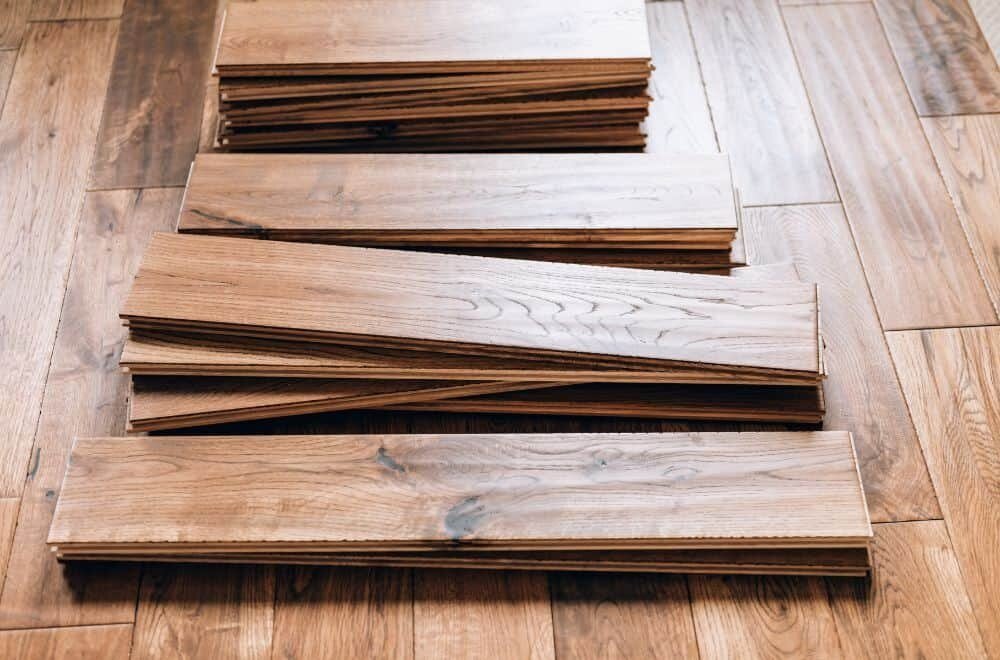
Compared to spar varnish, tung oil is much easier to apply and can provide similar levels of protection against water and sun damage. Additionally, tung oil is a more eco-friendly option than spar varnish, which often contains harsh chemicals.

Tung Oil vs. Linseed Oil

Linseed oil is another natural oil that is sometimes used to protect outdoor wood furniture. Like tung oil, it is a slow-drying oil that can take several days to cure. However, linseed oil is not as water-resistant as tung oil and may not provide as much protection against sun damage.

Compared to linseed oil, tung oil is generally considered to be a superior choice for protecting outdoor wood furniture. Tung oil is more water-resistant and provides better protection against sun damage. Additionally, tung oil is less likely to go rancid than linseed oil, which can become sticky and unpleasant over time.

Overall, tung oil is a great choice for protecting outdoor wood furniture from water and sun damage. While there are other finishes to choose from, tung oil is a natural, eco-friendly option that provides excellent protection and a beautiful, transparent finish.

Choosing the Right Finish for Your Outdoor Furniture

choosing-the-right-finish-for-your-outdoor-furniture

When it comes to protecting your outdoor furniture from water and sun damage, choosing the right finish is essential. There are several options available, but not all of them are suitable for outdoor use. In this section, we will discuss some of the most popular finishes for outdoor furniture and their benefits.
Tung Oil

Tung oil is a natural and environmentally friendly option for outdoor furniture. It provides excellent protection against water damage, UV rays, and other outdoor hazards. Additionally, tung oil gives outdoor furniture a beautiful, natural matte finish that can really enhance its overall appearance. However, it is important to note that tung oil takes a few days to dry and up to 30 days to cure completely.
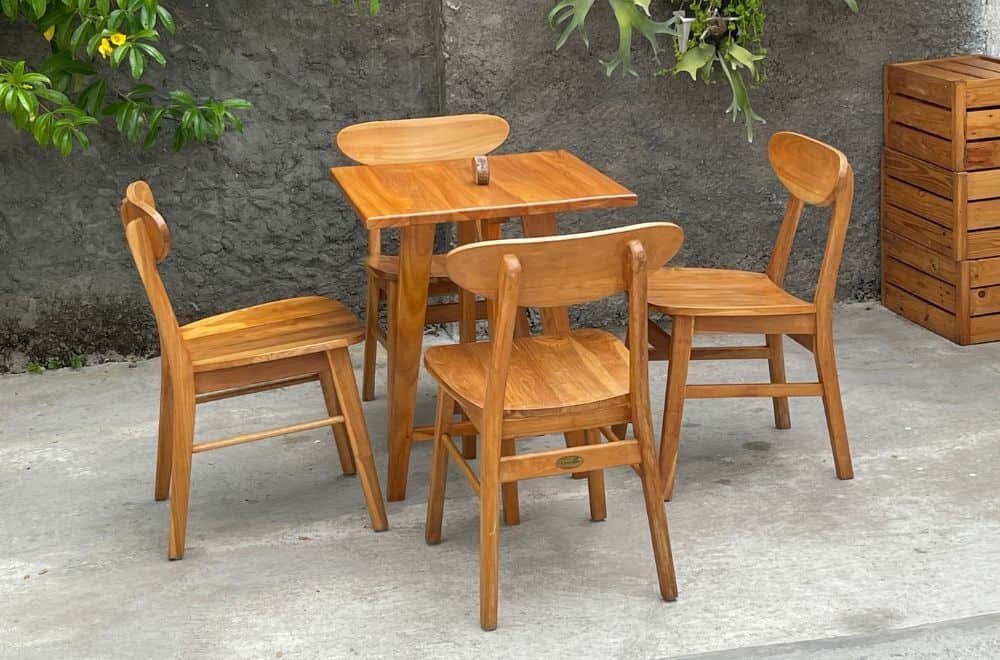
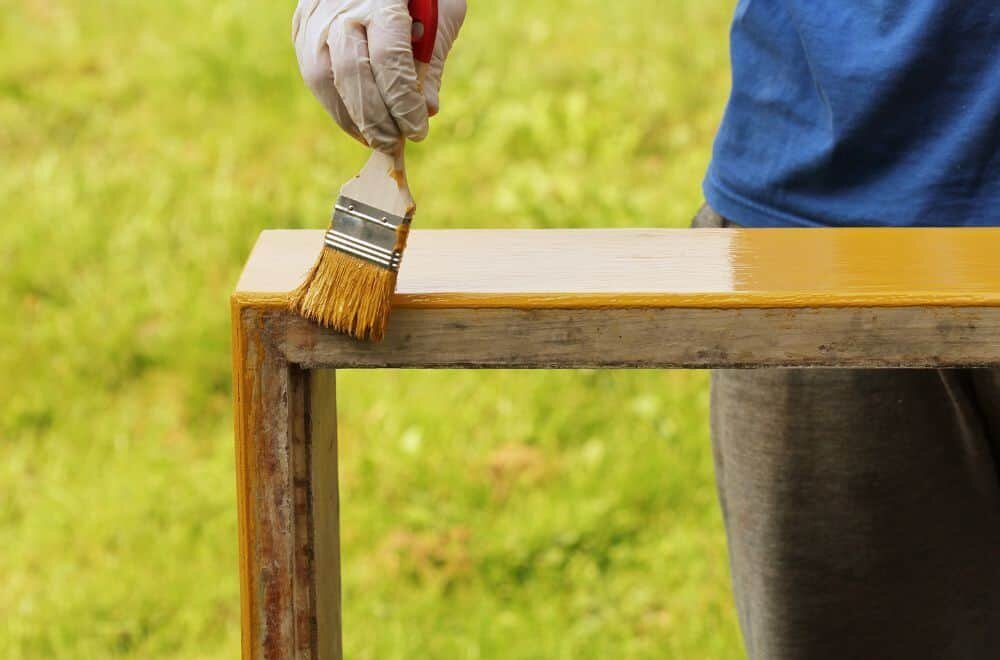
Teak Oil

Teak oil is another popular option for protecting outdoor furniture. It is said to be the best oil for outdoor furniture as it waterproofs wood and protects against sun damage. Teak oil is easy to apply and dries quickly. However, it may need to be reapplied more frequently than other finishes.

Varnish

Varnish is a synthetic finish that provides excellent protection against water and sun damage. It is available in gloss, satin, and matte finishes, and can be applied with a brush or spray gun. However, varnish can be difficult to apply evenly and may require several coats.

Paint

Paint is a popular finish for outdoor furniture as it provides excellent protection against water and sun damage. It is available in a wide range of colors and can be applied with a brush or spray gun. However, paint can be difficult to apply evenly and may require several coats.

Stain

Stain is a popular finish for outdoor furniture as it enhances the natural beauty of the wood while providing protection against water and sun damage. It is available in a wide range of colors and can be applied with a brush or spray gun. However, stain may need to be reapplied more frequently than other finishes.

In conclusion, there are several options available for protecting your outdoor furniture from water and sun damage. Each finish has its own benefits and drawbacks, so it is important to choose the right one for your specific needs. Consider the level of protection you need, the look you want to achieve, and the maintenance required before making a decision.

Frequently Asked Questions

Will tung oil protect outdoor wood furniture from water and sun damage?

Yes, tung oil is a great option for protecting outdoor wood furniture from water and sun damage. It creates a hard, durable finish that can withstand the elements and is water-resistant. Tung oil also provides natural UV protection, making it a popular choice for outdoor furniture.

What are some alternatives to tung oil for protecting outdoor wood furniture?

Other popular options for protecting outdoor wood furniture include teak oil, Danish oil, and linseed oil. Teak oil is great for waterproofing wood and protecting against sun damage. Danish oil contains resins and either linseed oil or tung oil in the mix, which can protect against the elements really well. Linseed oil is another natural oil that can be used to protect outdoor wood furniture.

How long does tung oil last on outdoor wood furniture?

Tung oil can last up to several years on outdoor wood furniture, depending on the conditions it is exposed to. However, it is recommended to apply a fresh coat of tung oil every year or so to maintain its protective qualities.

Can tung oil be applied over other finishes on outdoor wood furniture?

It is generally not recommended to apply tung oil over other finishes on outdoor wood furniture. Tung oil works best when applied directly to bare wood. If you want to switch to tung oil from another finish, it is recommended to sand the furniture down to bare wood before applying the tung oil.

Is polymerized tung oil better than regular tung oil for outdoor wood furniture?

Polymerized tung oil is a more durable and water-resistant version of regular tung oil. It can provide better protection against water and sun damage than regular tung oil. However, it can also be more expensive and harder to find.

What are some tips for applying tung oil to outdoor wood furniture?

Before applying tung oil, make sure the surface of the furniture is clean and dry. Sand the furniture down to bare wood if necessary. Apply the tung oil with a clean cloth, working in small sections at a time. Let the oil soak in for a few minutes before wiping off any excess with a clean cloth. Repeat the process until the entire surface is covered. Allow the furniture to dry completely before using it.