Month: August 2023

Blog

What is the Best Saw for Cutting Shapes Out of Wood? A Guide to Choosing the Right Tool

When it comes to cutting shapes out of wood, having the right saw can make all the difference. With so many different types of saws available, it can be difficult to determine which one is the best for your project. In this article, we will explore the five main types of saws used for cutting shapes out of wood, and discuss how, why, and when each one is used.

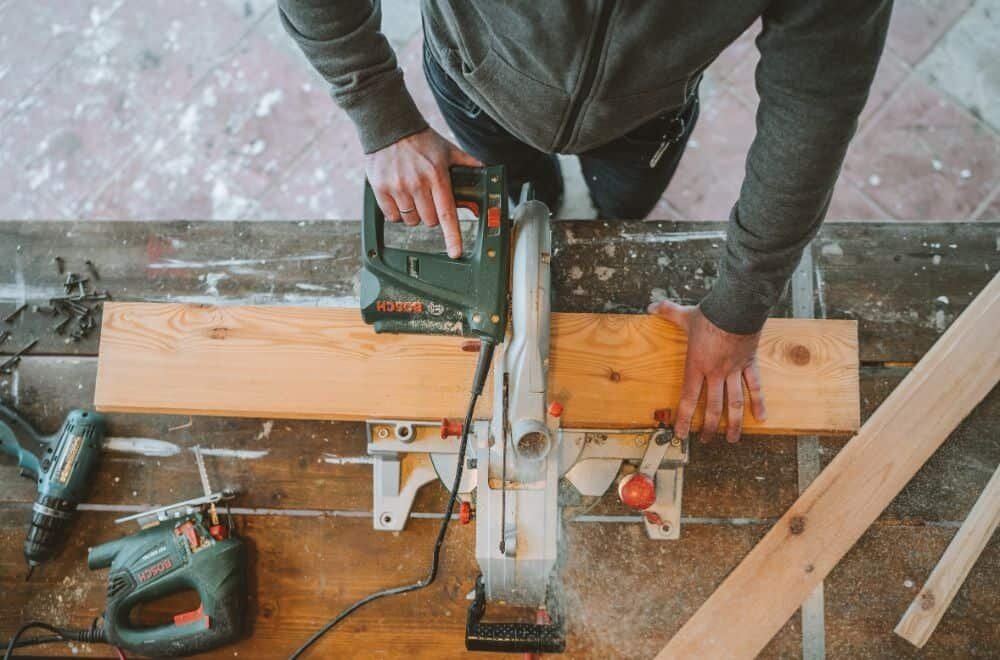
The first type of saw we will look at is the jigsaw. Jigsaws are versatile and can be used for a variety of cutting tasks, including cutting curves and intricate shapes out of wood. They are handheld and easy to maneuver, making them a great choice for DIY projects or smaller woodworking tasks. However, jigsaws are not as precise as some other saws and may not be the best choice for larger or more complex projects.

Understanding Saw Types
understanding-saw-types

When it comes to cutting shapes out of wood, there are several types of saws to choose from. Each saw has its own strengths and weaknesses, so it’s important to understand the differences between them before making a choice.

Jigsaw

The jigsaw is a versatile saw that is commonly used for cutting curves and intricate shapes out of wood. It’s a handheld saw that is easy to maneuver and control, making it a great choice for beginners. Jigsaws come with interchangeable blades, which can be swapped out depending on the type of wood you’re cutting. They are also relatively affordable, making them a popular choice for DIY enthusiasts.

Scroll Saw

The scroll saw is another popular choice for cutting shapes out of wood. It’s a motorized saw that uses a thin blade to make intricate cuts. The scroll saw is ideal for cutting tight curves and angles, and it’s also great for cutting intricate designs. The blade on a scroll saw is easy to change, which makes it a versatile tool for cutting different types of wood.

Band Saw

The band saw is a powerful saw that is capable of making precise cuts through thick pieces of wood. It’s a stationary saw that uses a continuous looped blade to cut through wood. The band saw is ideal for cutting straight lines and curves, and it’s also great for cutting thick pieces of wood. It’s a more expensive tool than the jigsaw or scroll saw, but it’s a worthwhile investment for serious woodworkers.

When choosing a saw for cutting shapes out of wood, consider the type of cuts you’ll be making and the type of wood you’ll be cutting. Each saw has its own strengths and weaknesses, so it’s important to choose the right tool for the job.

Choosing the Right Saw
choosing-the-right-saw

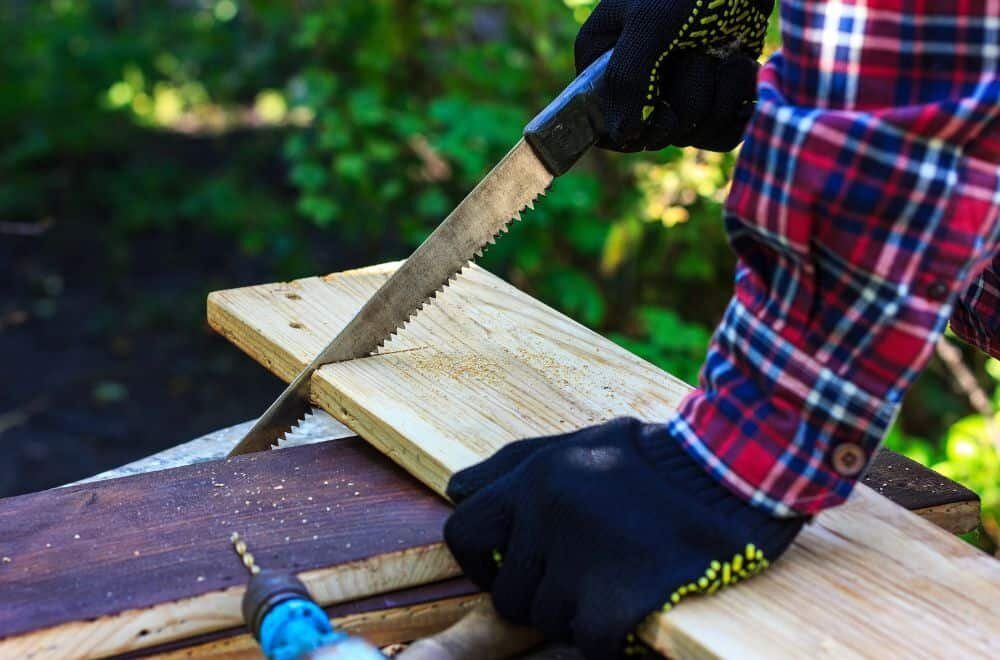
When it comes to cutting shapes out of wood, choosing the right saw is crucial to achieving accurate and precise cuts. There are several factors to consider when selecting a saw, including the material you are working with, the complexity of the shape you need to cut, and the safety features of the saw.

Material Considerations

The type of wood you are working with will have a significant impact on the saw you choose. Hardwoods, such as oak or maple, require a saw with a powerful motor and sharp blades to make clean cuts. Softer woods, such as pine or cedar, can be cut with a less powerful saw, but you will still need sharp blades to avoid splintering or tearing the wood.

Shape Complexity

The complexity of the shape you need to cut will also play a role in selecting the right saw. A scroll saw is ideal for intricate designs and curves, while a band saw is better suited for straight cuts and thicker materials. A jigsaw can handle both straight and curved cuts, but it may not be as precise as a scroll saw for intricate shapes.

Safety Features

Safety should always be a top priority when working with power tools, and saws are no exception. Look for saws with safety features such as blade guards, anti-kickback devices, and dust collection systems. Wear appropriate safety gear, including eye protection and earplugs, and follow proper safety procedures when using any saw.

In summary, selecting the right saw for cutting shapes out of wood requires consideration of the material, shape complexity, and safety features. Choose a saw that is appropriate for the type of wood you are working with, can handle the complexity of the shape you need to cut, and has appropriate safety features to protect you while you work.

Maintaining Your Saw

maintaining-your-saw

To keep your saw in good working condition and ensure it lasts for many years, you need to maintain it properly. Here are some tips on maintaining your saw:

Blade Care

The blade is the most important part of your saw, and you need to take good care of it. Here are some tips for blade care:

  • Keep the blade clean: After each use, clean the blade with a soft cloth to remove any sawdust or debris. If the blade is dirty, it can affect its performance and cause it to wear out faster.
  • Sharpen the blade regularly: A dull blade can cause the saw to work harder, which can lead to overheating and premature wear. Sharpen the blade regularly to ensure it cuts smoothly and efficiently.
  • Replace the blade when necessary: If the blade is worn out or damaged, it’s time to replace it. A damaged blade can cause the saw to work harder, which can lead to overheating and premature wear.

Regular Inspection

In addition to blade care, you need to inspect your saw regularly to ensure it’s in good working condition. Here are some tips for regular inspection:

  • Check the blade guard: The blade guard helps to protect you from the blade and should be in good working condition. Check it regularly to ensure it’s not damaged or bent.
  • Check the blade alignment: The blade should be aligned properly to ensure it cuts straight and efficiently. Check the alignment regularly and adjust it if necessary.
  • Check the power cord: The power cord should be in good condition and free from any damage or fraying. If the cord is damaged, replace it immediately.

By following these tips for blade care and regular inspection, you can ensure your saw is in good working condition and lasts for many years.

Top Saw Brands
top-saw-brands

When it comes to finding the best saw for cutting shapes out of wood, choosing a reliable brand is key. Here are some of the top saw brands to consider:

Bosch

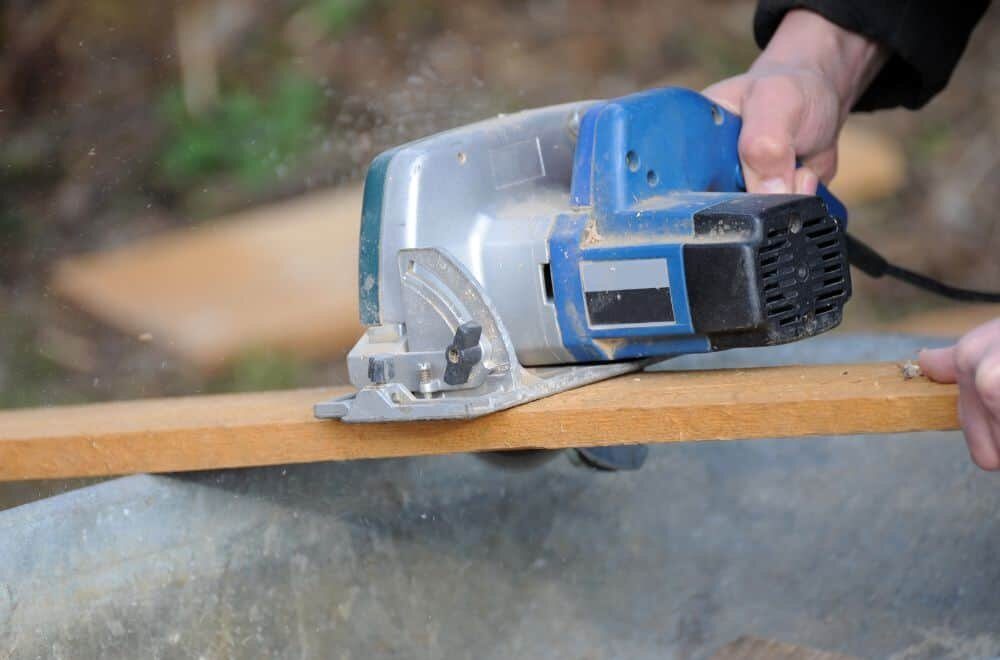
Bosch is a well-known brand in the power tool industry, and their saws are no exception. They offer a range of saws, including jigsaws and scroll saws, that are designed for precision cutting. Bosch saws are known for their durability and ease of use, making them a popular choice among woodworkers.

DeWalt

DeWalt is another trusted brand in the power tool industry, and their saws are no exception. They offer a range of saws, including circular saws and miter saws, that are designed for both accuracy and power. DeWalt saws are known for their high-quality construction and long-lasting performance.

Makita

Makita is a popular brand among woodworkers, and for good reason. They offer a range of saws, including jigsaws and circular saws, that are designed for precision cutting. Makita saws are known for their powerful motors and easy-to-use features, making them a great choice for both beginners and experienced woodworkers.

Overall, when choosing a saw for cutting shapes out of wood, it’s important to consider factors such as durability, precision, and ease of use. By choosing a trusted brand like Bosch, DeWalt, or Makita, you can feel confident that you’re getting a high-quality saw that will meet your needs.

Buying Guide

When choosing the best saw for cutting shapes out of wood, there are a few factors to consider. This section will guide you through some of the most important aspects to keep in mind when making your purchase.

Price

Price is an important factor to consider when buying a saw for cutting shapes out of wood. While there are many affordable options available, keep in mind that cheaper saws may not be as durable or precise as more expensive models. On the other hand, a higher price tag does not always guarantee better quality. Consider your budget and look for a saw that offers the features you need at a price you can afford.

Warranty

A warranty can provide peace of mind and protect your investment. Look for a saw that comes with a warranty, and make sure you understand the terms and conditions. Some warranties may only cover certain parts or have limitations on use, so be sure to read the fine print.

Customer Reviews

Customer reviews can provide valuable insight into the quality and performance of a saw. Look for reviews from people who have used the saw for similar projects to the ones you have planned. Pay attention to any recurring issues or complaints, as these may be indicators of potential problems.

When looking at customer reviews, keep in mind that not all reviews are created equal. Look for reviews from verified purchasers, and consider the overall rating as well as the number of reviews. A product with a high rating and a large number of reviews is generally a good indicator of quality.

Overall, when choosing the best saw for cutting shapes out of wood, it’s important to consider your budget, the warranty, and customer reviews. By taking these factors into account, you can make an informed decision and find a saw that meets your needs and expectations.

Frequently Asked Questions

What are some good saw options for cutting shapes out of wood?

There are several saw options available for cutting shapes out of wood. Scroll saws are considered the best for intricate and delicate cuts. Jigsaws are also a popular option for cutting curves and shapes. Band saws are suitable for cutting thick pieces of wood, while circular saws are great for cutting straight lines.

Which saw is best for cutting curves in wood?

Scroll saws are the best option for cutting curves in wood. They have thin blades that can make intricate cuts with ease. Jigsaws are also a good option for cutting curves, but they are not as precise as scroll saws.

What type of saw is recommended for wood crafts?

For wood crafts, a scroll saw is recommended. It is versatile and can make intricate cuts with ease. Jigsaws and band saws are also good options, depending on the type of project you are working on.

What are some beginner-friendly saws for cutting wood?

If you are a beginner, a jigsaw is a good option for cutting wood. It is easy to use and can make straight and curved cuts. Circular saws are also beginner-friendly and can make straight cuts with ease.

What is the most efficient saw for cutting small pieces of wood?

For cutting small pieces of wood, a scroll saw is the most efficient. It has a thin blade that can make intricate cuts with ease. Jigsaws are also a good option for cutting small pieces of wood.

What is the best tool for cutting letters out of wood?

A scroll saw is the best tool for cutting letters out of wood. It can make intricate cuts and curves with ease, making it perfect for cutting letters and other intricate designs. Jigsaws are also a good option, but they are not as precise as scroll saws.

Blog

What is the Best Wood for Making Bows? A Guide to Choosing the Right Wood for Your Bow-Making Needs

If you’re an archery enthusiast, you know that finding the right bow is crucial to your success. But what about the wood used to make the bow? The type of wood used can affect the bow’s performance, durability, and overall feel. So, what is the best wood for making bows?

According to The Wood Database, the best bow woods tend to be those that have a low MOE (modulus of elasticity) and a high MOR (modulus of rupture). This means that the wood will bend easily without breaking. The top five woods for making bows are osage orange, black locust, ash, yew, and hickory. However, many experts consider yew to be the best choice, with hickory coming in a close second.

When choosing the best wood for making a bow, there are a few factors to consider. These include the bow’s intended purpose, your skill level, and the availability of the wood. While yew may be the best choice for some, it may not be the most practical option for others. Ultimately, the best wood for making a bow is one that fits your specific needs and preferences.

Understanding Bow Woods

understanding-bow-woods

When it comes to making bows, the type of wood you choose is crucial to the success of your project. Not all woods are created equal, and some are better suited for bow-making than others. Here are some key things to keep in mind when selecting the best wood for your bow:

Density

The density of the wood you choose will have a significant impact on the performance of your bow. A denser wood will generally produce a faster, more powerful shot, while a less dense wood will be slower and less powerful. However, denser woods are also heavier, which can make the bow harder to handle and less comfortable to shoot.

Flexibility

Another critical factor to consider is the flexibility of the wood. A good bow wood should be able to bend and flex without breaking, which requires a delicate balance between strength and flexibility. Some woods are naturally more flexible than others, while others may need to be treated or backed with another material to achieve the desired level of flexibility.

Availability

Finally, you’ll want to consider the availability of the wood you choose. Some types of wood may be more readily available in your area than others, while others may be more expensive or harder to find. Keep in mind that using a rare or exotic wood may not necessarily make your bow better, and it may be more practical to work with a more readily available material.

Overall, the best wood for making bows will depend on your specific needs and preferences. Consider the density, flexibility, and availability of different types of wood to find the one that best suits your needs.

Yew: The Traditional Choice

yew-the-traditional-choice

If you’re looking for the traditional choice of wood for making bows, then yew is the way to go. Yew has been used for centuries to make some of the best bows in history. In this section, we’ll discuss the characteristics and benefits of yew for making bows.

Characteristics of Yew

Yew is a softwood that is native to Europe and can be found in other parts of the world. It has a straight grain and is relatively easy to work with, making it a popular choice for bow making. Yew wood is also known for its flexibility, which is essential for making bows that can bend without breaking.

One of the unique characteristics of yew is its sapwood and heartwood. The sapwood is the outer layer of the tree, and the heartwood is the inner layer. The sapwood of yew is white, while the heartwood is reddish-brown. The heartwood is much denser than the sapwood, which gives yew its strength and durability.

Benefits of Yew for Bows

Yew wood has several benefits when it comes to making bows. Here are some of the advantages of using yew for bow making:

  • Strength: Yew wood is strong and durable, which makes it an ideal choice for making bows that can withstand a lot of stress and pressure.
  • Flexibility: Yew wood is flexible, which means it can bend without breaking. This is essential for making bows that can shoot arrows accurately and with speed.
  • Resilience: Yew wood is resilient, which means it can withstand changes in temperature and humidity. This makes it an ideal choice for making bows that can be used in different weather conditions.
  • Appearance: Yew wood has a beautiful appearance, with its reddish-brown heartwood and white sapwood. This makes it a popular choice for making bows that are not only functional but also aesthetically pleasing.

In conclusion, yew is the traditional choice for making bows. Its strength, flexibility, resilience, and appearance make it an excellent choice for bow making. If you’re looking to make a bow that is both functional and beautiful, then yew is the way to go.

Hickory: The American Classic

hickory-the-american-classic

If you’re looking for a classic American wood for your bow, hickory is a great option. With its straight grain and high density, hickory is a popular choice for bow makers. Here are some characteristics and benefits of using hickory for your bow.

Characteristics of Hickory

Hickory is a hardwood that is native to North America. It is a dense wood with a straight grain, which makes it ideal for making bows. Hickory has a high modulus of elasticity (MOE), which means that it is stiff and doesn’t bend easily. This stiffness allows for a fast and powerful shot.

Hickory is also known for its shock resistance. When a bow is fired, it creates a lot of energy that is transferred to the wood. If the wood is not able to absorb this energy, it can cause the bow to break. Hickory, however, is able to absorb this energy and prevent the bow from breaking.

Benefits of Hickory for Bows

One of the biggest benefits of using hickory for your bow is its durability. Hickory is a strong wood that can withstand a lot of wear and tear. This means that your bow will last longer and require less maintenance than other woods.

Another benefit of hickory is its availability. Hickory is a common wood that can be found in many parts of North America. This means that it is easy to find and relatively inexpensive compared to other woods.

Hickory is also easy to work with. It can be shaped and sanded to create a smooth finish. This makes it a great option for beginner bow makers who are just starting out.

Overall, hickory is a great choice for anyone looking to make a classic American bow. Its straight grain, high density, and shock resistance make it a durable and reliable wood for bow making.

Osage Orange: The Durable Option

osage-orange-the-durable-option

If you are looking for a wood that can withstand the test of time, Osage Orange is the one for you. This wood is known for its durability and strength, making it a popular choice for bow making. In this section, we will explore the characteristics and benefits of Osage Orange for bows.

Characteristics of Osage Orange

Osage Orange, also known as hedge apple, horse apple, or bodark, is a small deciduous tree native to North America. It grows to an average height of 10-15 meters and has a dense, tight-grained wood that is bright yellow-orange in color. The wood is known for its high density and hardness, which makes it difficult to work with but ideal for bow making.

Benefits of Osage Orange for Bows

There are several benefits to using Osage Orange for bow making. Firstly, it is a very strong and durable wood that can withstand the stress of shooting arrows. This means that bows made from Osage Orange can last for many years without losing their shape or strength.

Secondly, Osage Orange has excellent elastic properties, which means that it can store and release energy efficiently. This makes it an ideal wood for making bows that are powerful and accurate.

Finally, Osage Orange has a unique and attractive appearance, with its bright yellow-orange color and tight grain pattern. This makes it a popular choice for bow makers who want to create a bow that not only performs well but also looks great.

In conclusion, if you are looking for a wood that is strong, durable, and efficient, Osage Orange is the ideal choice for making bows. Its unique characteristics and benefits make it a popular choice among bow makers and archers alike.

Bamboo: The Sustainable Alternative

bamboo-the-sustainable-alternative

If you’re looking for a sustainable alternative to traditional hardwoods for making bows, bamboo is a great option to consider. Bamboo is a fast-growing plant that can be harvested and replenished quickly, making it a much more sustainable option than traditional hardwoods, which can take decades to grow.

Characteristics of Bamboo

Bamboo is a type of grass that grows in a variety of climates and conditions. It is known for its strength and flexibility, which make it an ideal material for making bows. Bamboo is also lightweight, which can be an advantage for archers who prefer a lighter bow.

One of the unique characteristics of bamboo is its growth pattern. Bamboo grows in segments, which are called nodes. The nodes are solid and provide strength to the bamboo. The spaces between the nodes are hollow, which makes the bamboo lightweight and flexible.

Benefits of Bamboo for Bows

There are several benefits to using bamboo for making bows. Here are a few:

  • Sustainability: Bamboo is a sustainable material that can be harvested and replenished quickly.
  • Strength: Bamboo is known for its strength and flexibility, which make it an ideal material for making bows.
  • Lightweight: Bamboo is lightweight, which can be an advantage for archers who prefer a lighter bow.
  • Aesthetics: Bamboo has a unique and attractive appearance that can add to the visual appeal of a bow.

When using bamboo for making bows, it’s important to select the right type of bamboo. Moso bamboo is a popular choice for bow making because it has a straight grain and is relatively easy to work with. Other types of bamboo, such as Tonkin bamboo, can also be used for making bows.

Overall, bamboo is a sustainable and practical alternative to traditional hardwoods for making bows. Its strength, flexibility, and lightweight nature make it an excellent choice for archers who are looking for a more natural and eco-friendly option.

Factors to Consider When Choosing Wood

When selecting the best wood for making bows, there are several factors to consider. These factors include:

Strength and Flexibility

Strength and flexibility are the most important factors to consider when choosing the best wood for making bows. The wood should be strong enough to withstand the tension and compression forces that come with bending the bow. At the same time, it should be flexible enough to bend without breaking.

Density and Weight

The density and weight of the wood are also important factors to consider. A denser wood will be stronger and more durable, but it will also be heavier. A lighter wood will be easier to handle, but it may not be as strong or durable.

Grain Orientation

The grain orientation of the wood is another important factor to consider. The wood should have a straight, even grain that runs the length of the bow. This will help to ensure that the bow is strong and durable.

Moisture Content

The moisture content of the wood is also important. The wood should be dry, with a moisture content of less than 10%. This will help to ensure that the bow is stable and will not warp over time.

Availability and Cost

Finally, you should consider the availability and cost of the wood. Some woods may be more expensive or harder to find than others. You should choose a wood that is readily available and within your budget.

By considering these factors, you can choose the best wood for making a bow that is strong, durable, and easy to work with.

Maintaining Your Wooden Bow

maintaining-your-wooden-bow

Once you have found the perfect wood for your bow, it is important to maintain it properly to ensure its longevity. Here are some tips on how to maintain your wooden bow:

Keep it Dry

Moisture can cause your wooden bow to warp or crack. It is important to keep your bow dry at all times. Store it in a dry place and avoid exposing it to extreme temperatures or humidity.

Oil the Bow

Oiling the bow can help protect it from moisture and keep it in good condition. Use a soft cloth to apply a thin layer of oil to the bow. Be sure to use a non-toxic oil that is safe for use on wood.

Check for Damage

Regularly inspect your bow for any signs of damage. Look for cracks, warping, or any other signs of wear and tear. If you notice any damage, it is important to address it immediately to prevent further damage.

Use a Bowstringer

Using a bowstringer is the safest way to string and unstring your bow. It helps prevent damage to the bow and ensures that the string is properly seated on the bow.

Store Properly

When not in use, store your bow properly to prevent damage. Use a bow case or bag to protect it from dust, moisture, and other elements. Avoid storing it in direct sunlight or near a heat source.

By following these tips, you can help ensure that your wooden bow stays in good condition for years to come.

Frequently Asked Questions

What are some types of wood commonly used for making bows?

There are several types of wood that are commonly used for making bows, including Osage orange, black locust, ash, yew, hickory, oak, and maple. Each of these woods has its own unique characteristics and advantages.

Can hickory be a good choice for making bows?

Yes, hickory can be a good choice for making bows. It is a strong and durable wood that is also relatively lightweight. Hickory bows can be fast and accurate, making them a popular choice for many archers.

What are the advantages of laminated bows and which woods are best for them?

Laminated bows are made by gluing together multiple layers of wood to create a stronger and more stable bow. The best woods for laminated bows are those that have a high strength-to-weight ratio, such as bamboo, maple, and fiberglass. The advantages of laminated bows include increased durability, improved accuracy, and greater consistency.

What are some popular woods used for making crossbows?

Some popular woods used for making crossbows include ash, maple, and yew. These woods are strong and durable, making them ideal for withstanding the high forces involved in crossbow shooting.

Is cherry wood a viable option for bow making?

Cherry wood can be a viable option for bow making, but it is not as commonly used as some other types of wood. Cherry has a relatively low strength-to-weight ratio compared to other woods, which can make it less suitable for making high-performance bows.

What are some characteristics of the fastest woods for making bows?

The fastest woods for making bows are those that have a high modulus of elasticity (MOE) and a low density. Some examples of woods with these characteristics include bamboo, carbon fiber, and fiberglass. These woods can produce bows that are extremely fast and accurate, but they may also be more expensive and difficult to work with than traditional woods.

Blog

How to Hang a Thin Piece of Wood on a Wall: Simple Tips and Tricks

Hanging a thin piece of wood on a wall can be a tricky task, especially if you want to ensure that it is secure and won’t fall off. There are several methods that you can use to hang a thin piece of wood on a wall, such as using adhesive, double-sided tape, or wire. However, it is important to choose the right method based on the weight of the wood and the type of wall you are hanging it on.

One popular method for hanging a thin piece of wood on a wall is using a French cleat. This involves cutting a 45-degree bevel on a piece of hardwood, which is then attached to the wall. The other half of the cleat is attached to the back of the wood, allowing it to slide onto the cleat and be held securely in place. This method is particularly useful for heavy pieces of wood that need to be securely attached to the wall.

Another option for hanging a thin piece of wood on a wall is using velcro wall hangers. These hangers are designed to hold lightweight items, such as pictures or posters, but can also be used for thin pieces of wood. They are easy to install and remove, making them a good choice if you want to change the position of the wood frequently. However, they may not be suitable for heavier pieces of wood.

Understanding Wall Types

understanding-wall-types

When it comes to hanging a thin piece of wood on a wall, it’s important to understand the type of wall you are working with. Different wall types require different methods of hanging, and using the wrong method can result in damage to your wall or your artwork. Here are some common wall types and the best ways to hang a thin piece of wood on them.

Drywall

Drywall is the most common type of wall found in modern homes. It’s made of gypsum plaster sandwiched between two layers of paper, and it’s relatively easy to hang things on. Here’s how to hang a thin piece of wood on drywall:

  1. Find the studs: Use a stud finder to locate the studs behind the drywall. This will give you a secure anchor point for your screws or nails.
  2. Mark the location: Use a pencil to mark the location of the studs on the wall.
  3. Drill pilot holes: Use a drill to make pilot holes in the wood where you want to attach it to the wall.
  4. Attach the wood: Use screws or nails to attach the wood to the wall, making sure to drive them into the studs.

Plaster

Plaster walls are common in older homes, and they can be a bit trickier to hang things on than drywall. Here’s how to hang a thin piece of wood on a plaster wall:

  1. Find the studs: Use a stud finder to locate the studs behind the plaster. If you can’t find the studs, use a toggle bolt or molly bolt to anchor your screws or nails.
  2. Mark the location: Use a pencil to mark the location of the studs or anchor points on the wall.
  3. Drill pilot holes: Use a drill to make pilot holes in the wood where you want to attach it to the wall.
  4. Attach the wood: Use screws or nails to attach the wood to the wall, making sure to drive them into the studs or anchor points.

Brick

Brick walls are common in older homes and commercial buildings, and they require a different approach to hanging things than drywall or plaster. Here’s how to hang a thin piece of wood on a brick wall:

  1. Use a masonry bit: Use a masonry bit and drill to make pilot holes in the brick where you want to attach the wood.
  2. Insert anchors: Insert plastic or metal anchors into the pilot holes.
  3. Attach the wood: Use screws or nails to attach the wood to the anchors.

By understanding the type of wall you are working with and using the appropriate hanging method, you can safely and securely hang a thin piece of wood on your wall.

Choosing the Right Wood

choosing-the-right-wood

When hanging a thin piece of wood on a wall, it’s important to choose the right type of wood. Here are some factors to consider:

Thickness

The thickness of the wood you choose will affect how it hangs on the wall. Thinner pieces of wood may require additional support, while thicker pieces may be too heavy to hang securely. A 1/4″ thickness is a common choice for thin wood pieces.

Type of Wood

Different types of wood have different characteristics that can affect how they hang on the wall. Here are some popular options:

  • Plywood: A strong and lightweight option that is easy to work with.
  • MDF: A dense and stable option that is resistant to warping and cracking.
  • Hardwood: A durable and attractive option that can add a high-end look to your space.

Grain Pattern

The grain pattern of the wood you choose can also affect its appearance and hanging capabilities. Here are some common grain patterns:

  • Plain sawn: A simple and traditional pattern that can add texture and interest to your space.
  • Quarter sawn: A more stable and uniform pattern that is less likely to warp or twist.
  • Rift sawn: A unique and modern pattern that can add a contemporary look to your space.

Finish

Finally, consider the finish of the wood you choose. A smooth and polished finish can add a sleek look to your space, while a rough and rustic finish can add character and charm. Just be sure to choose a finish that complements the overall style of your room.

By considering these factors, you can choose the right type of wood for your thin piece and ensure it hangs securely and looks great on your wall.

Required Tools

required-tools

To hang a thin piece of wood on a wall, you’ll need a few essential tools to ensure a secure and level installation. Here are the tools you’ll need:

Drill

A drill is essential for creating holes in the wall to anchor the screws that will hold the wood in place. Make sure to use a drill bit that is slightly smaller than the diameter of the screws you will be using to ensure a snug fit.

Level

A level is crucial for ensuring that the wood is hung straight and level. A small bubble level is usually sufficient for this task.

Stud Finder

If you plan to hang the wood on a stud wall, a stud finder will help you locate the studs behind the drywall. This will allow you to anchor the screws directly into the studs for a more secure installation.

Screws

The type of screws you use will depend on the weight of the wood and the type of wall you are hanging it on. For lightweight wood and drywall, picture hanging strips or adhesive hooks may be sufficient. For heavier wood and stud walls, use wood screws that are long enough to anchor securely into the studs.

By having these tools on hand, you’ll be able to hang your thin piece of wood securely and level on any type of wall.

Locating the Studs

Before you hang a thin piece of wood on a wall, you need to locate the studs. This is important because hanging the wood on drywall alone can result in it falling off the wall. Here are some ways to locate the studs:

  • Use a Stud Finder: A stud finder is a handy tool that can help you locate the studs quickly. Simply place the stud finder on the wall and move it around until it beeps or lights up, indicating the presence of a stud.
  • Knock on the Wall: Another way to locate the studs is to knock on the wall. Start by tapping with your fingertip wherever you need to find a stud and slowly move to the right or to the left. If the tapping sound becomes more solid, you’re approaching a stud. If it sounds hollow, you’re moving away from a stud. Once you’ve found the stud, measure 16 inches to find the next stud, then tap to verify.
  • Look for Outlets or Switches: Electrical boxes are typically attached to studs, so finding a light switch or power outlet can help you locate the studs. Once you’ve found an outlet or switch, measure 16 inches to find the next stud.
  • Measure from Window or Door Trim: Window and door trim are anchored into studs. Sometimes, you can see dimples left by the nail where it is attached, but if not, choose a spot one inch from the edge of your window, and then measure out an additional 16 inches to find the next stud on the wall.

Remember to mark the location of the studs with a pencil or tape measure so that you can easily refer to them when hanging the thin piece of wood on the wall.

Preparing the Wood

preparing-the-wood

Before hanging a thin piece of wood on a wall, there are a few steps you should take to ensure that the wood is ready for mounting.

Sanding

First, you should sand the wood to ensure that it is smooth and free of any rough spots or splinters. Use a fine-grit sandpaper to gently sand the surface of the wood until it is completely smooth. Be sure to sand the edges of the wood as well to prevent any sharp edges from causing injury.

Staining or Painting

Once the wood is sanded, you can choose to stain or paint it to give it a finished look. If you choose to stain the wood, be sure to apply a clear coat of polyurethane to protect the wood and prevent any damage from moisture or humidity.

If you choose to paint the wood, be sure to use a primer to help the paint adhere to the surface. Apply two coats of paint, allowing each coat to dry completely before applying the next.

Adding Hardware

Before mounting the wood on the wall, you will need to add hardware to the back of the wood to hang it securely. There are several options for hardware, including keyhole slots, D-rings, or sawtooth hangers.

If you choose to use keyhole slots, be sure to measure and mark the location of the slots on the back of the wood before drilling the holes. Use a drill bit that is slightly larger than the diameter of the screws you will be using to mount the wood.

Once the hardware is attached, your thin piece of wood is ready to be mounted on the wall.

Drilling the Holes

To hang a thin piece of wood on a wall, you will need to drill holes in the wood and the wall. Here’s how to do it:

  1. Measure the length and width of the wood piece, and determine where you want to hang it on the wall. Mark the spot on the wall where you want to drill the holes.
  2. Choose the right drill bit size for the job. You want a bit that is slightly smaller than the size of the screw you will use to hang the wood. For example, if you plan to use a 1/4 inch screw, use a 3/16 inch drill bit.
  3. Insert the drill bit into the drill and tighten it securely.
  4. Hold the drill perpendicular to the wall and drill a hole at the marked spot. Be sure to drill straight and not at an angle.
  5. Repeat the process for the other holes you need to drill.
  6. If you are drilling into drywall, use a drywall anchor to provide extra support for the screws. Insert the anchor into the hole and then screw the wood piece into the anchor.
  7. If you are drilling into a stud, you can skip the drywall anchor and screw the wood piece directly into the stud.

By following these steps, you can easily drill the necessary holes to hang your thin piece of wood securely on the wall.

Mounting the Wood

mounting-the-wood

When it comes to mounting a thin piece of wood on a wall, there are a few options to choose from. Here are some methods you can try:

1. Picture Hanging Strips or Adhesive Hooks

If the wood is lightweight and the wall is made of drywall, you can use picture hanging strips or adhesive hooks. These are easy to use and won’t damage your walls. Simply attach the strips or hooks to the back of the wood and press firmly onto the wall.

2. Glue a Strip of Wood to the Back

For a more permanent solution, you can glue a strip of wood to the back of the thin piece of wood. This will add support and make it easier to hang. You can then attach your hanging hardware to the strip of wood.

3. Keyhole Slots

If your piece of wood has keyhole slots, you can use them to hang the wood on the wall. First, measure the distance between the slots and mark the wall where you want the wood to hang. Then, attach screws or hooks to the wall and hang the wood on them.

4. French Cleat

If you have a heavy piece of wood, you can use a French cleat to mount it on the wall. A French cleat is a type of hardware that consists of two pieces of wood, one attached to the back of the wood and the other attached to the wall. The two pieces interlock to provide a secure mount.

With these methods, you can easily mount a thin piece of wood on a wall. Just make sure to choose the right method for your specific piece of wood and wall type.

Safety Precautions

When hanging a thin piece of wood on a wall, it is important to take safety precautions to prevent any accidents or damage to your walls. Here are some tips to keep in mind:

1. Determine the weight of the wood

Before you start hanging the wood, it’s important to know its weight. This will help you choose the right hardware and ensure that the wood is properly secured. You can use a bathroom scale to weigh the wood.

2. Use appropriate hardware

Make sure to use the appropriate hardware for the weight of the wood. For a thin piece of wood, you can use picture hangers, sawtooth hangers or adhesive strips. If the wood is heavier, use wall anchors or toggle bolts to secure it to the wall.

3. Check the wall for studs

If possible, hang the wood on a wall stud. This will provide extra support and stability. You can use a stud finder to locate the studs in your wall.

4. Use a level

To ensure that the wood is straight, use a level to mark the position of the hangers or hardware. This will help you avoid any crooked or uneven hanging.

5. Wear protective gear

When drilling or hammering into the wall, wear protective gear such as safety glasses and gloves to prevent any injuries.

By following these safety precautions, you can hang your thin piece of wood on the wall safely and securely.

Frequently Asked Questions

What are some ways to hang a thin piece of wood on a wall?

There are several ways to hang a thin piece of wood on a wall. One is to use wood glue to attach a strip of wood to the back of the wood piece and then hang it on a nail or hook. Another way is to use picture hangers or adhesive strips that are specifically designed for hanging lightweight objects on walls.

How can I hang a wood shelf on a wall?

To hang a wood shelf on a wall, you can use brackets or cleats. Brackets are L-shaped metal or wood pieces that attach to the wall and support the shelf. Cleats are strips of wood that are attached to the wall and the shelf, providing a secure hold.

What are some methods for hanging things on walls without causing damage?

There are several methods for hanging things on walls without causing damage, such as using adhesive strips, suction cups, or removable hooks. These options are great for renters or anyone who wants to avoid drilling holes in their walls.

How do I hang plywood art on a wall?

To hang plywood art on a wall, you can use a strip of wood trim material that is glued on the back side of the plywood with carpenter’s glue. Then, you can hang the piece on a nail or hook. Alternatively, you can use a French cleat system, which involves mounting a cleat to the wall and attaching another cleat to the back of the plywood.

What’s the best way to hang something on a stud?

The best way to hang something on a stud is to use a stud finder to locate the stud and then use a screw or nail to attach the object to the stud. This will provide a secure hold and prevent damage to the wall.

How do I hang thin wood panels on a wall?

To hang thin wood panels on a wall, you can use adhesive strips or picture hangers. Another option is to use a French cleat system, which involves mounting a cleat to the wall and attaching another cleat to the back of the wood panel.

Blog

Does Lowe's offer a wood cutting service? Find out here!

Are you planning a DIY project that requires cutting wood? If so, you may be wondering if Lowe’s offers a wood cutting service. The good news is that Lowe’s does offer this service to its customers.

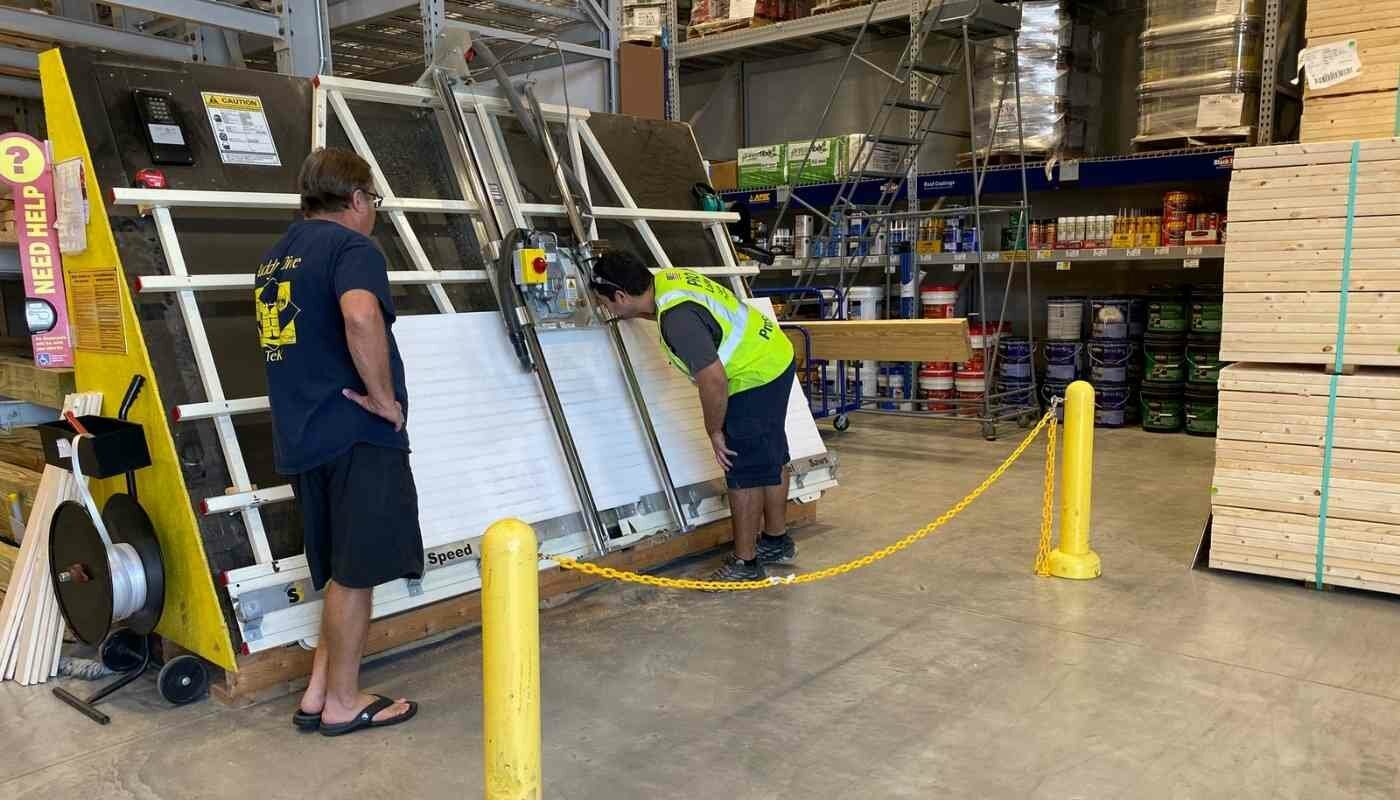
With Lowe’s wood cutting service, you can purchase the lumber you need and have it cut down to size at the store. This can be especially helpful if you don’t have the tools or space to cut the wood yourself. Plus, it can save you time and effort, allowing you to focus on other aspects of your project.

Keep in mind that while Lowe’s offers wood cutting services, there may be limitations on what they can cut. For safety reasons, they may not be able to cut smaller pieces of wood. However, for larger pieces, such as those needed for framing or decking, Lowe’s can be a great resource for getting the job done.

What is Lowe’s

Lowe’s is a home improvement retail store that offers a wide range of products and services to help customers with their home projects. The company was founded in 1946 and has since grown to become one of the largest home improvement retailers in the world.

Lowe’s stores offer a variety of products, including building materials, tools, appliances, and home decor items. They also provide a range of services to help customers complete their projects, such as installation services, repair services, and design services.

Lowe’s is committed to providing customers with high-quality products and services at affordable prices. The company prides itself on its knowledgeable and helpful staff, who are always available to answer questions and provide assistance.

Overall, Lowe’s is a one-stop-shop for all your home improvement needs. Whether you’re looking to renovate your kitchen, update your bathroom, or complete any other home project, Lowe’s has everything you need to get the job done.

Understanding Lowe’s Services

understanding-lowes-services

When it comes to home improvement projects, Lowe’s has got you covered. They offer a wide range of services to make your DIY projects easier and more convenient. Here are some of the services that Lowe’s offers:

Wood Cutting Services

One of the most popular services that Lowe’s offers is wood cutting. If you need to cut lumber to a specific size, Lowe’s can do it for you. They offer free wood cutting for any lumber purchased in-store so that it can fit inside your car. However, cutting pieces to size may cost extra depending on location.

Pipe Threading and Cutting

Lowe’s also offers free pipe threading and cutting for any size of galvanized or black iron pipe. This service involves a machine-based cutting operation with a metal wheel that creates threads in the ends of pipes.

Other Cutting Services

In addition to wood and pipe cutting, Lowe’s can cut other materials as well, such as mini-blinds, rope, chain, and more.

Installation Services

If you’re not comfortable with installing your purchases yourself, Lowe’s also offers installation services for a variety of products, including flooring, cabinets, countertops, and more.

Design Services

If you need help with designing your home improvement project, Lowe’s has got you covered. They offer design services for kitchens, bathrooms, and other areas of your home.

Rental Services

If you need a tool for a one-time project, Lowe’s has a rental program that allows you to rent tools for a specified period of time.

Overall, Lowe’s offers a variety of services to make your home improvement projects easier and more convenient. Whether you need help with cutting materials, installation, design, or rentals, Lowe’s has got you covered.

Wood Cutting Service at Lowe’s

If you’re planning a home improvement project that involves wood, you might be wondering if Lowe’s offers a wood cutting service. The good news is that Lowe’s does offer wood cutting services at all of its locations.

Whether you need to transport your lumber in a small car or you want to save yourself some time, Lowe’s wood cutting services can be extremely useful in a pinch. Plus, the service is available to all customers who purchase wood at Lowe’s, so you don’t need to be a professional contractor to take advantage of it.

When you visit your local Lowe’s store, you’ll find that the wood cutting service is located in the lumber department. The store associates will be happy to assist you with your wood cutting needs, and they can make a certain number of cuts for free.

However, there are some restrictions that apply to the wood cutting service. For example, the cuts must be straight and square, and the wood must be purchased at Lowe’s. Additionally, the number of free cuts may vary by store, so it’s always a good idea to check with your local store for details.

Overall, Lowe’s wood cutting service is a convenient and helpful option for anyone who needs to cut wood for a home improvement project. So if you’re planning a project that involves wood, be sure to take advantage of this service at your local Lowe’s store.

How to Avail the Wood Cutting Service

how-to-avail-the-wood-cutting-service

If you are planning to buy lumber from Lowe’s and want to get it cut to the desired size, then you can avail the wood cutting service offered by the store. Here’s how you can get your wood cut at Lowe’s:

  1. Buy your lumber from Lowe’s: You cannot bring your own lumber from home and expect Lowe’s to cut it for free. Purchase your lumber from Lowe’s in order to avail of their wood-cutting services.
  2. Measure your lumber: Before you head to the store, make sure you measure your lumber and have a clear idea of the size you want it to be cut. This will help you avoid any miscommunication with the store associate.
  3. Request for wood cutting service: Once you have purchased your lumber, you can request for wood cutting service at the store. Simply approach a store associate and let them know the size you want your wood to be cut.
  4. Wait for the wood cutting: The store associate will take your lumber and cut it to the desired size using their cutting tools. The time taken to complete the cutting process may vary depending on the workload at the store.
  5. Pick up your cut lumber: Once your wood has been cut, the store associate will notify you. You can then pick up your cut lumber and take it home for your DIY project.

It’s important to note that Lowe’s wood cutting service is free of charge and is available at all their stores. However, the store may have certain limitations on the number of cuts they can make or the size of the lumber they can cut. It’s best to check with your local Lowe’s store for more details on their wood cutting service.

Benefits of Lowe’s Wood Cutting Service

If you’re planning a DIY project that involves cutting wood, you may be wondering whether you should do it yourself or pay someone else to do it for you. Lowe’s wood cutting service can be a great option for those who want to save time and effort while ensuring accurate and precise cuts. Here are some of the benefits of using Lowe’s wood cutting service:

Convenience

One of the biggest advantages of using Lowe’s wood cutting service is convenience. You don’t have to worry about buying or renting expensive saws and other equipment, or spending hours cutting wood yourself. Instead, you can simply bring your lumber to Lowe’s and have their trained associates cut it for you. This can save you a lot of time and effort, especially if you’re working on a large project.

Accuracy

Another benefit of using Lowe’s wood cutting service is the accuracy of the cuts. Lowe’s associates are trained to offer precise and accurate cuts, so you can be sure that your lumber will be cut to the exact measurements you need. This can be especially important if you’re working on a project that requires a high degree of precision, such as building furniture or installing cabinets.

Cost-effective

Using Lowe’s wood cutting service can also be cost-effective. While there may be a fee for the service, it is often much cheaper than buying or renting your own saws and other equipment. Additionally, Lowe’s often offers discounts and promotions on their wood cutting service, so you can save even more money.

Variety of options

Lowe’s wood cutting service also offers a variety of options to choose from. You can select the type of wood you want to cut, as well as the size and shape of the cuts. This allows you to customize your lumber to your exact specifications, making it easier to complete your project.

High-quality cuts

Finally, Lowe’s wood cutting service offers high-quality cuts. Their saws are well-maintained and their associates are trained to provide clean, accurate cuts every time. This means that you can be confident that your lumber will be cut to the highest standards, ensuring that your project will look great and last for years to come.

Limitations of Lowe’s Wood Cutting Service

While Lowe’s wood cutting service can be a convenient option for those who need lumber cut to size, there are some limitations to keep in mind. Here are a few things to consider:

1. Limited Cutting Options

Lowe’s wood cutting service is designed to handle basic cuts only. This means that you may not be able to get more complex cuts, such as angled or beveled cuts, made at the store. If you need more specialized cuts, you may need to seek out a professional carpenter or woodworking shop.

2. Accuracy and Precision

While Lowe’s promises “clean cuts every time,” it’s important to keep in mind that the accuracy and precision of the cuts may not always be perfect. Store associates are trained to complete simple cuts quickly, which can sometimes lead to slight variations in the measurements. If you need very precise cuts, you may want to consider doing the cutting yourself or seeking out a professional.

3. Availability

Not all Lowe’s stores offer wood cutting services, and the availability of the service can vary from store to store. Before you make a trip to the store, it’s a good idea to call ahead and confirm that the service is available at your location.

4. Cost

While Lowe’s wood cutting service is generally free, there may be some instances where you will need to pay for the service. For example, if you need a large amount of lumber cut or if you need more complex cuts made, you may be charged a fee. It’s important to ask about any potential fees before you have your wood cut to avoid any surprises at the checkout.

Alternatives to Lowe’s Wood Cutting Service

If you are unable to use Lowe’s wood cutting service, there are several alternatives available to you. Here are a few options:

1. Home Depot

Home Depot offers wood cutting services at some of its locations. These services vary from store to store, and many are switching to a fee-based model. However, most stores will cut your wood so that it fits in your car and will also give you a set number of cuts if they have the time to do so.

2. Menards

Menards is another home improvement retailer that offers wood cutting services. They will cut your wood to size for free, but they do not offer more advanced cuts. However, Menards will only cut wood that is purchased from them.

3. Local Hardware Stores

Many local hardware stores offer wood cutting services. These stores may have more flexibility in terms of the types of cuts they can make and the materials they can cut. However, the quality of service may vary, so it is best to call ahead and check if they offer wood cutting services.

4. DIY with a Saw

If you have a saw at home, cutting your own wood is always an option. However, it is important to have the proper tools and knowledge to do so safely. Always wear protective gear, such as safety glasses and gloves, and follow the manufacturer’s instructions for your saw.

5. Hire a Professional

If you need more advanced cuts or have a large project, it may be worth hiring a professional. A carpenter or woodworker will have the expertise and tools to make precise cuts and ensure your project is completed to your satisfaction.

Customer Experiences with Lowe’s Wood Cutting Service

If you’re considering using Lowe’s wood cutting service, you might be wondering what other customers have experienced. Here are a few things to keep in mind:

  • Some customers have reported long wait times, especially on weekends when the store is busy. If you’re in a hurry, it might be best to call ahead and see if they can accommodate your request.
  • Others have praised the accuracy and quality of the cuts, saying that they were able to get the exact measurements they needed for their project.
  • Some customers have also noted that the service is only available for straight cuts, so if you need more complex cuts or angles, you’ll need to do it yourself or hire a professional.
  • Overall, many customers have found the service to be helpful and convenient, especially if they don’t have the tools or skills to cut wood themselves.

Remember that every store may have slightly different policies and procedures for their wood cutting service, so it’s always a good idea to check with your local store before making any assumptions. And if you do decide to use the service, be sure to communicate clearly with the staff about your needs and expectations to ensure the best possible outcome.

Frequently Asked Questions

Can I get wood cut at Lowe’s?

Yes, Lowe’s offers wood cutting services for its customers. They can cut wood to fit inside your car, making it easier for you to transport it home.

Does Lowe’s offer custom wood cutting services?

Lowe’s offers basic wood cutting services for its customers. However, they do not offer custom wood cutting services. They can make simple straight cuts and rough cuts, but they cannot make more advanced cuts such as angled or curved cuts.

What types of wood can Lowe’s cut?

Lowe’s can cut most types of wood that they sell in their store. This includes lumber, plywood, and particleboard. However, they may not be able to cut certain types of wood that are too thick or too large to fit in their saws.
How much does Lowe’s charge for wood cutting?

Lowe’s offers free wood cutting services for any lumber purchased in-store. However, fees for wood cutting services may vary across different locations. It is best to check with your local Lowe’s store for more information.

Do I need to bring my own wood to Lowe’s for cutting?

No, you do not need to bring your own wood to Lowe’s for cutting. You can purchase the wood you need at Lowe’s and they will cut it for you in-store.

What is the turnaround time for wood cutting services at Lowe’s?

The turnaround time for wood cutting services at Lowe’s may vary depending on the store’s workload. However, they typically aim to complete wood cutting services within a reasonable amount of time. It is best to check with your local Lowe’s store for more information on turnaround times.

Blog

Does Polyurethane Make Wood Waterproof? The Truth Revealed

Are you wondering if polyurethane makes wood waterproof? This is a common question among those who are looking to protect their wooden surfaces from water damage. While polyurethane is known for its ability to protect wood from scratches and discoloration, it’s important to understand that it does not make wood completely waterproof.

Polyurethane is a synthetic resin that forms a hard, protective film on the surface of wood. This film is resistant to scratches and discoloration from fungi and mildew, and it also makes it more difficult for water to penetrate the wood. However, polyurethane only makes wood water-resistant, not waterproof. This means that while it can repel water and prevent water absorption, it will never fully block it.

Understanding Polyurethane

If you are a woodworker or DIY enthusiast, you must have heard about polyurethane. Polyurethane is a synthetic resin that is used to protect and enhance the beauty of wood. It is a popular choice for finishing woodwork, as it provides a durable, long-lasting finish.

Polyurethane is available in two forms: oil-based and water-based. Oil-based polyurethane is more durable and provides a richer finish, while water-based polyurethane dries faster and has a lower odor.

Polyurethane is a clear, protective coating that is applied to the surface of wood. It forms a hard, durable film that protects the wood from scratches, stains, and moisture. Polyurethane also enhances the natural beauty of wood by adding depth and richness to its color.

Polyurethane is available in different sheens: gloss, semi-gloss, and satin. Gloss provides a high shine, while semi-gloss and satin provide a more subtle shine. The sheen you choose depends on your personal preference and the type of wood you are working with.

When applying polyurethane, it is important to follow the manufacturer’s instructions carefully. Polyurethane should be applied in thin, even coats, and each coat should be allowed to dry completely before applying the next coat. Sanding between coats is also recommended to ensure a smooth, even finish.

In summary, polyurethane is a clear, protective coating that is used to protect and enhance the beauty of wood. It is available in different forms, sheens, and can be applied to different types of wood. When applying polyurethane, it is important to follow the manufacturer’s instructions carefully to ensure a durable, long-lasting finish.

Polyurethane and Wood Interaction

polyurethane-and-wood-interaction

Polyurethane is a popular choice for finishing wood because of its durability and protection against scratches and discoloration. However, it is important to note that polyurethane does not make wood completely waterproof.

When polyurethane is applied to wood, it creates a protective layer that repels water and prevents water absorption. This layer can help to make the wood water-resistant, but it cannot make the wood completely waterproof.

It is important to note that polyurethane may interact differently with different types of wood. Some woods may absorb the polyurethane differently, which can affect the level of water resistance provided by the finish.

Additionally, the thickness of the polyurethane layer can also affect its water resistance. A thicker layer of polyurethane may provide more protection against water damage than a thinner layer.

Overall, while polyurethane can provide some level of water resistance to wood, it is important to use additional waterproofing methods if you need to protect the wood from prolonged exposure to water.

How Does Polyurethane Make Wood Waterproof?

Polyurethane is a popular finish for wood because it provides excellent protection against scratches, discoloration, and water damage. While it doesn’t make wood completely waterproof, it does make it water-resistant. But how does it work?

Polyurethane is a type of plastic that forms a protective layer over the wood. This layer repels water and prevents it from being absorbed by the wood. When water comes into contact with the polyurethane, it beads up and rolls off the surface, rather than soaking into the wood fibers.

The polyurethane layer also helps to seal the wood, preventing moisture from getting in and causing damage. This is important because when wood absorbs water, it can swell, warp, and even rot over time. By keeping moisture out, polyurethane helps to preserve the integrity of the wood.

To get the best water resistance from polyurethane, it’s important to apply several coats. Each coat builds up the protective layer, making it thicker and more effective. You should also make sure to sand the wood between coats to ensure a smooth surface and good adhesion.

Overall, polyurethane is an excellent choice for protecting wood from water damage. While it’s not 100% waterproof, it does provide a high level of water resistance that can help to extend the life of your wood projects.

Types of Polyurethane for Wood Waterproofing

types-of-polyurethane-for-wood-waterproofing

When it comes to wood waterproofing, polyurethane is a popular option due to its water-resistant properties. However, not all polyurethane products are created equal. Here are two types of polyurethane that you can use for wood waterproofing:

Oil-Based Polyurethane

Oil-based polyurethane is a popular choice for wood waterproofing due to its durability and resistance to wear and tear. This type of polyurethane is made from a combination of synthetic resin and oil, which makes it more resistant to water than other types of polyurethane.

One of the benefits of oil-based polyurethane is that it provides a glossy finish that can enhance the natural beauty of the wood. However, it can also yellow over time, which may not be desirable for some wood types. Additionally, oil-based polyurethane has a strong odor and requires proper ventilation during application.

Water-Based Polyurethane

Water-based polyurethane is another option for wood waterproofing. This type of polyurethane is made from a combination of synthetic resin and water, which makes it less harmful to the environment than oil-based polyurethane. It also dries faster and has a lower odor, making it easier to work with.

Although water-based polyurethane is less durable than oil-based polyurethane, it still provides a good level of water resistance. It also dries clear, which makes it a good option for wood types that you don’t want to yellow over time.

In summary, both oil-based and water-based polyurethane can be used for wood waterproofing. Oil-based polyurethane is more durable and provides a glossy finish, while water-based polyurethane is less harmful to the environment and dries faster. Which one you choose will depend on your personal preference and the type of wood you are working with.

Application Process of Polyurethane on Wood

application-process-of-polyurethane-on-wood

When it comes to applying polyurethane on wood, there are a few steps that you need to follow to ensure a smooth and even finish. In this section, we will guide you through the preparation, application, and drying and curing process of polyurethane on wood.

Preparation

Before applying polyurethane on wood, it is important to prepare the surface properly. Here are the steps you need to follow:

  1. Sand the surface: Use a fine-grit sandpaper to sand the wood surface. This will help to remove any roughness or imperfections on the surface.
  2. Clean the surface: Use a tack cloth or a lint-free cloth to clean the surface. Make sure there is no dust or debris left on the surface.
  3. Apply a wood conditioner: If you are working with a porous wood like pine, it is recommended to apply a wood conditioner before applying polyurethane. This will help to seal the pores and ensure an even finish.

Application

Once you have prepared the surface, it’s time to apply the polyurethane. Here are the steps you need to follow:

  1. Stir the polyurethane: Use a stir stick to stir the polyurethane thoroughly. Do not shake the can as it can introduce air bubbles.
  2. Apply the polyurethane: Use a brush or a foam applicator to apply the polyurethane on the surface. Apply a thin and even coat, working in the direction of the grain. Do not overwork the polyurethane as it can cause bubbles and streaks.
  3. Sand between coats: Once the first coat is dry, sand the surface lightly with a fine-grit sandpaper. This will help to remove any imperfections and ensure a smooth finish. Apply a second coat of polyurethane and repeat the sanding process.

Drying and Curing

After applying the final coat of polyurethane, it’s time to let it dry and cure. Here are the steps you need to follow:

  1. Let it dry: Polyurethane takes several hours to dry. Make sure to let it dry completely before applying any additional coats.
  2. Let it cure: Polyurethane takes several days to cure completely. Make sure to let it cure before using the surface.
  3. Avoid using the surface: Avoid using the surface for at least 24 hours after applying the final coat of polyurethane. This will ensure that the polyurethane has cured properly.

By following these steps, you can ensure a smooth and even finish when applying polyurethane on wood.

Benefits of Using Polyurethane on Wood

benefits-of-using-polyurethane-on-wood

Polyurethane is a popular coating for wood surfaces due to its numerous benefits. Here are some benefits of using polyurethane on wood:

1. Protection against damage

Polyurethane forms a protective layer on wood, helping to protect it against moisture, sunlight, and other environmental elements. It also protects wood from scratches and discoloration, making it an excellent choice for high-traffic areas.

2. Enhances the natural beauty of wood

Polyurethane enhances the natural beauty of wood by adding a clear, glossy finish. It gives wood richness and depth while preserving its natural grain and texture.

3. Easy to apply

Polyurethane is easy to apply and dries quickly, making it a popular choice for DIY projects. It can be applied with a brush, roller, or spray gun, and it is available in both water-based and oil-based formulas.

4. Long-lasting

Polyurethane is one of the toughest clear coatings available, making it a long-lasting solution for protecting wood surfaces. It can withstand heavy use and exposure to the elements, making it an ideal choice for outdoor furniture and decks.

In summary, polyurethane is an excellent choice for protecting and enhancing the natural beauty of wood surfaces. Its durability, ease of application, and ability to protect against damage make it a popular choice for both DIY and professional projects.

Potential Drawbacks of Polyurethane on Wood

While polyurethane is a popular choice for finishing wood due to its waterproofing properties, there are some potential drawbacks to consider before using it on your project.

1. Yellowing

One of the most common complaints about polyurethane is that it can yellow over time, especially when exposed to sunlight. This can be particularly noticeable on lighter woods, such as pine or maple. While there are some polyurethane formulas that claim to be non-yellowing, it’s important to keep in mind that all polyurethane is susceptible to this issue to some degree.

2. Difficulty of Application

Polyurethane can be difficult to apply evenly, especially for novice woodworkers. It can also be prone to drips and runs, which can be frustrating to deal with. Additionally, because polyurethane dries quickly, it can be challenging to correct any mistakes once they’ve been made.

3. Potentially Harmful Chemicals

Some polyurethane formulas contain volatile organic compounds (VOCs), which can be harmful to your health if inhaled. If you’re working with polyurethane in a poorly ventilated area, it’s important to take precautions such as wearing a respirator mask and opening windows to increase air flow.

4. Not Suitable for Outdoor Use

While polyurethane is waterproof, it may not be suitable for use on outdoor projects. Exposure to sunlight and other weather conditions can cause the finish to break down over time, which can lead to cracking, peeling, and other issues. If you’re planning to use polyurethane on an outdoor project, it’s important to choose a formula that’s specifically designed for outdoor use.

Overall, polyurethane can be a great choice for finishing wood, but it’s important to be aware of its potential drawbacks before you start your project. By considering these factors and taking the necessary precautions, you can ensure that your finished product looks great and lasts for years to come.

Frequently Asked Questions

How can I make wood waterproof for outdoor use?

If you want to make wood waterproof for outdoor use, you have several options. One of the most effective ways to waterproof wood is by using a sealant or a waterproofing product. You can choose from a wide range of options, including oil-based and water-based products.

What is the best waterproof finish for wood?

The best waterproof finish for wood will depend on the specific project and the type of wood you are using. Some of the most popular waterproof finishes for wood include polyurethane, varnish, and epoxy. Each of these finishes has its own unique properties and benefits, so it’s important to choose the right one for your project.

Is oil-based polyurethane a good waterproofing option for wood?

Yes, oil-based polyurethane is a good waterproofing option for wood. It creates a protective barrier that repels water and prevents it from penetrating the wood. However, it’s important to note that oil-based polyurethane can yellow over time, so it may not be the best choice for lighter-colored woods.

Can polyurethane be used to create a waterproof seal on wood?

Yes, polyurethane can be used to create a waterproof seal on wood. When applied correctly, polyurethane creates a protective barrier that prevents water from penetrating the wood. However, it’s important to note that polyurethane is not completely waterproof and may not provide complete protection in all situations.

What are some naturally waterproof types of wood?

Some types of wood are naturally waterproof and do not require additional waterproofing treatments. These include teak, cedar, and redwood. These woods have natural oils and resins that repel water and prevent rot and decay.

What is the best way to permanently waterproof wood?

The best way to permanently waterproof wood is by using a combination of sealant and waterproofing products. This will create a protective barrier that repels water and prevents it from penetrating the wood. It’s also important to choose a type of wood that is naturally resistant to water and rot, such as teak or cedar.

Blog

How Long Should Wood Glue Dry Before Sanding? A Quick Guide

When it comes to woodworking, knowing how long you should let wood glue dry before sanding is crucial to ensuring the strength and durability of your project. While it may be tempting to rush through the process, taking the time to properly let the glue dry can make all the difference in the final result.

Most wood glues only need clamps on them for about 30 minutes to 1 hour. After that point, you can do some light sanding, as long as you do not subject the joints to stress. The glue has not cured fully at that point, so the joint does not have full strength. It will reach full strength in about 24 hours.

However, it’s important to note that different types of wood glue may have different drying times. For example, cyanoacrylate, better known as superglue, can dry enough to fix small repairs in seconds, though full cure might still take anywhere from 8 to 24 hours. It’s always best to consult the manufacturer’s instructions for specific drying times and recommendations.

Understanding Wood Glue

When working on woodworking projects, one of the most important things to consider is the type of glue you use. Wood glue is a popular adhesive that is used to bond wood pieces together. It is a versatile and strong adhesive that can be used for a variety of woodworking projects.

There are different types of wood glue available, and each type has its own unique properties. Some wood glues are fast-drying, while others take longer to dry. Some are water-resistant, while others are waterproof. It is important to choose the right type of wood glue for your project to ensure a strong and lasting bond.

Wood glue is made from a combination of water, resin, and sometimes filler materials. When the glue is applied to wood, the water evaporates, leaving behind a strong bond between the wood pieces. The bond created by wood glue is often stronger than the wood itself, making it an ideal adhesive for woodworking projects.

One of the benefits of wood glue is that it can be sanded and painted once it has dried. This makes it an ideal adhesive for projects that require a smooth finish. However, it is important to allow the glue to dry completely before sanding or painting to avoid damaging the bond.

When using wood glue, it is important to follow the manufacturer’s instructions carefully. This will ensure that you use the glue correctly and achieve the best possible results. Some wood glues require clamping, while others do not. It is important to understand the requirements of the glue you are using to ensure a strong bond.

Overall, wood glue is a versatile and strong adhesive that is ideal for woodworking projects. By understanding the properties of wood glue and choosing the right type for your project, you can achieve a strong and lasting bond between wood pieces.

Ideal Drying Time for Wood Glue

ideal-drying-time-for-wood-glue

When working on a woodworking project, you want to make sure that you are using the right techniques to achieve the best results. One of the most important steps in woodworking is gluing pieces of wood together. However, knowing how long to let the glue dry before sanding can be tricky. In this section, we will discuss the ideal drying time for wood glue.

The general rule of thumb is to let freshly applied wood glue dry for a minimum of 24 hours before unclamping the attached pieces. This is the recommended time for most wood glue brands. Some people in woodworking circles may find this timing overkill, but it is always safer to err on the side of caution. Some wood glue brands have specific recommendations for their products, so it is important to follow the manufacturer’s instructions.

It is important to note that the drying time of wood glue can vary depending on several factors, such as the type of glue, temperature, and humidity. For example, Titebond recommends clamping unstressed joints for between 30-60 minutes and allowing them to cure for 24 hours, while stressed joints should be clamped for 24 hours and allowed an additional 24 hours to cure before stress is applied.

If you are working on a project that requires sanding, it is important to let the wood glue dry completely before sanding. You need to let wood glue dry for at least 1 hour before sanding to avoid shrinkage when curing. The safest time to sand wood glue is after 24 hours of application, as the volume of the adhesive is not going to change.

In summary, the ideal drying time for wood glue is at least 24 hours before unclamping the attached pieces. However, it is important to follow the manufacturer’s instructions and take into consideration the type of glue, temperature, and humidity. Remember to let the wood glue dry completely before sanding to avoid any issues.

Factors Affecting Drying Time

When it comes to wood glue, the drying time can vary depending on several factors. Here are the main factors that can affect how long wood glue should dry before sanding:

Type of Wood Glue

Different types of wood glue have different drying times. For example, polyvinyl acetate (PVA) glue, which is one of the most popular types of wood glue, dries when exposed to air and can take anywhere from 15 minutes to 24 hours to dry completely, depending on the thickness of the glue layer and environmental conditions. On the other hand, epoxy glue can take several hours to several days to dry completely.

Environmental Conditions

The temperature and humidity of the environment can also affect how long wood glue should dry before sanding. In general, the ideal temperature for drying wood glue is between 60°F and 80°F, and the ideal humidity is between 40% and 60%. If the temperature is too low or the humidity is too high, the drying time can be longer than usual. Conversely, if the temperature is too high or the humidity is too low, the drying time can be shorter than usual.

Thickness of the Glue Layer

The thickness of the glue layer can also affect how long wood glue should dry before sanding. In general, the thicker the glue layer, the longer it will take to dry. As a rule of thumb, you should allow one hour of drying time for every 1/16 inch of glue layer thickness. However, this can vary depending on the type of glue and environmental conditions.

In summary, the drying time for wood glue can vary depending on several factors, including the type of glue, environmental conditions, and thickness of the glue layer. It’s important to take these factors into consideration when using wood glue to ensure that it dries completely before sanding.

Preparation Before Sanding

preparation-before-sanding

Before you start sanding your wood glue, there are a few things you should do to prepare. This will ensure that your sanding process goes smoothly and that you achieve the desired results.

Checking Glue Dryness

The first step in preparing to sand your wood glue is to check its dryness. If the glue is not completely dry, sanding it can cause damage to the joint and ruin your project. Most wood glues take around 24 hours to dry completely, but it’s always best to check the manufacturer’s instructions to be sure.

To check the dryness of your glue, gently press your finger onto the glue joint. If it feels tacky or sticky, it’s not dry yet and you should wait a little longer before sanding. If it feels hard and dry, you can proceed with sanding.

Safety Measures

When sanding wood glue, it’s important to take safety measures to protect yourself from inhaling dust and debris. Here are some tips to keep in mind:

  • Wear a dust mask or respirator to protect your lungs from dust particles.
  • Use eye protection to protect your eyes from flying debris.
  • Wear gloves to protect your hands from sharp edges and splinters.
  • Sand in a well-ventilated area to prevent the buildup of dust.

By taking these safety measures, you can ensure that your sanding process is safe and effective.

Sanding Process After Glue Drying

sanding-process-after-glue-drying

After allowing the wood glue to dry for at least 24 hours, it is now safe to sand the surface. Sanding is an essential part of woodworking, and it helps to achieve a smooth, even surface. In this section, we will discuss the sanding process after glue drying.

Choosing Sandpaper Grit

The first step in sanding after glue drying is to choose the right sandpaper grit. The grit you choose will depend on the type of wood and the finish you want to achieve. If you want a smooth finish, start with a low grit sandpaper, such as 80 or 100. If you are sanding a hardwood, you may need to start with a higher grit, such as 120 or 150.

As you progress through the sanding process, move up to a higher grit sandpaper. For example, if you start with 80 grit, move up to 120 grit, then 220 grit, and so on. The higher the grit, the smoother the surface will be.

Sanding Technique

To sand the surface, start with a sanding block or an orbital sander. Hold the sander at a 45-degree angle to the surface and move it in a circular motion. Be sure to apply even pressure to avoid creating uneven spots.

As you sand, periodically check the surface to see if it is smooth and even. If you notice any rough spots, continue sanding until they are gone. Be careful not to sand too much in one area, as this can create a dip in the surface.

Once you have finished sanding with the orbital sander, switch to a sandpaper sheet and sand by hand. This will help you to reach any tight spots that the sander may have missed. Use a light touch and sand in the direction of the grain.

In conclusion, sanding after glue drying is an essential part of woodworking. Choosing the right sandpaper grit and using the correct sanding technique will help you to achieve a smooth, even surface. Remember to take your time and be patient, as rushing the sanding process can result in a less-than-perfect finish.

Frequently Asked Questions

How long does it take for wood glue to dry before sanding?

The drying time for wood glue before sanding depends on several factors such as humidity, temperature, wood type, and the type of glue used. Typically, it takes around 24 hours for most wood glues to dry before sanding. However, some rapid-set epoxy can dry in about 6 hours. It is best to follow the manufacturer’s instructions for the specific glue you are using to ensure optimal results.

What is the recommended dry time for wood filler before sanding?

The recommended dry time for wood filler before sanding can vary depending on the brand and type of filler used. Generally, it is recommended to let the wood filler dry for at least 24 hours before sanding. However, some fillers may require longer drying times. It is best to consult the manufacturer’s instructions for the specific wood filler you are using.

How long does it take for Gorilla Glue to dry before sanding?

Gorilla Glue is a type of polyurethane glue that requires moisture to activate and cure. The drying time for Gorilla Glue can vary depending on the amount of moisture present. Typically, it takes around 24 hours for Gorilla Glue to dry before sanding. However, it is best to follow the manufacturer’s instructions for the specific glue you are using to ensure optimal results.

What is the dry time for Titebond 3 before sanding?

Titebond 3 is a waterproof wood glue that is commonly used in woodworking projects. The drying time for Titebond 3 before sanding is around 24 hours. However, it is best to follow the manufacturer’s instructions for the specific glue you are using to ensure optimal results.

Can dried wood glue be sanded?

Yes, dried wood glue can be sanded. However, it is important to ensure that the glue is completely dry before sanding to avoid compromising the strength and durability of the joint. Partially dried or uncured wood glue can result in a weak joint that may fail over time.

How long should I let wood glue cure before sanding?

It is recommended to let wood glue cure for at least 24 hours before sanding. However, the curing time can vary depending on several factors such as humidity, temperature, and the type of glue used. It is best to follow the manufacturer’s instructions for the specific glue you are using to ensure optimal results.

Blog

What are the Best Types of Wood for Smoking Pipes? A Friendly Guide

If you’re a pipe smoker, you know that the type of wood used to make your pipe can have a significant impact on the smoking experience. The right wood can enhance the flavor of your tobacco and provide a smooth, enjoyable smoke. But with so many types of wood available, it can be tough to know which one is the best for your needs. In this article, we’ll take a closer look at some of the best types of wood for making smoking pipes.

One of the most popular woods for pipe making is briar. This dense, hard wood is known for its ability to absorb moisture, which can help to keep the tobacco dry and prevent tongue bite. Briar pipes are also prized for their durability and natural beauty, with the wood developing a unique patina over time. But while briar is a popular choice, it’s not the only option available. Other woods, such as pear, olive, and cherry, can also make excellent smoking pipes.

When choosing the best type of wood for your pipe, there are a few factors to consider. First, you’ll want to think about the density of the wood, as this can impact the weight and feel of the pipe. You’ll also want to consider the grain pattern, as this can affect the appearance of the finished product. And of course, you’ll want to choose a wood that will enhance the flavor of your tobacco and provide a smooth, enjoyable smoke. With these factors in mind, let’s explore some of the best types of wood for making smoking pipes.

Understanding Smoking Pipes

If you are new to smoking pipes, you may be wondering what types of wood are best for making smoking pipes. Smoking pipes are typically made from a variety of materials, including briar, meerschaum, clay, cherrywood, olive wood, and more. However, briar and meerschaum are the most popular materials used in pipe making.

Briar is a type of wood that comes from the root burl of the Mediterranean heath tree. It is a dense, hard, and heat-resistant wood that is perfect for making smoking pipes. Briar pipes are known for their durability, heat resistance, and ability to absorb moisture, which results in a cool and dry smoking experience.

Meerschaum, on the other hand, is a soft, white, and porous mineral that is found in Turkey. Meerschaum pipes are known for their ability to absorb nicotine and tar, resulting in a smooth and mild smoking experience. However, meerschaum pipes are fragile and require careful handling.

Cherrywood and olive wood are also popular materials used in pipe making. Cherrywood pipes are similar in density and color to briar pipes and are known for their sweet and fruity aroma. Olive wood pipes are known for their unique grain patterns and durability.

When choosing a wood for your smoking pipe, it is important to consider the characteristics of each wood and how they will affect your smoking experience. Briar and meerschaum are the most popular materials for a reason, but cherrywood and olive wood can also provide a unique and enjoyable smoking experience.

Types of Wood for Smoking Pipes

types-of-wood-for-smoking-pipes

When it comes to smoking pipes, the type of wood used can greatly affect the smoking experience. Here are some of the best types of wood for smoking pipes:

Briar Wood

Briar wood is the most popular material for smoking pipes. It is a type of wood harvested from the root burl of the Mediterranean heath tree. Briar wood is dense, hard, and heat-resistant, making it ideal for pipe-making. It also has a unique grain pattern that adds to the beauty of the pipe. Briar pipes are known for their ability to absorb moisture, resulting in a cool and dry smoke.

Cherry Wood

Cherry wood is another popular material for smoking pipes. It is a hardwood that is similar in density and color to briar wood. Cherry wood pipes are known for their ability to impart a sweet, fruity flavor to the smoke. However, they are less heat-resistant than briar pipes and can crack if exposed to high temperatures.

Maple Wood

Maple wood is a light-colored hardwood that is often used for smoking pipes. It is a hard and durable wood that is resistant to heat and moisture. Maple pipes are known for their smooth and mellow smoke.

Olive Wood

Olive wood is a dense and hard wood that is often used for smoking pipes. It has a unique grain pattern that adds to the beauty of the pipe. Olive wood pipes are known for their ability to absorb moisture, resulting in a cool and dry smoke. They also have a mild, nutty flavor that adds to the smoking experience.

Black Walnut Wood

Black walnut wood is a dark-colored hardwood that is sometimes used for smoking pipes. It is a hard and durable wood that is resistant to heat and moisture. Black walnut pipes are known for their smooth and mellow smoke.

Overall, the type of wood used for a smoking pipe can greatly affect the smoking experience. Briar wood is the most popular material, but other woods such as cherry, maple, olive, and black walnut can also make excellent pipes. It is important to choose a wood that is heat-resistant, durable, and able to absorb moisture for a cool and dry smoke.

Factors to Consider When Choosing Wood

factors-to-consider-when-choosing-wood

When selecting the best wood for smoking pipes, there are several factors you should consider. These factors include heat resistance, flavor influence, and durability.

Heat Resistance

One of the most important factors to consider when choosing wood for smoking pipes is heat resistance. The wood you choose must be able to withstand high temperatures without cracking or burning. Some woods are more heat resistant than others, so it’s important to choose the right one for your needs.

Flavor Influence

Another important factor to consider when choosing wood for smoking pipes is the flavor influence. Different woods have different flavors, and this can have a significant impact on the taste of your tobacco. Some woods, like cherry and apple, have a sweet and fruity flavor, while others, like oak and hickory, have a stronger, smokier flavor.

Durability

Finally, when choosing wood for smoking pipes, it’s important to consider durability. You want a wood that is strong and sturdy, and that will last for a long time. Some woods are more durable than others, so it’s important to choose one that can withstand the wear and tear of regular use.

In summary, when choosing the best wood for smoking pipes, you should consider heat resistance, flavor influence, and durability. By taking these factors into account, you can choose a wood that will provide a great smoking experience and last for years to come.

Care and Maintenance of Wooden Smoking Pipes

care-and-maintenance-of-wooden-smoking-pipes

Taking care of your wooden smoking pipe is essential to ensure it lasts for years to come. Proper maintenance will also help improve the quality of your smoking experience. Here are a few tips to help you care for your wooden smoking pipe:

Clean Your Pipe Regularly

Cleaning your wooden smoking pipe regularly is essential to maintain its quality. You should clean your pipe after every use to remove any ash or residue left behind. You can use a pipe cleaner or a soft-bristled toothbrush to clean the bowl and stem of your pipe. Be gentle when cleaning your pipe to avoid damaging the wood.

Use the Right Cleaning Products

Using the right cleaning products is essential to ensure your wooden smoking pipe remains in excellent condition. You can use isopropyl alcohol and salt to clean your pipe effectively. Mix the salt and alcohol in a bowl and soak your pipe in the solution for a few hours. After soaking, use a pipe cleaner to remove any residue left behind.

Store Your Pipe Properly

Storing your wooden smoking pipe properly is essential to prevent damage to the wood. You should store your pipe in a cool, dry place away from direct sunlight. Avoid storing your pipe in a humid environment as this can cause the wood to warp and crack.

Avoid Overheating Your Pipe

Overheating your wooden smoking pipe can cause damage to the wood and affect the quality of your smoking experience. To avoid overheating, take short, slow puffs when smoking your pipe. You should also avoid smoking your pipe for extended periods to prevent overheating.

By following these simple tips, you can ensure your wooden smoking pipe remains in excellent condition and provides you with a high-quality smoking experience for years to come.

Frequently Asked Questions

Which types of wood are best for making smoking pipes?

There are several types of wood that are commonly used for making smoking pipes. Briar wood is the most popular material due to its durability and heat resistance. Other popular woods include pear, cherry, olive, and maple. Ultimately, the best type of wood for your smoking pipe will depend on your personal preferences and smoking habits.

What are the top materials for crafting tobacco pipes?

The most common materials for crafting tobacco pipes are briar wood, meerschaum, and clay. Briar wood is the most popular due to its durability and heat resistance, while meerschaum is prized for its ability to absorb moisture and provide a cool smoke. Clay pipes are also popular due to their affordability and unique designs.

What are the pros and cons of using briar wood for pipe making?

Briar wood is the most popular material for pipe making due to its durability, heat resistance, and ability to absorb moisture. However, it can be expensive and difficult to work with due to its hardness. Additionally, briar wood pipes require a break-in period to build up a carbonized lining before they can be smoked.

Is apple wood a good choice for smoking pipes?

Apple wood can be used for smoking pipes, but it is not as common as briar wood or other hardwoods. Apple wood is known for its sweet aroma and mild flavor, but it is not as durable as other hardwoods and may not hold up as well over time.

What are some recommended woods for making tobacco pipes?

In addition to briar wood, some other recommended woods for making tobacco pipes include pear, cherry, olive, and maple. These woods are known for their durability, heat resistance, and ability to absorb moisture.

Are there any woods that should be avoided when making smoking pipes?

Some woods should be avoided when making smoking pipes due to their toxicity or lack of durability. Softwoods such as pine and cedar should be avoided as they can impart a harsh taste and may not hold up well over time. Additionally, woods such as yew and ebony should be avoided due to their toxicity.

Blog

Looking for an Economical Used Wood Lathe? Check Out These Alternatives to Craigslist!

Looking for an economical used wood lathe can be a challenging task, especially if you’re not familiar with the market. While Craigslist might seem like an obvious choice, it’s not always the safest or most reliable option. So, where can you find a good place to buy a used wood lathe without breaking the bank?

One option is to check out Facebook Marketplace. Here, you can find a variety of used wood lathes from individuals and businesses in your local area. You can also filter your search by price, location, and other relevant factors, making it easier to find the right lathe for your needs and budget. However, it’s important to exercise caution when buying from individuals on Facebook Marketplace and make sure to thoroughly inspect the lathe before purchasing.

Another option is to search for used wood lathes on eBay. Here, you can find a wide range of lathes from different brands and sellers, often at lower prices than retail. You can also read reviews and compare prices to ensure you’re getting a good deal. However, as with any online marketplace, it’s important to be aware of scams and to only buy from reputable sellers with good ratings and reviews.

Understanding Wood Lathes

If you’re in the market for a used wood lathe, it’s important to understand what you’re looking for. A wood lathe is a machine that rotates a piece of wood while a cutting tool is used to shape it into a desired form. There are several different types of wood lathes available, each with its own unique features and capabilities.
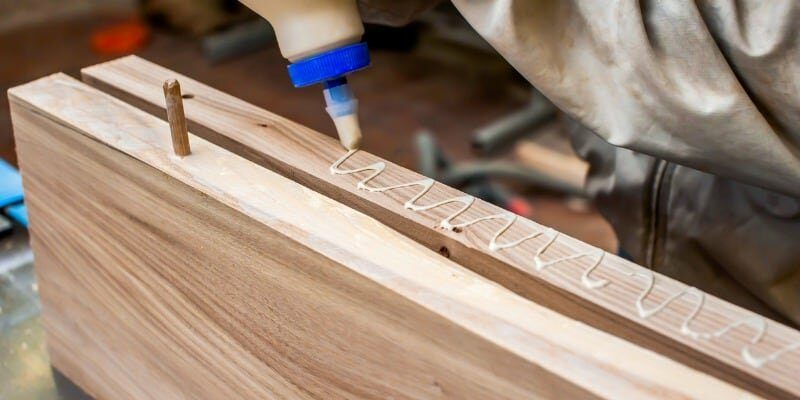
Types of Wood Lathes

The most common types of wood lathes are benchtop, midi, and full-size lathes. Benchtop lathes are smaller and more portable, making them a good choice for those with limited space or who need to move their lathe around frequently. Midi lathes are larger than benchtop lathes but still smaller than full-size lathes, making them a good choice for those who need a bit more space but don’t have room for a full-size lathe. Full-size lathes are the largest and most powerful type of wood lathe, making them a good choice for those who need to work with large pieces of wood or who need a lot of power.

Features to Look For

When shopping for a used wood lathe, there are several features you should look for. First, you’ll want to consider the size of the lathe. Make sure it’s large enough to accommodate the size of the pieces you’ll be working with. You’ll also want to consider the power of the lathe. Make sure it has enough horsepower to handle the type of wood you’ll be working with.

Other features to consider include the type of drive system (belt or direct), the number of speeds, and the type of tailstock. You may also want to look for a lathe with a swiveling headstock, which can make it easier to work on certain types of projects.

Where to Find Used Wood Lathes

While Craigslist is a popular place to find used wood lathes, there are other options available. You may want to check out online classifieds websites, such as eBay or Facebook Marketplace. You can also check with local woodworking clubs or shops to see if they have any used lathes for sale. Finally, you may want to consider attending a woodworking show or expo, where you can often find used lathes for sale from vendors or other woodworkers.

Online Auction Sites

online-auction-sites

If you’re looking for an economical used wood lathe, online auction sites can be a great place to start your search. Here are a few options to consider:

Ebay

Ebay is one of the most popular online auction sites and has a wide selection of used wood lathes available. You can search for lathes by brand, price range, and location to find one that fits your needs and budget.

When buying from Ebay, make sure to check the seller’s feedback rating and read their reviews before placing a bid. This will give you an idea of their reputation and help you avoid any potential scams or fraudulent listings.

Government Auctions

Government auctions can also be a great option for finding an economical used wood lathe. Many government agencies, including schools and universities, sell their surplus equipment through online auction sites.

One of the most popular government auction sites is GovDeals, which offers a wide range of used equipment, including wood lathes. You can search for lathes by location, price range, and other criteria to find one that fits your needs.

Keep in mind that government auctions often have strict bidding rules and procedures, so make sure to read the terms and conditions carefully before placing a bid. Additionally, some auctions may require you to pick up the item in person, so factor in any additional costs for transportation or shipping.

Overall, online auction sites can be a great place to find an economical used wood lathe. Just make sure to do your research and read the listings carefully to avoid any potential scams or fraudulent listings.

Local Woodworking Clubs

local-woodworking-clubs

If you’re looking for an economical used wood lathe, local woodworking clubs can be a great resource. These clubs often have members who are looking to sell or trade their old equipment, and they may have listings of other resources for finding used tools.

Club Listings

Check with your local woodworking clubs to see if they have any listings for used lathes for sale. Some clubs may even have their own classified ads section on their website or newsletter. You can also attend club meetings and ask members if they know of any lathes for sale.

Swap Meets

Many woodworking clubs also host swap meets or tool sales where members can buy, sell, or trade tools and equipment. These events can be a great place to find a used lathe at a reasonable price. Check with your local clubs to see if they have any upcoming swap meets or sales.

When attending a swap meet or tool sale, be sure to inspect the lathe thoroughly before purchasing. Ask the seller about the lathe’s history and any known issues. It’s also a good idea to bring along a knowledgeable friend or mentor who can help you evaluate the lathe’s condition.

Overall, local woodworking clubs can be a valuable resource for finding an economical used wood lathe. Be sure to check with your local clubs and attend any swap meets or tool sales they may have. With a little patience and persistence, you may be able to find the perfect lathe for your woodworking needs.

Online Retailers

online-retailers

When it comes to finding an economical used wood lathe, there are several online retailers worth checking out. Here are two of the most popular ones:

Amazon

Amazon is a well-known online retailer that offers a wide range of products, including used wood lathes. You can find both individual sellers and professional sellers on Amazon who offer used wood lathes at affordable prices.

One of the advantages of buying from Amazon is that you can read reviews from other customers who have purchased the same product. This can help you make an informed decision and avoid any potential scams. Additionally, Amazon offers a reliable returns policy, so you can return the product if it doesn’t meet your expectations.

Alibaba

Alibaba is an online marketplace that connects buyers and sellers from around the world. You can find a variety of used wood lathes on Alibaba, including both individual sellers and manufacturers.

One of the benefits of using Alibaba is that you can communicate directly with the seller or manufacturer to negotiate the price and ask any questions you may have. However, it’s important to be cautious when using Alibaba, as there have been reports of scams and fraudulent sellers. Make sure to do your research and read reviews before making a purchase.

Overall, both Amazon and Alibaba are great options for finding an economical used wood lathe. Just make sure to do your research and read reviews before making a purchase to ensure that you’re getting a quality product at a fair price.

Woodworking Forums

woodworking-forums

If you’re looking for an economical used wood lathe, woodworking forums can be a great place to start your search. Not only can you find advice and recommendations from experienced woodworkers, but you can also browse classified sections to find used lathes for sale.

Forum Listings

Here are a few woodworking forums that have active communities and classified sections:

  • WoodNet Forums: WoodNet has a large community of woodworkers who are happy to help answer questions and provide advice. Their classified section includes listings for lathes and other woodworking equipment.
  • Sawmill Creek Forums: Sawmill Creek is another popular woodworking forum with a classified section. They have a specific section for buying and selling lathes and turning tools.
  • Woodworking Talk Forums: Woodworking Talk is a forum that covers a wide range of woodworking topics, including turning. Their classified section includes listings for lathes, as well as other woodworking equipment.

Classified Sections

When browsing classified sections on woodworking forums, here are a few things to keep in mind:

  • Location: Make sure to check the location of the seller before contacting them. Shipping a large item like a lathe can be expensive, so it’s often best to look for local sellers.
  • Condition: Be sure to ask the seller about the condition of the lathe and any accessories that come with it. Ask for photos if they haven’t already been provided.
  • Price: Check the prices of similar lathes on other forums and websites to make sure you’re getting a fair deal. Don’t be afraid to negotiate with the seller if you think the price is too high.

Overall, woodworking forums can be a great resource for finding an economical used wood lathe. Just be sure to do your research and ask plenty of questions before making a purchase.

Garage Sales and Estate Sales

garage-sales-and-estate-sales

Garage sales and estate sales are great places to find used wood lathes at an economical price. You can often find them in good condition, and the sellers are usually willing to negotiate on the price. Here are some tips for finding a wood lathe at a garage or estate sale:

  • Check local listings: Look for garage and estate sales in your local newspaper, online classifieds, or websites like Gsalr.com or EstateSales.net. Make a list of the sales that have woodworking tools or machinery listed as items for sale.
  • Arrive early: The early bird gets the worm, and this is especially true for garage and estate sales. Arriving early will give you a chance to see what’s available and get first dibs on any wood lathes that catch your eye.
  • Inspect the lathe: Before making an offer, inspect the lathe thoroughly. Check for any signs of damage, rust, or wear and tear. Make sure it’s in good working condition and has all the necessary parts.
  • Negotiate the price: Don’t be afraid to negotiate the price with the seller. Be polite, but firm, and make a reasonable offer based on the condition of the lathe and its original price.
  • Bring cash: Most garage and estate sales only accept cash, so make sure you bring enough money to cover the cost of the lathe.

Overall, garage and estate sales can be a great place to find an economical used wood lathe. Just make sure to do your research, arrive early, inspect the lathe, negotiate the price, and bring cash. Good luck in your search!

Charity Shops

charity-shops

If you’re looking for an economical used wood lathe, charity shops can be a great place to start your search. These shops often receive donations of used woodworking tools, including lathes, from individuals who no longer need them.

When you shop at a charity shop, not only can you find a good deal on a lathe, but you’re also supporting a good cause. Many charity shops support organizations that help people in need, such as homeless shelters, food banks, and hospitals.

Here are some tips for finding a good lathe at a charity shop:

  • Check the shop’s website or call ahead to see if they have any woodworking tools in stock.
  • Visit the shop regularly, as new items are often added to the inventory.
  • Ask the staff if they have any lathes in the back that haven’t been put out on the sales floor yet.
  • Inspect the lathe carefully before purchasing it to make sure it’s in good working condition.

While charity shops may not always have the widest selection of woodworking tools, they can be a great resource for finding a lathe at a low price. Plus, you’ll be supporting a good cause while you shop.

Recycling Centers

recycling-centers

Recycling centers are a great place to find used wood lathes at an affordable price. These centers are dedicated to reducing waste and promoting sustainability by collecting and reselling used items that are still in good condition. Here are some reasons why a recycling center might be a good place to look for a used wood lathe:

  • Affordability: Recycling centers often sell used items at a fraction of the cost of new ones. This means that you can find a high-quality wood lathe for a much lower price than you would pay for a new one.
  • Sustainability: By buying a used wood lathe from a recycling center, you are helping to reduce waste and promote sustainability. Instead of buying a new lathe that requires the use of new resources and energy, you are giving new life to an existing item.
  • Variety: Recycling centers collect a wide variety of items, so you never know what you might find. You might come across a vintage wood lathe that is no longer being produced, or you might find a newer model that is still in excellent condition.

When looking for a wood lathe at a recycling center, it’s important to keep a few things in mind. First, make sure that the lathe is in good working condition. Check for any signs of damage or wear and tear, and ask to see the lathe in action if possible. Second, make sure that the lathe is the right size and type for your needs. Finally, be prepared to do some cleaning and maintenance on the lathe before you start using it. With these things in mind, you can find a great wood lathe at a recycling center and start creating beautiful projects in no time.

Schools and Universities

If you’re looking for an economical used wood lathe, schools and universities can be a great place to start your search. Many institutions have woodworking programs and may have surplus equipment available for sale at a reasonable price. Here are a few tips to help you find the right school or university:

  • Start by researching woodworking programs in your area. Look for schools that offer courses in woodworking, carpentry, or furniture making.
  • Contact the program directors or instructors and ask if they have any used wood lathes for sale. They may be able to direct you to the right person or department.
  • Check the school’s website or bulletin board for any announcements about surplus equipment sales. Some schools hold auctions or sales at the end of the academic year to clear out old or unused equipment.
  • Be prepared to inspect the equipment before you buy it. Ask for photos and specifications ahead of time, and arrange to visit the school to see the lathe in person. Make sure to test it out before you make a purchase.

Buying a used wood lathe from a school or university can be a great way to save money and support local education programs. Just be sure to do your research and inspect the equipment carefully before making a purchase.

Frequently Asked Questions

Where can I find affordable used wood lathes for sale?

There are several places where you can find used wood lathes for sale at an affordable price. Check out online marketplaces such as eBay, Facebook Marketplace, and Amazon. You can also try local classifieds like the newspaper or online classifieds such as Kijiji or Gumtree. Additionally, check out local woodworking stores or attend woodworking shows and auctions.

How do I determine if a used wood lathe is in good condition?

When inspecting a used wood lathe, check for any visible signs of damage or wear and tear. Look for cracks in the bed or headstock, rust on the metal parts, and check the motor for any unusual noises or vibrations. Test the lathe by turning on the motor and checking the speed control, and try turning a piece of wood to see how smoothly it runs.

What are some reputable online marketplaces for buying used wood lathes?

Some reputable online marketplaces for buying used wood lathes include eBay, Amazon, and Facebook Marketplace. You can also check out specialized woodworking marketplaces like WoodworkingTalk or WoodNet. Be sure to read the seller’s feedback and reviews before making a purchase.

Are there any local woodworking clubs or associations that may have used wood lathes for sale?

Yes, local woodworking clubs or associations may have used wood lathes for sale or know of someone who is selling one. Attend meetings and ask around, or check out their websites or social media pages for any listings.

What are some features to look for when buying a used wood lathe?

When buying a used wood lathe, look for features such as variable speed control, a sturdy bed, and a powerful motor. Check for any additional accessories that may be included, such as a faceplate or tool rest.

Can I negotiate the price of a used wood lathe?

Yes, you can negotiate the price of a used wood lathe. Be sure to do your research beforehand to determine the fair market value of the lathe. Consider any necessary repairs or upgrades that may need to be made and use that information to negotiate a fair price with the seller.

Blog

What is the Best Adhesive for Wood to Metal?

Are you looking for the best adhesive to attach wood to metal? Whether you’re working on a DIY project or a professional construction job, choosing the right adhesive is essential to ensure a strong and long-lasting bond. But with so many options available, it can be challenging to determine which one is the best fit for your project.

When it comes to attaching wood to metal, there are several factors to consider. The type of wood and metal, the size and weight of the objects, and the environment in which they will be used can all impact the effectiveness of the adhesive. In this article, we’ll explore some of the most popular adhesives for wood to metal bonding and provide tips to help you make the best choice for your project.

Understanding Wood and Metal Surfaces

When it comes to bonding wood and metal, it’s important to understand the characteristics of each material. Wood is a porous material that can absorb moisture, while metal is a non-porous material that can be slippery. This means that not all adhesives are suitable for bonding wood to metal.

To ensure a strong and lasting bond, it’s important to prepare the surfaces properly before applying any adhesive. Here are some tips to help you prepare wood and metal surfaces for bonding:

Preparing Wood Surfaces

  • Sand the wood surface to remove any rough spots or splinters that could prevent a strong bond.
  • Clean the surface with a damp cloth to remove any dust or debris.
  • Apply a wood conditioner to the surface to help the wood absorb the adhesive evenly.

Preparing Metal Surfaces

  • Clean the metal surface with a degreaser to remove any oils or dirt that could prevent a strong bond.
  • Sand the metal surface to create a rough texture that will help the adhesive grip the surface.
  • Apply a primer to the metal surface to help the adhesive adhere to the metal.

By preparing the surfaces properly, you can ensure a strong and lasting bond between wood and metal. In the next section, we’ll discuss some of the best adhesives for bonding wood to metal.

Types of Adhesives for Wood to Metal

When it comes to bonding wood to metal, there are several types of adhesives to choose from. Each type has its own unique properties and advantages. Here are some of the most common types of adhesives for wood to metal:

Epoxy

Epoxy is a two-part adhesive that consists of a resin and a hardener. When mixed together, they create a strong, durable bond that can withstand a lot of stress and strain. Epoxy is a good choice for bonding wood to metal because it can fill gaps and create a strong, permanent bond. There are different types of epoxy available, including steel-reinforced epoxy, which is specifically designed for bonding metal.

Polyurethane

Polyurethane adhesive is a one-part adhesive that cures when exposed to moisture. It creates a strong, flexible bond that can withstand changes in temperature and humidity. Polyurethane adhesive is a good choice for bonding wood to metal because it can fill gaps and create a strong, permanent bond. It is also waterproof and can be used for outdoor applications.

Cyanoacrylate

Cyanoacrylate, also known as super glue, is a fast-drying adhesive that creates a strong, permanent bond. It is a good choice for bonding wood to metal because it can be used on a variety of surfaces and can fill gaps. However, it is not as strong as epoxy or polyurethane adhesive and should not be used for heavy-duty applications.

Acrylic

Acrylic adhesive is a two-part adhesive that consists of a resin and a hardener. When mixed together, they create a strong, durable bond that can withstand a lot of stress and strain. Acrylic adhesive is a good choice for bonding wood to metal because it can fill gaps and create a strong, permanent bond. It is also waterproof and can be used for outdoor applications.

When choosing an adhesive for bonding wood to metal, consider the strength of the bond required, the conditions the bond will be exposed to, and the surfaces being bonded. With the right adhesive, you can create a strong, permanent bond between wood and metal.

Epoxy Resins

When it comes to bonding metal to wood, epoxy resins are a popular choice. They offer a strong, durable bond and are resistant to impact, shock, vibration, and temperature extremes. Epoxy resins come in two types: two-part and one-part.

Two-Part Epoxy

Two-part epoxy resins consist of a resin and a hardener that are mixed together before application. They offer a strong bond and are ideal for high-stress applications. Here are some popular two-part epoxy resins for bonding metal to wood:

Product Features
Gorilla 2-Part Epoxy Sets in 5 minutes, water-resistant, dries clear
J-B Weld 8265S Sets in 4-6 hours, can be sanded or painted over, withstands temperatures up to 300°F
Loctite Epoxy Weld Sets in 5 minutes, water-resistant, can be drilled, sanded, or painted over

One-Part Epoxy

One-part epoxy resins are pre-mixed and ready to use. They offer a strong bond and are easy to use, making them ideal for DIY projects. Here are some popular one-part epoxy resins for bonding metal to wood:

Product Features
Loctite Epoxy Instant Mix Sets in 5 minutes, water-resistant, dries clear
Devcon Epoxy Sets in 30 minutes, can be sanded or painted over, withstands temperatures up to 250°F
PC Products PC-7 Sets in 60 minutes, can be drilled, sanded, or painted over, withstands temperatures up to 200°F

Overall, epoxy resins are a great choice for bonding metal to wood. Just be sure to follow the manufacturer’s instructions carefully and choose the right type of epoxy resin for your project.

Polyurethane Adhesives

Polyurethane adhesives are a type of synthetic plastic resin made from polymers. They are known for their excellent bonding strength and versatility, making them a great choice for bonding wood to metal.

One of the advantages of polyurethane adhesives is that they can be used on a variety of substrates, including wood, metal, glass, concrete, and more. They are also waterproof, making them ideal for outdoor applications.

When using polyurethane adhesives, it is important to note that they can expand as they cure. This means that they can fill gaps and create a strong bond even on uneven surfaces. However, it is important to apply the adhesive carefully to avoid excess expansion, which can cause the adhesive to push out of the joint.

Another important consideration when using polyurethane adhesives is the curing time. While some polyurethane adhesives can cure in as little as 30 minutes, others may take several hours or even days to fully cure. It is important to follow the manufacturer’s instructions carefully to ensure that the adhesive is fully cured before putting any stress on the bond.

Overall, polyurethane adhesives are a great choice for bonding wood to metal due to their excellent bonding strength, versatility, and waterproof properties. However, it is important to use them carefully and follow the manufacturer’s instructions to ensure a strong and long-lasting bond.

Cyanoacrylate Adhesives

Cyanoacrylate adhesives, also known as super glues, are fast-bonding and high-strength adhesives that are engineered to bond almost any material, including wood and metal. These adhesives are valued for their resistance to temperature and moisture, making them ideal for a variety of applications.

When using cyanoacrylate adhesives for wood to metal bonding, it is important to note that they work best on perfectly mated parts. This means that the parts being bonded must be clean and free of any dirt, oil, or debris. If the surfaces are not clean, the bond may not be as strong as desired.

It is also important to note that cyanoacrylate adhesives may not bond well to certain surfaces, such as porous surfaces like wood. In these cases, it may be necessary to use products containing accelerators to ensure a strong bond.

Overall, cyanoacrylate adhesives can be a good choice for bonding wood to metal, but it is important to follow proper preparation and application techniques to ensure a strong and lasting bond.

Silicone-Based Adhesives

Silicon-based adhesives are a popular choice for bonding wood to metal due to their waterproofing capabilities and flexibility. They are also resistant to high temperatures and UV light, making them ideal for outdoor applications.

One of the advantages of silicone-based adhesives is their ability to bond to nonporous and smooth surfaces like plastic or metal. They also offer a strong and durable bond that can withstand vibrations and shocks.

When using silicone-based adhesives for wood to metal bonding, it is important to select a high-quality product that is specifically designed for this purpose. Look for adhesives that have a long curing time and can withstand extreme temperatures.

Some popular silicone-based adhesives for wood to metal bonding include Loctite Clear Silicone, Gorilla Silicone Sealant, and Permatex Silicone Adhesive. These products offer a strong and reliable bond that can last for years.

Overall, silicone-based adhesives are an excellent choice for bonding wood to metal. They offer a waterproof and flexible bond that can withstand harsh environments and extreme temperatures.

Factors to Consider When Choosing an Adhesive

When selecting an adhesive for wood to metal bonding, there are several factors that you should consider to ensure a strong and durable bond. Here are some key factors to keep in mind:

Bond Strength

The bond strength of an adhesive is crucial for wood to metal bonding. You want an adhesive that can create a strong bond that will hold up over time. Look for adhesives that have high shear and peel strength, as these properties are important for wood to metal bonding.

Durability

Durability is another important factor to consider when choosing an adhesive for wood to metal bonding. You want an adhesive that can withstand the elements and resist degradation over time. Look for adhesives that are resistant to water, heat, and UV light, as these factors can weaken the bond over time.

Temperature Resistance

Temperature resistance is also an important factor to consider when choosing an adhesive for wood to metal bonding. Depending on the application, the bond may be exposed to high or low temperatures, so you want an adhesive that can withstand these conditions without losing its strength. Look for adhesives that have a wide temperature range and can maintain their bond strength even in extreme temperatures.

Ease of Use

Finally, ease of use is an important factor to consider when choosing an adhesive for wood to metal bonding. You want an adhesive that is easy to apply and can be used without special equipment or training. Look for adhesives that have a simple application process and can be applied quickly and easily.

Overall, when choosing an adhesive for wood to metal bonding, you want to look for an adhesive that has high bond strength, durability, temperature resistance, and ease of use. By considering these factors, you can ensure that you choose an adhesive that will create a strong and long-lasting bond between wood and metal.

Safety Precautions When Using Adhesives

safety-precautions-when-using-adhesives

When working with adhesives, it is important to take proper safety precautions to prevent accidents and injuries. Here are some safety tips to keep in mind when using adhesives for wood to metal bonding:

Read the Label and Safety Data Sheet

Before using any adhesive, it is important to read the label and safety data sheet (SDS) carefully. The label will provide information about the adhesive’s specific hazards, such as flammability or toxicity. The SDS will provide more detailed information about the adhesive’s composition, handling, storage, and disposal.

Wear Protective Gear

When using adhesives, it is important to wear appropriate personal protective equipment (PPE) to protect yourself from exposure to hazardous chemicals and materials. This may include gloves, safety glasses or goggles, and a respirator.

Work in a Well-Ventilated Area

Many adhesives contain volatile organic compounds (VOCs) that can be harmful if inhaled. To prevent exposure to these chemicals, it is important to work in a well-ventilated area. Open windows and doors, or use a fan or ventilation system to circulate fresh air.

Store Adhesives Safely

When not in use, adhesives should be stored in a cool, dry, and well-ventilated area. Keep them away from sources of heat, sparks, or flames, as many adhesives are flammable. Store adhesives in their original containers, and label them clearly to prevent confusion.

Clean Up Spills and Dispose of Adhesives Properly

If you spill adhesive, clean it up immediately using a solvent recommended by the manufacturer. Do not use water, as many adhesives are water-resistant and will not dissolve. Dispose of adhesives and solvents according to local regulations and guidelines.

By following these safety precautions, you can minimize the risk of accidents and injuries when using adhesives for wood to metal bonding.

Application Process of Adhesives

When it comes to bonding wood to metal, selecting the right adhesive is only half the battle. Applying the adhesive properly is equally important. Here’s a step-by-step guide to help you get the best results possible.

Surface Preparation

The first step in any adhesive application is surface preparation. This is especially important when bonding wood to metal. Any dirt, oil, or other contaminants on the metal surface will weaken the bond. Follow these steps to ensure a clean surface:

  • Clean the metal surface with a degreaser or rubbing alcohol.
  • Sand the metal surface to roughen it up and provide better adhesion.
  • Wipe the surface with a clean, dry cloth to remove any dust or debris.

Applying the Adhesive

Once the surface is clean and dry, it’s time to apply the adhesive. Follow the manufacturer’s instructions carefully, as different adhesives have different application methods. Here are some general tips:

  • Apply the adhesive evenly to both surfaces. Use a notched trowel or a brush to spread the adhesive evenly.
  • Apply enough adhesive to achieve a strong bond, but not so much that it oozes out of the joint.
  • Press the wood and metal together firmly, making sure the joint is tight.

Curing Time

After the adhesive is applied and the surfaces are joined, it’s time to let the adhesive cure. The curing time will vary depending on the adhesive you’re using, as well as the temperature and humidity of the environment. Here are some general guidelines:

  • Follow the manufacturer’s recommended curing time.
  • Do not disturb the joint while the adhesive is curing.
  • After the curing time is complete, test the bond to make sure it’s strong.

By following these steps, you’ll be well on your way to a strong, durable bond between wood and metal.

Frequently Asked Questions

What are some recommended adhesives for attaching wood to metal?

When it comes to bonding wood to metal, there are several types of adhesives that can be used. Some of the most recommended options include epoxy, super glue, and construction adhesive. These adhesives are known for their strong bonding properties and ability to create a permanent bond between wood and metal.

What are some common brands of adhesive for wood to metal?

There are many different brands of adhesive that can be used for bonding wood to metal. Some of the most common brands include Loctite, Gorilla, J-B Weld, and Starbond. These brands are known for their high-quality adhesives that are specifically designed for wood to metal bonding.

Can wood glue be used to bond wood to metal?

While wood glue can be used to bond wood to wood, it is not recommended for bonding wood to metal. This is because wood glue is not strong enough to create a permanent bond between the two materials. Instead, it is recommended to use an adhesive that is specifically designed for wood to metal bonding.

What is the difference between epoxy and super glue for wood to metal?

Epoxy and super glue are both commonly used adhesives for wood to metal bonding. However, there are some key differences between the two. Epoxy is a two-part adhesive that requires mixing before use and has a longer curing time. Super glue, on the other hand, is a one-part adhesive that cures quickly. Epoxy is generally considered to be stronger and more durable than super glue.

Are there any special considerations when using adhesive for wood to metal?

When using adhesive for wood to metal bonding, there are some special considerations that should be taken into account. First, it is important to make sure that both surfaces are clean and free of any debris or oils. Additionally, it is recommended to apply the adhesive in a thin, even layer and to clamp the two surfaces together while the adhesive cures.

Which adhesive is best for a permanent bond between wood and metal?

When it comes to creating a permanent bond between wood and metal, epoxy is generally considered to be the best option. This is because epoxy is known for its high strength and durability, and is able to create a strong, permanent bond between the two materials. However, other adhesives such as super glue and construction adhesive can also be effective for wood to metal bonding, depending on the specific application.

Blog

What's the Best Wood for a Homemade Desk Desktop and Why?

Are you thinking about building a homemade desk? One of the most important decisions you’ll have to make is what type of wood to use for the desktop. With so many options available, it can be overwhelming to choose the best one for your needs. In this article, we’ll explore the different types of wood commonly used for desktops and discuss the pros and cons of each.

When it comes to selecting the best type of wood for a desktop, there are several factors to consider. You’ll want a wood that is sturdy, durable, and can withstand daily wear and tear. It should also be aesthetically pleasing and complement the overall design of your desk. Additionally, you’ll want to consider the cost and availability of the wood. By taking these factors into account, you can make an informed decision about which type of wood is right for your project. So, let’s dive in and explore your options!

Understanding Different Types of Wood

understanding-different-types-of-wood

When it comes to choosing the best type of wood for your homemade desk, it’s important to understand the different options available to you. Here are the three main categories of wood to consider:

Hardwoods

Hardwoods come from deciduous trees, which means they lose their leaves annually. They are generally more durable and dense than softwoods, making them an excellent choice for a desktop. Some popular hardwood options for a desk include:

  • Oak: A classic choice that is strong and durable, with a distinctive grain pattern.
  • Maple: Known for its light color and smooth grain, maple is a popular choice for modern desks.
  • Walnut: A beautiful dark wood with a rich, warm tone that makes for an elegant desk.

Softwoods

Softwoods come from evergreen trees, which means they keep their leaves year-round. They are generally less dense and less expensive than hardwoods, but can still make a great choice for a desktop. Some popular softwood options for a desk include:

  • Pine: A light-colored wood with a straight grain that is easy to work with.
  • Cedar: A softwood with a distinctive scent that repels insects, making it a good choice for outdoor desks.
  • Spruce: A light-colored wood with a fine grain that is strong and lightweight.

Engineered Woods

Engineered woods are made from a combination of wood fibers and adhesives, and are designed to be stronger and more durable than solid wood. They can be a good choice for a desktop if you want something that is resistant to warping and cracking. Some popular engineered wood options for a desk include:

  • Plywood: Made from thin layers of wood that are glued together, plywood is strong and stable.
  • MDF: Short for medium-density fiberboard, MDF is made from wood fibers and resin, and is known for its smooth surface and uniform density.
  • Particleboard: Made from wood chips and resin, particleboard is a cost-effective option that is less durable than other engineered woods.

By understanding the different types of wood available, you can make an informed decision about which one is right for your homemade desk. Consider factors such as durability, aesthetics, and cost when making your choice.

Key Factors to Consider

key-factors-to-consider

When it comes to choosing the best type of wood for a desktop on a homemade desk, there are several factors that you should consider. Here are the key factors to keep in mind:

Durability

One of the most important factors to consider when choosing the best type of wood for a desktop is durability. You want a wood that can withstand the wear and tear of daily use without showing signs of damage. Some of the most durable woods for desktops include oak, maple, and birch plywood. These woods are strong, sturdy, and can last for years with proper maintenance.

Aesthetic Appeal

Another important factor to consider when choosing the best type of wood for a desktop is aesthetic appeal. You want a wood that looks good and complements the overall design of your homemade desk. Some woods, like maple and oak, have attractive grain patterns that can add visual interest to your desktop. Other woods, like birch plywood, have a more uniform appearance that can create a clean, modern look.

Cost

Cost is also an important factor to consider when choosing the best type of wood for a desktop. Some woods, like oak and maple, can be more expensive than others. If you’re on a tight budget, you may want to consider using a less expensive wood, like birch plywood. However, keep in mind that cheaper woods may not be as durable or aesthetically pleasing as more expensive options.

In summary, when choosing the best type of wood for a desktop on a homemade desk, you should consider factors like durability, aesthetic appeal, and cost. By keeping these factors in mind, you can choose a wood that not only looks good but also stands up to daily use.

Top Wood Choices for Desktops

top-wood-choices-for-desktops

When it comes to building a homemade desk, choosing the right type of wood for your desktop is crucial. The type of wood you choose can affect the durability, appearance, and overall quality of your desk. Here are some of the top wood choices for desktops:

Oak

Oak is one of the most popular choices for desktops, and for good reason. It is a hardwood that is known for its strength and durability. Oak desks can last for several decades, making them a great investment. Oak also has a beautiful grain pattern that can add character to your desk.

Maple

Maple is another great choice for desktops. It is a hardwood that is known for its light color and smooth texture. Maple is also a very hard and durable wood, making it a great choice for a desk that will see a lot of use.

Walnut

Walnut is a beautiful hardwood that is known for its rich, dark color. It has a straight grain pattern that can add a touch of elegance to your desk. Walnut is also a very durable wood, making it a great choice for a desk that will see a lot of use.

Plywood

If you are on a budget, plywood can be a great choice for your desktop. Plywood is made from thin layers of wood that are glued together, making it strong and durable. It is also very affordable and easy to work with. Plywood can be stained or painted to match your decor, making it a versatile choice for a homemade desk.

In conclusion, choosing the right type of wood for your desktop is an important decision when building a homemade desk. Oak, maple, walnut, and plywood are all great choices depending on your budget and desired aesthetic. Consider the durability, appearance, and cost of each type of wood before making your final decision.

Benefits of Each Wood Type

benefits-of-each-wood-type

Benefits of Oak

Oak is a popular choice for desktops because of its durability and strength. It is a hardwood that is resistant to wear and tear, making it ideal for a desk that will be used frequently. Oak has a distinctive grain pattern that gives it a unique look, and it is available in a range of colors from light to dark.

Other benefits of oak include:

  • Resistant to moisture and humidity
  • Easy to work with
  • Long-lasting and durable
  • Can be stained or painted to match your desired aesthetic

Benefits of Maple

Maple is a light-colored hardwood that is affordable and easy to work with. It is a popular choice for desks because of its smooth surface and durability. Maple has a subtle grain pattern that makes it a versatile option for any style of desk.

Other benefits of maple include:

  • Resistant to scratches and dents
  • Lightweight and easy to move
  • Available in a range of finishes
  • Affordable compared to other hardwoods

Benefits of Walnut

Walnut is a high-end hardwood that is known for its rich, dark color and beautiful grain pattern. It is a popular choice for desks because of its durability and resistance to wear and tear. Walnut has a smooth surface that is easy to work with, and it is available in a range of finishes.

Other benefits of walnut include:

  • Resistant to moisture and humidity
  • Long-lasting and durable
  • Can be stained or oiled to enhance its natural beauty
  • Adds warmth and elegance to any room

Benefits of Plywood

Plywood is a composite wood material made from thin layers of wood veneer glued together. It is a popular choice for desktops because of its affordability and versatility. Plywood comes in a range of thicknesses and can be easily cut and shaped to fit any desk design.

Other benefits of plywood include:

  • Lightweight and easy to move
  • Available in a range of finishes
  • Affordable compared to solid wood options
  • Resistant to warping and cracking

Overall, the best type of wood for your desktop will depend on your budget, style preferences, and intended use. Consider the benefits of each wood type before making your final decision.

Potential Drawbacks

potential-drawbacks-1

When it comes to choosing the best type of wood for a desktop on a homemade desk, there are several factors to consider. While each type of wood has its own unique advantages, there are also some potential drawbacks to keep in mind.

Drawbacks of Oak

Although oak is a popular choice for a desktop due to its strength and durability, it does have some potential drawbacks. One of the main issues with oak is that it can be quite heavy, which may make it difficult to move around or adjust the desk height. Additionally, oak can be more expensive than some other types of wood, which may not fit within everyone’s budget.

Drawbacks of Maple

Maple is another popular choice for a desktop due to its light color and smooth, even grain. However, there are some potential drawbacks to consider. For one, maple can be quite soft, which may make it more prone to scratches and dents. Additionally, maple can be more difficult to stain than other types of wood, which may limit your options for customization.

Drawbacks of Walnut

While walnut is known for its rich, dark color and beautiful grain patterns, it also has some potential drawbacks. For one, walnut can be quite expensive compared to other types of wood, which may not be feasible for everyone’s budget. Additionally, walnut can be quite heavy, which may make it difficult to move around or adjust the desk height.

Drawbacks of Plywood

Plywood is a popular choice for a desktop due to its affordability and ease of use. However, there are some potential drawbacks to consider. For one, plywood may not be as durable as solid wood options, which may result in a shorter lifespan for your desk. Additionally, plywood may not have the same level of aesthetic appeal as other types of wood, which may not be ideal for those looking for a more visually appealing desk.

Frequently Asked Questions

What are some common types of wood used for desktops on homemade desks?

There are several types of wood that are commonly used for desktops on homemade desks. Some of the most popular ones include oak, maple, cherry, elm, cedar, and rosewood. Each of these woods has its own unique characteristics, such as color, grain pattern, and durability.

What are the advantages of using oak wood for a desk top?

Oak wood is one of the most popular choices for a desk top because of its strength and durability. It can withstand heavy use and can last for several decades with proper maintenance. Oak also has a beautiful grain pattern that can add character to your desk.

What is the difference between using maple wood and oak wood for a desk top?

While both maple and oak wood are great choices for a desk top, there are some differences between the two. Maple wood is lighter in color and has a more consistent grain pattern, while oak wood has a more pronounced grain pattern and is darker in color. Oak wood is also generally more durable than maple wood.

How thick should the wood be for a sturdy and durable desktop on a homemade desk?

The thickness of the wood for a desktop on a homemade desk depends on several factors, such as the size of the desk and the weight it will need to support. Generally, a thickness of at least 1 inch is recommended for a sturdy and durable desktop.

Are there any alternative materials that can be used for a desktop on a homemade desk?

Yes, there are several alternative materials that can be used for a desktop on a homemade desk. Some of these include plywood, MDF, MDO, and particleboard. While these materials may not be as durable as hardwood, they can still provide a sturdy and functional desktop at a lower cost.

What are some tips for building a DIY hardwood desk with a high-quality desktop?

When building a DIY hardwood desk with a high-quality desktop, it is important to choose the right type of wood for your needs and budget. You should also make sure to properly prepare and finish the wood to ensure its durability and longevity. Additionally, using high-quality hardware and taking your time during the construction process can help ensure a successful outcome.